DbcultAccessing Vault...
5.2/10
Senior Film Conservator
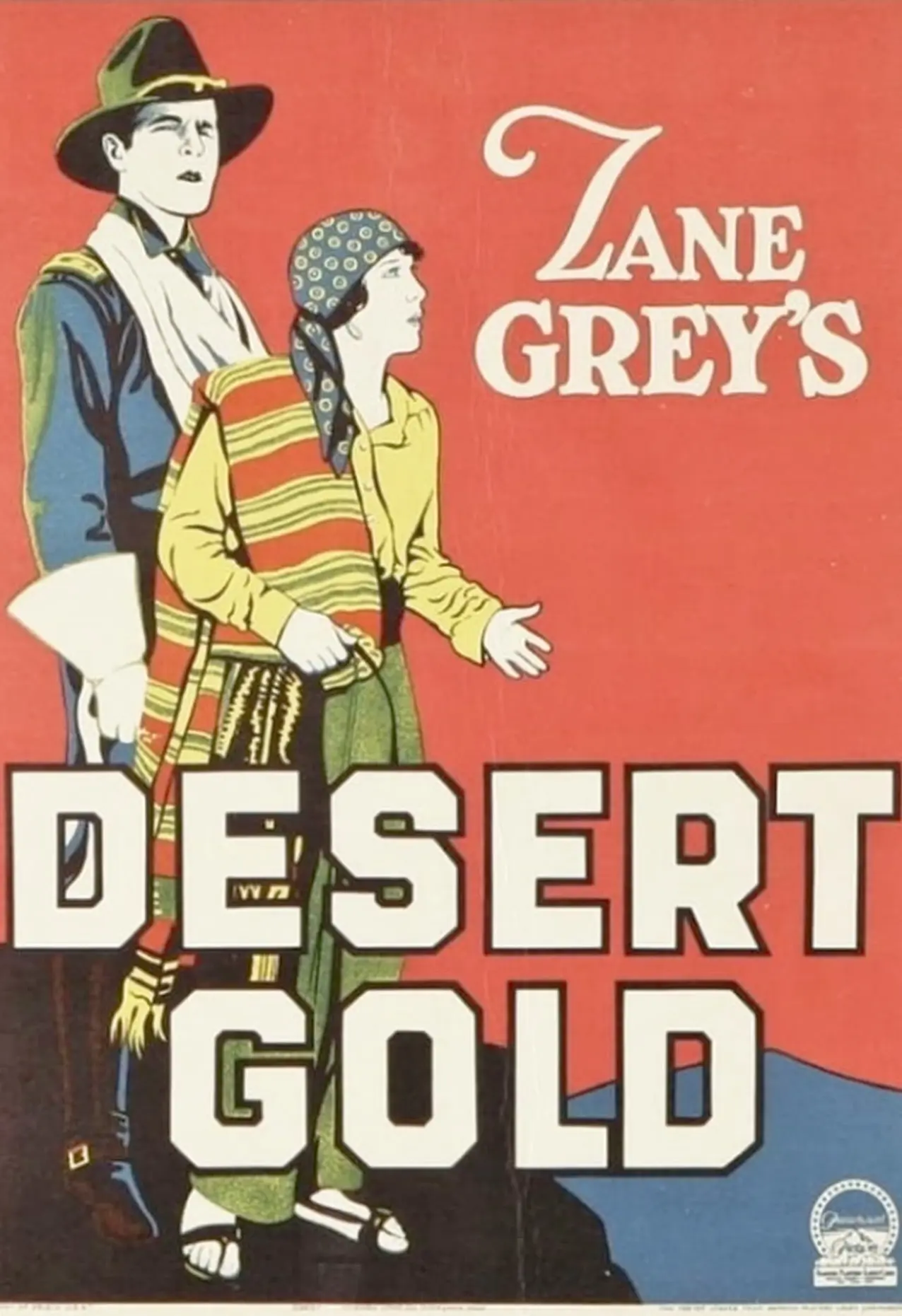
A definitive 5.2/10 rating for a film that redefined the boundaries of cult cinema. Desert Gold remains a cornerstone of transgressive art.
Short answer: yes, but only if you are a dedicated student of the silent era or a Zane Grey enthusiast. This film serves as a fascinating bridge between the early, primitive shorts and the epic, sweeping Westerns of the 1930s, though its pacing will certainly test the patience of modern audiences. It is for the viewer who finds beauty in grainy, high-contrast desert vistas and the exaggerated physical acting of the 1920s, but it is definitely not for those who require a fast-moving plot or contemporary sensibilities.
This film works because it utilizes actual desert locations to create a sense of palpable heat and isolation that modern CGI simply cannot replicate.
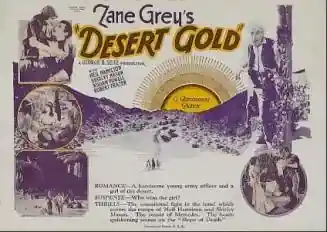
This film fails because the transition from the New York prologue to the Western action feels like two entirely different movies stitched together with little thematic glue.
You should watch it if you want to see a very young William Powell playing a villainous outlaw long before he became the sophisticated icon of the Thin Man series.
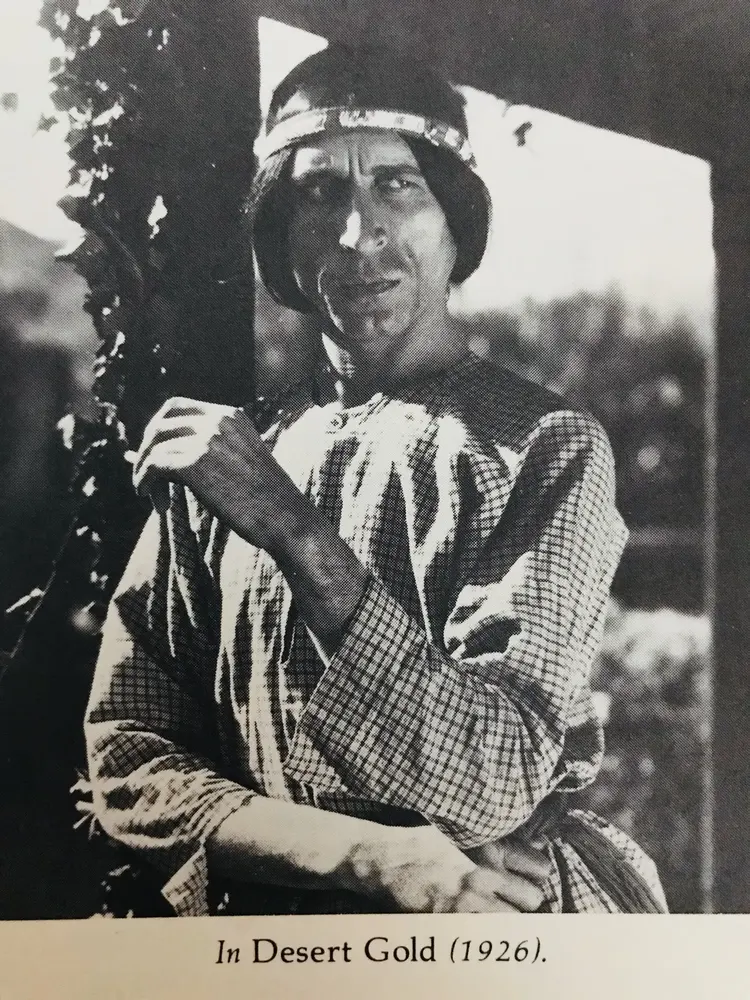
The film begins not in the dust of Arizona, but in the polished wood and leather offices of New York. This framing device is essential for the 1920s 'city vs. country' narrative. Dick Gale, played with a certain boyish charm by Neil Hamilton, represents the perceived softness of the urban elite. His father's ultimatum isn't just a plot point; it’s a critique of the era’s gilded youth. It reminds me of the thematic weight found in Is Divorce a Failure? where the domestic life of the wealthy is put under a harsh microscope.
Once the setting shifts to the West, the film sheds its drawing-room skin. The contrast is jarring. The cinematography by George B. Seitz (who also directed) captures the desert not as a playground, but as a furnace. The shadows are deep, and the light is punishing. Unlike the more stylized approach of The Salvation Hunters, which used its setting for psychological dread, Desert Gold uses the landscape as a physical antagonist. The heat feels real. The dust feels real.
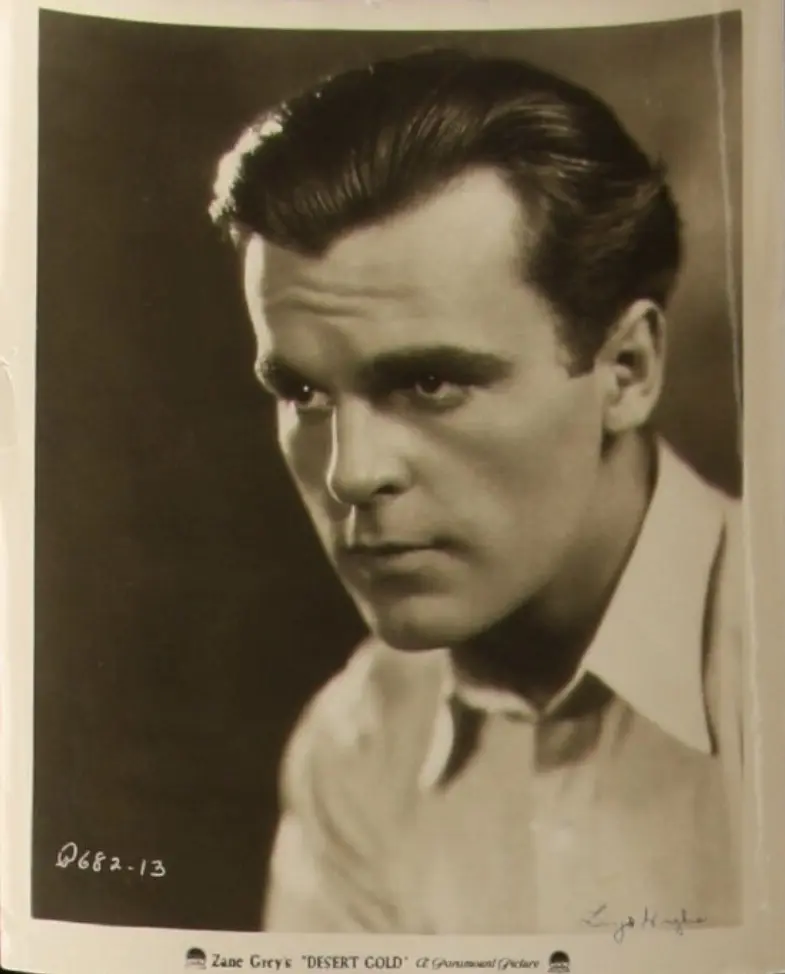
The real revelation here is William Powell as Landree. For those accustomed to his later work, seeing him as a rugged, menacing outlaw is a shock to the system. He doesn't have the suave wit yet. Instead, he has a predatory stillness. Every time Powell is on screen, the stakes feel significantly higher. He brings a level of gravity to the production that offsets some of the more theatrical performances from the supporting cast, such as those seen in The Whip.
Powell’s Landree is a man who understands the desert better than the protagonists. He uses the terrain like a weapon. In the scene where he has Lieutenant Thorne trapped, Powell doesn't need to chew the scenery. He simply waits. It’s a masterclass in silent-era villainy that relies on presence rather than pantomime. It’s a stark contrast to the more flamboyant acting seen in international productions of the time, such as Die goldene Krone.
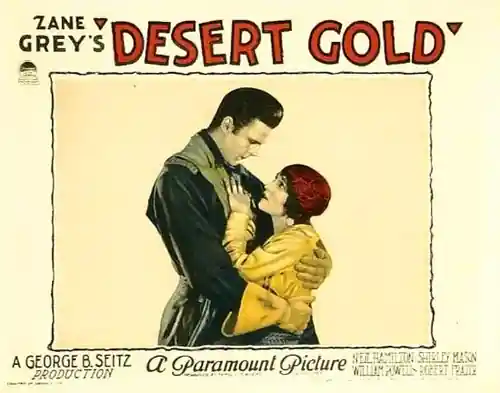
Action in 1926 was a different beast. There were no safety nets, and the stunts often feel dangerously unchoreographed. The rescue of Lieutenant Thorne is a sequence that highlights the film’s technical ambition. The way the horses are handled and the way the actors interact with the rocky terrain shows a level of physical commitment that is often missing from modern, safety-first productions. It has a grit similar to The Silent Lie, where the environment dictates the action.
However, the film does suffer from the technical limitations of its time. The editing can be choppy, and some of the night scenes are so poorly lit (or have degraded so much over time) that it’s difficult to follow the geography of the fight. Yet, there is an honesty to the image. When Dick Gale is struggling through the sand, you can see the genuine exhaustion on Hamilton’s face. This isn't a studio lot. This is the real world, and it’s trying to kill him.
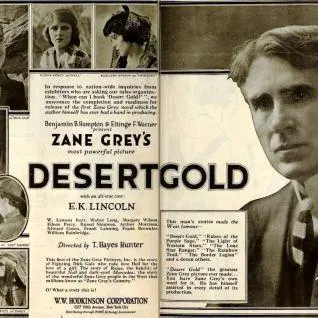
When comparing Desert Gold to other films of the mid-20s, like Thin Ice or The Man Tamer, it stands out for its lack of whimsy. While many silent films of the era were leaning into comedy or light romance, Seitz’s adaptation of Grey’s work feels surprisingly dour. There is a weight to the violence and a sincerity to the struggle for survival. It lacks the polish of The Invisible Bond, but it makes up for it with sheer atmospheric pressure.
The romance between Dick and the various female characters, including Shirley Mason’s role, feels secondary. In fact, the romantic subplots are the weakest part of the film. They feel like obligations to the box office rather than organic developments of the story. The real 'love affair' in the film is between the camera and the horizon. The film is at its best when it forgets about New York and focuses entirely on the brutal mechanics of frontier life.
Pros:
- Exceptional location scouting that provides an authentic Western atmosphere.
- A standout early performance by William Powell.
- Genuine tension in the final confrontation scenes.
- A historical look at the transition of the 'Easterner' archetype.
Cons:
- The New York prologue feels dated and unnecessary.
- Some supporting characters are caricatures rather than people.
- The pacing in the second act is noticeably sluggish.
- Melodramatic acting in the romantic scenes can be off-putting.
Desert Gold (1926) is a film of two halves. The first half is a somewhat tedious social drama, but the second half is a gripping, dust-choked survival story. It is a film that demands your attention but doesn't always reward it with modern thrills. It’s a grind. But it’s a beautiful, honest grind that shows the Western genre in its adolescence.
If you are looking for a masterpiece, look elsewhere. But if you want to see the foundations of the American myth being built, brick by dusty brick, then this is essential viewing. It’s flawed, sweaty, and occasionally brilliant. It’s a reminder that before the West was won on screen, it had to be endured. Like the characters in The Iron Man or The Flash of Fate, Dick Gale finds his soul only after he loses his comfort. That is a timeless story, even if the medium here is nearly a century old.
IMDb 5.4
1936
Community
Log in to comment.