DbcultAccessing Vault...
4.8/10
Senior Film Conservator
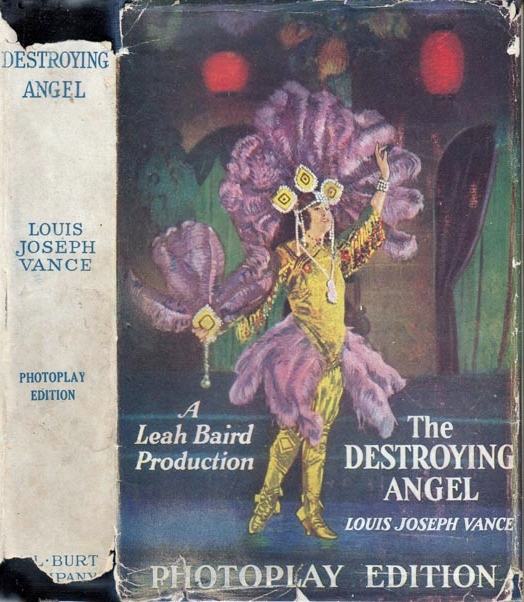
A definitive 4.8/10 rating for a film that redefined the boundaries of cult cinema. Destroying Angel remains a cornerstone of transgressive art.
The opening frames of Destroying Angel plunge the viewer into a world where mortality is both a specter and a catalyst. Hugh Whittaker, portrayed with stoic melancholy by Philip Sleeman, receives a grim prognosis that reshapes his entire existence. Rather than succumb to despair, he channels his remaining days into an act of altruism, marrying Mary—embodied by Leah Baird—who has been left desolate by a lover’s abandonment. The ceremony, rendered with a stark, almost ceremonial austerity, feels less a celebration than a solemn pact of shared suffering.
The narrative momentum shifts dramatically when Hugh embarks on a continental odyssey, seeking the restorative balm of European climes. Here, the cinematography adopts a softer palette, allowing the audience to witness the protagonist’s gradual reclamation of vigor. The European interlude is not merely a backdrop; it functions as a narrative crucible where Hugh’s resolve is tested, and his latent optimism rekindles. This segment subtly echoes the thematic undercurrents of The Miracle of Love, where travel serves as a conduit for personal rebirth.
Upon his return to New York, the city’s neon pulse contrasts sharply with the subdued tones of his European respite. It is amid this urban cacophony that Hugh encounters Sara Law, a dazzling musical star whose stage presence radiates a magnetic allure. Mitchell Lewis, as the charismatic Sara, infuses the role with a vivacious energy that both captivates Hugh and blinds him to the truth of her identity. Their courtship unfolds with a kinetic rhythm, each encounter layered with witty repartee and lingering glances, creating a tapestry of romance that feels both inevitable and precarious.
The film’s structural brilliance lies in its deft handling of dramatic irony. While the audience becomes increasingly aware that Sara is, in fact, Mary—her former self concealed beneath a glittering stage persona—Hugh remains oblivious, navigating a labyrinth of affection and deception. This tension is amplified by the screenplay’s meticulous pacing, which alternates between tender intimacy and looming menace, a technique reminiscent of the suspenseful beats found in Fascination.
The plot’s turning point erupts when Sara is abducted by a shadowy syndicate of kidnappers, an event that thrusts Hugh into a harrowing rescue mission. The ensuing chase sequences are choreographed with a kinetic urgency that feels ahead of its era, employing rapid cuts and stark lighting to convey peril. Noah Beery’s portrayal of the lead kidnapper exudes a menacing gravitas, his presence a dark foil to Hugh’s earnest heroism. The rescue arc not only showcases Hugh’s physical bravery but also his emotional resolve, as he confronts the possibility that his love may be built upon a foundation of lies.
When Hugh finally confronts the captors in a dimly lit warehouse, the confrontation is as much a battle of wits as it is of fists. The dialogue crackles with tension, each line delivering a revelation that peels back another layer of the film’s intricate masquerade. In this climactic moment, the audience witnesses the unmasking of Sara’s true identity, a revelation that reverberates through the narrative like a sudden chord change in a symphonic piece.
The denouement, while resolving the central mystery, does not shy away from exploring the emotional fallout of Hugh’s discovery. The film allows its characters a moment of introspection, a quiet interlude where the weight of past decisions settles upon them. This reflective pause is underscored by a melancholic score that lingers, echoing the lingering doubts that accompany any profound revelation.
Beyond its plot mechanics, Destroying Angel excels in its thematic resonance. The film interrogates the notion of mercy, questioning whether a self‑imposed sacrifice can ever truly be altruistic when it is predicated on misinformation. Moreover, it delves into the fluidity of identity, suggesting that personas—whether adopted for survival or performance—can both conceal and liberate.
The supporting cast enriches the tapestry of the story. Ford Sterling provides comic relief with a sardonic wit that lightens the otherwise somber tone, while John Bowers delivers a nuanced performance as a confidant whose counsel steers Hugh toward self‑realization. Their contributions, though peripheral, are integral to the film’s balanced emotional spectrum.
From a technical standpoint, the film’s black‑and‑white cinematography employs chiaroscuro lighting to accentuate the moral ambiguities that pervade the narrative. The interplay of shadows and illumination mirrors Hugh’s internal conflict, a visual metaphor that aligns with the film’s overarching motifs. The set designs, particularly the opulent theater where Sara dazzles, are rendered with an attention to detail that transports the viewer into the gilded world of early 20th‑century performance art.
When juxtaposed with contemporaneous works such as Black Oxen and Maggie Pepper, Destroying Angel distinguishes itself through its intricate narrative layering. While the former films explore societal constraints and personal ambition, this film delves deeper into the psychological ramifications of deception and the redemptive power of love.
The screenplay, crafted by Louis Joseph Vance and Leah Baird, balances melodramatic flair with subtle character development. Dialogue flows with a natural cadence, avoiding the stilted exposition common in many silent‑era productions. Each line feels purposeful, advancing either plot or character insight, a testament to the writers’ deft hand.
Musically, the film integrates period‑appropriate compositions that underscore emotional beats without overwhelming the visual storytelling. The orchestration during Sara’s performance scenes swells with a bright, hopeful timbre, contrasting sharply with the muted, tension‑laden motifs that accompany the kidnapping sequences.
The film’s pacing, while deliberate, never succumbs to languor. Scenes transition with a rhythm that mirrors the protagonist’s own journey—from the slow, contemplative opening to the rapid, pulse‑pounding climax. This dynamic flow keeps the audience engaged, ensuring that each narrative turn feels earned.
In terms of cultural impact, Destroying Angel offers a window into early cinematic explorations of gender roles and identity fluidity. Sara’s dual existence as Mary and a celebrated star challenges the era’s rigid expectations, hinting at a progressive undercurrent that would later blossom in more overtly feminist narratives.
The film’s legacy endures not merely as a relic of silent cinema but as a study in narrative craftsmanship. Its ability to intertwine romance, suspense, and philosophical inquiry within a cohesive whole exemplifies the potential of early 20th‑century filmmaking to transcend its technological limitations.
For viewers seeking a film that marries emotional depth with thrilling intrigue, Destroying Angel remains a compelling choice, inviting repeated viewings and scholarly discussion alike.

IMDb 6
1918
Community
Log in to comment.