DbcultAccessing Vault...
Cult Review
Senior Film Conservator
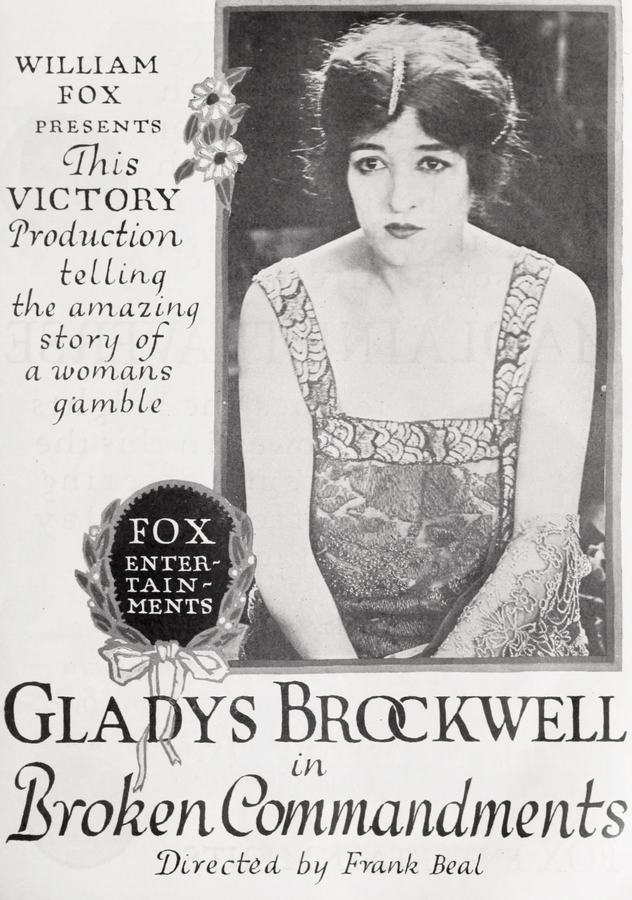
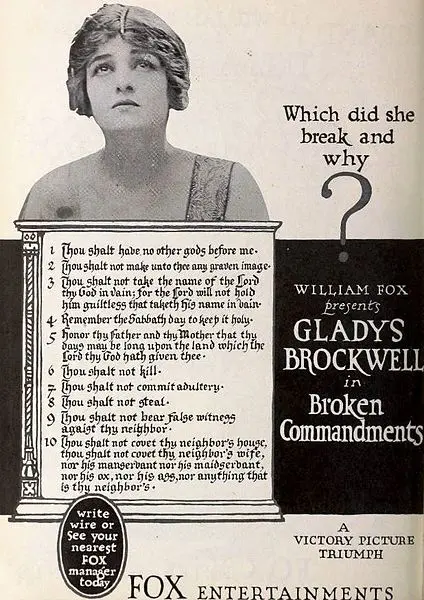
Silent cinema, often unfairly reduced to flickering caricatures and histrionic gestures, occasionally yields a work of such profound psychological density that it demands a modern re-evaluation. The Broken Commandments (1919) is precisely such a relic—a film that navigates the treacherous waters of social stigma, the fallibility of the justice system, and the cruel caprice of fate with a sophistication that belies its age. Directed with a keen eye for atmospheric tension, the film serves as a visceral exploration of how the 'commandments' of society are often fractured by the very institutions designed to uphold them. Unlike the more overt moralizing found in The Devil's Daughter, this narrative opts for a nuanced, almost claustrophobic study of human desperation.
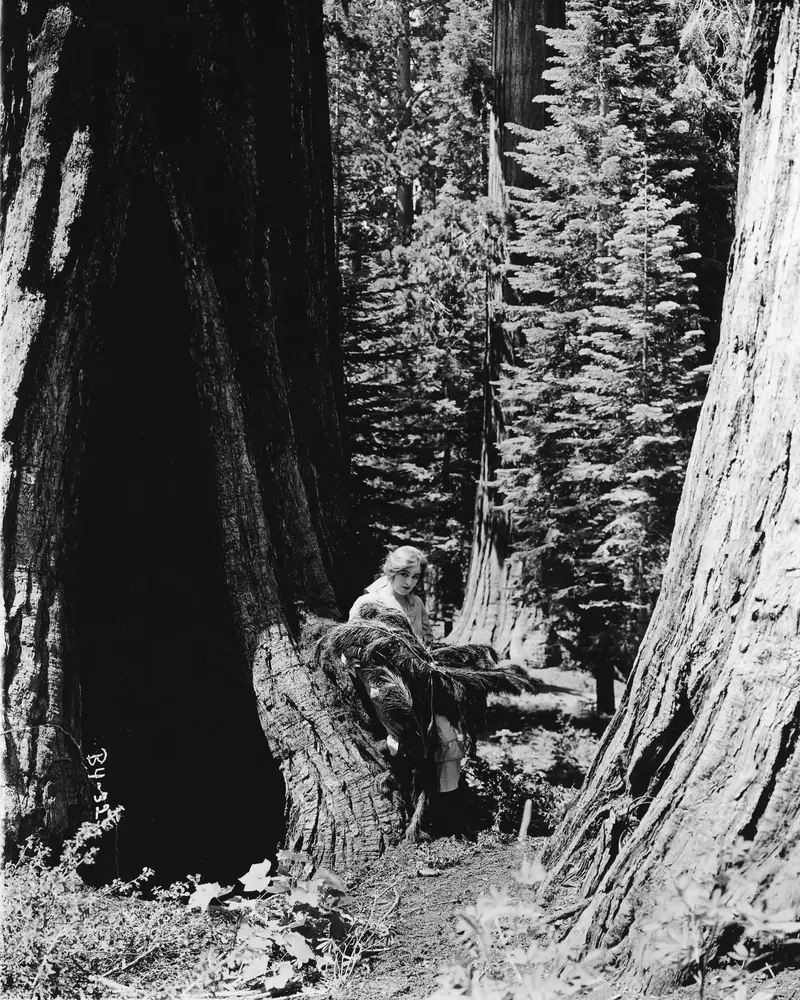
The opening sequences, set in the rugged isolation of the Babard cabin, establish a visual vernacular of vulnerability. Gladys Brockwell, as Nella, inhabits this space not as a victim, but as a creature of the wilderness whose autonomy is suddenly compromised by the arrival of the external world. When Tom Santschi’s 'Sporting Chance' Johnson enters the frame, he brings with him the stench of the prison house and the frantic energy of the hunted. The chemistry between Brockwell and Santschi is palpable, transcending the lack of dialogue through a series of lingering close-ups that capture the transition from fear to a shared recognition of their mutual marginalization. This isn't the polished romance of A Night in New Arabia; it is a gritty, desperate grappling for connection in a world that has discarded them both.
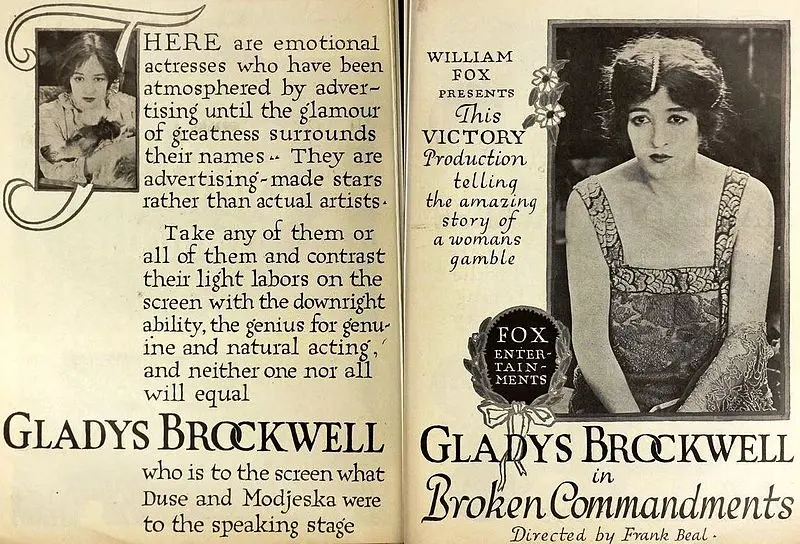
The cinematography utilizes the natural landscape to mirror the internal states of the characters. The woods are not merely a backdrop but a labyrinthine extension of Johnson’s fugitive status. When the pair 'breaks' the commandment of chastity, the film handles the moment with a surprising lack of Victorian condemnation, focusing instead on the ephemeral peace they find in each other’s arms. It is a stark contrast to the more judgmental tones found in The Auction of Virtue, suggesting that in the absence of society, a different, more primal set of laws applies.
The narrative’s second act introduces a fascinating meta-fictional layer. The writer who marries Nella represents the intellectualization of tragedy—a man who seeks to harvest the suffering of others to fuel his own creative output. This character's decision to seek out a convict for 'material' is the ultimate act of hubris, a secular breaking of a commandment regarding the sanctity of human experience. He treats Johnson not as a man, but as a specimen, unaware that the 'specimen' has already deeply altered the trajectory of his own domestic life. This thematic preoccupation with the ethics of storytelling echoes the narrative complexities of The Square Deal, yet here it feels more intimate, more dangerously personal.
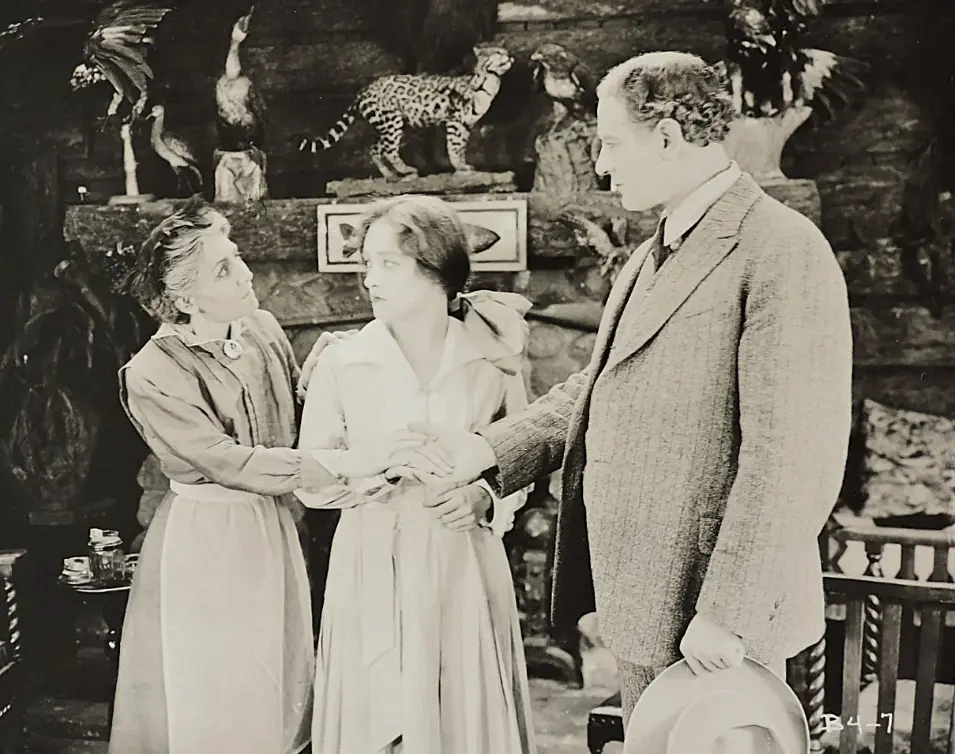
The three-year jump in the timeline allows the film to examine the slow erosion of Nella’s spirit. Brockwell’s performance becomes more restrained, her face a mask of dutiful domesticity that occasionally cracks to reveal the haunting memory of the cabin. The child, the physical manifestation of her 'sin' and her love, serves as a ticking clock in the narrative. The tension builds not through outward action, but through the proximity of secrets. When Johnson arrives at the writer’s home, the film shifts into a masterclass of suspenseful blocking and framing. We see the three characters in the same space, yet they inhabit entirely different realities, a technique that recalls the high-stakes drama of The Fatal Card.
Tom Santschi, often cast in more rugged, action-oriented roles, brings a surprising pathos to 'Sporting Chance' Johnson. His character's name is a bitter irony; he has never been given a fair chance by the law, yet he maintains a core of nobility that makes his eventual return all the more poignant. His interactions with the daughter he doesn't know is his own are played with a delicate touch, avoiding the saccharine pitfalls that often plagued silent dramas like Wild Oats. Santschi’s physicality—the way he carries the weight of the prison years in his shoulders—contrasts sharply with the writer’s refined, almost effete posture, highlighting the class divide that underpins the entire conflict.
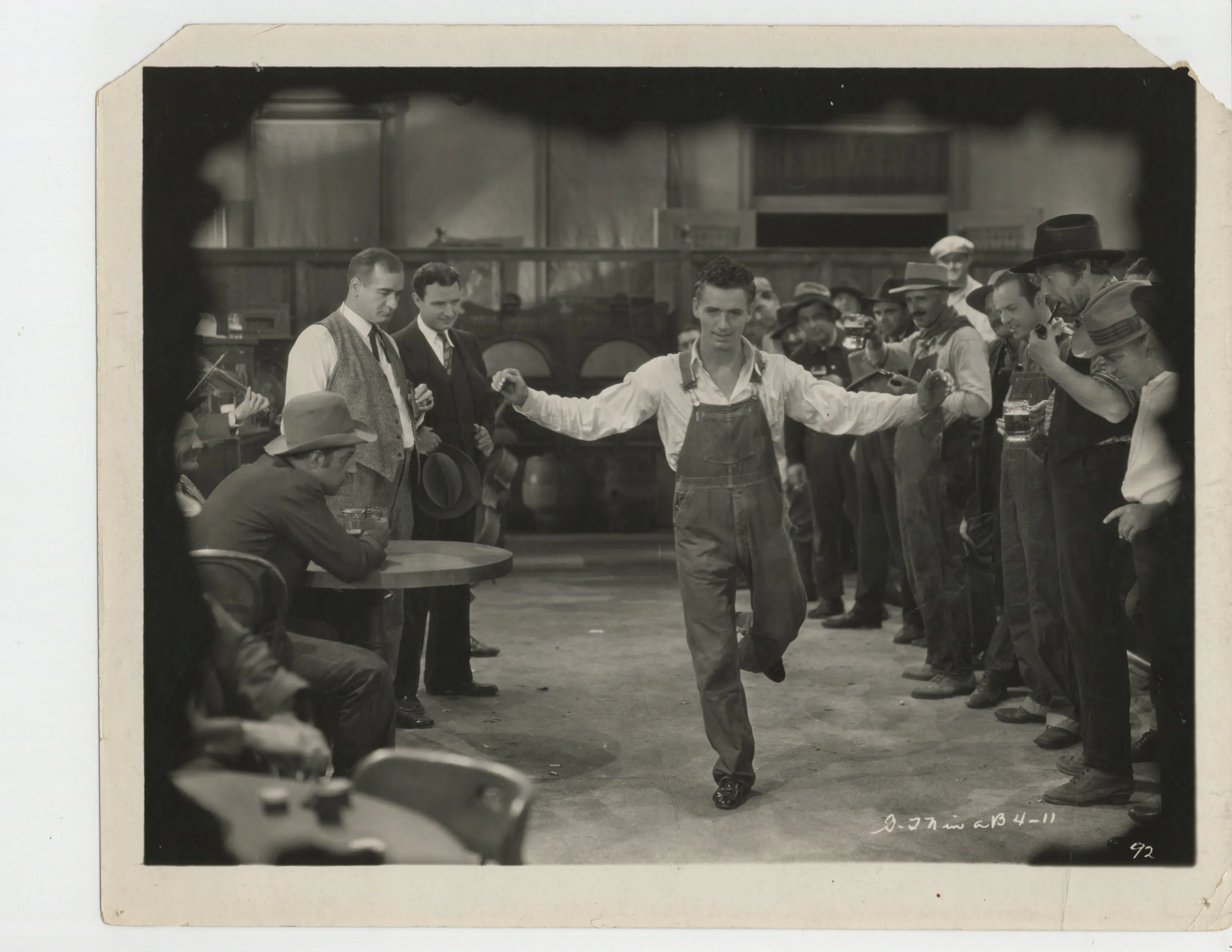
Gladys Brockwell, however, is the film's emotional anchor. Her ability to convey the transition from a naive girl to a woman burdened by a monumental secret is extraordinary. In the scene where she first recognizes Johnson in her own home, her reaction is a symphony of conflicting emotions: terror, longing, and a desperate need to protect the life she has built. This performance stands alongside the best work of the era, rivaling the intensity seen in A Woman's Fight or the tragic resonance of Her Sister. She embodies the 'Broken Commandment' not as a badge of shame, but as a scar of survival.
Produced in 1919, The Broken Commandments arrived at a crossroads in American history. The post-WWI era was grappling with shifting moral codes and a growing skepticism toward established authority. The film’s portrayal of a man wrongly imprisoned reflects a burgeoning cinematic interest in the failures of the state, a theme also explored in Convict 993 and Laws and Outlaws. By making the 'criminal' the most sympathetic character, the writers John B. Clymer and Ruth Ann Baldwin subvert the traditional morality play. They suggest that the truly 'broken' commandments are those of compassion and truth, which the legal system and the writer’s opportunistic curiosity both fail to uphold.
Furthermore, the film’s handling of Nella’s pregnancy and subsequent marriage of convenience offers a sharp critique of the limited options available to women of the period. Her marriage is portrayed not as a romantic triumph, but as a strategic retreat. This pragmatic approach to female survival is a far cry from the more fantastical resolutions found in What Happened to Jean, placing the film in a lineage of realism that includes European works like Korol Parizha or the maritime tragedies of Katastrofen i Kattegat.
Ruth Ann Baldwin’s influence on the script cannot be overstated. As one of the few prominent female voices in the early film industry, she brings a psychological interiority to Nella that is often missing from male-penned scripts of the time. The pacing of the film is deliberate, allowing the tension to simmer before reaching a boiling point. Unlike the episodic nature of Lady Mackenzie's Big Game Pictures, every scene in The Broken Commandments is a vital brick in the construction of its inevitable climax. The use of lighting to differentiate between the 'civilized' world of the writer’s study and the 'primal' world of the cabin is a subtle but effective tool that guides the audience’s emotional response.
The climax itself, which I shall not spoil in its entirety, avoids the easy moral resolutions of its contemporaries. It is a messy, painful, and deeply human conclusion that leaves the viewer questioning the nature of justice. It shares more DNA with the cynical undertones of The Devil's Pay Day than with the standard 'happily ever after' tropes of the late 1910s. The film acknowledges that while commandments can be broken, the fragments remain, sharp and capable of drawing blood long after the initial transgression.
In the final analysis, The Broken Commandments stands as a testament to the power of silent storytelling. It is a film that rewards close attention, revealing layers of meaning with each subsequent viewing. It challenges the viewer to look beyond the surface of 'sin' and 'crime' to see the human beings trapped within those labels. For anyone interested in the evolution of cinematic narrative, or for those who simply appreciate a well-wrought drama that refuses to pull its punches, this film is an essential watch. It is a haunting reminder that our pasts are never truly buried; they are merely waiting for the right moment to walk through the front door and demand a seat at the table.
Final Verdict: A haunting, intellectually rigorous exploration of fate and the fragility of social norms.
IMDb 4.6
1931
Community
Log in to comment.