DbcultAccessing Vault...
6.8/10
Senior Film Conservator
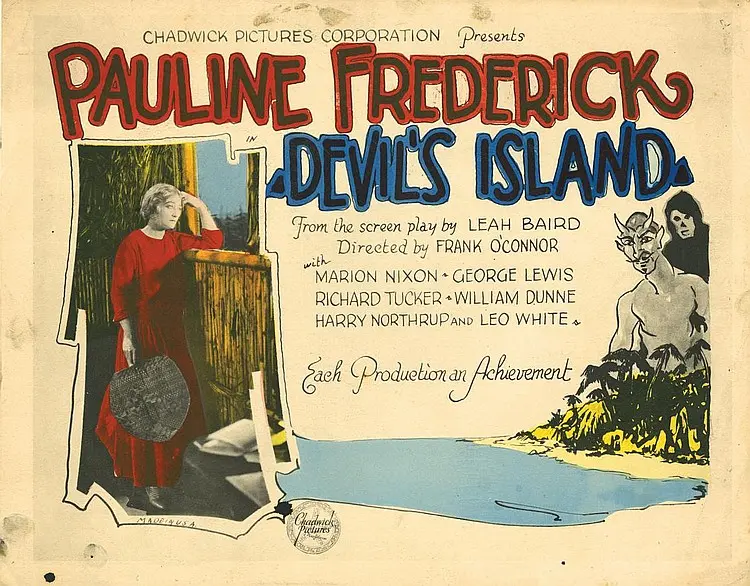
A definitive 6.8/10 rating for a film that redefined the boundaries of cult cinema. Devil's Island remains a cornerstone of transgressive art.
Is 'Devil's Island' worth watching today? Short answer: yes, but with significant caveats that speak directly to its age and the storytelling conventions of its era. This film is primarily for ardent cinephiles, historians of early cinema, and those fascinated by the foundational narratives of injustice and survival. It is decidedly not for viewers seeking modern pacing, nuanced character development, or high-fidelity restoration, as many prints available will reflect the passage of time.
For those who approach it with the right historical lens, 'Devil's Island' offers a compelling, if somewhat melodramatic, window into a bygone cinematic world. It’s an exercise in patience and appreciation for the roots of dramatic storytelling.
The core premise of 'Devil's Island' is as timeless as it is potent: the wrongful accusation and subsequent brutalization of an innocent man by a flawed system. Here, our protagonist is a Parisian surgeon, a man of standing and skill, whose fall from grace is swift and devastating. The journey from the opulent salons of Paris to the stark, unforgiving shores of a penal colony is designed to be jarring, a stark visual and thematic contrast that defines much of the film’s emotional landscape.
The film works because it taps into a primal fear of injustice and the loss of freedom. The starkness of the penal colony, even through the lens of early cinema, is conveyed with an almost documentary-like grimness, particularly in its depiction of the forced labor and the hierarchical brutality among prisoners and guards. It’s a powerful exploration of human resilience in the face of overwhelming odds.
This film fails because its early cinematic roots mean that character motivations can often feel broad-stroked, and the emotional beats are frequently telegraphed with a heavy hand. The melodrama, while characteristic of the period, can feel excessive to contemporary viewers, occasionally undermining the genuine pathos of the protagonist's plight.
You should watch it if you have a genuine interest in the evolution of cinematic drama, particularly films that tackled social issues and the darker aspects of human experience long before such themes became commonplace. It's a foundational text for understanding the penal colony subgenre.
The ensemble cast, featuring names like Tom Mintz, William R. Dunn, and Marian Nixon, navigates the dramatic demands of the narrative with the distinct performance styles of the silent era. Tom Mintz, as the unjustly imprisoned surgeon, carries the weight of the film on his shoulders. His portrayal is earnest, conveying the character’s initial shock, despair, and eventual resolve primarily through exaggerated facial expressions and body language—a necessity in a medium without spoken dialogue.
While Mintz carries the film with admirable conviction, one might argue his performance occasionally veers into the overly theatrical, a common pitfall of the era but one that still dates the film. There are moments of genuine poignancy, particularly when he silently reflects on his lost life, but these are often punctuated by broader gestures intended to convey extreme emotion. It's a performance that demands an understanding of its historical context.
William R. Dunn, often playing the antagonist or a figure of authority, likely embodies the harshness of the prison system with a stoic or overtly cruel demeanor. The supporting cast, including Marian Nixon, often serves to highlight the protagonist's suffering or to provide a glimmer of hope or a further obstacle. Nixon’s role, typical for the era, might involve suffering alongside the hero or being a catalyst for his redemption or further torment. These roles, while perhaps lacking the psychological depth we expect today, were crucial in driving the plot forward and evoking strong emotional responses from contemporary audiences.
The true star here isn't any single actor, but the sheer, oppressive architecture of the penal colony itself – a character rendered more effectively than some of its human counterparts, thanks to the production's commitment to its grim aesthetic.
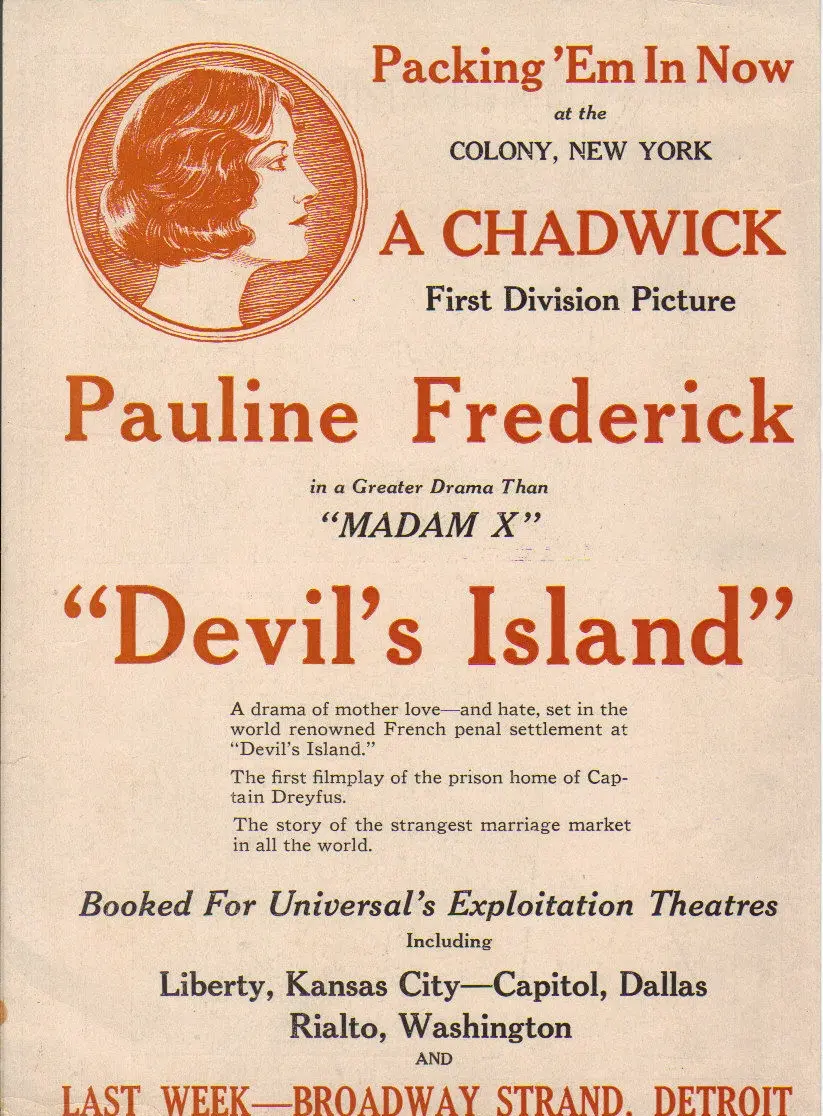
The filmmakers, working from Leah Baird's script, demonstrate a clear understanding of visual storytelling, essential for silent cinema. The contrast between the pre-imprisonment scenes of Parisian elegance and the stark, desolate landscapes of the penal colony is handled with effective, if sometimes rudimentary, cinematography. Wide shots emphasize the isolation and scale of the prison, while closer shots focus on the individual suffering and the physical toll of incarceration.
There's a palpable effort to convey the brutality of the environment. While special effects were limited, the use of practical sets and the sheer number of extras likely contributed to the sense of a harsh, overcrowded existence. The direction, while not groundbreaking by today's standards, is competent and serves the narrative well, ensuring that the audience grasps the severity of the protagonist's plight without relying on dialogue.
One particular strength lies in the visual depiction of labor. The scenes of prisoners toiling under the watchful eyes of guards are repetitive, yes, but intentionally so, designed to convey the soul-crushing monotony and physical exhaustion. It's a simple technique, but effective in building empathy for the protagonist's struggle. The visual language is direct; there is little room for subtlety, which is both a strength and a weakness of early cinematic narrative.
'Devil's Island' unfolds with a pacing that will feel deliberate, even slow, to modern viewers accustomed to rapid-fire editing and constant narrative propulsion. This measured pace, however, allows for a deeper immersion into the protagonist's suffering and the relentless nature of his punishment. The film takes its time to establish the injustice, to depict the journey, and to dwell on the daily tribulations within the colony.
The tone is overwhelmingly somber, punctuated by moments of intense melodrama. Hope is a scarce commodity, making any glimmer of it all the more impactful. This tonal consistency ensures the audience remains invested in the dire circumstances, even if the emotional expression can feel overwrought at times. It’s a film that demands emotional investment, and it earns it through sheer persistence of suffering.
Comparing it to more contemporary prison dramas, 'Devil's Island' lacks the psychological complexity or the gritty realism that later films would achieve. Yet, it lays down many of the narrative blueprints. For instance, while it may not have the nuanced character arcs of something like 'The Salvation Hunters', it shares a similar commitment to portraying hardship and desperation, albeit in a more overtly dramatic fashion. The film is a product of its time, and its enduring value lies in its historical significance as much as its intrinsic storytelling.
It works. But it’s flawed. The moments of genuine tension and despair are powerful, but they are interspersed with sequences that linger a little too long, or rely on a visual shorthand that requires a specific cultural literacy from the audience.
Yes, 'Devil's Island' is worth watching for specific audiences. If you are a student of early cinema, a film historian, or someone deeply interested in the origins of social commentary in film, this is a valuable watch. It provides a stark, if melodramatic, look at judicial injustice and human endurance through the lens of a bygone era. For casual viewers seeking modern entertainment or fast-paced narratives, it might be a challenging experience due to its silent film conventions and deliberate pacing. Its historical significance and thematic ambition are its primary draws.
'Devil's Island' is a fascinating artifact of early cinema, a testament to the enduring power of a simple, compelling story of human suffering and perseverance. While it demands a certain level of appreciation for its historical context and the performance conventions of the silent era, its core narrative of a man fighting against an unjust system still resonates. It’s not a film for everyone, and it certainly won't satisfy those looking for a slick, modern production.
However, for the discerning viewer willing to look past its dated elements, 'Devil's Island' offers a valuable glimpse into the origins of cinematic drama and the powerful ways filmmakers once tackled weighty themes. It’s a stark reminder of where film has come from, and a solid, if sometimes unwieldy, entry in the pantheon of early social dramas. Give it a watch if you're prepared for an exercise in cinematic archaeology; you might just find a compelling, if imperfect, gem.

IMDb 5.1
1934
Community
Log in to comment.