DbcultAccessing Vault...
Cult Review
Senior Film Conservator
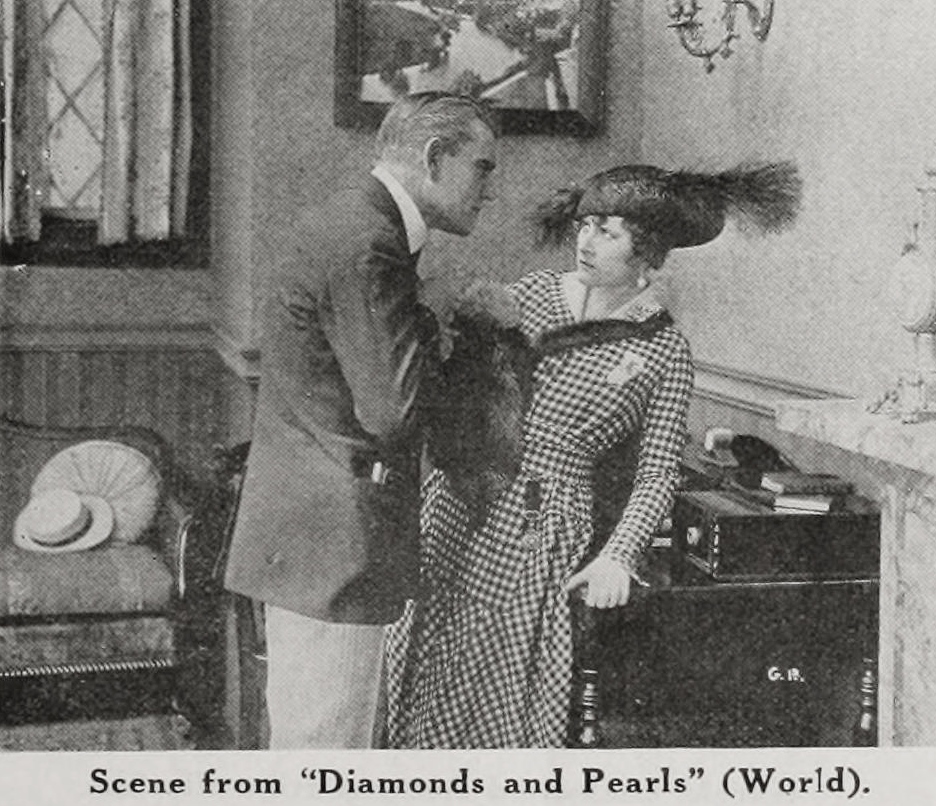
Step into the shimmering, often treacherous, world of early 20th-century melodrama with Diamonds and Pearls, a cinematic offering from 1918 that, even a century later, retains a potent grip on the human condition. This silent drama, penned by the insightful Adeline Leitzbach, is far more than a simple morality play; it's a nuanced exploration of desire, consequence, and the thorny path to redemption. At its heart lies Violetta D'Arcy, a woman whose aspirations for a life of glittering luxury lead her down a perilous rabbit hole, forcing audiences to confront uncomfortable truths about societal pressures and personal choices.
The narrative unfurls with the seemingly innocuous decision of Violetta to reject the heartfelt proposal of Jack Harrington. Her rationale is brutally pragmatic: Jack, in her estimation, lacks the financial wherewithal to provide the opulent existence she craves. Instead, she casts her lot with the decidedly wealthier Robert Van Ellstrom, believing that material comfort will equate to happiness. This foundational choice, driven by a deeply ingrained materialism, sets in motion a cascade of events that are both tragic and, in their own way, profoundly illuminating. It’s a classic setup that speaks volumes about the era's anxieties concerning class mobility and the allure of wealth, themes echoed in other contemporary works that pitted genuine affection against mercenary ambition.
Yet, even Robert's considerable fortune proves insufficient to satiate Violetta's burgeoning gambling addiction. This is where the film truly begins to delve into the corrosive nature of unchecked desire. Her escalating debts force her into increasingly desperate measures, first by clandestinely pawning her sister-in-law's invaluable jewels – an act that is not merely a financial transgression but a profound betrayal of familial trust and a symbolic stripping away of her own integrity. This act of quiet desperation is quickly followed by a far more dangerous liaison: accepting money from Harrington Sr., Jack's father, a man whose offer of financial assistance comes with a thinly veiled demand for social ascension and, more disturbingly, an expectation of Violetta's personal favor. This transaction, a true Faustian bargain, casts a long, dark shadow over Violetta's already compromised moral landscape.
The character of Violetta D'Arcy, brought to life with compelling intensity by Katherine Johnston, is a fascinating study in self-deception and tragic aspiration. She is not merely a villain, but a woman trapped by her own desires and societal expectations, a figure who evokes both condemnation and a degree of empathy. Her initial choice, while seemingly cold-hearted, is presented as a logical (if flawed) decision within her worldview. As her circumstances unravel, Johnston masterfully conveys Violetta's descent into desperation, her eyes often betraying a haunted quality that speaks volumes even in the absence of dialogue. It's a performance that holds up remarkably well, showcasing the power of physical acting in the silent era, much like the nuanced portrayals seen in melodramas such as The Cheat, where moral ambiguity drives the central character's fate.
In stark contrast to Violetta’s spiraling choices is Robert Van Ellstrom, portrayed with an unwavering dignity by Milton Sills. Robert embodies the steadfast, almost saintly, husband who remains devoted despite his wife's escalating transgressions. His character serves as the moral anchor of the film, a beacon of unconditional love and forgiveness in a sea of greed and deceit. It is Robert who intervenes when Harrington Sr.'s predatory advances towards Violetta finally cross a line, leading to a violent confrontation that forms the film’s shocking climax. Sills’ performance is subtle yet powerful, conveying a depth of feeling through his expressions and gestures that transcends the limitations of silent film. He projects a quiet strength, a man whose love is not blind but enduring, offering a glimmer of hope amidst the encroaching darkness.
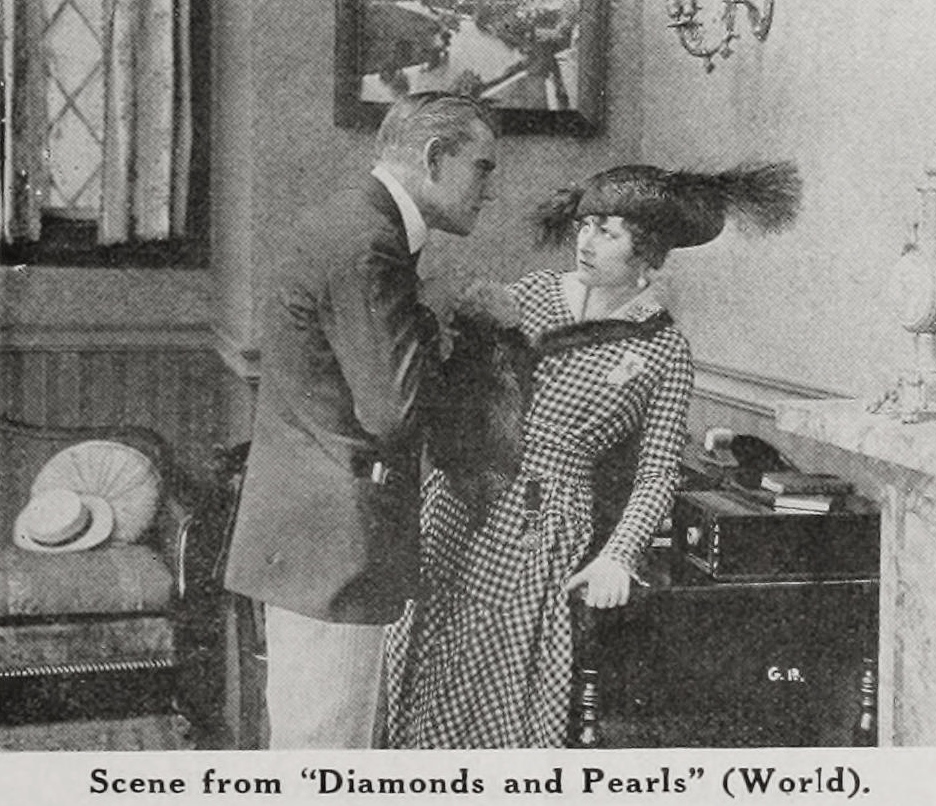
The tragic figure of Jack Harrington, played by Edmund Burns, is the innocent casualty in this web of deceit. His initial rejection by Violetta sets the stage for his father's later involvement, creating a perverse and tragic irony. During the furious struggle between Robert and Harrington Sr., Jack is accidentally shot in the arm. This pivotal moment, a visceral shock, underscores the destructive ripple effect of Violetta’s earlier choices. It is a moment of profound and unscripted violence, reminiscent of the dramatic confrontations in films like The Crime of the Camora, where personal vendettas explode into devastating public consequences. The elder Harrington, believing he has killed his own son, is immediately consumed by an unbearable guilt, leading him to take his own life. George MacQuarrie’s portrayal of Harrington Sr. is suitably menacing, a man whose wealth has corrupted his moral compass, turning him into a manipulative and ultimately self-destructive force.
The film’s thematic richness extends beyond individual characters to societal critique. Diamonds and Pearls serves as a stark commentary on the intoxicating, yet ultimately hollow, pursuit of material wealth. The jewels themselves, initially symbols of status and beauty, become instruments of Violetta's downfall – pawned, traded, and associated with moral compromise. This duality is central to the film's title: are diamonds truly beautiful, or do they merely represent the hardened, unfeeling pursuit of status? Are pearls, often associated with purity and natural beauty, an unattainable ideal in this gilded cage? The film deftly explores how easily wealth can corrupt, how social climbing can lead to moral degradation, and how the facade of respectability can crumble under the weight of hidden vices. This exploration of moral decay through material obsession resonates with the undercurrents of films like Fruits of Desire, which similarly dissected the perilous consequences of unchecked longing.
The directorial choices, while characteristic of the silent era, are effective in building tension and conveying emotion. The reliance on exaggerated facial expressions and grand gestures, common for the time, is expertly handled by the cast. Frances Miller, Henrietta Simpson, Kitty Gordon, Curtis Cooksey, and Charles Dungan, though in supporting roles, contribute to the film's rich tapestry of characters, each adding a layer to the intricate social dynamics. The pacing, though perhaps slower than modern audiences are accustomed to, allows for a deliberate unfolding of the moral dilemma, giving weight to each decision and its ensuing consequence. The cinematography, while basic by today's standards, uses light and shadow to great effect, particularly in moments of despair and confrontation, enhancing the melodramatic tone. The stark contrasts create a visual language that underscores the film's central conflicts.
The film reaches its emotional crescendo when a despondent and utterly ashamed Violetta, overwhelmed by the catastrophic fallout of her actions, attempts to drown herself. This act of self-annihilation is a profound statement on the psychological toll of her choices, a desperate plea for oblivion. However, in a moment of cinematic grace and profound love, Robert intervenes, pulling her from the water and taking her into his arms. This final embrace is not a simple happy ending, but rather a complex tableau of forgiveness, redemption, and the enduring power of human connection. It suggests that even after the most egregious errors, there remains a path, however difficult, towards healing and atonement, especially when bolstered by unconditional love. This poignant resolution, emphasizing personal growth and the resilience of relationships, offers a powerful counterpoint to the more cynical endings often found in morally ambiguous tales.
As a product of its time, Diamonds and Pearls stands as a compelling example of silent era melodrama, showcasing its capacity for intricate storytelling and deep emotional resonance. Adeline Leitzbach’s screenplay is particularly commendable for its layered approach to character and theme, avoiding simplistic good-versus-evil dichotomies in favor of a more nuanced exploration of human fallibility. The film's examination of societal pressures, the seductive danger of materialism, and the redemptive power of love and forgiveness ensures its continued relevance. It reminds us that while the trappings of wealth may glitter, true value lies in integrity, compassion, and the unwavering bonds forged through adversity. Much like other silent classics that probed the human psyche, such as A Man's Making, this film offers a window into the moral landscape of an earlier era while posing questions that remain pertinent today. It asks us to consider the true cost of our desires and the enduring strength required to pick up the pieces when those desires lead us astray.
The performances, particularly from Katherine Johnston and Milton Sills, elevate the material beyond mere spectacle, grounding the dramatic events in believable human emotion. Their ability to convey such profound inner turmoil and unwavering devotion without spoken words is a testament to their craft and the expressive power of silent film. The film’s lasting impression is one of a cautionary tale woven with threads of hope, a reminder that while diamonds may symbolize eternal value, it is the more fragile, yet equally precious, pearls of human connection and moral fortitude that ultimately define us. Its narrative arc, moving from ambition to despair to a glimmer of potential redemption, remains a timeless exploration of the human heart's complex journey through temptation and consequence. It urges viewers to look beyond superficial glitter and recognize the profound, often quiet, strength found in genuine affection and moral courage. This is not just a film for historians; it is a vital piece of cinematic heritage that speaks to the perennial struggles of the human spirit, a testament to the power of storytelling that transcends time and evolving cinematic techniques. The final scene, with Robert holding Violetta, is not just a resolution but an open question, inviting us to ponder the true meaning of forgiveness and the hard-won peace that follows profound suffering, solidifying Diamonds and Pearls as a compelling and resonant work.
IMDb 5.7
1937
Community
Log in to comment.