DbcultAccessing Vault...
5.9/10
Senior Film Conservator
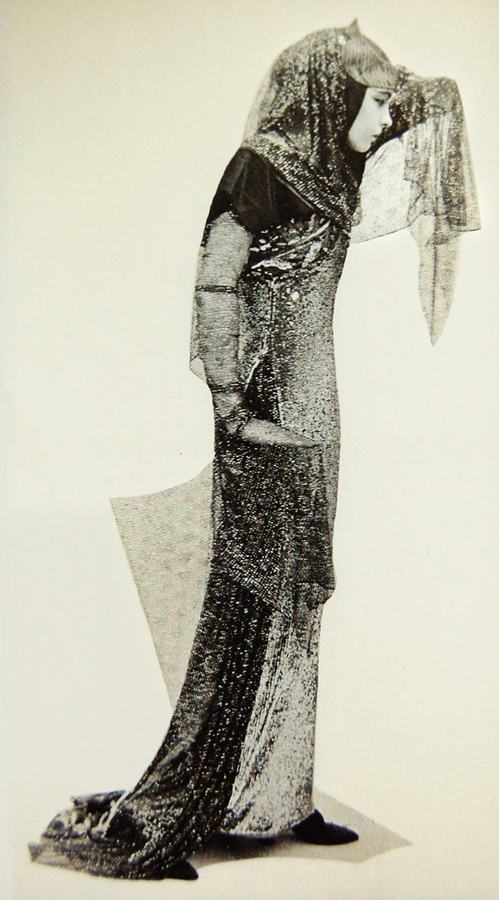
A definitive 5.9/10 rating for a film that redefined the boundaries of cult cinema. Diane of the Follies remains a cornerstone of transgressive art.
There's a certain audacious charm to silent cinema's grand narratives, a boldness in their exploration of human nature that often transcends the spoken word. D.W. Griffith’s Diane of the Follies stands as a testament to this, presenting a story less about simple romance and more about a deeply flawed, almost hubristic, sociological experiment. At its core lies Phillips Christy, portrayed by Allan Sears, a man of considerable wealth and academic pretension. Christy, a fervent adherent to the then-fashionable theory of environmental determinism, believes that character is merely a malleable construct, entirely shaped by one’s surroundings. His conviction isn't merely intellectual; it becomes an active pursuit, a grand design to prove his hypothesis through a living, breathing subject.
Enter Diane, the effervescent showgirl from the Follies, brought to life with an incandescent vulnerability by the incomparable Lillian Gish. She is the antithesis of Christy's staid, privileged world – vibrant, uninhibited, a creature of pure stagecraft and instinct. For Christy, Diane is not a woman to be loved for who she is, but a blank canvas, an opportunity to validate his theory. He envisions plucking her from the dazzling, albeit 'unrefined,' milieu of the Follies and meticulously molding her into his ideal of 'cultured' and 'sophisticated' womanhood. This premise, in itself, is a fascinating delve into the societal prejudices and intellectual arrogance of the era, mirroring the rigid class structures and aspirational quests seen in films like The Boundary Rider, but with a unique, almost scientific, detachment.
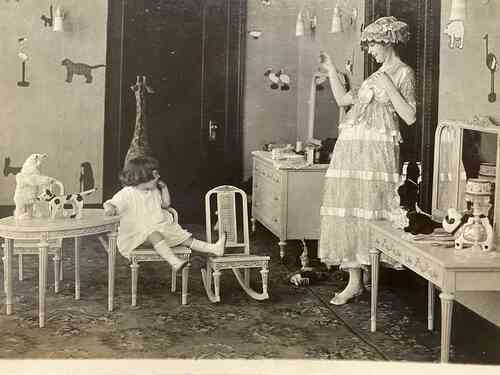
Lillian Gish, even in this relatively early stage of her illustrious career, demonstrates an astonishing command of her craft. Her Diane is not a caricature of the Follies girl but a nuanced portrait of a woman caught between worlds. Gish's expressive face, a conduit for myriad emotions, allows us to witness Diane's initial bewilderment, her cautious optimism, and eventually, her profound inner conflict. We see the sparkle in her eyes under the stage lights, the genuine warmth she exudes, and later, the quiet struggle as she attempts to conform to Christy's rigid expectations. Her performance is a masterclass in silent acting, conveying entire psychological landscapes with a mere tilt of the head or a subtle shift in gaze. She embodies the film’s central question: can the spirit truly be 'trained' out of a person?
The transformation Diane undergoes is not merely external, though we do see her shed her flamboyant stage costumes for more demure, high-society attire. Gish ensures that the audience feels the weight of this metamorphosis, the subtle erosion of her authentic self. It’s a performance that resonates with the quiet dignity seen in her later, more celebrated roles, suggesting an innate strength beneath the veneer of vulnerability. Her portrayal elevates the film beyond a simple romantic drama, imbuing it with a poignant commentary on identity and societal pressures. In a cinematic landscape often dominated by broader strokes, Gish's fine-grained artistry is a beacon, proving that even without dialogue, the human soul can be laid bare with breathtaking clarity. Her ability to project both innocence and an underlying resilience makes Diane an unforgettable figure, far more than just a subject for Christy's academic pursuits.
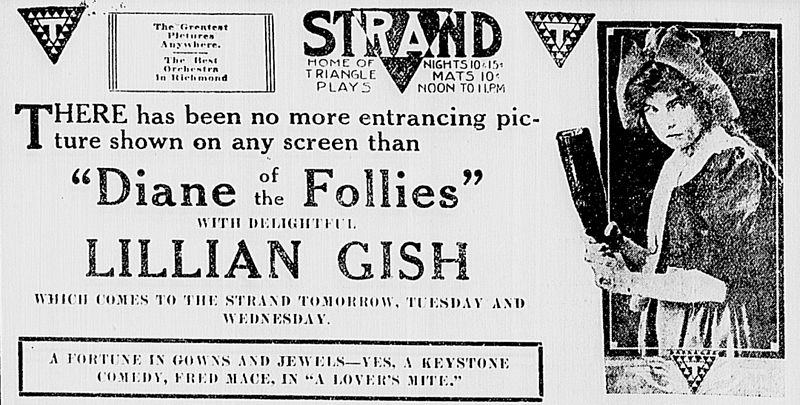
Phillips Christy's character is a fascinating study in intellectual arrogance. He approaches love not as an emotional connection but as a controlled experiment. His conviction that he can simply 'mold' Diane into his ideal of sophistication is born from a potent cocktail of privilege and a perhaps misguided faith in his own intellect. He represents the detached, analytical gaze of a certain scientific disposition, one that often overlooks the irreducible complexities of human emotion and individual spirit. The film meticulously sets up this conflict: the vibrant, spontaneous world of the Follies, where authenticity, even if performative, reigns supreme, against the sterile, constrained environment of Christy’s upper-crust society, where decorum often trumps genuine feeling.
The narrative deftly explores the inherent tension between nature and nurture, a philosophical debate that continues to captivate. Christy believes nurture is all-powerful, capable of erasing a past and forging a new identity. Yet, Diane's innate spirit, her genuine warmth and vivacity, frequently attempts to surface, clashing with the rigid expectations placed upon her. This internal struggle is the beating heart of the film. The subtle hints of her former life, the memories she cherishes, and the innate goodness that cannot be entirely suppressed by etiquette lessons or refined company, all serve to undermine Christy's grand theory. It’s a compelling argument against reductionist views of humanity, suggesting that some essence of self remains immutable, regardless of external conditioning. This theme of inherent character battling external influence finds echoes in other period dramas, such as The Beloved Vagabond, which similarly explores the persistence of a free spirit against societal constraints.
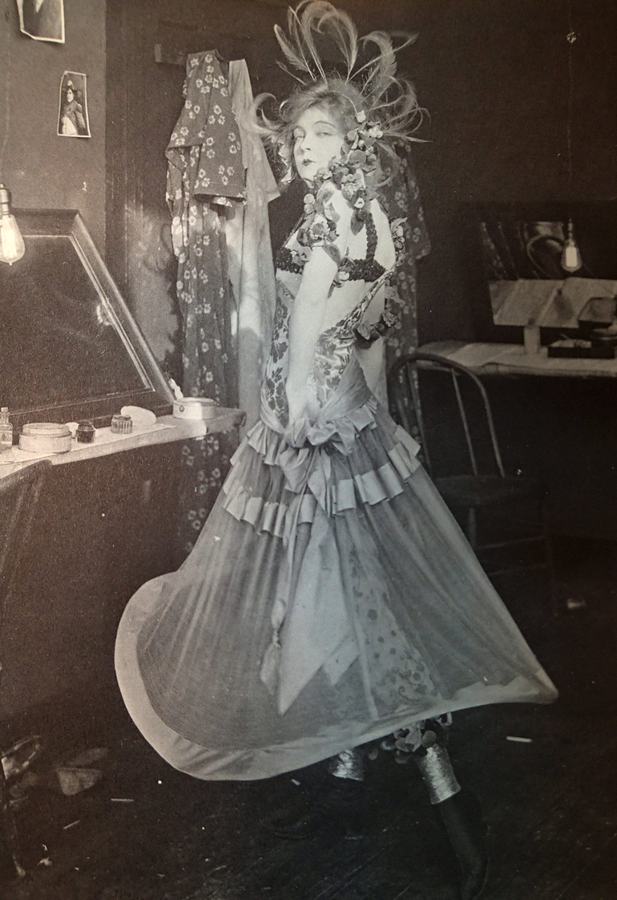
The intervention of fate, as the plot synopsis suggests, is not merely a convenient plot device but a necessary disruption to Christy's carefully constructed world. It serves as a powerful reminder that life, unlike a laboratory experiment, is messy, unpredictable, and often beyond human control. This external force doesn't just put a 'crimp in his plans'; it shatters the illusion of his mastery over human destiny. It forces both Christy and Diane to confront realities that transcend their initial, naive assumptions about love, identity, and social mobility. The film, through this intervention, subtly argues that genuine connection and understanding arise not from manipulation or intellectual conceit, but from an acceptance of individual autonomy and the unpredictable currents of the human heart.
D.W. Griffith, a titan of early cinema, directs Diane of the Follies with his characteristic blend of melodramatic flair and groundbreaking technique. His use of close-ups, particularly on Gish's face, is masterful, drawing the audience into her emotional world with an intimacy rarely achieved at the time. The visual storytelling is rich, contrasting the opulent, sometimes gaudy, spectacle of the Follies with the restrained, almost austere, elegance of Christy's mansion. Griffith understands the power of visual metaphor, using settings to underscore the psychological and social divides between the characters. The pacing, while reflective of the era's cinematic conventions, allows moments of quiet introspection to breathe, interspersed with dramatic flourishes that drive the narrative forward. While perhaps not as overtly epic as some of his better-known works, this film showcases Griffith's enduring ability to craft compelling human drama.
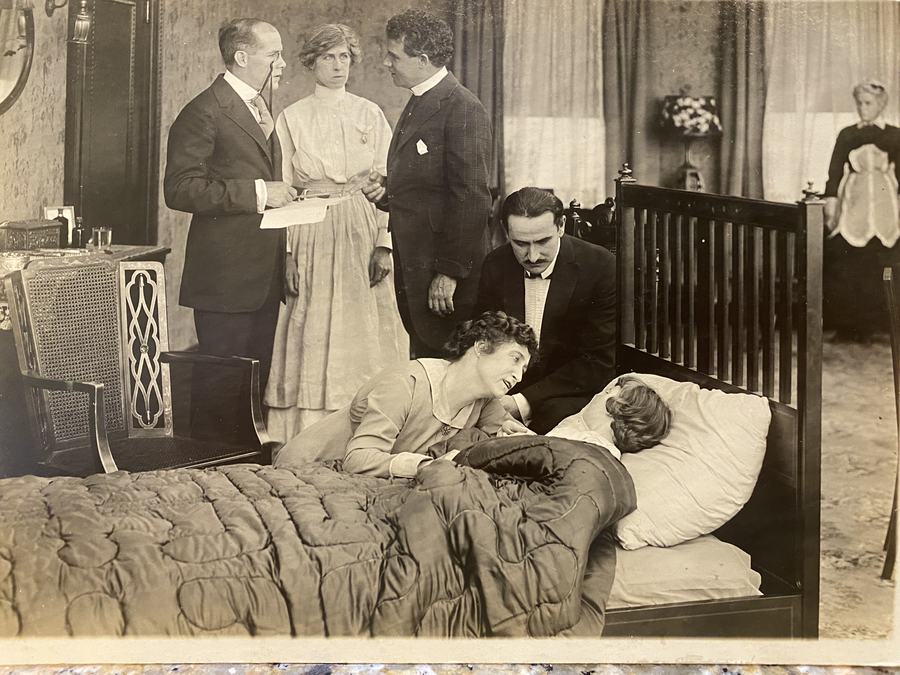
The supporting cast, though often overshadowed by Gish's luminous presence, provides a solid foundation for the story. Allan Sears as Phillips Christy manages to convey both the character's intellectual conviction and his underlying naivety, making him a complex, if sometimes frustrating, figure. His journey of realization, though gradual, feels earned. William De Vaull, Clara Morris, and others in smaller roles contribute to the atmospheric authenticity of both the Follies and the high society milieu. Even background players like Grace Heins and Helen Wolcott add to the rich tapestry of the film's world, ensuring that the environments Christy so believes in feel lived-in and real. This collective effort, under Griffith's precise direction, ensures that the film's philosophical underpinnings are explored not just through the leads, but through the entire social fabric depicted.
The film's exploration of societal expectations and the difficulty of transcending one's perceived station resonates with themes seen in other silent era productions, such as The House of Tears, which often grappled with the constraints placed upon women in particular. Griffith, through the screenplay he penned, delves into these societal nuances with a keen eye, exposing the hypocrisy and superficiality that can exist beneath the veneer of 'culture.' The Follies, often dismissed as mere entertainment, is shown to possess its own form of honesty and camaraderie, perhaps more genuine than the polite artifice of the upper classes. This contrast is not merely aesthetic but serves to deepen the film's critique of Christy's deterministic worldview.
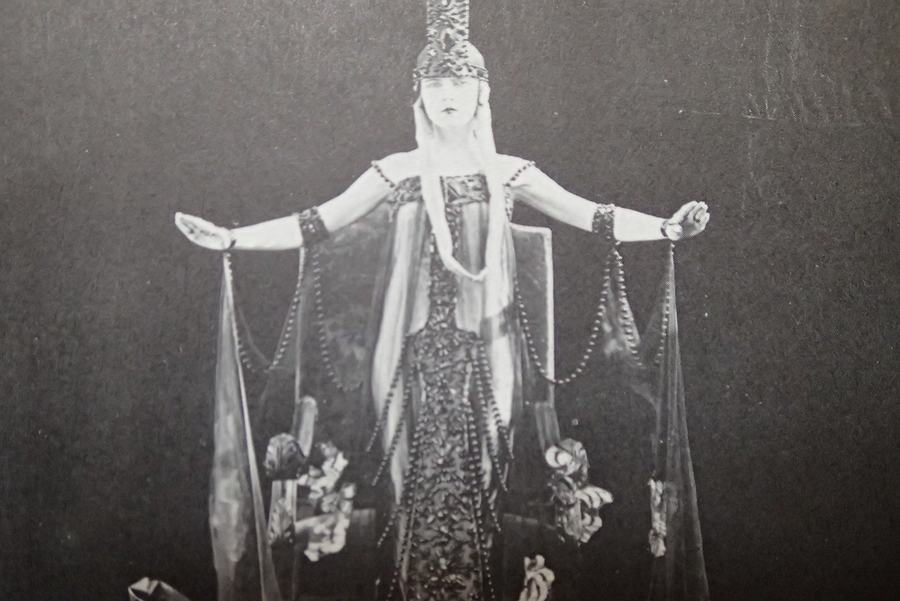
What makes Diane of the Follies endure is its timeless commentary on identity and the elusive nature of authenticity. In an era fascinated by social engineering and class mobility, the film offers a surprisingly nuanced perspective. It asks profound questions: Can love truly flourish when it's predicated on a desire to change another person? Is 'culture' something that can be imposed, or must it emanate organically from within? The film, through Diane's struggle and Christy's eventual reckoning, suggests that true connection requires an acceptance of the whole person, flaws and all, rather than an attempt to reshape them into an ideal. It’s a powerful argument for the intrinsic value of individual spirit over societal conditioning, a sentiment that resonates even more strongly in our contemporary world, where pressures to conform or reinvent oneself are ever-present.
The film's resolution, without giving too much away, avoids simplistic saccharine endings, instead opting for a more reflective conclusion that emphasizes growth and understanding. It’s not just Diane who transforms; Christy, too, undergoes a significant internal shift, forced to confront the limitations of his intellectual theories when faced with the undeniable force of human emotion and resilience. The journey they both undertake is one of mutual discovery, albeit spurred by an initially misguided premise. This complexity elevates Diane of the Follies beyond mere melodrama, positioning it as a thoughtful exploration of human relationships and the enduring power of the individual spirit. It’s a reminder that while environments certainly influence us, they rarely, if ever, completely define us. This nuanced exploration of character and circumstance sets it apart, much like the introspective quality of films such as Still Waters, which delve into the inner lives of their protagonists with remarkable depth. The subtle interplay of societal expectations and individual desires makes this film a compelling watch for anyone interested in the foundational narratives of early cinema and their lasting philosophical echoes.
Ultimately, Diane of the Follies is more than a historical curiosity; it is a vibrant, engaging piece of cinematic art that continues to provoke thought and stir emotion. Lillian Gish's performance alone is worth the watch, a luminous beacon in the nascent days of film. But the film’s lasting power lies in its courageous examination of complex human themes – class, identity, love, and the perennial debate between what we are born with and what society attempts to make of us. It’s a testament to D.W. Griffith’s enduring genius that he could craft such a resonant and intellectually stimulating narrative using the then-developing language of silent film. A true classic that deserves rediscovery and critical appreciation.
IMDb 7.3
1932
Community
Log in to comment.