DbcultAccessing Vault...
7.2/10
Senior Film Conservator
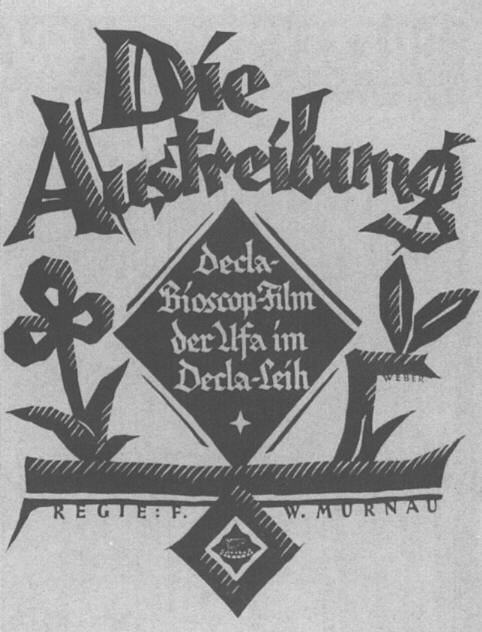
A definitive 7.2/10 rating for a film that redefined the boundaries of cult cinema. Die Austreibung remains a cornerstone of transgressive art.
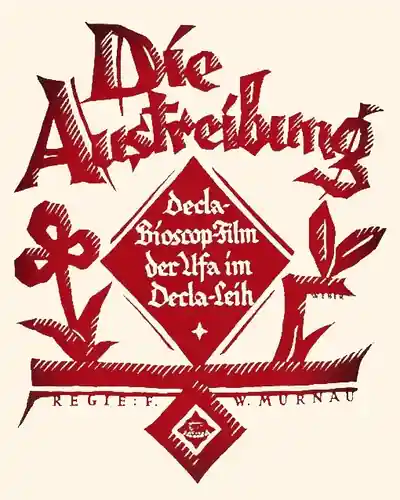
In the pantheon of Weimar-era cinema, few films capture the agonizing friction between tradition and the encroaching shadows of human fallibility with the same raw intensity as Die Austreibung. This 1923 silent opus, though often overshadowed by the more flamboyant expressionist nightmares of its contemporaries, offers a sobering, grounded look at the dissolution of a man’s world. To watch this film today is to witness a masterclass in atmospheric dread, where the landscape itself seems to conspire with the actors to articulate a sense of impending doom.
The narrative, penned by the formidable duo of Carl Hauptmann and Thea von Harbou, avoids the whimsical escapism seen in films like The Cruise of the Make-Believes. Instead, it plunges the viewer into the freezing heights of the Riesengebirge. Here, Eugen Klöpfer delivers a performance of such tectonic gravity that one can almost feel the weight of the mountain on his shoulders. He plays Steyer, a man whose life is a testament to the endurance of the peasantry, yet whose internal compass is shattered by a betrayal so intimate it feels like a physical wound.
The visual language of Die Austreibung is one of stark contrasts and claustrophobic interiors. While the mountain vistas provide a sense of scale, the true horror unfolds within the cramped, shadow-drenched rooms of the farmhouse. The cinematography utilizes the light to carve out the characters' faces, making every furrowed brow and trembling lip a landscape of its own. Unlike the urban sophistication found in The Social Secretary, this film finds its power in the primitive and the unadorned.
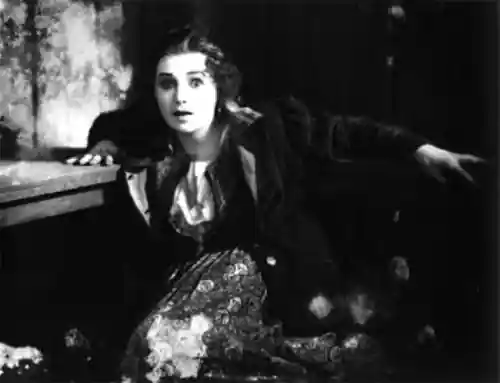
Thea von Harbou’s influence is palpable here. Known for her ability to weave grand ideological themes into personal narratives, she crafts a story where the expulsion from the home is not just a legal or social transaction, but a cosmic injustice. The script treats the farm as a living entity, a character in its own right that is being slowly strangled by the greed of those who do not understand its soul. This isn't the stylized, almost theatrical villainy of The Witch Woman; it is the banality of evil practiced by those closest to us.
Klöpfer’s portrayal of Steyer is a monumental achievement in silent acting. He does not rely on the exaggerated gesticulation that defined much of the era's output. Instead, his performance is one of stillness and sudden, explosive bursts of grief. When he realizes that his second wife has not only betrayed his heart but has conspired to strip him of his land, the collapse is internal. We see the light leave his eyes long before he actually walks away from the property. It is a study in the erosion of dignity that rivals the pathos found in A Mother's Sin, though perhaps with a more nihilistic edge.
William Dieterle, playing the lover, provides a sharp, predatory contrast to Klöpfer’s sturdiness. Dieterle brings a modern, almost restless energy to the screen, representing the disruptive forces that threaten the traditional agrarian lifestyle. His presence in the farmhouse is like a toxin, slowly poisoning the well of familial loyalty until nothing remains but the bitter dregs of resentment. This clash between the old world and the new is a recurring motif in 1920s cinema, yet rarely is it handled with such unsentimental precision.
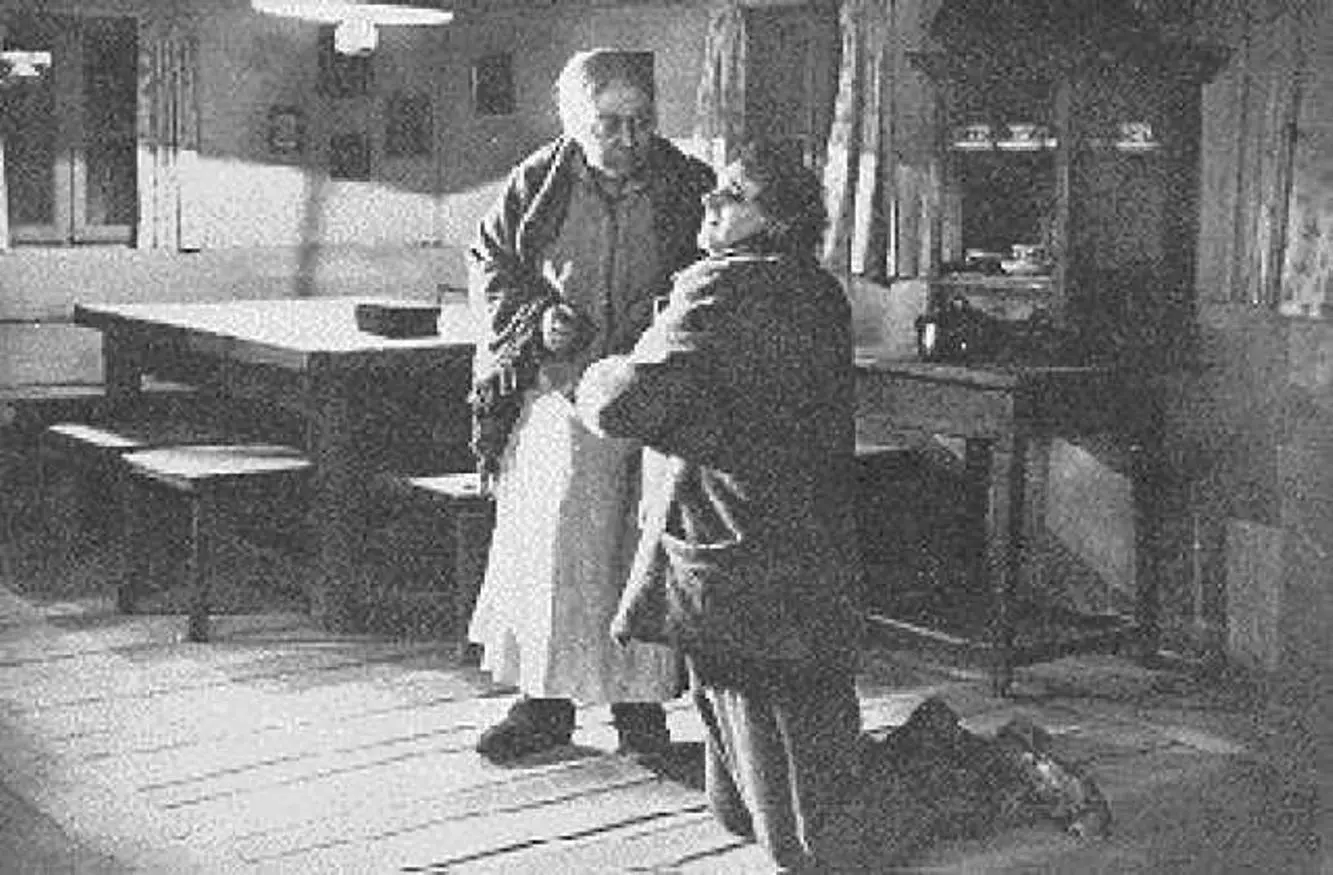
When we look at Die Austreibung through the lens of its contemporaries, its unique position becomes even clearer. While Posledniy patron might deal with themes of authority and conflict, it lacks the domestic intimacy that makes Steyer’s downfall so harrowing. Similarly, the film stands in stark opposition to the adventurous spirit of The Westerners. In the American West, the land is a frontier to be conquered; in the Silesian mountains of this film, the land is a heritage that, once lost, leaves the individual adrift in a void.
The film’s pacing is deliberate, almost agonizingly so. It mirrors the slow process of a landslide—unnoticeable at first, then inevitable, then catastrophic. This rhythmic quality is something that contemporary viewers, used to the rapid-fire editing of modern thrillers, might find challenging. However, for those willing to surrender to its tempo, the rewards are profound. It shares a certain spiritual kinship with the documentary realism of Temblor de 1911 en México, capturing a moment of total upheaval with an unflinching eye.
The female characters in Die Austreibung are complex and frequently unsettling. Aud Egede-Nissen and Lucie Mannheim bring a layer of psychological depth that prevents the film from falling into the trap of simple misogyny. The "second wife" is not merely a caricature of a femme fatale; she is a woman driven by her own desperate desires and a rejection of the suffocating traditions Steyer represents. This nuance is characteristic of von Harbou’s writing, which often explored the darker impulses of the human heart without offering easy moral resolutions. One might find echoes of this complex femininity in Anita Jo or Maria Pavlowna, where the struggle for agency often leads to tragic consequences.
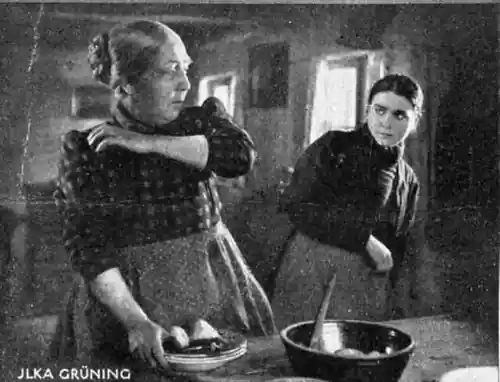
The supporting cast, including Jakob Tiedtke and Ilka Grüning, flesh out a community that is as much a part of the problem as the betrayers themselves. The village gossip, the judgmental glances, and the rigid social structures all contribute to Steyer’s eventual expulsion. This is a society that values the appearance of order over the reality of justice, a theme that resonates as strongly today as it did a century ago.
From a technical standpoint, the film is a marvel of its time. The use of natural light in the mountain sequences provides a gritty texture that contrasts beautifully with the controlled lighting of the studio-built interiors. There is a tactile quality to the film—you can almost smell the damp earth and the woodsmoke. This sensory immersion is a far cry from the more polished, artificial worlds of Hairpins or the whimsical Around Corners.
The editing, too, plays a crucial role in building the film’s tension. By lingering on shots of the landscape or the characters' hands, the film creates a sense of stasis that makes the eventual "expulsion" feel like a violent rupture. It is a sophisticated use of the medium that demonstrates how silent cinema had reached its peak of expressive power by the mid-1920s. Even without spoken dialogue, the subtext is deafening. The silence in Die Austreibung is not an absence of sound; it is a presence, a heavy, suffocating blanket that muffles the cries of the broken.
As we reflect on Die Austreibung, it becomes clear that this is a film about the death of a certain kind of soul—the soul of the Heimat. It predates the later, more ideologically tainted mountain films of the 1930s, offering instead a pure, tragic vision of what happens when the bond between man and earth is severed. It lacks the optimistic pioneering spirit of Australia's Own or the rugged heroism of Blue Blazes. Instead, it offers a cautionary tale about the fragility of our foundations.
The final sequences, where Steyer is physically cast out into the cold, are among the most devastating in silent cinema. There is no last-minute rescue, no sudden realization of error by the antagonists. There is only the wind, the snow, and the long walk into oblivion. It is a conclusion that demands much from the audience, refusing to provide the catharsis we often crave. In this way, it is a more honest film than many of its peers, acknowledging that some losses are absolute and some betrayals are final.
In the broader context of the cast's careers, this film stands as a testament to their versatility. While some, like Dieterle, would go on to find great success in Hollywood, their work here remains a vital part of the European cinematic heritage. They captured a specific moment in time—a moment of profound cultural anxiety—and turned it into a universal story of loss. Whether compared to the mythological tragedy of Satyavan Savitri or the gritty realism of The Devil's Playground, Die Austreibung maintains its own singular, somber identity.
Ultimately, Die Austreibung is a film that lingers in the mind like a cold draft in an old house. It is a reminder that our homes are built not just of stone and wood, but of trust and history. When those are gone, we are all just wanderers in the snow, looking back at a door that has been closed to us forever. It is a masterpiece of the silent era that deserves to be rediscovered, analyzed, and felt by anyone who appreciates the power of cinema to touch the deepest, darkest corners of the human experience.
IMDb —
1921
Community
Log in to comment.