DbcultAccessing Vault...
4.1/10
Senior Film Conservator
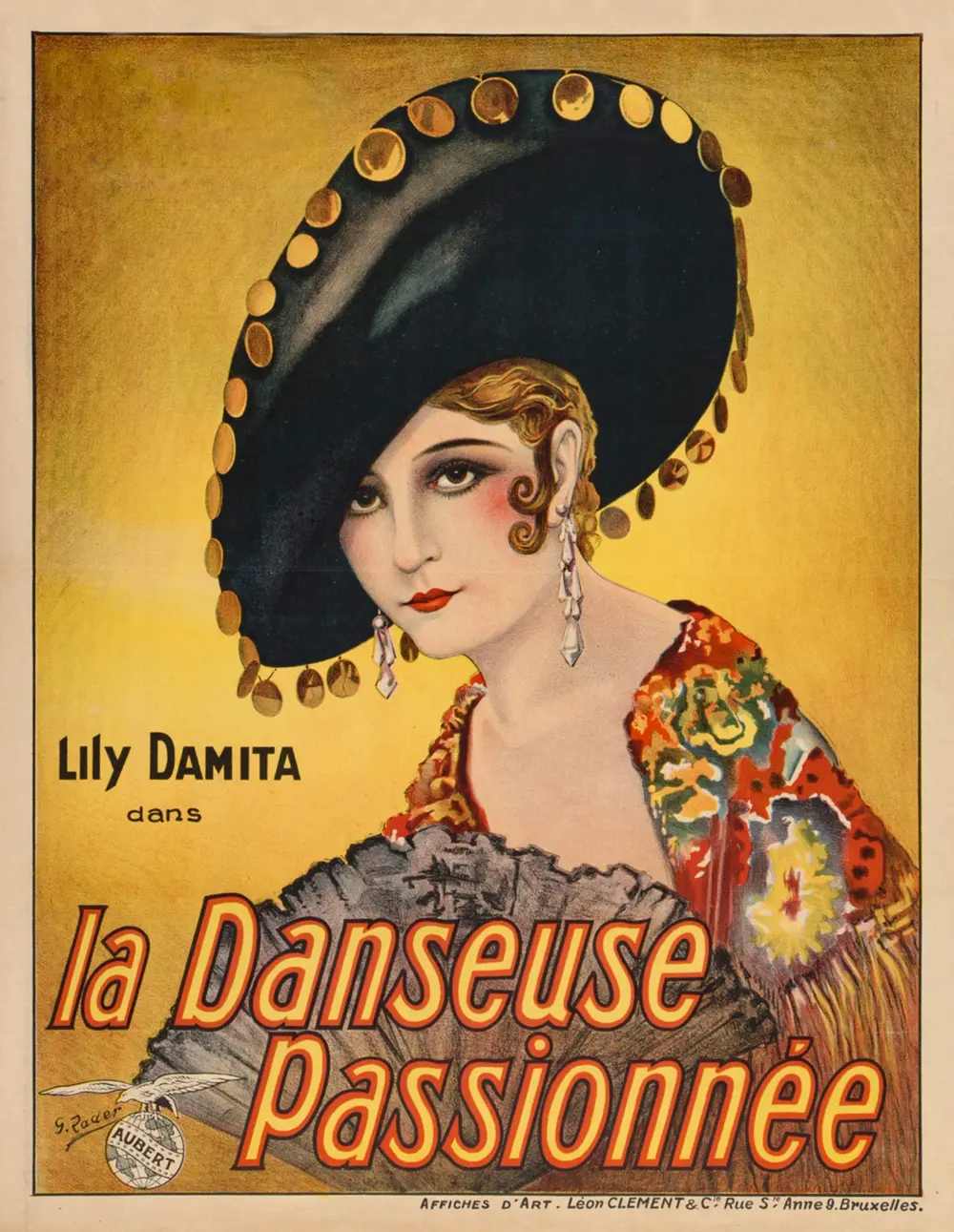
A definitive 4.1/10 rating for a film that redefined the boundaries of cult cinema. Die berühmte Frau remains a cornerstone of transgressive art.
Should you invest your time in the 1927 silent drama Die berühmte Frau? Short answer: yes, but only if you appreciate the slow-burn psychological torture of unexpressed love.
This film is for the cinephile who finds more drama in a lingering glance than a car chase. It is not for the modern viewer who demands high-speed pacing or clear-cut moral victories. It is a film of shadows, both literal and emotional.
This film works because it captures the suffocating nature of professional intimacy. Gerald, played with a repressed intensity that borders on the painful, is the classic Svengali who forgot to secure his own heart before building his star's pedestal.
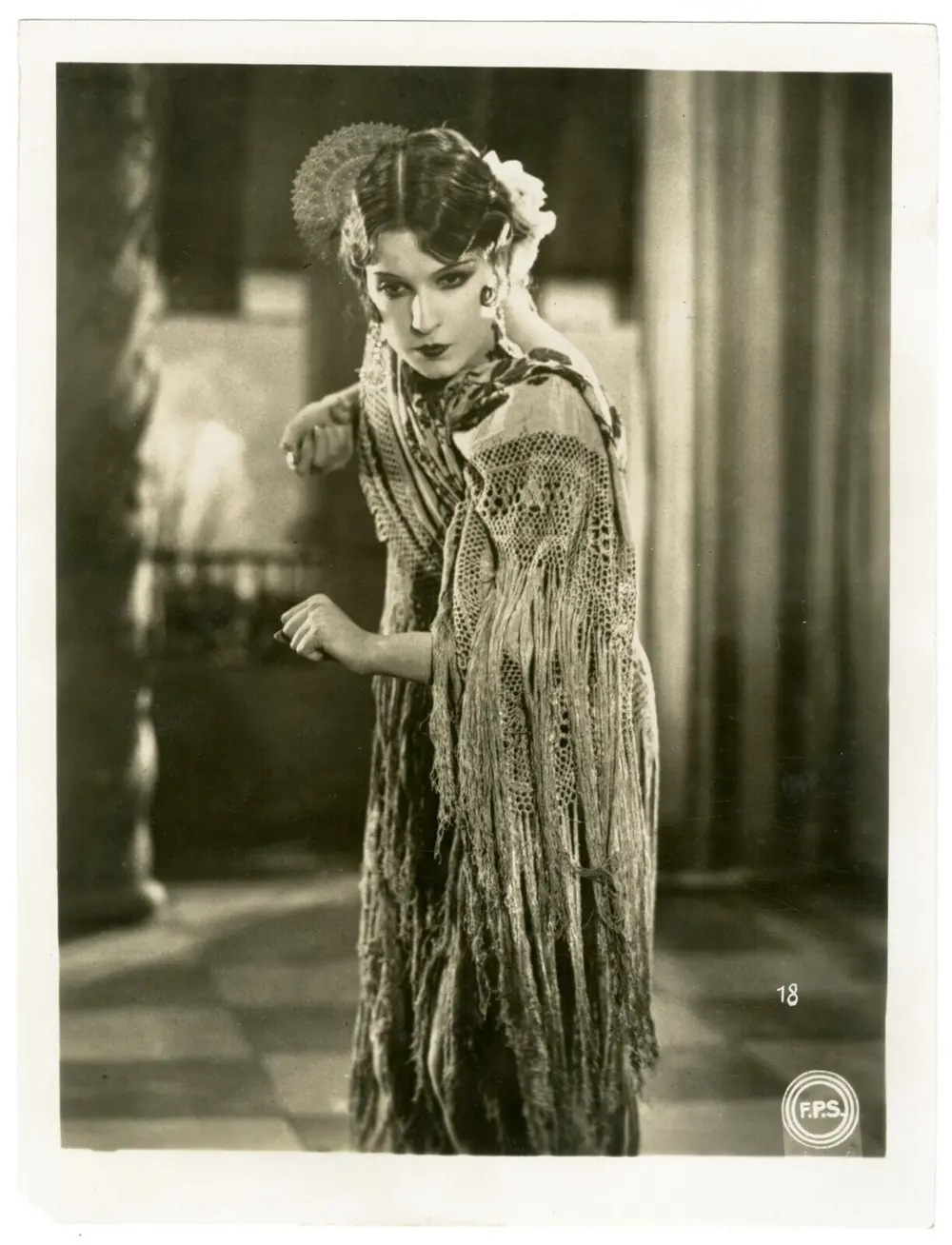
This film fails because it relies on a 'stupid coincidence' to drive the third act. We want the tragedy to be a result of character flaws, not a misplaced letter or a mistimed door knock.
You should watch it if you want to see Lissy Arna deliver a performance that bridges the gap between the theatricality of the early silent era and the psychological realism that would follow.
Yes, Die berühmte Frau is worth watching for its historical significance and its moody, atmospheric direction. It provides a fascinating look at the 'backstage drama' genre before it became a Hollywood cliché. The film excels at showing the disconnect between public adoration and private isolation.
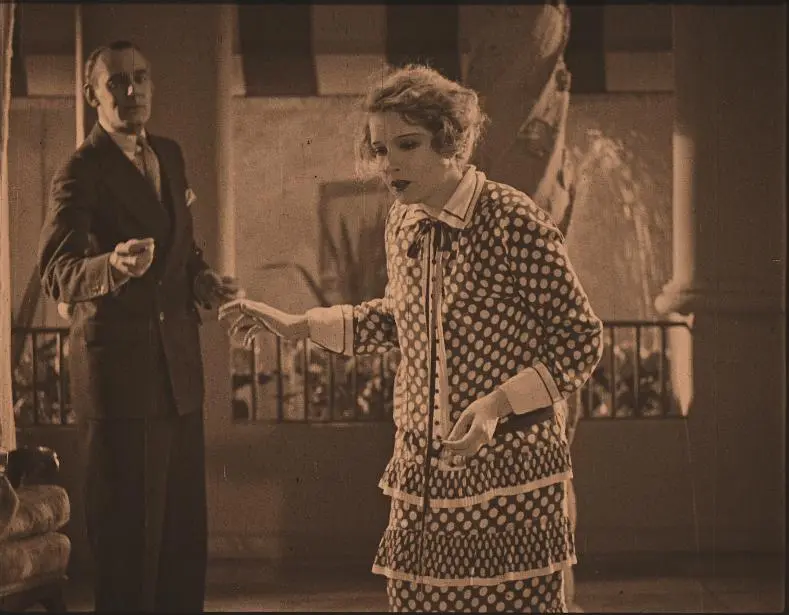
The cinematography in the Barcelona sequences is nothing short of predatory. The camera stalks Sonja through the wings of the theater, mimicking Gerald's protective, yet stifling, gaze. When Alfredo enters the frame, the lighting shifts. The soft, reverent glows that Gerald surrounds her with are replaced by high-contrast, sharp shadows. It’s a visual representation of the danger Alfredo represents.
Consider the scene where the Duke of Olivarez confronts Gerald. The Duke represents the old world—wisdom, friendship, and the understanding that time is a finite resource. The way the Duke is framed, often in a position of physical stability while Gerald is constantly in motion, highlights Gerald's internal instability. It’s a masterclass in using blocking to tell a story that the title cards can’t quite capture.
The pacing is deliberate. Some might call it slow. I call it honest. It takes time for a man like Gerald to work up the courage to speak, and the film makes us feel every agonizing second of his hesitation. It reminds me of the thematic weight found in Number 13, where the environment itself seems to conspire against the protagonist's happiness.
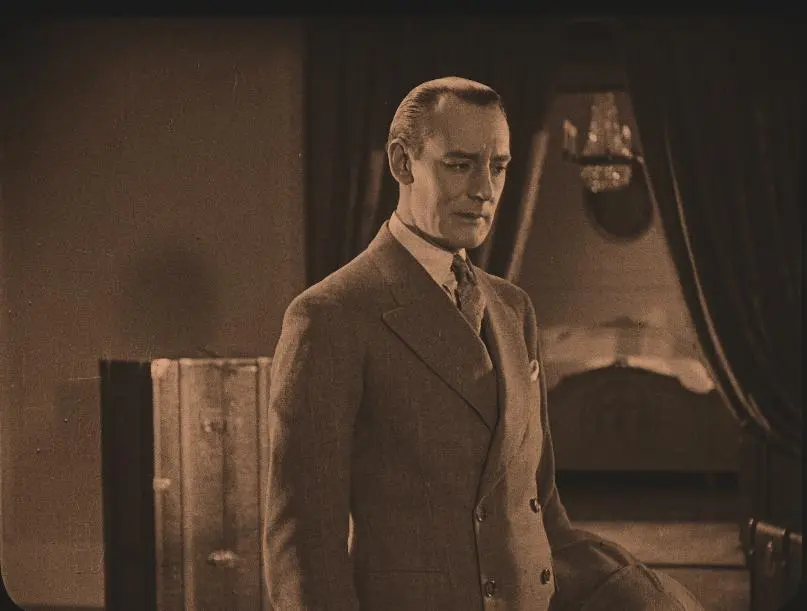
Lissy Arna is the soul of this film. As Sonja, she has to play two roles: the 'Famous Woman' of the title and the woman who doesn't know what she's missing. Her transition from the disciplined, almost robotic dancer under Gerald's tutelage to the trembling, awakened lover in Alfredo's arms is startling.
There is a specific moment in the Barcelona dressing room where Sonja looks at herself in the mirror. She isn't looking at her beauty; she's looking for a person she doesn't recognize. It’s a brutally simple sentence of a scene. She is lost in her own fame. This level of nuance is often missing in other films of the era like The Yankee Girl, which tends toward broader strokes.
Warwick Ward as Alfredo is the perfect foil. He is dangerous because he is present. While Gerald lives in the future—planning the next revue, the next city—Alfredo lives in the 'now.' He is the embodiment of the passionate impulse that Gerald has spent years suppressing in both himself and Sonja.
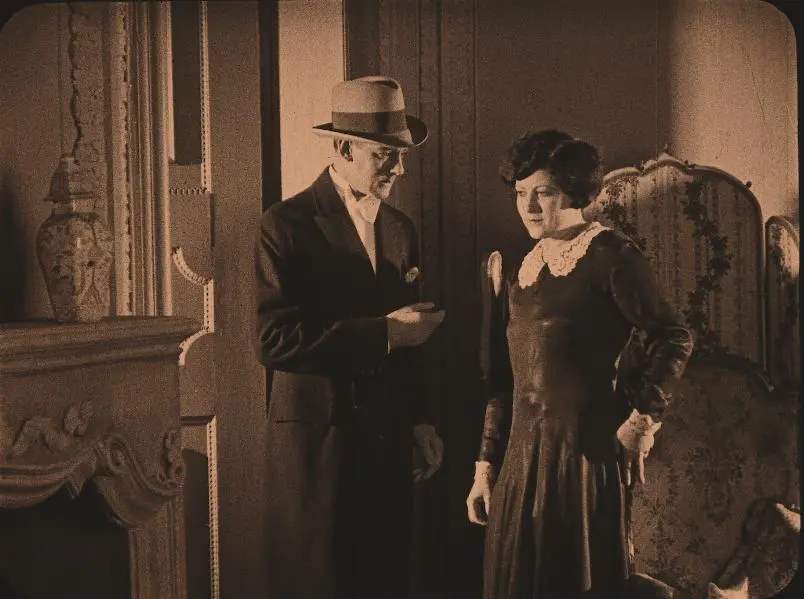
Writer Melchior Lengyel understands the tragedy of the intellectual man. Gerald is too smart for his own good. He overanalyzes the Duke's advice. He waits for the 'perfect' moment. In doing so, he proves that in the world of romance, the 'perfect' is the enemy of the 'real.'
The script treats the 'stupid coincidence' not just as a plot device, but as a cosmic joke. It’s as if the universe is punishing Gerald for his indecision. This fatalistic streak is common in European cinema of this period, often seen in works like Her Condoned Sin. It suggests that if you don't take your fate in your hands, the world will take it for you—and it won't be kind.
Pros:
- Exceptional performances by Lissy Arna and Warwick Ward.
- A haunting, melancholic score (when viewed with the original intentions).
- Sophisticated use of shadows to convey psychological depth.
- A nuanced exploration of the 'Svengali' relationship.

Cons:
- The protagonist's passivity can be infuriating.
- The 'stupid coincidence' feels slightly dated by modern standards.
- The Duke's character, while charming, is mostly a plot device.
Here is a debatable opinion: Gerald is the villain of his own story. We are meant to pity him, but his refusal to see Sonja as a human being with her own desires—rather than a 'famous woman' he manufactured—is a form of emotional narcissism. He didn't love Sonja; he loved the version of Sonja he created. Alfredo, for all his seductive danger, at least saw the woman, not the star.
This film isn't just about a love triangle. It’s about the death of an idol. When Sonja falls for Alfredo, the 'Famous Woman' dies, and a human being is born. Gerald cannot handle the human being. He only knows how to manage the idol.
The comparison to Call of the Wild is strange but apt: Sonja is like a domesticated creature suddenly hearing the primal howl of Alfredo’s passion. She cannot go back to the cage Gerald built for her, no matter how gold the bars are.
Die berühmte Frau is a stinging reminder that silence is a choice. It is a visually rich, emotionally heavy drama that survives its own cliches through the sheer force of its performances. It works. But it’s flawed. The film leaves you with a lingering sense of regret, which is exactly what a great melodrama should do. It is a 1920s time capsule that still feels relevant in its depiction of the fear of vulnerability. Don't wait for the perfect moment to watch it—or you might find someone else has taken your seat.
IMDb —
1924
Community
Log in to comment.