DbcultAccessing Vault...
Cult Review
Senior Film Conservator
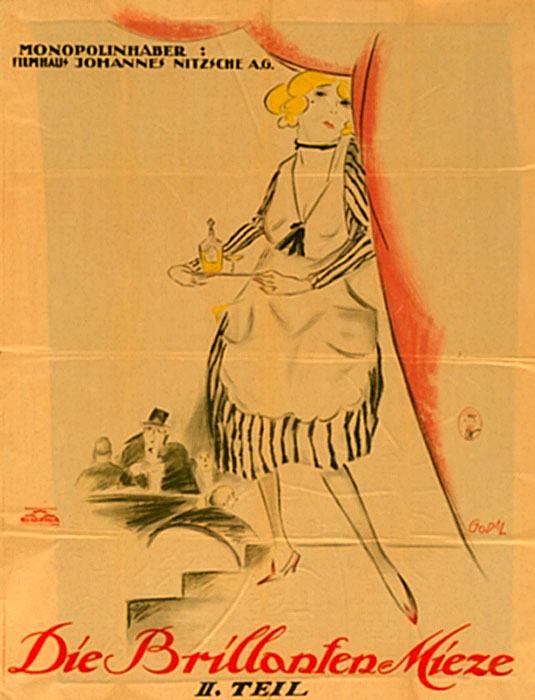
Berlin’s nightshade blossoms again in the second movement of the Brillantenmieze diptych, a picture so drunk on its own shadows it makes Caligari’s cabinet look like a sun-bleached nursery. Director-writer Jane Bess—never shy of courting moral vertigo—etches a cityscape where chandeliers drip like fat spiders and every waltz is scored by the clink of contraband. The print I viewed (a 4K tintype restoration from the Bundesarchiv) arrives scarred yet luminous, like a baroness who removes her velvet glove to reveal a hand branded by thorns.
Forget linearity; this is a narrative kaleidoscope. The film opens with a smash-cut burglary at the Excelsior: tuxedos flap like injured crows, champagne spurts arterial, and a child soprano keeps singing as if her lungs are wound by clockwork. From this carnage, the sapphire “Kaiserblut” vanishes—allegedly cursed, undoubtedly coveted. What follows is not pursuit but erosion: characters flake, loyalties oxidize, morals deliquesce. Kupfer’s matriarch of misrule glides through scenes trailing fox stoles that look freshly flayed; each time she smiles, the frame jitters as though sprocket holes themselves recoil.
Margarete Kupfer deserves a shrine in every acting primer. Watch her pupils dilate when she barters a diamond for a mother-of-pearl revolver—an entire economic manifesto flickers in that micro-twitch. Bella Polini, equal parts Garbo and gutter, performs a torch song whose lyrics consist solely of the word “maybe,” repeated until it becomes a stone in your shoe. Olaf Bach moves like a man remembering pain rather than feeling it; his detective’s trench coat hangs like verdict papers pinned to a torso.
Cinematographer Willy Kaiser-Heyl bathes scenes in umber and arsenic green, then ruptures them with magnesium flares of white. In one bravura shot, the camera descends a grand staircase sideways, as though gravity signed a pact with vertigo. Shadows are not mere absences but strata: they swallow hats, then heads, then entire plot threads. Compare this to the pastoral haze of The Lure of Crooning Water; here, water is replaced by spilled ink that never fully dries.
Though silent, the film vibrates with sonic suggestion. Intertitles arrive jagged, like telegrams from a war the characters forgot they enlisted in. A recurring card reads “TICK—TICK—TICK,” prompting the viewer to furnish the sound of a detonator that may never explode. Live accompaniment at the Filmmuseum screening featured prepared piano: screws rattling inside the frame echoed the screws loosening in every protagonist’s mind.
Women trade bodies for baubles; men trade baubles for absolution. Yet the transaction never clears. Kupfer’s matriarch hoards jewels not for wealth but for weight—she needs ballast against moral drift. Polini’s chanteuse weaponizes fragility; her bruises become bargaining chips in poker games where everyone’s bluffing with corpses. The only male who glimpses redemption is Peters-Arnolds’ anarchist, and he is promptly flattened by a printing press—Gutenberg as executioner.
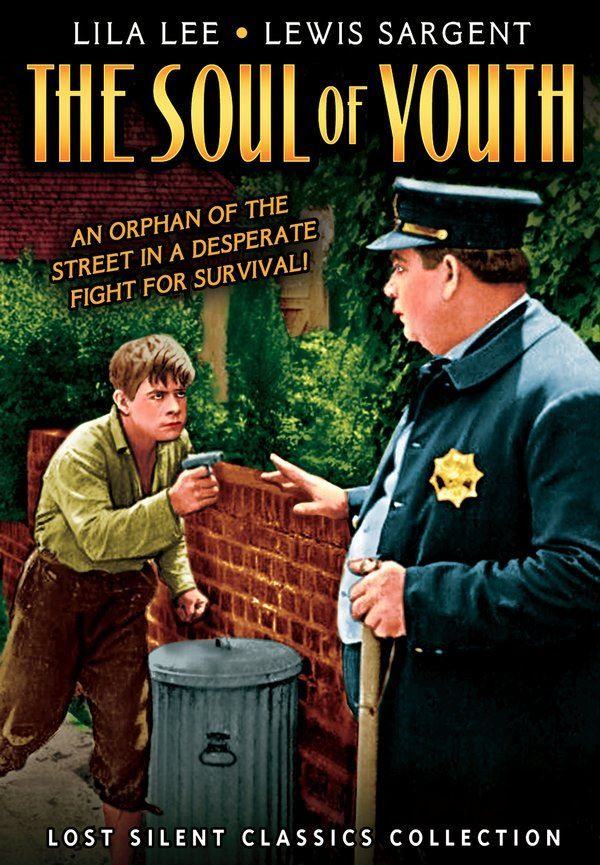
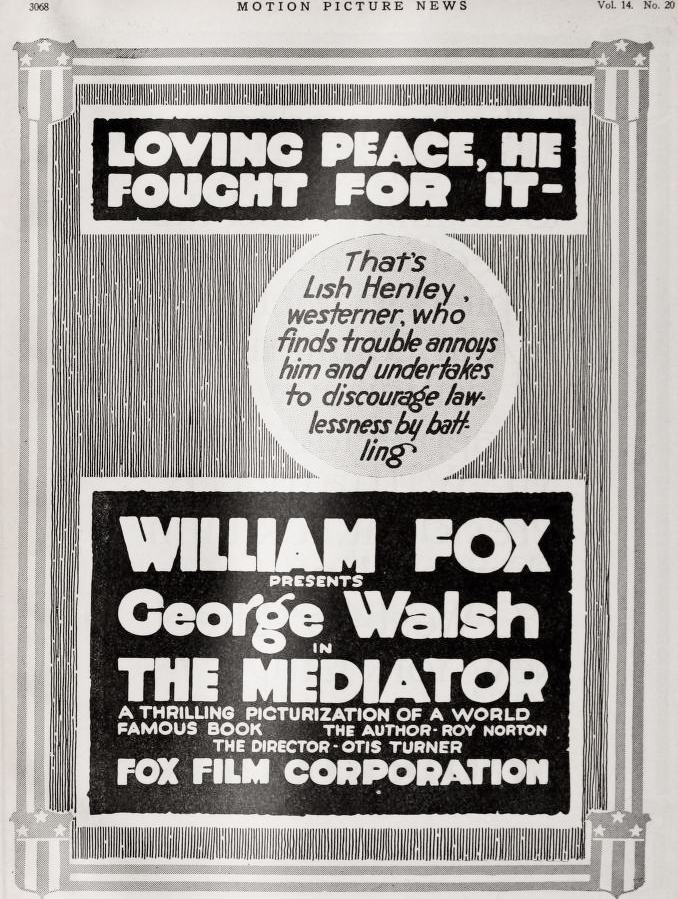
Where Raffles romanticizes the gentleman burglar and Fight in a Thieves’ Kitchen savors proletarian grime, Brillantenmieze refuses both tonic and absinthe. Its moral temperature is hypothermic. Imagine Greater Than Love without the solace of social uplift, or The Spirit of ’17 with patriotism flayed into nihilism.
Restoration ethics flare: should lost footage stay lost if its content revels in child mutilation? The archival team elected to include a 46-second fragment showing the pickpocket’s evisceration, reasoning that sanitizing history merely imposes another crime. Viewers avert eyes; the screen burns on.
Released in March 1921, the film outgrossed Welcome Little Stranger domestically yet was banned in Bavaria for “exciting base instincts.” Critics compared it to syphilis: pleasurable until lesions appear. Today it survives in fragments, rumors, and the occasional fever dream of cinephiles who claim to have seen a 35mm print projected on the brick wall of a Kreuzberg squat.
Does the Kaiserblut sapphire exist? The film never confirms. Perhaps the gem is merely the idea that something—anything—can be clean in a city where even moonlight arrives smudged. When Kupfer’s eyes close in the penultimate shot, we realize the true theft is not of rocks but of the capacity to believe they ever mattered. You leave the screening checking your pockets, not for wallets but for pieces of your own compass.
Verdict: Essential as arsenic—tiny dose, eternal tremor.

IMDb 6.2
1931
Community
Log in to comment.