DbcultAccessing Vault...
Cult Review
Senior Film Conservator
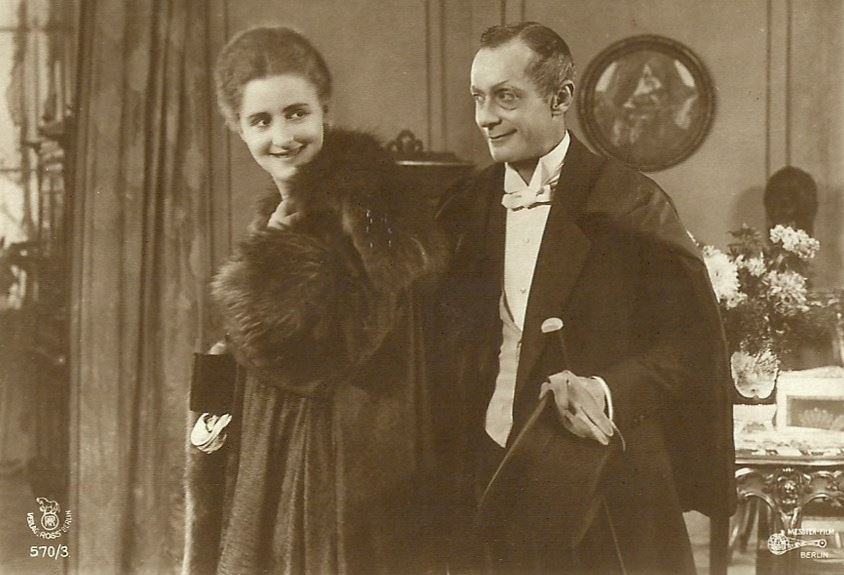
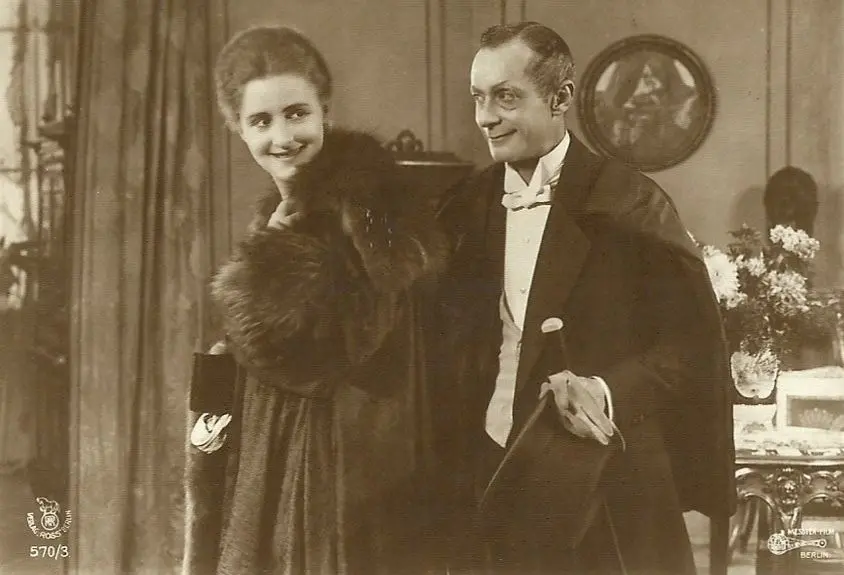
Stepping back into the nascent years of German cinema, one discovers a fascinating tapestry of evolving narrative and visual artistry. Among its early, often overlooked, gems is Robert Wiene's 1918 silent film, Die Dame, der Teufel und die Probiermamsell, a title that, even in its considerable length, hints at the intriguing, almost allegorical, dimensions within. Far from a mere historical curiosity, this picture, starring the incomparable Henny Porten, alongside Alfred Abel, Ida Perry, Eugen Rex, and Rudolf Biebrach, offers a compelling glimpse into the burgeoning psychological depth that would soon define German Expressionism. Wiene, primarily known for his later, more overtly Expressionistic masterpiece The Cabinet of Dr. Caligari, here lays some foundational groundwork, exploring themes of obsession, temptation, and the permeable boundary between reality and nightmare with a nascent yet potent visual flair.
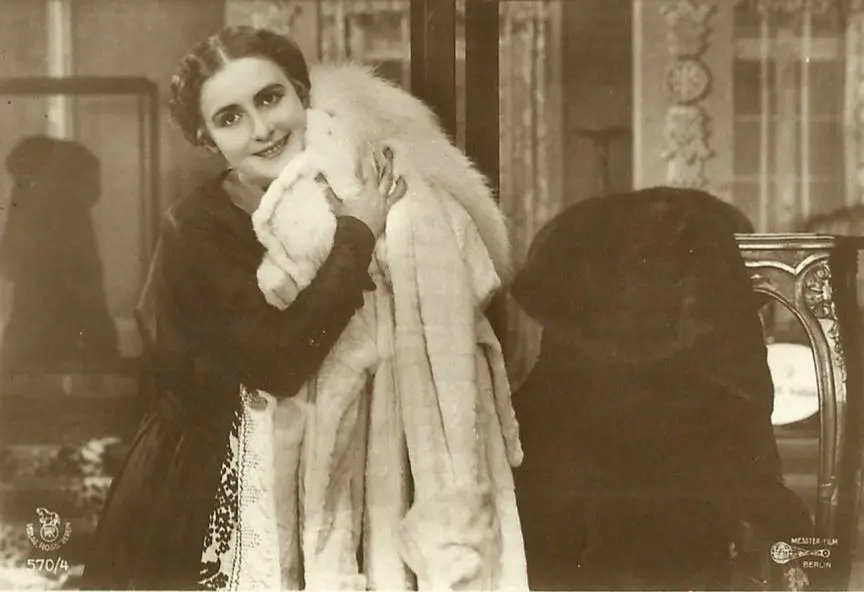
The film's premise, deceptively simple, blossoms into a rich psychological drama. We are introduced to a wealthy lady, portrayed with nuanced intensity by Henny Porten, whose world is one of elegance and material comfort. Her initial encounter with an exquisite ermine coat at a fashion show isn't just an act of consumerism; it's the genesis of an all-consuming obsession. This isn't just about acquiring a beautiful garment; it's about the yearning for an object that seems to embody a certain status, a certain unattainable perfection. Porten, a colossal star of the era, imbues this character with a fragile vulnerability that makes her subsequent descent utterly believable. Her eyes, often the most expressive tool in silent cinema, convey a longing that transcends mere vanity, hinting at a deeper, perhaps unfulfilled, desire within her opulent existence.
The ermine coat, therefore, becomes more than just a plot device; it transforms into a potent symbol. It represents both the pinnacle of worldly luxury and the gateway to a hidden, darker realm of the subconscious. Once the coat is brought into her home, it seems to exert an almost supernatural influence, lulling her into a profound, almost unnatural sleep. This sleep is no ordinary slumber; it is a liminal state, a permeable membrane between her conscious, material world and the subterranean landscape of her deepest fears and desires. Wiene masterfully uses this transition to pivot from a relatively conventional domestic drama into a full-blown gothic fantasy, anticipating the dream logic that would permeate much of Expressionist cinema.
It is within this dreamscape that the film truly unfurls its allegorical wings. The Devil, embodied with a chilling magnetism by Alfred Abel, makes his grand, terrifying entrance. Abel, whose career would later see him in iconic roles like the industrialist Joh Fredersen in Metropolis, brings a sophisticated malevolence to his portrayal. This is not a cartoonish fiend but a suave, insidious tempter, whose very presence suggests a profound understanding of human weakness. His abduction of the lady into the dark underground is not merely a physical act but a symbolic dragging of her soul into the consequences of her own unchecked desires. The fur coat, the very object of her obsession, is seized by the Devil, becoming a bargaining chip in a cosmic negotiation. This act underscores the film's central thematic question: what price are we willing to pay for our deepest cravings, and what dark forces might they unleash?
While Die Dame, der Teufel und die Probiermamsell precedes the full-blown Expressionist movement, elements of Wiene’s signature style are undeniably present. The use of shadows, the stark contrasts, and the unsettling atmosphere all contribute to a sense of impending dread and psychological instability. The underground realm, though perhaps not as geometrically distorted as the sets in Caligari, still manages to evoke a palpable sense of claustrophobia and despair. This early work demonstrates Wiene's nascent ability to externalize internal states, transforming the protagonist's psychological turmoil into tangible, often terrifying, visual metaphors. The film operates on a level that suggests the human psyche as a battleground, where the material world's temptations can lead to spiritual peril.
The supporting cast, including Ida Perry, Eugen Rex, and Rudolf Biebrach, contributes to the film's overall fabric, though the narrative firmly centers on Porten's character and her infernal encounter. Their performances, typical of the silent era, rely on exaggerated gestures and facial expressions, yet within this stylistic framework, they manage to convey distinct personalities and reactions to the central drama. Biebrach, also a director himself, brings a certain gravitas to his role, grounding the more fantastical elements with a touch of realism. However, it is the dynamic between Porten's lady and Abel's Devil that forms the chilling heart of the film, a duel of wills and desires played out against a backdrop of moral reckoning.
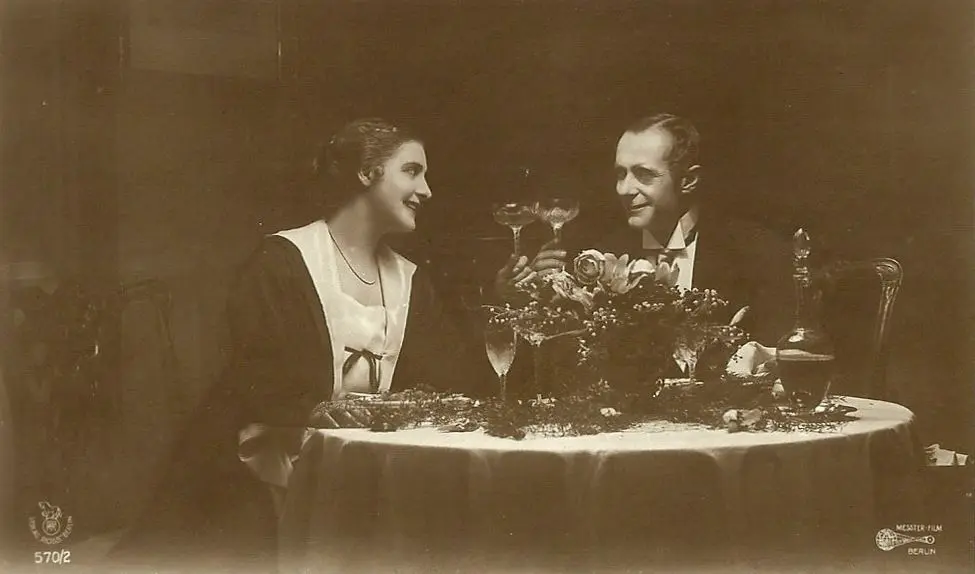
The devilish demands articulated by Abel's character are, of course, the crux of the moral dilemma. These are not mere whimsical requests but demands that strike at the very core of the lady's being, forcing her to confront her values and the true cost of her desires. This narrative choice elevates the film beyond a simple horror story into a profound exploration of human morality and the insidious nature of temptation. Unlike many contemporary dramas, such as the more straightforward romantic conflicts found in films like Mary Regan or the societal commentary of Paying His Debt, Wiene's work plunges into the allegorical, using fantasy to illuminate universal truths about human nature. It's a testament to Wiene's nascent genius that he could weave such complex thematic threads into a silent film, relying heavily on visual storytelling and the emotive power of his actors.
The film's exploration of dreams and the subconscious is particularly noteworthy for its time. Long before psychoanalysis became a widespread cultural phenomenon, Wiene was tapping into the idea that our inner lives are as dramatic and consequential as our outer realities. The dream sequence, with its vivid imagery and unsettling logic, serves as a powerful metaphor for the internal struggles we all face. It suggests that our obsessions, if left unchecked, can lead us down paths of self-destruction, manifesting as externalized demons. This psychological depth is a hallmark of Wiene's work and distinguishes it from many of its contemporaries, which often focused on more external conflicts or sentimental narratives. Even in comparison to other German films of the era, such as Der Barbier von Flimersdorf or Jan Vermeulen, der Müller aus Flandern, which might have explored more grounded, social dramas, Wiene's film boldly ventures into the fantastical and the philosophical.
For modern audiences, watching Die Dame, der Teufel und die Probiermamsell requires a certain appreciation for the conventions of silent cinema, yet its themes remain strikingly relevant. The allure of material possessions, the insidious nature of obsession, and the moral compromises we might consider for fleeting desires are timeless concerns. Porten's performance, in particular, anchors the film, allowing us to empathize with her character's predicament even as we witness her fantastic ordeal. Her portrayal is a masterclass in conveying complex emotions without dialogue, relying on gesture, posture, and those incredibly expressive eyes to communicate her character's journey from desire to terror to potential redemption.
The film's production values, while perhaps modest by today's standards, were indicative of the burgeoning sophistication of German studios. The sets, costumes, and cinematography, even if not yet fully embracing the distorted realities of later Expressionist works, effectively create the distinct atmospheres required—from the elegant fashion salon to the terrifying, shadowy underworld. Wiene's direction ensures a consistent tone, maintaining a delicate balance between the mundane and the surreal. He understood the power of visual storytelling, using every frame to advance the narrative and deepen the thematic resonance.
Ultimately, Die Dame, der Teufel und die Probiermamsell stands as a vital, if sometimes overlooked, piece in the puzzle of early German cinema and Robert Wiene's oeuvre. It is a testament to the fact that even before the fully developed aesthetic of Expressionism took hold, filmmakers were already pushing boundaries, exploring the darker recesses of the human mind, and using the medium to tell stories that transcended mere entertainment. It's a film that invites contemplation, challenging viewers to consider the true cost of their desires and the hidden forces that might lie in wait. For cinephiles and scholars alike, it offers a fascinating window into a pivotal moment in film history, showcasing the artistic ambition and thematic depth that would soon make German cinema a global force. It reminds us that obsession can be a double-edged sword, capable of both elevating and destroying, and that the devil often comes not with fire and brimstone, but with the seductive whisper of our own deepest longings.
Community
Log in to comment.