DbcultAccessing Vault...
Cult Review
Senior Film Conservator
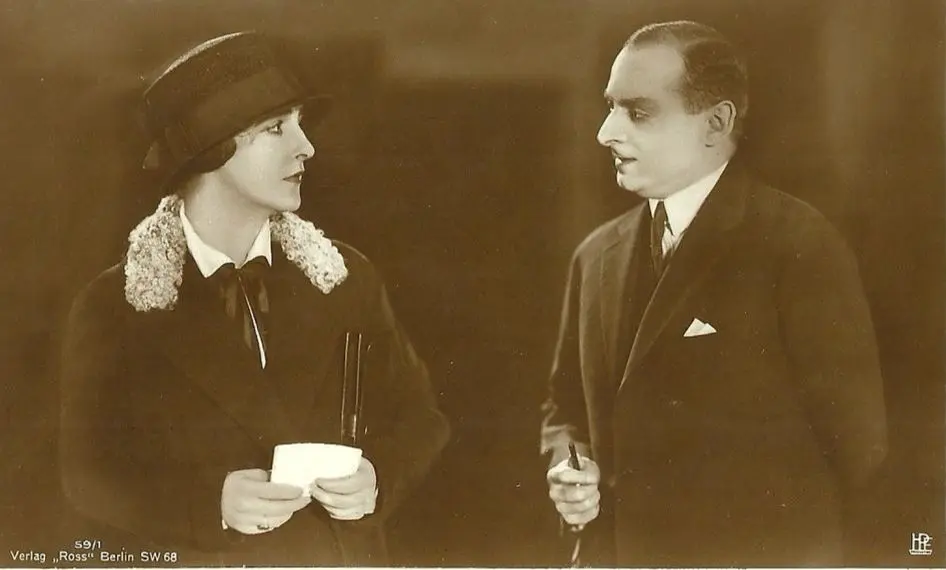
Is Die Flammen lügen worth watching today? Short answer: yes, but with significant caveats. This silent German drama, a relic from a bygone cinematic era, offers a fascinating glimpse into the storytelling prowess of its time, yet it demands a certain patience and appreciation for its historical context. It’s a film that will undoubtedly captivate enthusiasts of silent cinema, those with an interest in early German expressionism, and anyone seeking to understand the foundational elements of cinematic melodrama. However, for viewers accustomed to modern pacing and overt dialogue, its deliberate rhythm and reliance on visual cues might prove challenging.
This film works because of its powerful central performance and its bold, if occasionally heavy-handed, thematic explorations. It fails because of some narrative contrivances that even for its era feel a touch too convenient, and a pacing that can test the resolve of contemporary audiences. You should watch it if you appreciate the artistry of silent film, particularly the nuanced non-verbal acting and the stark visual storytelling that defines the period.
Die Flammen lügen, translated as 'The Flames Lie', is a testament to the dramatic capabilities of early 20th-century filmmaking. Released during a prolific period for German cinema, it capitalizes on the expressive power of its performers and the nascent understanding of cinematic language. The film, like many of its contemporaries, leverages grand gestures, stark lighting, and emotionally charged intertitles to convey a complex narrative of accusation, deceit, and the arduous pursuit of truth.
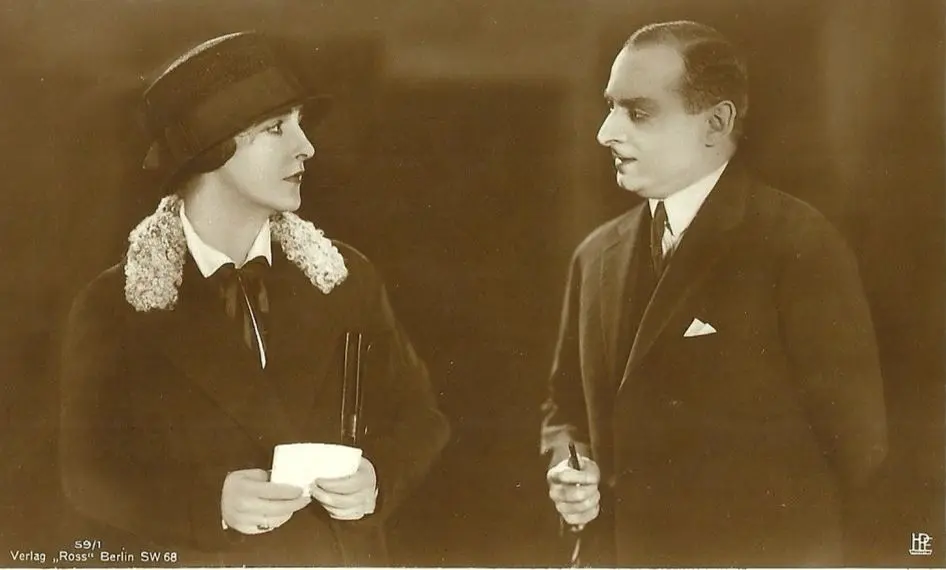
Friedrich Raff's screenplay, while rooted in the melodramatic conventions of the era, attempts to weave a tale that transcends simple good-versus-evil dichotomies. It delves into the insidious nature of public opinion and the fragility of reputation, themes that remain remarkably pertinent even today. The film’s ambition, even if its execution occasionally falters, is palpable.
The film centers on Anna, portrayed with remarkable intensity by Henny Porten, a socialite whose life unravels after a factory fire claims a life and implicates her in a web of deceit. The initial scenes, depicting the aftermath of the blaze, are surprisingly effective in establishing a sense of chaos and impending doom. The flickering shadows and the frantic movements of the extras create a palpable tension, hinting at the destructive forces at play, both literal and metaphorical.
As the narrative progresses, the 'flames' of suspicion are fanned not just by circumstantial evidence, but by the subtle manipulations of Clara (Ruth Weyher). Weyher’s performance is a masterclass in understated villainy, her eyes often conveying more menace than any intertitle could. She doesn't just act; she observes, she plots, her every glance a calculated move in a larger game.
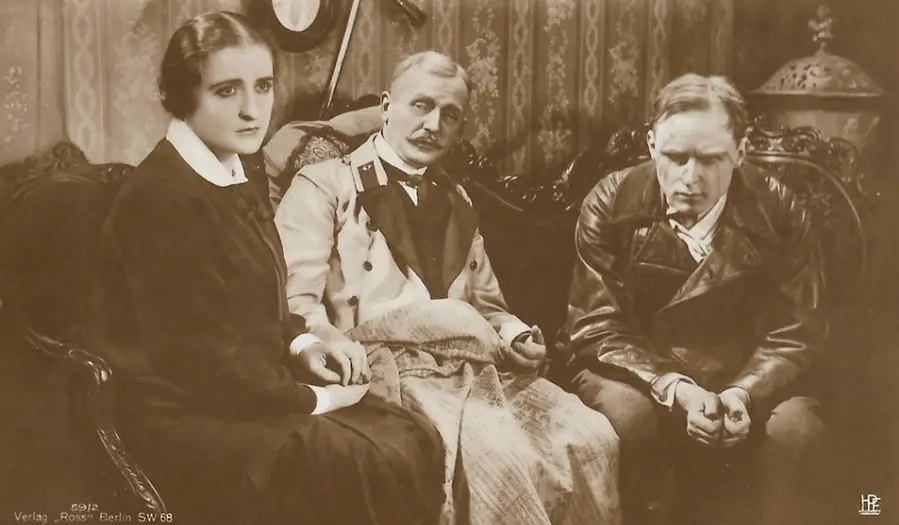
The husband, Richard (Gerd Briese), embodies the societal pressures of the time. His internal conflict between loyalty to his wife and the demands of his political career is a compelling, if somewhat predictable, subplot. Briese delivers a nuanced performance, his expressions shifting from stoic support to agonizing doubt, reflecting the societal tightrope he walks.
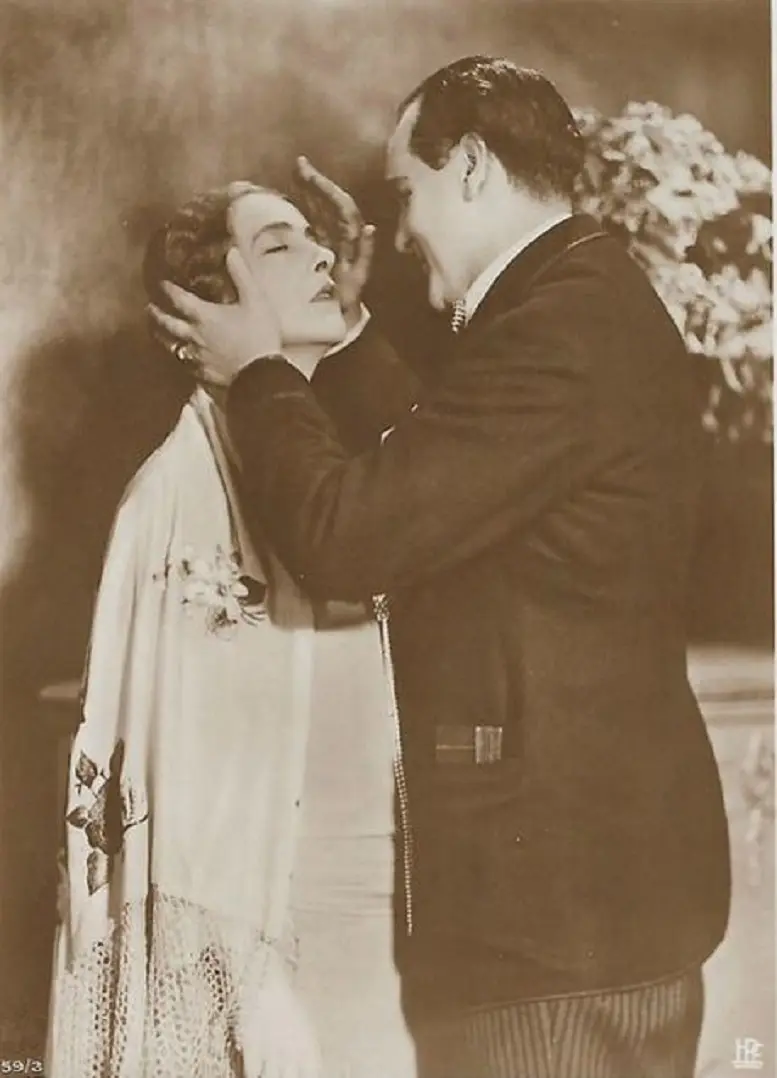
Henny Porten, a titanic figure of German silent cinema, is undoubtedly the film's anchor. Her portrayal of Anna is a tour de force of emotional expression. From the initial shock and despair to her defiant resolve in the face of injustice, Porten conveys a spectrum of human experience without uttering a single word. One particular scene, where Anna is confronted with the evidence against her in a dimly lit interrogation room, sees Porten’s face contort in a silent scream of disbelief, her hands trembling uncontrollably. It's a raw, visceral moment that transcends the limitations of the medium.
Ruth Weyher, as the conniving Clara, provides a chilling counterpoint to Porten's earnestness. Weyher's performance is less about overt villainy and more about insidious manipulation. Her quiet smiles and knowing glances are far more unsettling than any grand dramatic gesture. In a scene where she feigns sympathy for Anna, her eyes betray a flicker of cruel satisfaction – a testament to her subtle yet effective acting.
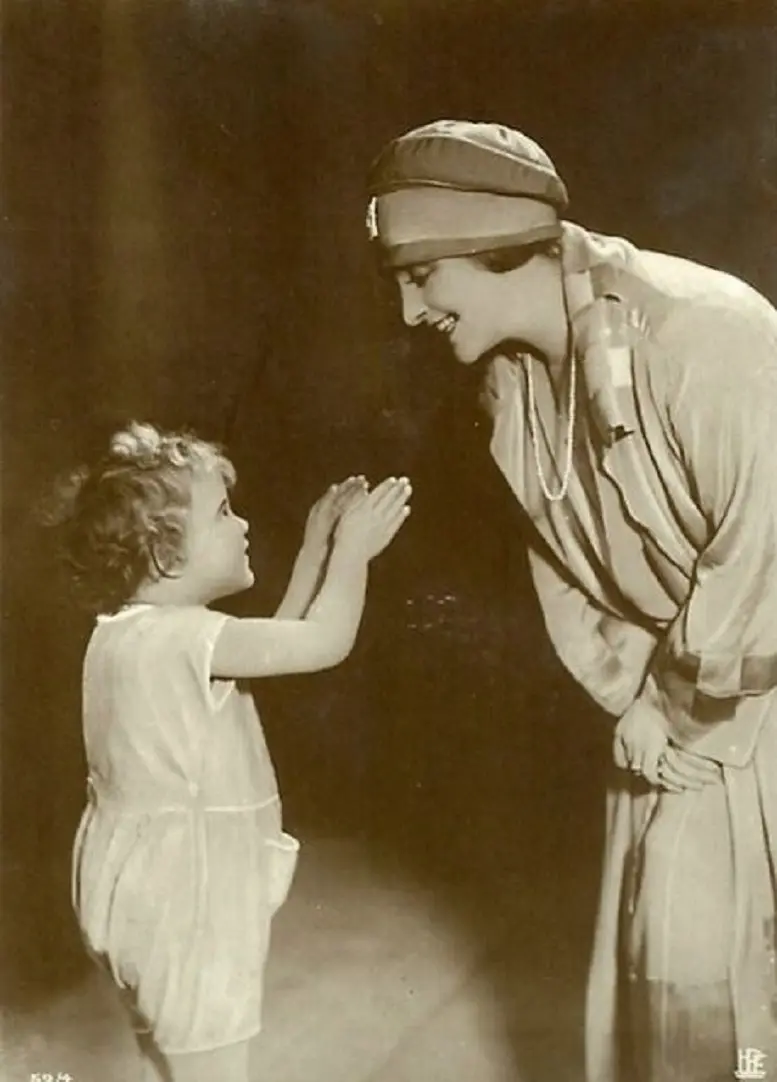
The supporting cast, including Lotte Steinhoff and Grete Mosheim, though given less screen time, contribute to the film’s rich tapestry of characters. Paul Bildt, often a reliable presence in German cinema, delivers a solid performance as the initially skeptical, then increasingly sympathetic, detective. His transformation from detached investigator to a man driven by a sense of true justice adds a crucial layer to the film's moral core.
The direction of Die Flammen lügen, while not reaching the experimental heights of a The Cabinet of Dr. Caligari, is competent and effective. The director understands the power of visual storytelling, utilizing close-ups to emphasize emotional states and wider shots to establish the oppressive atmosphere of the courtroom or the bustling energy of the factory. The use of shadows and light is particularly noteworthy, often mirroring Anna's psychological state. When she is at her lowest, the frame is often bathed in oppressive darkness, while moments of hope are punctuated by stark, revealing light.
The cinematography, though occasionally static by modern standards, excels in creating mood. The dramatic lighting in the factory fire sequence, with its chiaroscuro effects, is particularly striking. It evokes a sense of danger and despair. There's a particular shot of Anna standing amidst the ruins, silhouetted against the smoldering remains, that is genuinely haunting. It perfectly encapsulates her isolation and the destruction of her world.
Pacing is, as expected for a silent film, deliberate. Scenes are given time to breathe, allowing the audience to absorb the visual information and the emotional weight of each moment. This can feel slow to an uninitiated viewer, but it also allows for a deeper immersion into the characters' internal worlds. The film's rhythm builds steadily towards its climactic reveal, a slow burn that ultimately ignites.
The central theme of Die Flammen lügen is the deceptive nature of appearances and the arduous quest for truth. The title itself is a direct indictment of how easily evidence can be manipulated and how swiftly public opinion can condemn. The film explores the psychological toll of false accusation, not just on Anna, but also on her husband and the wider community.
The tone oscillates between high melodrama and a more grounded, almost procedural, depiction of investigation. While some character motivations lean into the theatrical, the film generally maintains a serious, somber mood appropriate for its weighty subject matter. It doesn't shy away from depicting the harsh realities of a justice system swayed by perception rather than fact. This moral ambiguity, rare for some melodramas, is genuinely refreshing.
An unconventional observation: the film, despite its age, inadvertently highlights the timeless human tendency to seek easy answers and assign blame without full understanding. In an age of social media trials, this silent film feels eerily prescient in its depiction of mob mentality and the danger of jumping to conclusions. It's a stark reminder that some aspects of human nature are immutable, regardless of technological advancement.
Absolutely, but with a clear understanding of what you're getting into. For anyone with an appreciation for the history of cinema, Die Flammen lügen offers a valuable lesson in early dramatic filmmaking. It showcases the raw talent of its stars and the evolving techniques of visual storytelling. It’s a film that demands engagement, rewarding those who are willing to meet it on its own terms.
However, if your primary cinematic diet consists of fast-paced blockbusters or dialogue-heavy dramas, the deliberate rhythm and reliance on visual cues might feel antiquated. It's not a casual watch; it's an experience that requires a shift in viewing expectations. Think of it less as entertainment and more as an artifact of cultural significance, brimming with human emotion.
Die Flammen lügen is a fascinating, if imperfect, piece of cinematic history. Its strengths lie firmly in the compelling performance of Henny Porten and its ambitious exploration of timeless themes of justice and deception. It works. But it’s flawed. While its pacing and some narrative conveniences might not appeal to everyone, its artistic merits and historical value make it a worthwhile watch for those willing to engage with the silent era on its own terms. It’s not a film to casually stream on a Friday night; it’s a film to study, to appreciate, and to reflect upon. For the dedicated cinephile, it offers rich rewards and a profound appreciation for the foundations of cinematic storytelling. It stands as a testament to the power of non-verbal communication in film, proving that even without sound, a story can resonate with fiery intensity.
IMDb 6
1920
Community
Log in to comment.