DbcultAccessing Vault...
Cult Review
Senior Film Conservator
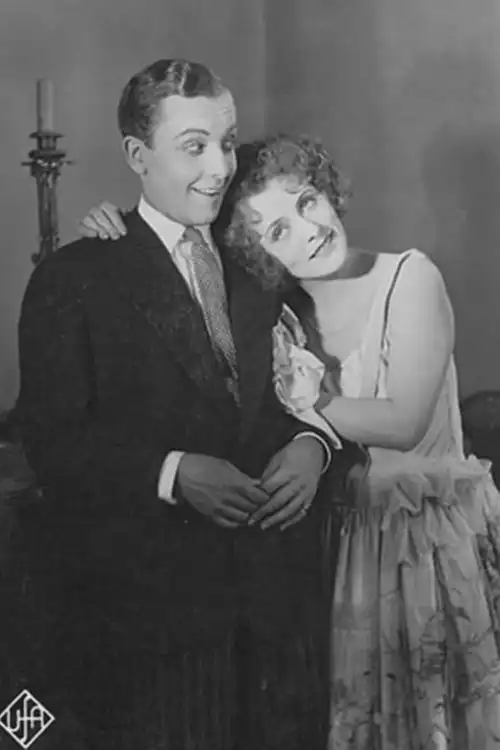
If you are looking for the dark, jagged shadows of German Expressionism, Die Frau im Schrank will likely disappoint you. However, if you want to see the slick, commercial side of the UFA studio system just before the sound era changed everything, this film is a fascinating watch. It is primarily for fans of Willy Fritsch and those who enjoy the specific, rhythmic comedy of silent-era farces. It is not a masterpiece, but it is a highly professional piece of entertainment that manages to remain watchable today because it doesn’t overstay its welcome.
The main reason to sit through this film is Willy Fritsch. By 1927, Fritsch was becoming the definitive leading man of German cinema, and you can see why here. He has an easy, athletic grace that makes the frantic movements required by the plot feel natural rather than forced. There is a specific scene where he realizes the wardrobe isn't empty, and his transition from casual indifference to wide-eyed panic is handled with a subtlety that many of his contemporaries lacked.
Unlike the heavy-handed acting found in some earlier silents like La secta de los misteriosos, Fritsch relies on small shifts in posture and eye movement. He is supported well by Ruth Weyher, who brings a necessary spark to the 'woman in the wardrobe' herself. Her performance could have been one-dimensional, but she plays the absurdity of her situation with a smirk that suggests she’s the only one in on the joke.
Director Rudolf Biebrach, who also appears in the film, doesn't take many risks with the camera. The framing is mostly static, favoring medium shots that allow the actors to use the entire set. This works well for a farce where the geography of the room—who is behind which door, who is hiding under which table—is vital to the humor. The lighting is bright and flat, typical for a 'white telephone' style comedy, ensuring that every facial expression is crystal clear.
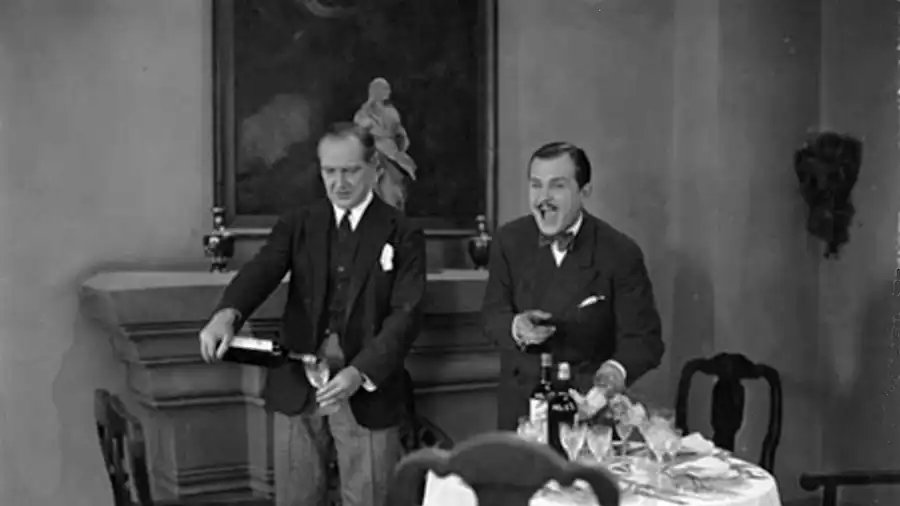
The pacing is generally brisk, though the middle act suffers from some repetitive back-and-forth. There is a sequence involving the moving of the wardrobe through a narrow hallway that goes on about two minutes too long. You can feel the film stretching for time, a common issue in silents that were trying to hit a specific feature-length runtime. It lacks the experimental energy of something like The Dagger Woman, opting instead for a safe, crowd-pleasing rhythm.
One detail that stands out is the set design. The apartment feels lived-in, cluttered with the heavy, dark furniture typical of the German bourgeoisie of the period. It provides a great physical contrast to the light, airy performance of Fritsch. There is also a recurring bit involving a hat that is genuinely funny—a small piece of physical business that feels like it was improvised on the day rather than strictly scripted.
The editing by the end of the film becomes much more frantic. As the lies pile up and the characters converge on the same room, the cuts get shorter. It creates a sense of mounting anxiety that mirrors the protagonist's crumbling social standing. It isn't groundbreaking, but it shows a clear understanding of how to build tension without dialogue.
Die Frau im Schrank is a polished example of late-silent comedy. It doesn't have the emotional depth of a Murnau film or the social bite of a Lang epic, but it isn't trying to. It’s a film about the embarrassment of being caught in a compromising situation, and it handles that theme with a light touch. If you’ve enjoyed other light silents like Walter Tells the Tale, this will be right up your alley. It is a pleasant, well-constructed diversion that serves as a perfect showcase for one of Germany’s greatest silent stars.
IMDb 6.2
1919
Community
Log in to comment.