DbcultAccessing Vault...
Cult Review
Senior Film Conservator
In the annals of early cinema, few narratives capture the intricate dance between personal aspiration and societal expectation with the poignant intensity of 'The Final Curtain'. This cinematic endeavor, penned by the astute Channing Pollock, transcends its seemingly straightforward melodrama to offer a rich tapestry of human foibles, class disparities, and the enduring resilience of the human spirit. It’s a film that, despite its vintage, resonates with a surprising contemporaneity, delving into themes that remain evergreen: the allure of the stage versus the demands of domesticity, the corrosive nature of jealousy, and the relentless machinations of corporate power. From its initial frames, the audience is drawn into a world where destinies are forged and fractured not just by grand gestures, but by the subtle interplay of misunderstanding and unwavering loyalty.
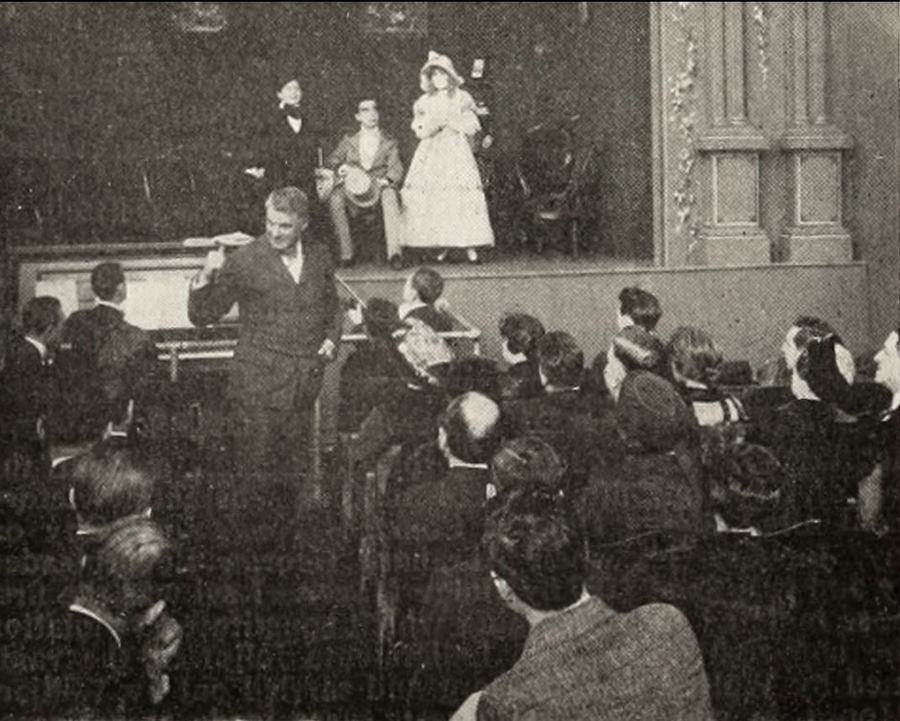
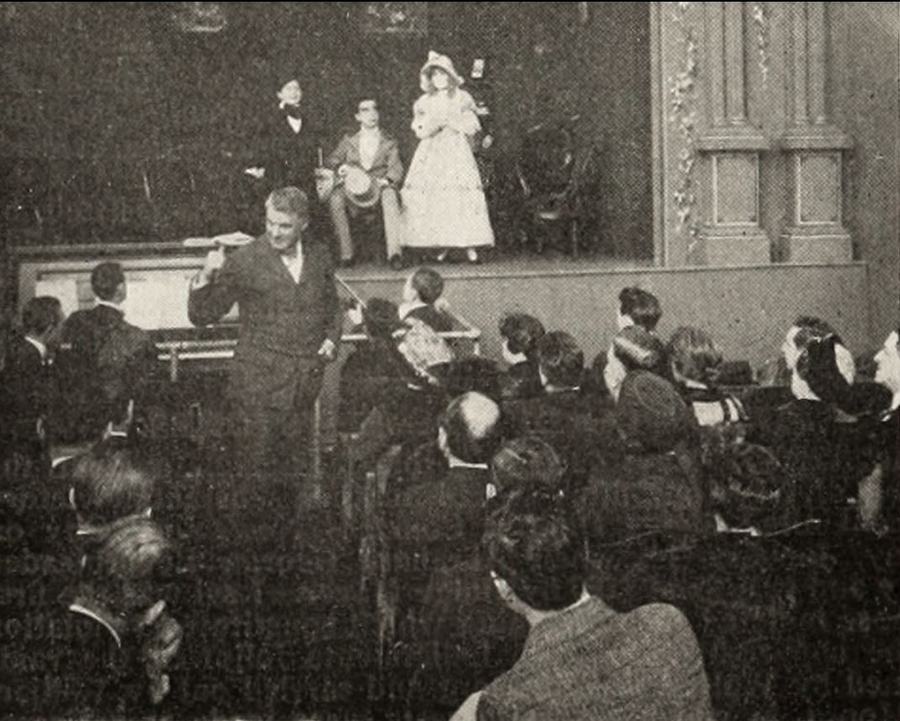
The story unfurls with Lyle, a Broadway luminary, traversing the less glamorous circuits of the American West, engaging in a series of one-night stands. His world, a transient landscape of applause and solitude, is abruptly altered by a chance encounter. Dropping into a modest theatre, a haunt for the '10-20-30 sort' repertoire companies, he is captivated. Not by the spectacle itself, but by a singular presence: Ruth Darrell. Alma Hanlon, in a performance that imbues Ruth with an almost incandescent charm, portrays a young woman whose beauty is matched only by her nascent talent. Lyle, portrayed with a compelling blend of charisma and self-absorption by H.H. McCullum, immediately recognizes in her the ideal muse for a forthcoming Broadway production. This serendipitous discovery sets in motion a chain of events that will irrevocably intertwine their lives, and the lives of many others, in a dramatic ballet of ambition and heartbreak.
Lyle, with the practiced ease of a seasoned impresario, orchestrates Ruth's transition from provincial obscurity to the dazzling, yet often brutal, glare of Broadway. An interview with his New York manager, Banks, played by the dependable W.C. Carleton, solidifies her trajectory. By the following autumn, Ruth finds herself not merely treading the boards, but shining in a new Broadway success, supporting Lyle. Her natural exuberance and infectious joy quickly earn her the affectionate moniker, 'Our Lady of Laughter'. It is here, amidst the burgeoning success and the intoxicating aroma of greasepaint and adoration, that her path crosses with Lord. Arthur Hoops embodies Lord as a man of formidable presence, a wealthy manufacturer of woolen goods, whose world is defined by ledgers and contracts rather than curtain calls. He is instantly smitten, a testament to Ruth's undeniable allure, and, despite the vehement protestations of his maiden sister, Jane (Beryl Mercer, whose portrayal of rigid societal disapproval is masterfully understated), he proposes. Ruth, perhaps swayed by the promise of stability and affection, accepts.
The marriage, however, quickly reveals the chasm separating their two worlds. Ruth, inherently free-spirited and accustomed to the camaraderie of the stage, finds herself increasingly isolated. Lord, a man consumed by the exacting demands of his business, especially after sinking vast sums into a government contract, becomes an absentee husband, his mind perpetually entangled in financial complexities. This narrative thread, exploring the sacrifices demanded by burgeoning capitalism, finds echoes in other period dramas that critique the relentless pursuit of wealth, such as The Birth of a Man, where characters often grapple with the moral compromises inherent in industrial expansion. The domestic sphere, once a potential haven, transforms into a gilded cage for Ruth, devoid of the vibrant company she once cherished.
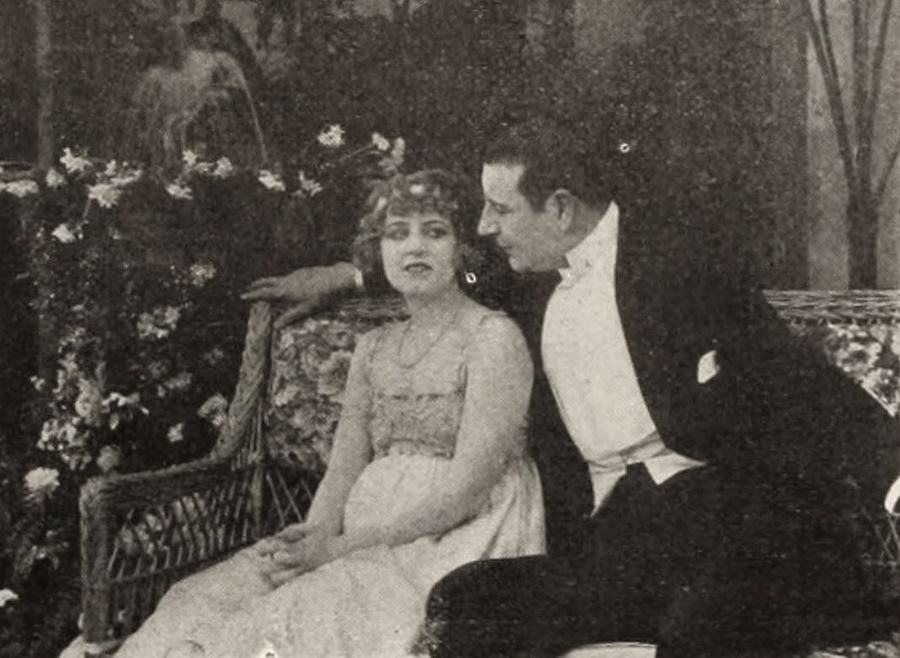
The inevitable clash occurs during a dinner party Ruth hosts for her former theatrical friends. The guest list is a vibrant cross-section of her past life: Lyle, Banks, and the colorful denizens of her old theatrical boarding-house, including the 'Marvelous Sylvesters' (likely a comedic duo, adding a touch of vaudevillian charm). Lord and Jane, representing the staid, unyielding sensibilities of the upper crust, are utterly appalled by the theatrical troupe's uninhibited antics. Jane's protests, sharp and uncompromising, lead Lord to demand that Ruth sever all ties with her past. This ultimatum, however, acts as a catalyst rather than a deterrent. It awakens a dormant spirit within Ruth. Deprived of her husband's companionship and stifled by his rigid expectations, she makes a defiant return to the stage, once again playing in support of Lyle. This pivotal moment underscores a woman's struggle for self-expression and autonomy, a theme explored with varying degrees of intensity in films like The Dawn of Freedom, where characters often seek liberation from oppressive circumstances.
Meanwhile, Lord's financial predicament escalates to a crisis point. Creditors press in, and he makes arrangements with bank president Robbins (Frank Belcher) for a crucial loan, timed to coincide with the due date of several of his notes. However, the shadowy figure of Cole (Herbert Heyes), the formidable head of a woolen trust, perceives an opportunity for ruthless advantage. Cole, a master of corporate manipulation, conspires with Robbins to sabotage Lord's loan at the eleventh hour, aiming to utterly devastate his business. This intricate web of financial treachery and betrayal reflects anxieties about unchecked corporate power, a recurring motif in early cinema, much like the high-stakes machinations depicted in Dope or the moral quandaries of wealth in A Fool There Was.
The narrative reaches a fever pitch one evening when Lord attends the theatre to watch his estranged wife perform. Lyle, perhaps emboldened by drink or a lingering affection, plays the love scenes with Ruth with an exaggerated fervor, a performance that borders on impropriety. Lord observes this from the audience, his jealousy, already a simmering inferno, erupting into a furious rage. The subsequent scene in Ruth's dressing room is a masterpiece of miscommunication and escalating tension. Lord makes his way backstage, only to discover Lyle with Ruth in his arms. In his drunken state, Lyle's embrace is forceful, and from Lord's vantage point, Ruth's resistance is tragically obscured. Mad with a potent cocktail of jealousy and wounded pride, Lord tears Lyle away, knocking him to the floor. Ruth's desperate attempts at explanation are dismissed with a brutal shove, and Lord storms out, leaving behind a scene of emotional devastation. This dramatic peak, where perception tragically distorts reality, is a testament to Pollock's understanding of human psychology, echoing the intense emotional conflicts found in films like Judex, albeit with a more personal, domestic focus.
The aftermath is bleak. Ruth, reeling from the traumatic confrontation and convinced that her love for the stage has irrevocably damaged her marriage, abandons her theatrical career. She seeks anonymity and solace in a new environment, a poignant sacrifice for a love that seems irrevocably broken. Lord, equally devastated but consumed by bitterness, retreats further into the labyrinth of his business affairs, burying his pain beneath a mountain of work. Their separation underscores the fragility of relationships when trust erodes and communication fails, a universal theme that resonates across all eras of storytelling.
However, hope emerges from an unexpected quarter. Banks, the Broadway manager, a character of quiet integrity and growing fondness for Lord, learns the truth. In one of Lyle's characteristic 'tipsy confidential moods,' he confesses that Ruth was entirely innocent in the dressing room incident. Banks, a man of action and empathy, carries this crucial information to Lord, painstakingly working to dispel the cloud of misunderstanding and convince him of Ruth's blamelessness. This intervention highlights the vital role of secondary characters in unraveling complex plots, often serving as moral compasses or agents of truth, similar to the steadfast companions in The Man from Oregon who help protagonists navigate treacherous paths.
Months later, Ruth is discovered in an unlikely new role: a telephone operator. In a remarkable stroke of dramatic irony and fortuitous circumstance, she accidentally cuts into a line, overhearing a conversation between one of Cole's henchmen and his chief. Her husband's name is mentioned, and the sinister details of the plot to double-cross him regarding the loan are laid bare. Without hesitation, Ruth dispatches a messenger boy with an urgent warning to Lord. This moment of selfless action, where personal sacrifice transcends past grievances, marks a turning point in her narrative arc, transforming her from a passive victim of circumstance into an active agent of salvation. Her ingenuity and courage in this moment are truly admirable.
Banks happens to be in Lord's office when the messenger arrives, the news confirming their worst fears. Ever resourceful, Banks recalls a secret affair between banker Robbins and an actress. He rushes to Robbins' office, employing a potent threat: exposure and scandal unless the loan is immediately reinstated as agreed. This desperate gamble, leveraging moral leverage against financial power, is a compelling subplot. Yet, Banks finds Robbins more intimidated by Cole and the monolithic 'money trust' than by the prospect of scandal. Robbins, defiant, refuses, and Banks is forced to retreat, his mission seemingly failed. This highlights the immense power wielded by financial cartels, a theme that resonates with the struggles against powerful entities seen in Brother Against Brother, where individual integrity often clashes with systemic corruption.
Lord, however, pursues a more direct, and ultimately more effective, course of action. He confronts Cole himself. In a scene of gripping tension, Lord threatens the woolen magnate with prosecution for criminal conspiracy, a charge that could dismantle Cole's empire. Cole hesitates, weighing the risks. Lord, seizing the moment, grabs Cole by the throat, forcing him to 'phone Robbins and instruct him to disburse the loan. This dramatic confrontation, a raw display of power and desperation, saves Lord's business. It's a satisfying resolution to the financial intrigue, demonstrating that even the most entrenched corruption can be challenged when faced with unwavering resolve. The sheer intensity of this moment is palpable, reminiscent of the climactic showdowns in early thrillers like On the Night Stage, where protagonists face down formidable adversaries.
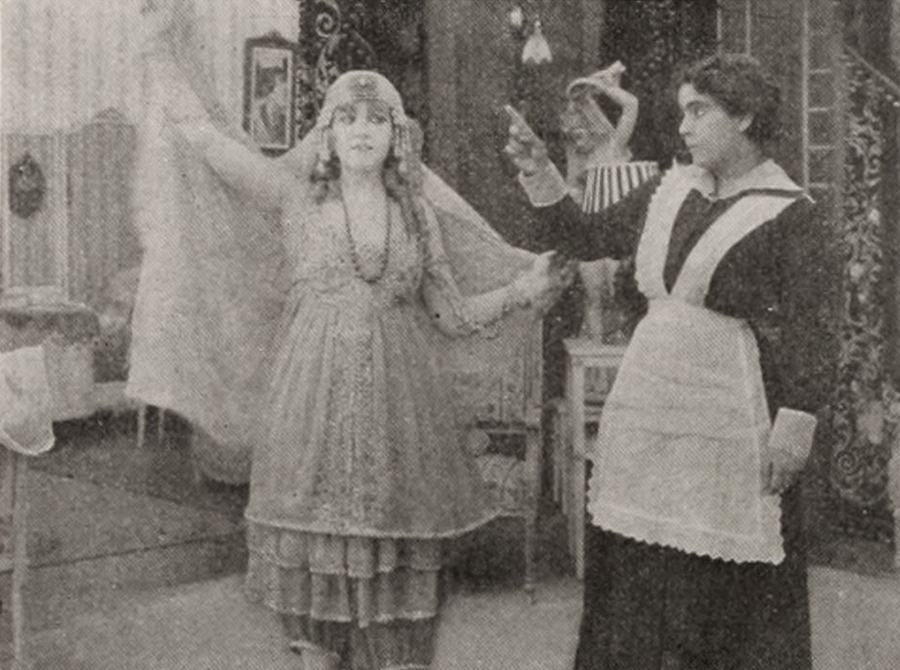
With his financial crisis averted, Lord's first impulse is naturally to express his profound gratitude to the unknown telephone operator who provided the crucial tip. He calls at the station mentioned by the messenger boy, only to find her relief on duty. The other operator, however, provides him with the address of his mysterious benefactress. Lord embarks on this quest, a journey of discovery that will lead him not just to a savior, but to a profound personal revelation. When he is finally brought into her presence, he finds himself face-to-face with his own wife. The recognition, the shock, and the overwhelming surge of emotion must have been powerfully conveyed by Alma Hanlon and Arthur Hoops. The film culminates in their poignant reunion, a testament to enduring love, the triumph of truth over misunderstanding, and the redemptive power of forgiveness. It’s a resolution that feels earned, a carefully constructed narrative arc reaching its emotional zenith.
'The Final Curtain', while undoubtedly a product of its era, offers a surprisingly nuanced commentary on the societal dynamics of the early 20th century. Channing Pollock's screenplay skillfully weaves together themes of class conflict, gender roles, and the ethical dilemmas of industrial capitalism. The clash between the bohemian theatrical world and the rigid industrial aristocracy is vividly portrayed, not just through dialogue and action, but through the very fabric of the characters' lives. Ruth's journey, from a celebrated stage performer to a society wife, then to an estranged telephone operator, and finally to a re-united spouse, mirrors the shifting roles and expectations placed upon women during a period of immense social change. Alma Hanlon's portrayal of Ruth is particularly noteworthy, conveying a spirit that is both vulnerable and fiercely independent, making her character's transformation believable and deeply empathetic.
The film also excels in its depiction of the corrosive effects of jealousy and misunderstanding. Lord's rage in the dressing room scene is a raw, visceral moment that drives the central conflict of the latter half of the film. It's a powerful reminder of how easily love can be shattered by misinterpretation and unchecked emotion. The eventual reconciliation, therefore, feels all the more impactful, not merely as a convenient plot device, but as a hard-won victory for love and truth. The performances by H.H. McCullum as Lyle, Arthur Hoops as Lord, and the entire supporting cast, including Joe Scott, Florence Coventry, and Frank Norcross, contribute to a cohesive and emotionally resonant ensemble. Even minor characters like Prince Sutton and Dan Crimmins add depth to the world of the film, creating a vivid backdrop against which the central drama unfolds.
In an era when cinema was still finding its voice, 'The Final Curtain' stands out for its ambition and its sophisticated narrative structure. It eschews simplistic morality tales for a more complex exploration of human relationships and societal pressures. The intricate financial conspiracy, resolved through Ruth's quick thinking and Banks's shrewdness, adds a layer of suspense and intellectual engagement that elevates it beyond a mere domestic drama. The resolution, where personal integrity and cunning overcome corporate greed, offers a satisfying, if somewhat idealized, vision of justice. It’s a narrative that speaks to the enduring appeal of stories where individuals confront powerful, seemingly insurmountable forces, much like the struggles depicted in Sentenced for Life or The Story of the Kelly Gang, where characters fight against the odds to secure their freedom or justice.
Ultimately, 'The Final Curtain' is more than just a historical artifact; it is a vibrant piece of cinematic storytelling that continues to captivate with its timeless themes and compelling characters. It reminds us that the human heart, with all its complexities of love, jealousy, ambition, and forgiveness, remains the most fascinating subject for any artist. Channing Pollock’s vision, brought to life by a dedicated cast and crew, ensures that this curtain, far from being final, continues to rise in the minds of those who appreciate the enduring power of classic cinema. It's a powerful testament to the fact that even in an era of nascent filmmaking, stories could be told with profound emotional depth and intricate plotlines, leaving audiences with much to ponder long after the final frame fades to black.
IMDb —
1925
Community
Log in to comment.