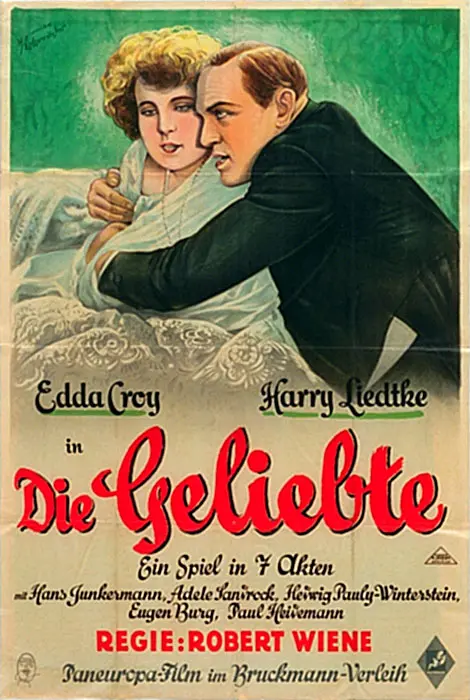
A definitive 4/10 rating for a film that redefined the boundaries of cult cinema. Die Geliebte remains a cornerstone of transgressive art.
Does Die Geliebte still hold relevance in an era of digital transparency? Short answer: yes, but primarily as a chilling reminder that the mechanics of social shaming have changed very little in a century.
This film is for the dedicated cinephile who values character-driven social critique over spectacle. It is not for the casual viewer who finds the deliberate pacing of silent-era German drama to be an insurmountable barrier.
The Core Conflict: Virtue in a Den of Wolves
Die Geliebte works because it refuses to romanticize the village life that so many other films of its era held dear. Instead, it presents the rural landscape as a claustrophobic trap. The film fails because its final act leans slightly too hard on a convenient resolution that feels disconnected from the gritty realism of the opening hour. You should watch it if you want to see a masterclass in how silent film actors used subtle physical shifts to convey complex social anxieties.
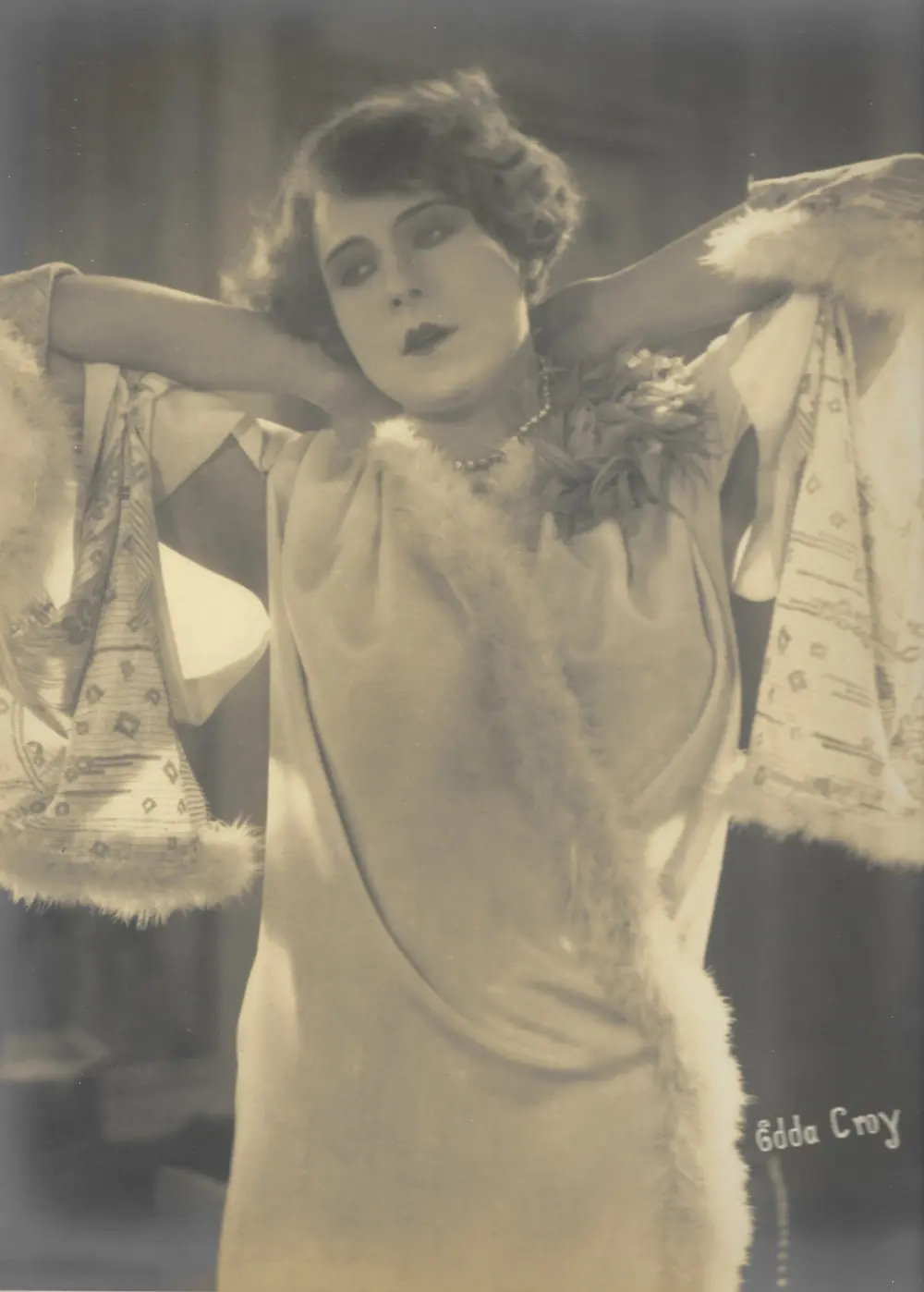
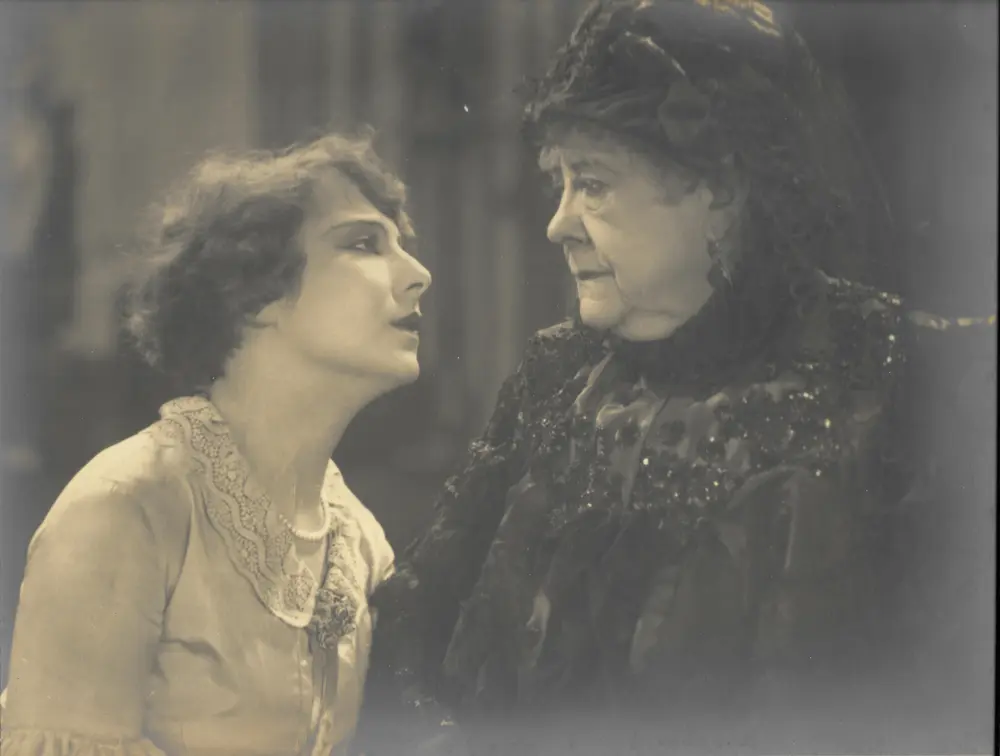
Scene from Die Geliebte
Cinematic perspective: Exploring the visual vocabulary of Die Geliebte (1927) through its definitive frames.
The story, based on Sándor Bródy’s play, is a scathing indictment of the 'respectable' class. We see Hedwig Pauly-Winterstein deliver a performance of quiet, simmering resilience. She doesn't play a victim; she plays a woman who is acutely aware of the traps being set for her. In one specific scene, the village elders gather in a dimly lit room to discuss her 'morality.' The camera lingers on their grotesque, self-important faces, creating a sense of dread that rivaled anything found in the more famous horror films of the time.
Is this film worth watching?
If you are looking for a historical document that captures the tension of the Weimar Republic's social shifts, then Die Geliebte is essential. It lacks the flamboyant visual distortion of films like The Cabinet of Dr. Caligari, but it replaces that style with a grounded, psychological weight. It is a film that demands your full attention. If you give it that, it rewards you with a biting commentary on how power protects itself.
The film sits in a unique space compared to other works of the period. While The Girl Who Came Back deals with the trauma of return, Die Geliebte deals with the trauma of arrival. It shares some DNA with Tamilla in its exploration of women trapped by traditionalist expectations, yet it feels more modern in its cynicism toward the male characters.
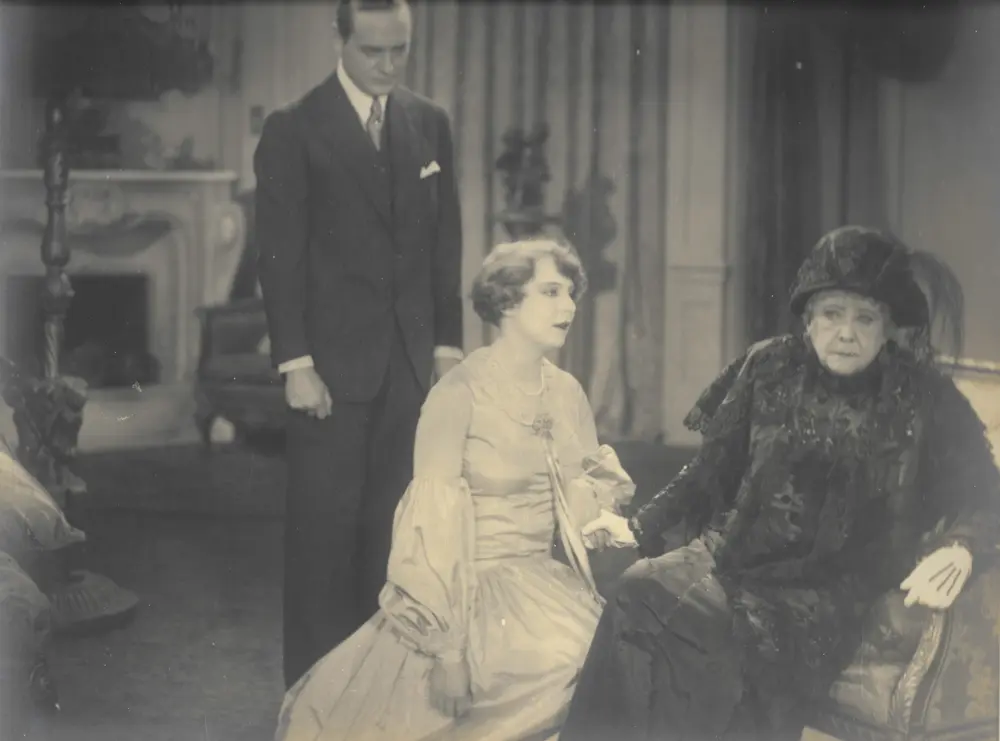
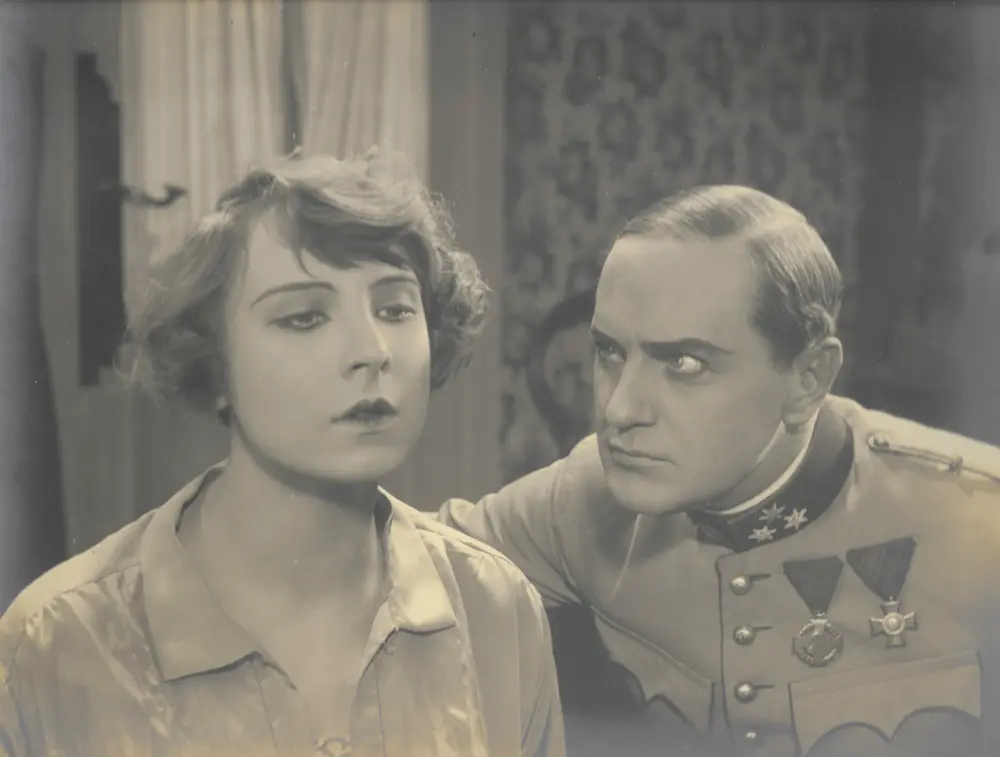
Scene from Die Geliebte
Cinematic perspective: Exploring the visual vocabulary of Die Geliebte (1927) through its definitive frames.
Directing and the Power of the Frame
The direction by Robert Wiene (though often debated in its level of involvement compared to the writers Leo Birinsky and Sándor Bródy) focuses heavily on the gaze. The way the male characters look at the protagonist is often more violent than any physical action. This is cinematography as voyeurism. The camera often positions the viewer behind a window or a door, making us feel like another gossiping member of the village. It is an uncomfortable but effective choice.
Contrast this with the visual language of The Cyclist, which uses motion to define its protagonist. In Die Geliebte, the protagonist is often stationary, framed by the rigid architecture of the schoolhouse or the oppressive furniture of the local tavern. She is a bird in a very expensive, very old cage. The pacing is deliberate. Some might call it slow. I call it necessary. You need to feel the time passing in this town to understand why the characters are so desperate for a scandal.
Key Takeaways
Best for: Viewers who enjoy psychological dramas and historical social critiques.
Not for: Those who require high-speed action or traditional happy endings.
Standout element: The ensemble performance of the village elders, which creates a palpable sense of institutional rot.
Biggest flaw: A tonal shift in the final ten minutes that feels like a concession to the censors of the time.
The Acting: A Study in Restraint
Harry Liedtke provides a necessary counterpoint to the more grotesque figures in the town, but the film truly belongs to the women. Adele Sandrock, as usual, is a force of nature. Her presence on screen commands a different kind of authority than the male characters. She represents the internal policing of the patriarchy—women who uphold the very systems that suppress them. It is a nuanced performance that avoids the 'evil old woman' trope in favor of something more complex and tragic.
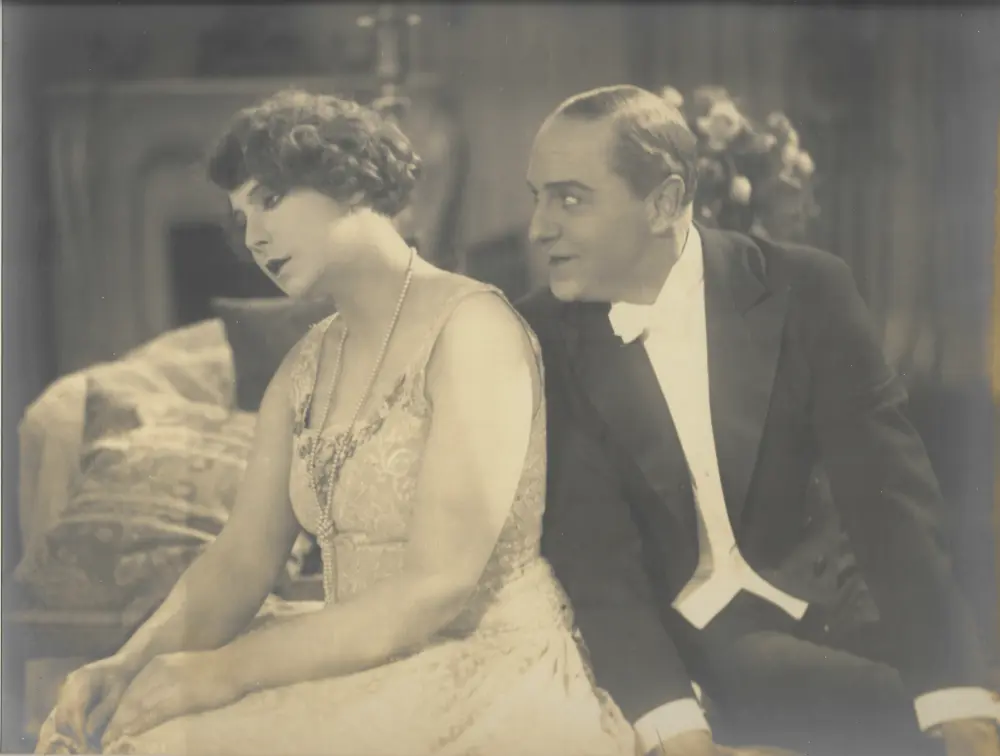
Scene from Die Geliebte
Cinematic perspective: Exploring the visual vocabulary of Die Geliebte (1927) through its definitive frames.
The acting style here is notably more restrained than in many silent films. There is less flailing and more staring. This works. It makes the moments of emotional outburst feel earned. When the teacher finally breaks her silence, it carries the weight of an explosion. It reminds me of the grounded tension found in Stranded, though the stakes here feel more personal and less industrial.
Pros and Cons
Pros: Sharp social commentary; exceptional set design that mirrors the characters' internal states; a brave lead performance.
Cons: The middle section can feel repetitive; some minor characters are caricatures rather than people; the print quality of surviving versions varies wildly.
Scene from Die Geliebte
Cinematic perspective: Exploring the visual vocabulary of Die Geliebte (1927) through its definitive frames.
A Forgotten Connection to Modernity
One surprising observation is how the film treats the concept of 'truth.' In the village of Die Geliebte, truth is whatever the most powerful man says it is. This feels eerily similar to modern discourse. The film doesn't just show a woman being bullied; it shows the systematic dismantling of her reality. This is gaslighting before the term was popularized. It makes the film feel less like a museum piece and more like a warning.
Unlike the more adventure-focused The Galloping Jinx or the crime-heavy Under the Rouge, Die Geliebte finds its thrills in a conversation over tea or a look shared across a classroom. It is a quiet film that makes a lot of noise in your head after it’s over.
Technical Execution and Atmosphere
The lighting in the schoolhouse scenes is particularly noteworthy. While not full-blown Expressionism, there is a clear use of shadow to isolate the protagonist. She is often the only character bathed in a naturalistic light, while the villagers are obscured or harshly lit from below. This visual storytelling does the work that dialogue would do in a sound film. It tells us who is honest and who is hiding something.
Scene from Die Geliebte
Cinematic perspective: Exploring the visual vocabulary of Die Geliebte (1927) through its definitive frames.
The writing by Leo Birinsky is tight. He understands that in a small town, information is the only real currency. The way secrets are traded in the film is reminiscent of a spy thriller. It’s a sophisticated script that doesn’t rely on title cards to explain every emotion. The images do the talking. It works. But it’s flawed in its pacing, particularly in the transition between the second and third acts where the momentum stalls briefly.
Verdict
Die Geliebte is a sharp, often painful look at the cost of integrity. It eschews the easy thrills of its contemporaries for a deep dive into the human capacity for pettiness and cruelty. While it suffers from a slightly dated resolution, the performances and the atmospheric direction make it a standout of 1920s German cinema. It is a film that demands to be seen by anyone who thinks that 'cancel culture' is a new invention. The village has always been watching. And the village is rarely kind.
Final Score: 8/10 - A biting social critique that remains uncomfortably relevant.