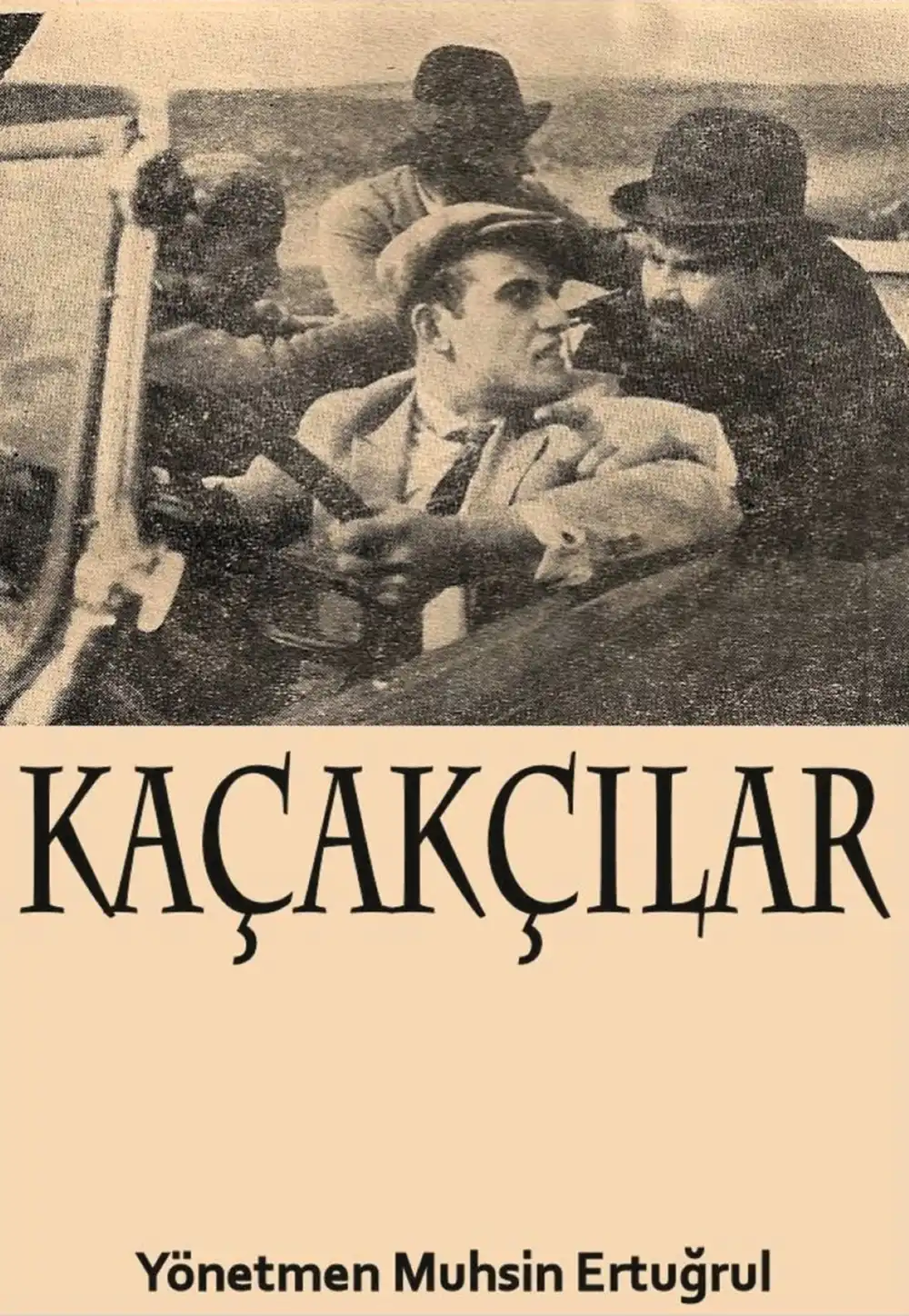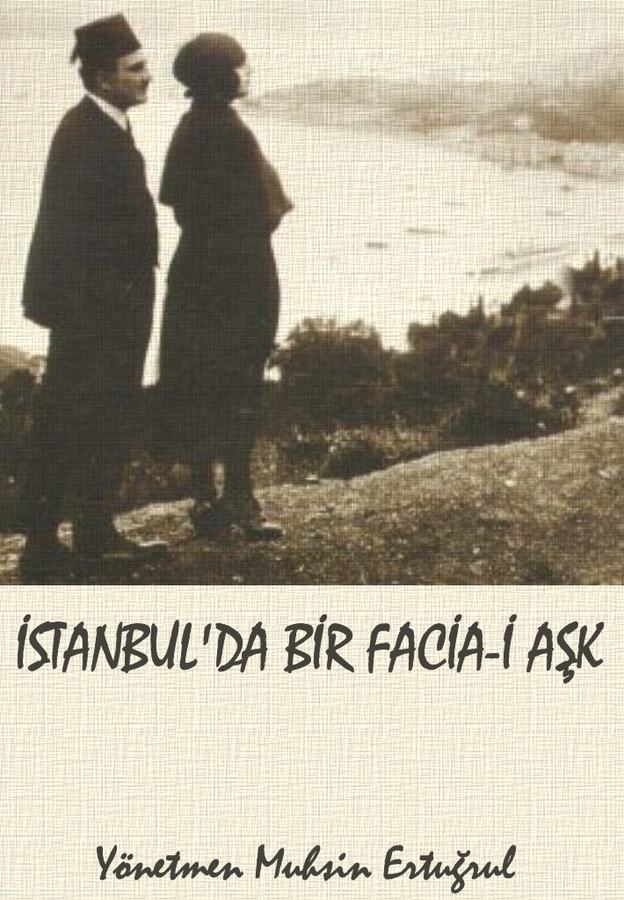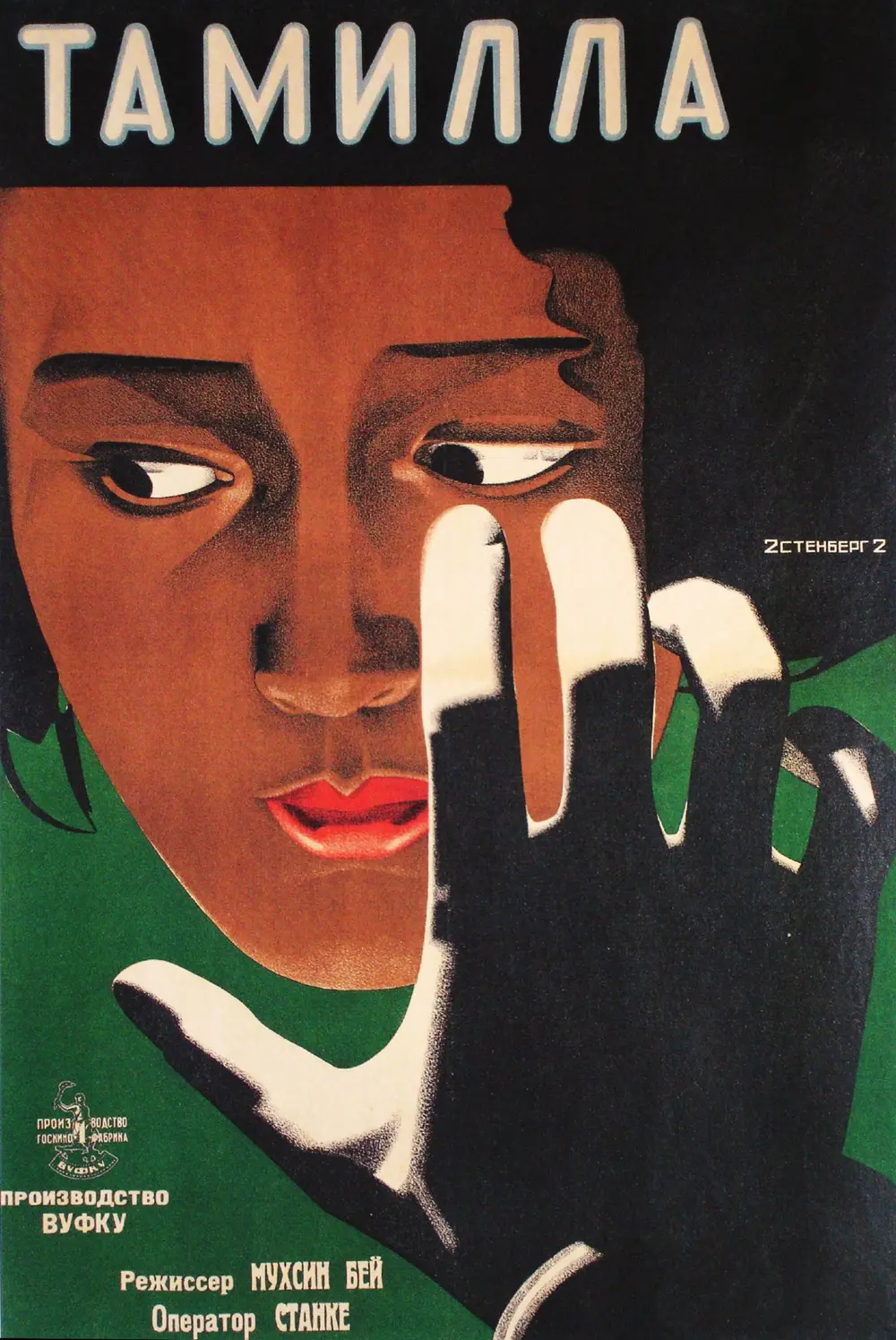
Tamilla is a 1927 film written by Maria Moraf and directed by Muhsin Ertugrul. The screenplay was adapted from Ferdinand Duchêne's work of the same name.
Is Tamilla a forgotten masterpiece or merely a historical curiosity? Short answer: It is a devastating, essential piece of social realism that feels shockingly modern in its anger, even if its silent-era pacing demands a patient viewer.This film is for the cinephile who wants to see the roots of transnational cinema an...
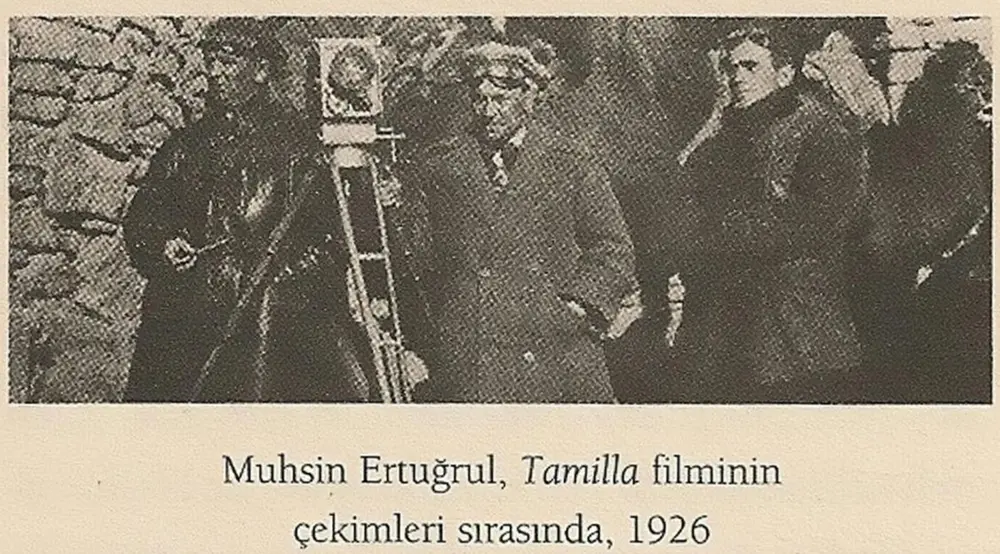
behind_the_scenes
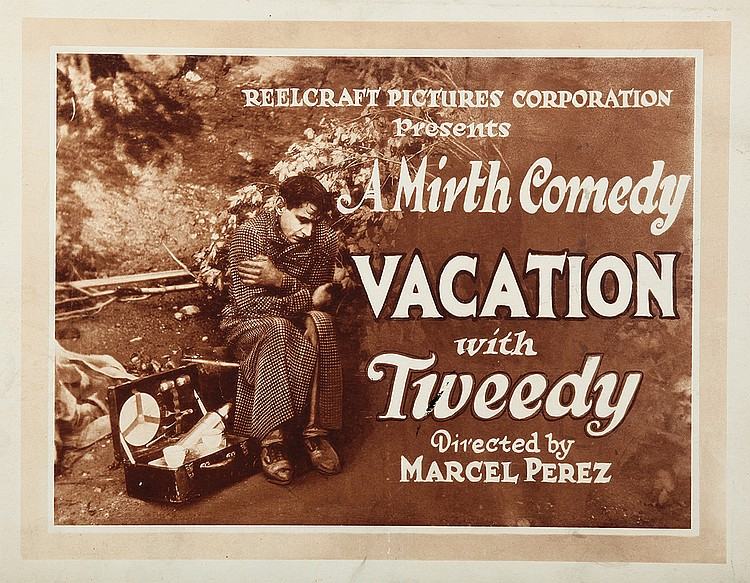
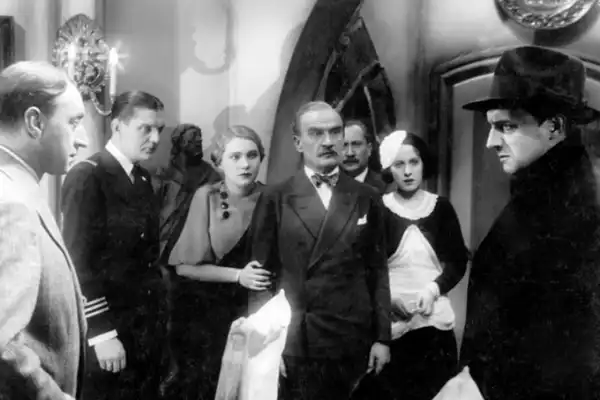
Comparing the cinematic DNA and archive impact of two defining moments in cult history.
Muhsin Ertugrul
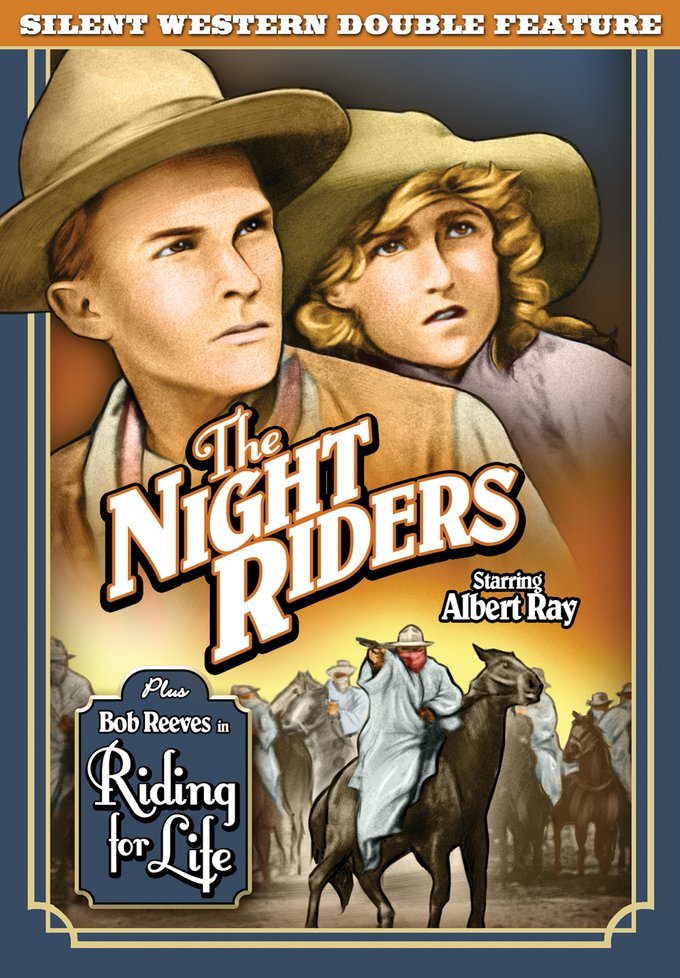
Alexander Butler
Community
Log in to comment.
"Is Tamilla a forgotten masterpiece or merely a historical curiosity? Short answer: It is a devastating, essential piece of social realism that feels shockingly modern in its anger, even if its silent-era pacing demands a patient viewer.This film is for the cinephile who wants to see the roots of transnational cinema and those who appreciate stories of systemic injustice. It is definitely not for those seeking the escapist, high-octane thrills of 1920s adventure serials or lighthearted slapstick...."
Ivan Kapralov
Mariya Moraf, Muhsin Ertugrul, Ferdinand Duchenne
Soviet Union