DbcultAccessing Vault...
Cult Review
Senior Film Conservator
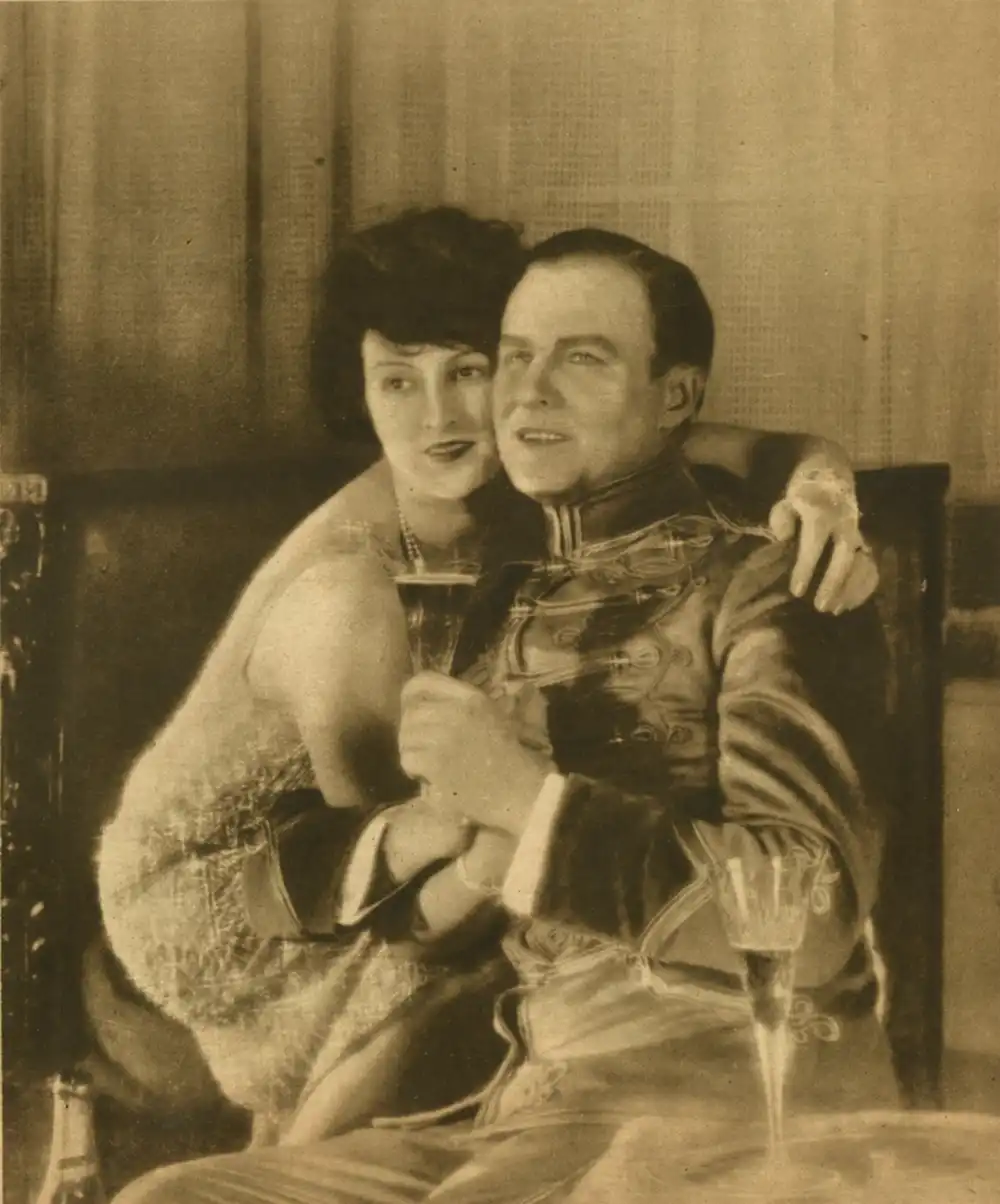
Die Geliebte seiner Hoheit is one of those old silent films that, honestly, is probably only for a very specific crowd today. If you’re into seeing how melodrama worked a century ago, especially with a bit of royal intrigue thrown in, you might find some charm here. But if you’re looking for fast pacing or anything resembling modern storytelling, you’ll probably just find yourself checking your watch every few minutes.
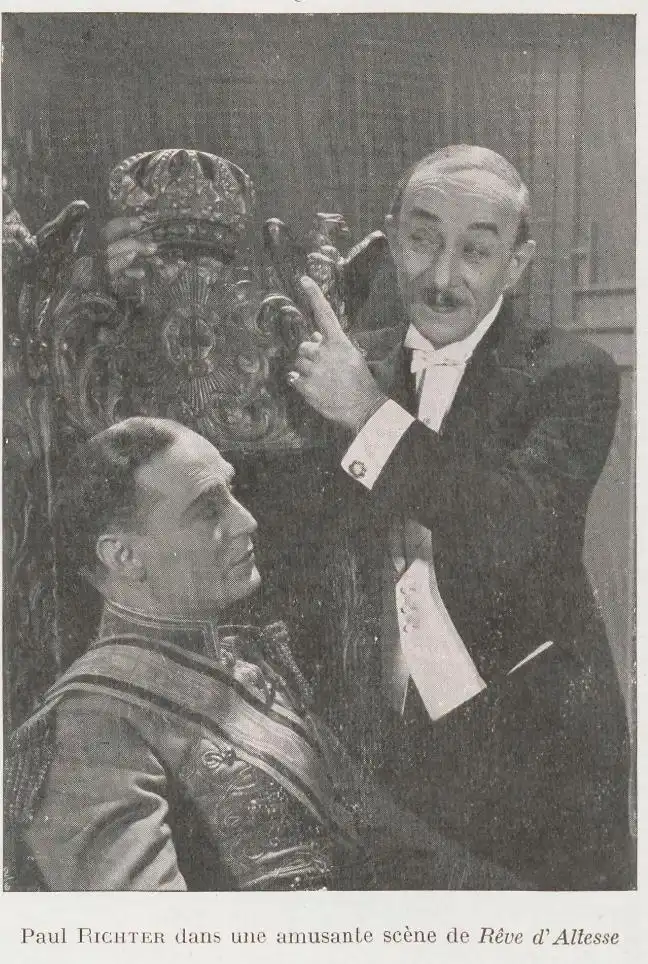
Right from the start, you get this sense of a world that’s all about appearances. Paul Richter, as the noble in question, has such a regal, almost stiff presence. His eyes, though! They really do a lot of the talking, conveying this deep, internal struggle without needing a single intertitle card sometimes. You see the conflict just playing out on his face.
Lia Eibenschütz, as the woman he falls for, is just *radiant*. There’s a scene early on, maybe a garden party or something, where she’s wearing this really delicate, almost ethereal dress. She stands out, even among a crowd of other well-dressed folk, which is exactly what the story needs you to feel. That shot lingers a bit, just enough to make her presence felt.
The whole 'prince falls for commoner' thing isn't new, of course, but the way it unfolds here, there’s a quiet tragedy to it. The film takes its time. A *lot* of time. You’ll get long shots of characters just… contemplating. Or walking. It’s not boring, exactly, but it asks for a certain kind of patience.
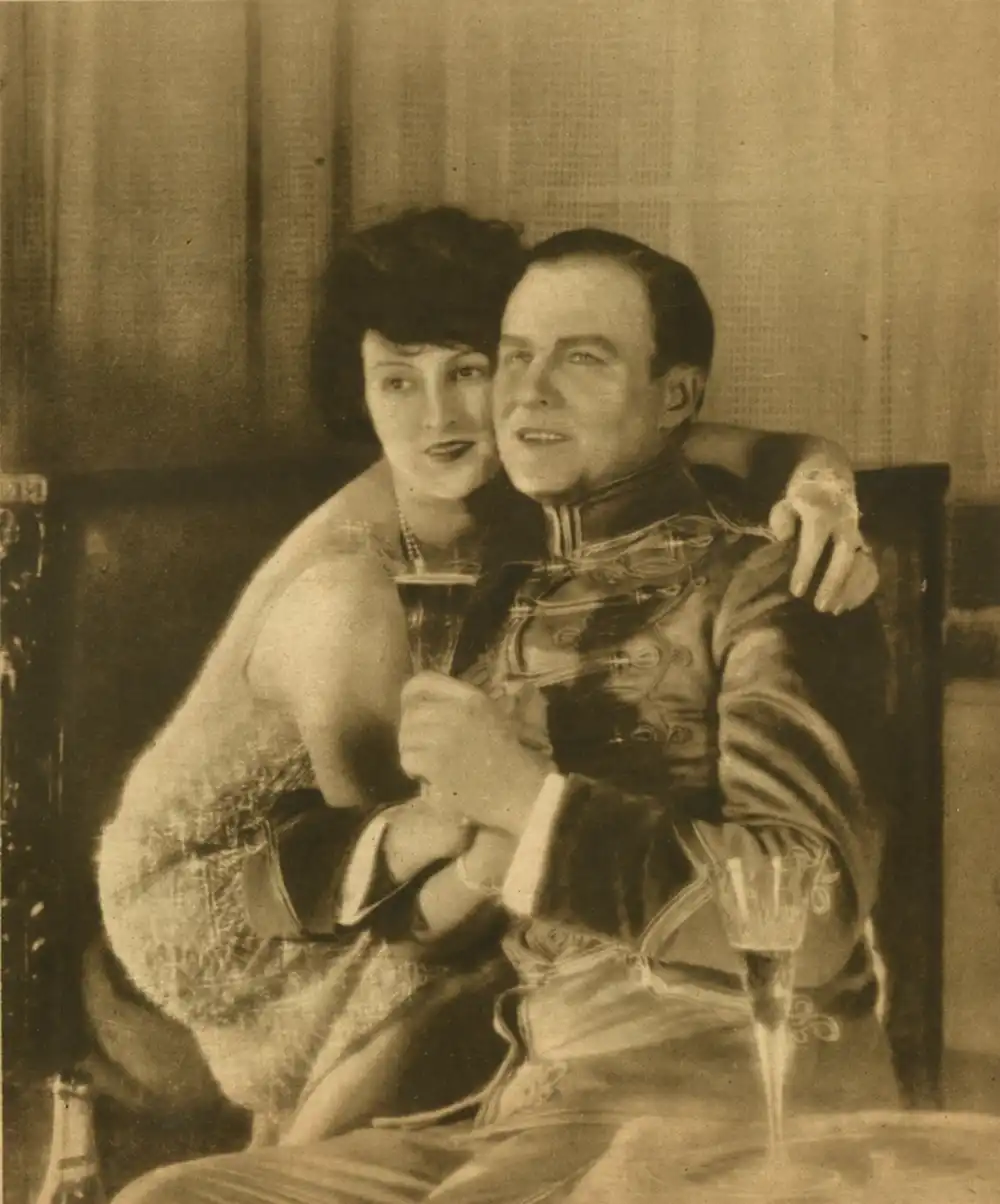
There's a sequence, I think it’s when they first truly acknowledge their feelings for each other, where the camera just holds on their faces for what feels like an eternity. It’s so intense. You can practically hear the dramatic score swelling, even if you’re just watching it on a laptop at home without a live orchestra. 👀
Mary Kid plays another significant woman in the story, and her expressions are wonderfully sharp. She’s often framed in a way that makes her seem slightly off, a little bit more calculating than the others. It’s a subtle thing, but it works to build a different kind of tension.
I found myself wondering about the logistics of some of those grand ballroom scenes. The sheer number of extras, all moving with such… *purpose*. It gives the movie this real sense of scale, even if some of the background faces look a little bit lost. It just adds to the atmosphere.
The pacing, for sure, is very much a product of its time. We’re used to cuts every few seconds now, but here, a single shot can last a full minute. It’s meditative, in a way, but also occasionally makes you want to fast-forward just a tiny bit. Then again, maybe that’s part of the charm, forcing you to slow down.
One odd little detail I noticed: the way they use close-ups on hands. There’s a moment where a letter is passed, and the shot focuses so tightly on the fingers brushing, almost missing the letter itself. It’s a very intimate touch, almost overlooked, but it stuck with me. Like a secret being shared just between those two.
The ending, without giving too much away, really leans into the melodramatic. It feels earned, though, after all the build-up. You spend so much time watching these people struggle with what they *want* versus what they *can have*. It’s a classic, bittersweet kind of finish. 💔
So, is it worth seeking out? If you’re a silent film enthusiast, absolutely. If you’re curious about early German cinema or just love a good, old-fashioned, visually driven romance, give it a shot. But if you're someone who gets impatient quickly, this might be a tough watch. It’s a beautiful artifact, really, but one that demands a specific kind of viewing.
IMDb —
1914
Community
Log in to comment.