DbcultAccessing Vault...
7.2/10
Senior Film Conservator
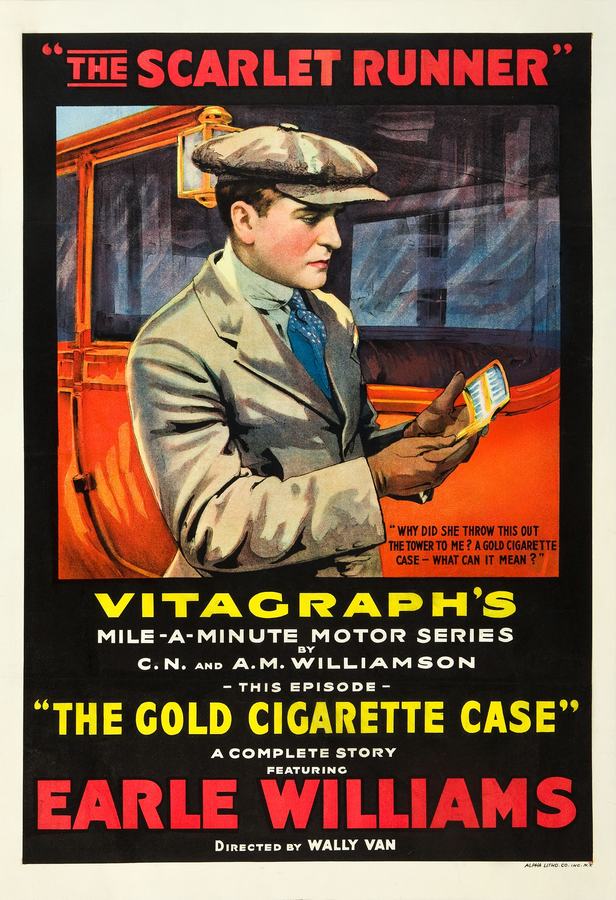
A definitive 7.2/10 rating for a film that redefined the boundaries of cult cinema. The Scarlet Runner remains a cornerstone of transgressive art.
To witness The Scarlet Runner (1916) is to step into a temporal rift where the clatter of horse hooves is being systematically drowned out by the rhythmic thrum of the piston. This twelve-episode Vitagraph production is not merely a film; it is a celluloid manifesto for the automotive age, a sprawling, episodic tapestry that celebrates the liberation afforded by the machine. In an era where the feature film was still wrestling with its own structural identity, this serial opted for a fragmented brilliance, presenting twelve independent stories linked only by the presence of a hero, his car, and the boundless horizon of the open road.
At the heart of this kinetic phantasmagoria lies the Scarlet Runner itself. In 1916, the automobile was not a mundane utility but a symbol of promethean fire—a tool of the elite that was rapidly becoming the vanguard of modern adventure. Earle Williams, playing Christopher Race, embodies the transition from the Victorian gentleman to the modern action hero. Unlike the tortured protagonists often seen in contemporary works like The Cheat, Williams’ Race is a figure of unwavering competence. He is the driver as a moral compass, steering through the moral ambiguities of a world in flux.
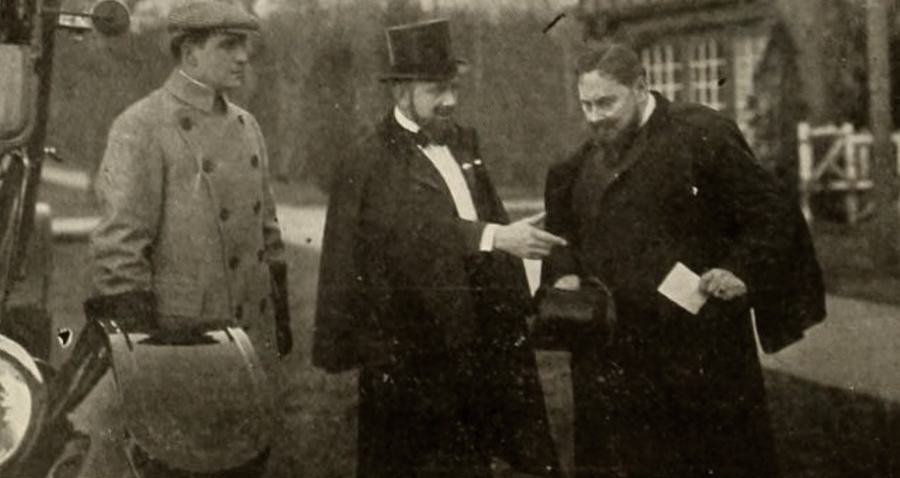
The series functions as a proto-procedural, a precursor to the television anthologies of the future. Each two-reel installment offers a self-contained universe. In "The Nuremberg Watch," we see a fascination with mechanical precision that mirrors the filmmaking process itself. The cinematography, though bound by the technical limitations of the time, manages to evoke a sense of sweeping movement that was revolutionary. While Mysteries of the Grand Hotel utilized static luxury as its backdrop, The Scarlet Runner thrives on the grit of the road and the unpredictability of the landscape.
The structural audacity of casting a new ensemble for every episode—save for Williams—creates a fascinating viewing experience. It mirrors the fleeting nature of travel itself; we meet these characters, become embroiled in their desperate circumstances, and then leave them in the rearview mirror. Figures like Edith Storey and Dorothy Kelly provide the necessary emotional stakes, their performances vibrating with the histrionic intensity characteristic of the mid-silent era. There is a palpable sense of theatricality here, yet it is grounded by the visceral reality of the outdoor locations.
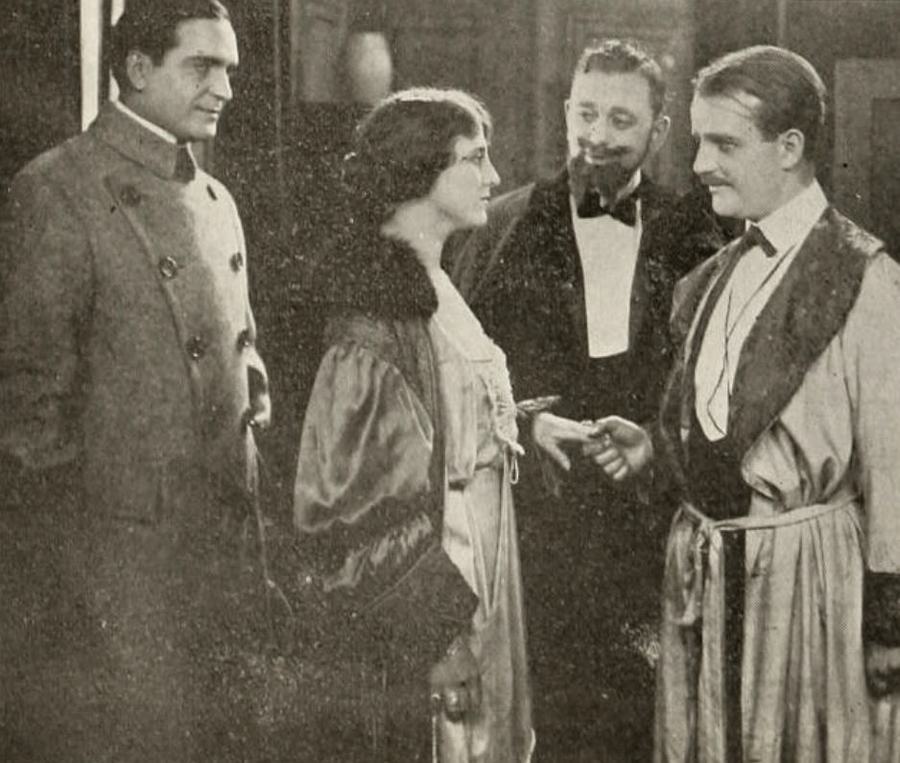
Consider "The Jacobean House" (Episode #5). It leans heavily into the gothic tropes that would later define the horror genre, yet the resolution is always tethered to the modern world. This juxtaposition of the ancient and the innovative is a recurring motif. Much like The Master Hand, the film explores themes of inheritance and secrets, but it solves them through the sheer velocity and agency provided by the car. The Scarlet Runner is the ultimate deus ex machina, a red bolt of lightning that strikes down the shadows of the past.
The writing, credited to George H. Plympton and the Williamsons, displays a remarkable lexical diversity in its plotting. We move from the political intrigue of "The Hidden Prince" to the more intimate, almost noir-ish atmosphere of "The Gold Cigarette Case." This breadth of storytelling prevents the serial from falling into the trap of repetitive melodrama. It feels like a precursor to the globetrotting adventures of the 1930s, yet it possesses a sincerity that is uniquely of its time. While films like Coral or Damaged Goods were tackling heavy social issues with a somber gravity, The Scarlet Runner offers a more buoyant, albeit equally sophisticated, exploration of human nature.
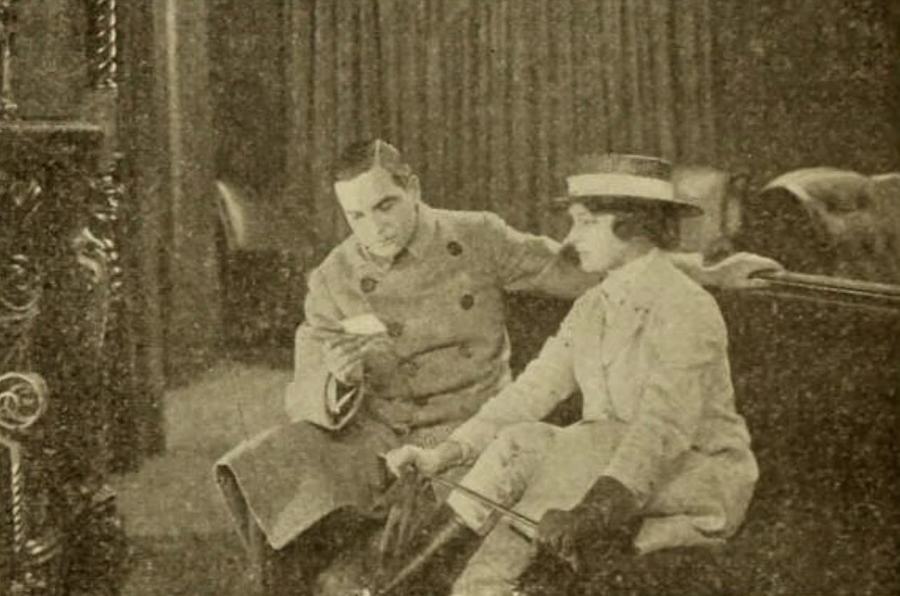
Visually, the film is a masterclass in early composition. The way the car is positioned within the frame—often cutting a diagonal swath across the screen—suggests a breaking of the fourth wall, an invitation to the audience to join the journey. The lighting in the interior scenes of "The Masked Ball" shows a burgeoning understanding of shadow and depth, moving away from the flat, stage-like illumination of the early 1910s. It lacks the surrealist leanings of Spellbound, but it replaces that dream-logic with a rugged, tactile realism that is arguably more immersive.
Why does The Scarlet Runner remain relevant to the modern cinephile? It is because it documents the birth of the 'cool.' Christopher Race is the progenitor of the cinematic driver, a lineage that stretches through the decades to Steve McQueen and beyond. The film captures the exhilaration of speed before it became a mundane part of the human condition. In "The Red Whiskered Man," the tension is derived not just from the villainy of the antagonist, but from the question of whether the machine can outrun the malice of man. It is a primal conflict, recontextualized for a technological society.
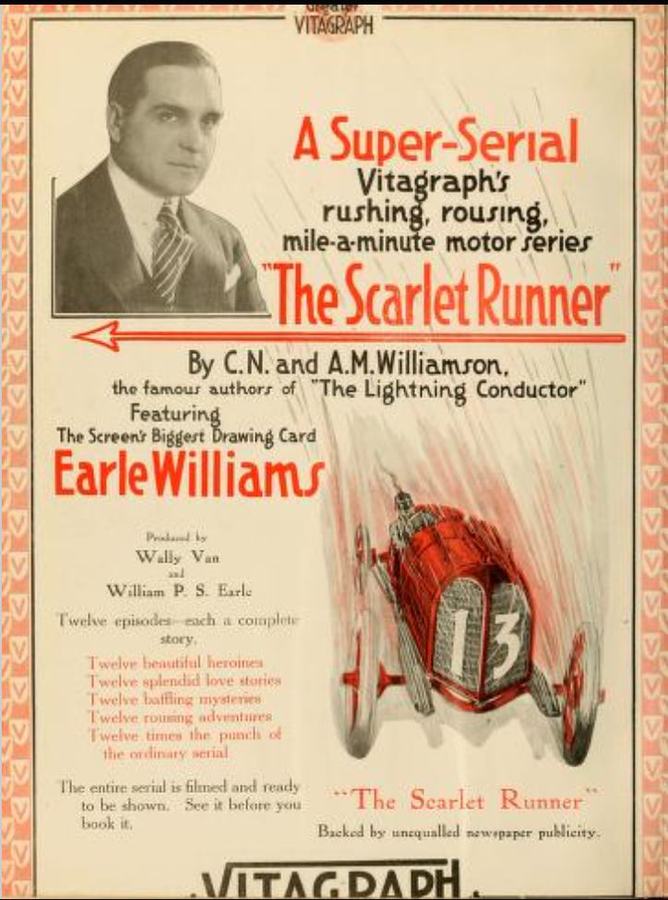
When compared to contemporary character studies like Trilby (1915), which focuses on the psychological subjugation of its lead, The Scarlet Runner is an anthem of autonomy. Race is never a victim of his circumstances; he is the master of his engine. Even in the more poignant episodes like "The Lost Girl," there is an underlying sense of hope provided by the mobility of the protagonist. The car represents a way out, a way forward, and a way through.
As we reach the final episode, "The Car and the Girl," the cycle completes itself. The episodic fragmentation yields to a sense of thematic closure. The journey was never about the destination, but about the transformative power of the transit itself. The Scarlet Runner, covered in the dust of twelve different adventures, remains a shimmering icon of the Vitagraph spirit. It lacks the satirical bite of Old Dutch or the moralizing weight of Who Pays?, but it possesses a kinetic joy that is infectious even a century later.
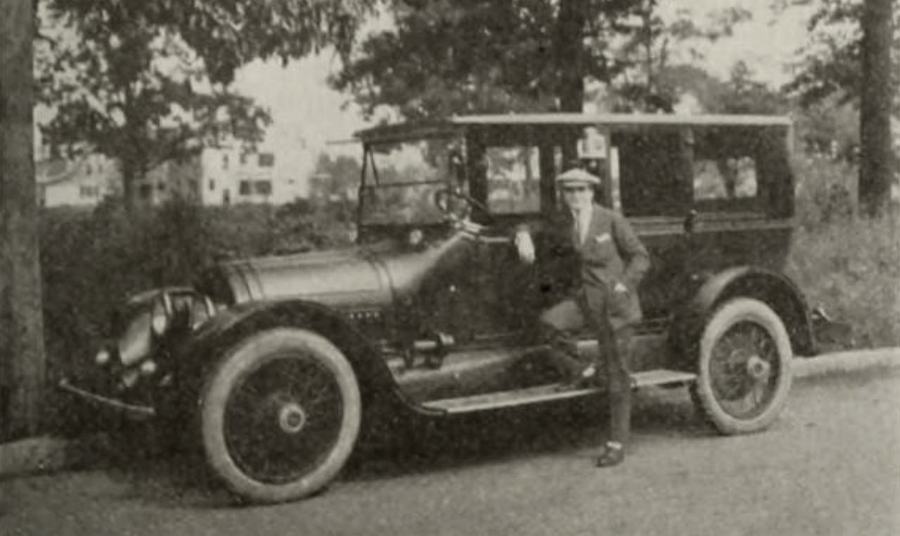
In the grand pantheon of 1916 cinema, this serial stands as a testament to the medium's ability to capture the zeitgeist. It is a film of gears and grease, of lace and leather, of high-speed chases and quiet moments of chivalry. It reminds us that at the dawn of the industry, the camera was just as much a marvel of engineering as the car it was filming. To watch Earle Williams disappear into the distance in his scarlet machine is to witness the very moment that cinema learned to drive. It is a vital, vibrant piece of history that deserves more than a mere footnote; it deserves a place in the front row of our collective cinematic memory.
Note: For those interested in the scenic beauty of the era's location scouting, one might find a spiritual, if not narrative, sibling in the documentary short Beautiful Lake Como, Italy, which shares that same early-century wanderlust.
IMDb 5.1
1931
Community
Log in to comment.