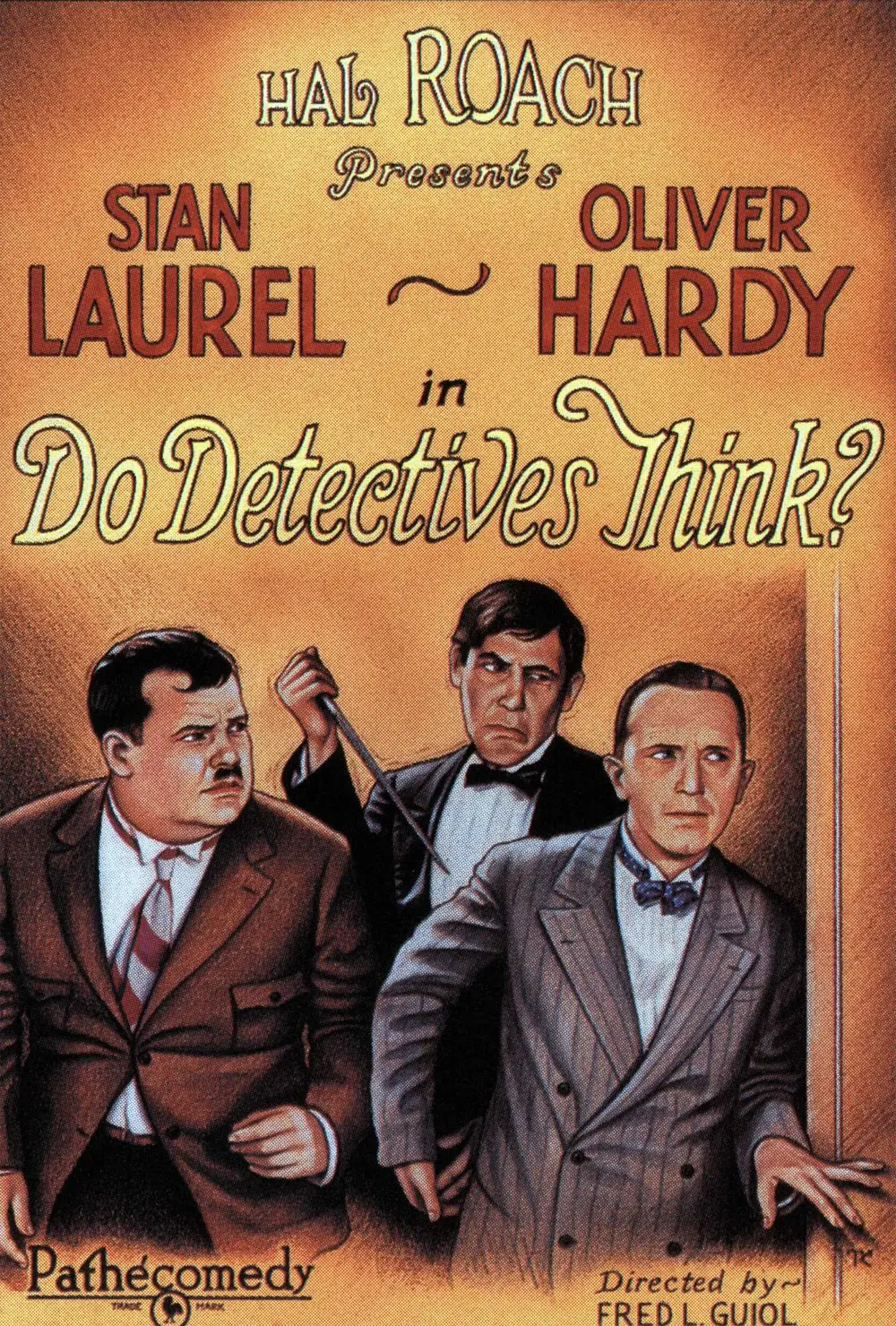
A definitive 6.7/10 rating for a film that redefined the boundaries of cult cinema. Do Detectives Think? remains a cornerstone of transgressive art.
Is "Do Detectives Think?" worth watching today? Short answer: yes, but with significant caveats. This early silent short, featuring Ed Brandenburg alongside an embryonic Stan Laurel and Oliver Hardy, serves less as a standalone comedic tour-de-force and more as an invaluable historical document, a raw blueprint for the legendary duo that would soon define an era of laughter. It's a film for the dedicated silent cinema enthusiast, the Laurel & Hardy completist, and anyone fascinated by the genesis of comedic genius, but it is emphatically not for those seeking polished storytelling or modern comedic sensibilities.
For contemporary audiences accustomed to rapid-fire dialogue and intricate plots, its deliberate pacing and reliance on purely visual gags might feel archaic. However, for those willing to engage with its historical context, it offers a fascinating glimpse into the nascent stages of comedic brilliance.
The Genesis of Laughter: An Introduction to Early Hal Roach Comedy
"Do Detectives Think?", a 1927 Hal Roach production, captures a pivotal moment in film history. It exists as a curious artifact, preceding the official formation of the iconic Laurel and Hardy partnership by mere months, yet it unmistakably showcases the two future legends sharing the screen in a significant capacity. Directed by Hal Roach himself, alongside H.M. Walker as writer, the film is a testament to the era's unpretentious approach to comedy: simple premises, exaggerated performances, and an unwavering commitment to physical gags.
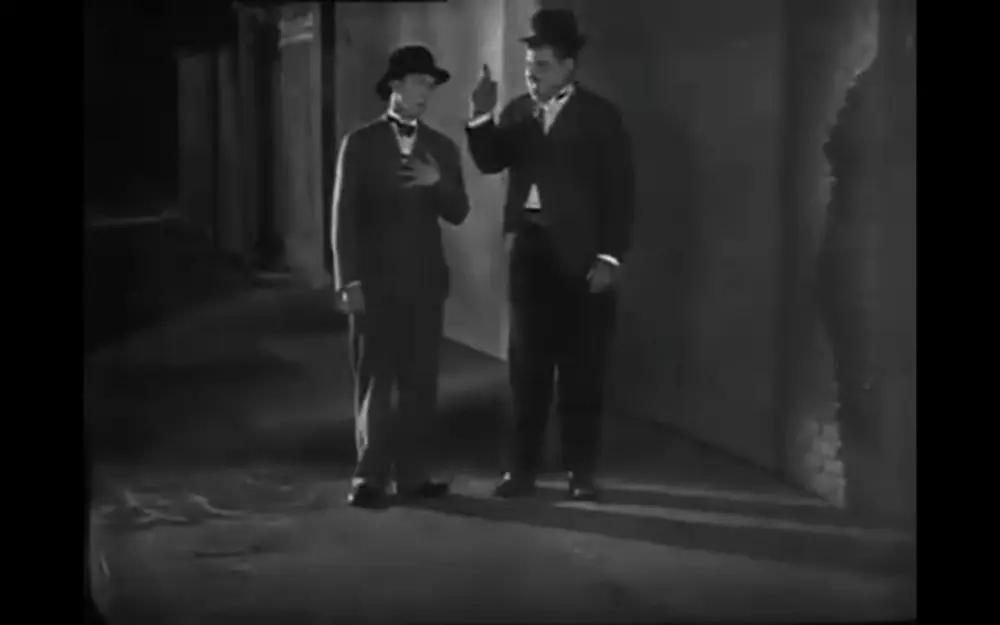
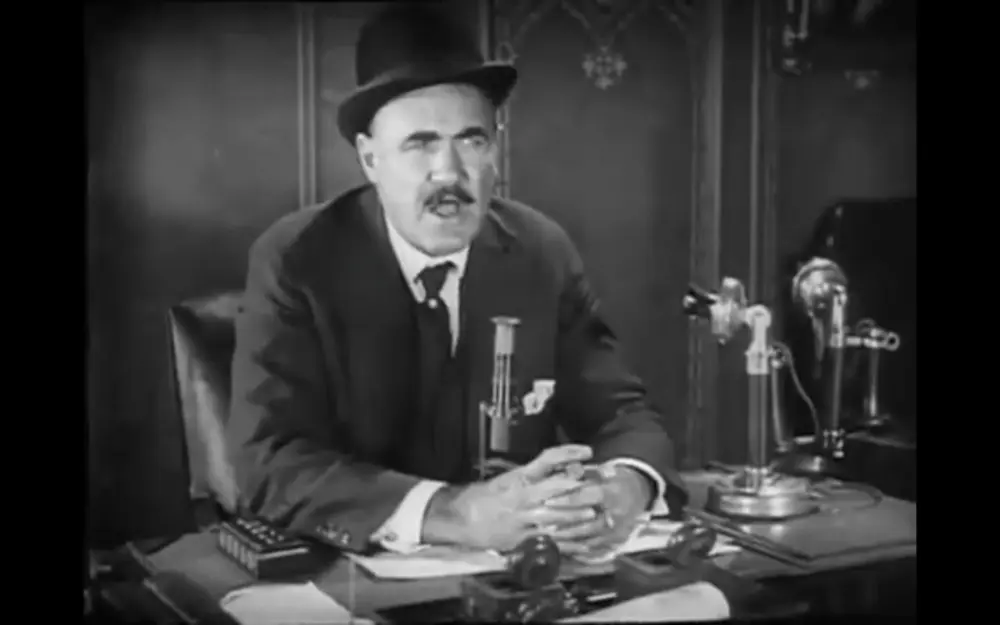
Scene from Do Detectives Think?
Cinematic perspective: Exploring the visual vocabulary of Do Detectives Think? (1927) through its definitive frames.
The plot, as rudimentary as one might expect from a silent short of this vintage, centers on an escaped convict determined to exact revenge upon the judge who sentenced him. Enter our two bumbling protagonists, hired as protection. What ensues is a masterclass in unintentional sabotage, where the protectors prove far more dangerous than the actual threat. It’s a setup that would be revisited countless times in various forms, but here, it’s stripped to its most essential, almost primal, comedic elements.
This film works because it offers an indispensable look at the raw, unrefined chemistry between Stan Laurel and Oliver Hardy, even before their iconic personas fully crystallized. It's a vital piece of cinematic archaeology.
This film fails because its comedic rhythms are often clunky, its gags repetitive, and its narrative thin, lacking the sophisticated timing and character development that would define their later, more celebrated work.
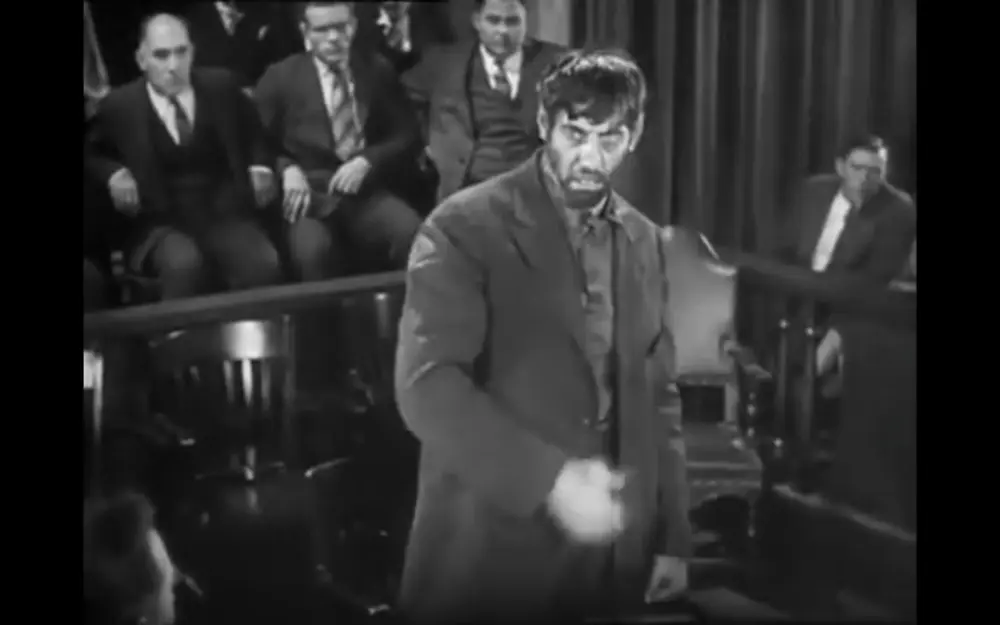
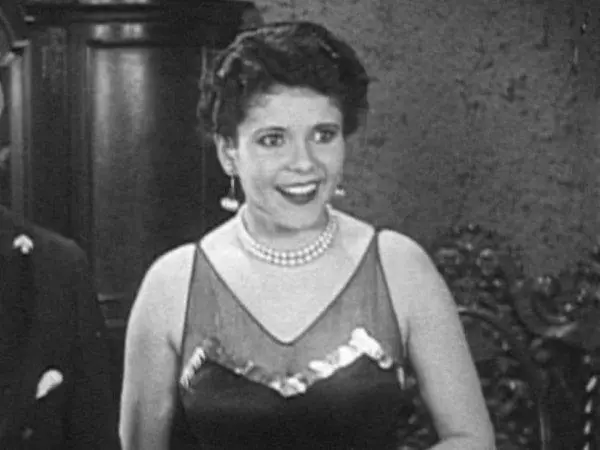
Scene from Do Detectives Think?
Cinematic perspective: Exploring the visual vocabulary of Do Detectives Think? (1927) through its definitive frames.
You should watch it if you are a film historian, a dedicated fan of silent comedy, or specifically interested in the evolution of Laurel and Hardy's on-screen dynamic.
A Glimpse into Early Genius: Plot and Premise Reconsidered
The narrative thrust of "Do Detectives Think?" is deceptively simple: convict seeks revenge, judge needs protection, inept guards are hired. This skeletal structure is not a weakness, but rather a functional framework for the true stars of the show – the escalating series of physical mishaps. The film doesn't waste time on character backstory or intricate motivations; it dives straight into the setup, prioritizing visual gags over narrative depth. The judge, played by Frank Brownlee, is little more than a bewildered target, a reactive canvas upon which the detectives' incompetence is painted.
What's fascinating is how the film establishes the sheer futility of the detectives' mission almost immediately. Their introduction isn't one of competence or even misguided confidence, but rather immediate, undeniable clumsiness. This sets the tone for the entire short, assuring the audience that no matter what obstacles arise, the detectives will invariably make things worse. This commitment to escalating failure is a hallmark of great slapstick, and it's present here in its nascent form.
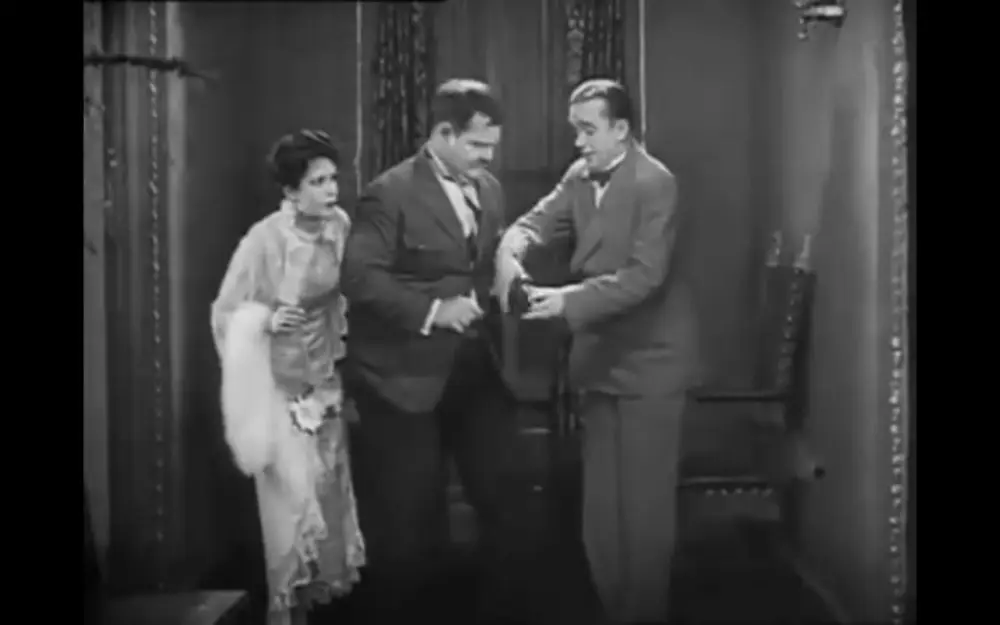
Scene from Do Detectives Think?
Cinematic perspective: Exploring the visual vocabulary of Do Detectives Think? (1927) through its definitive frames.
The Budding Chemistry: Acting and Performances
While the film officially stars Ed Brandenburg in a prominent role, the real draw for modern viewers is the pairing of Stan Laurel and Oliver Hardy. Here, they are not yet the fully formed, beloved duo. Laurel is still experimenting with his 'little man' persona, and Hardy is not yet the exasperated, long-suffering straight man we know. Their interactions are more coincidental than coordinated, but the seeds of their future chemistry are undeniably there.
Stan Laurel's performance is a whirlwind of frantic energy and wide-eyed bewilderment. He's less the innocent simpleton and more a man perpetually on the verge of a panic attack, his movements often jerky and exaggerated. One particularly memorable moment involves his struggle with a revolving door, a seemingly innocuous obstacle that becomes a Herculean task under his 'care'. It’s a pure physical gag, expertly executed, showcasing his unique brand of physical comedy.
Oliver Hardy, on the other hand, exhibits flashes of the pompous, put-upon character that would become his signature. While not fully developed, his exasperated glances and attempts at maintaining dignity amidst chaos are recognizable. In one scene, attempting to secure a window, he manages to entangle himself in curtains and furniture, his initial air of authority quickly dissolving into a frustrated flail. The dynamic is less about their established 'brains vs. brawn' contrast and more about two distinct forms of comedic incompetence colliding.
Scene from Do Detectives Think?
Cinematic perspective: Exploring the visual vocabulary of Do Detectives Think? (1927) through its definitive frames.
Ed Brandenburg, as the primary detective, carries much of the screen time, and while he delivers a serviceable performance, his antics often feel more generic than the budding individualities of Laurel and Hardy. He’s a competent physical comedian, but he lacks the unique spark that makes the other two so endlessly watchable. The supporting cast, including Chester A. Bachman and Noah Young, largely serve as foils or additional sources of comedic chaos, reacting to the detectives' blunders with appropriate levels of alarm or annoyance.
Crafting Chaos: Direction and Cinematography
Hal Roach's direction, typical of the era's silent comedies, prioritizes clarity of action and the effective delivery of gags. The camera is largely static, serving as a neutral observer, allowing the performers to fill the frame with their physical comedy. There's a pragmatic simplicity to the shot composition, ensuring that every pratfall, every botched attempt, is front and center. This isn't a film concerned with sweeping vistas or intricate camera movements; its artistry lies in its directness.
The pacing, while perhaps slow by modern standards, is deliberate for a silent short. Gags are allowed to play out, often repeating or escalating in absurdity. For instance, the recurring struggle with various doors and windows isn't just a single joke; it's a theme that builds, each iteration adding another layer of frustration and physical contortion. The editing is functional, cutting between reactions and actions to maintain a clear narrative of escalating chaos. There are no fancy transitions or stylistic flourishes; the focus remains squarely on the comedic performance.
Scene from Do Detectives Think?
Cinematic perspective: Exploring the visual vocabulary of Do Detectives Think? (1927) through its definitive frames.
The Echoes of Laughter: Tone and Pacing
The tone of "Do Detectives Think?" is unadulterated slapstick. There's no pretense of a deeper message or emotional resonance; it's purely about eliciting laughter through physical comedy. The humor derives from the sheer, unwavering incompetence of the protagonists and the increasingly ridiculous situations they create. It's a relentless assault of pratfalls, miscommunications, and accidental destruction. The film doesn't pause for breath; it moves from one comedic set-piece to the next with a relentless, albeit sometimes lumbering, momentum.
Pacing is critical in silent comedy, and here, it's a double-edged sword. On one hand, the extended duration of certain gags allows the audience to fully appreciate the physical effort and build-up to the punchline. On the other, some sequences, particularly those involving the repetitive struggles with inanimate objects, can feel drawn out. This isn't the tight, perfectly choreographed chaos of later Laurel and Hardy films like "The Music Box"; it's looser, more improvisational in feel, and occasionally less impactful for it.
Is This Film Worth Watching Today?
Yes, for a very specific audience. It's a crucial piece of film history. It showcases the raw talent of Stan Laurel and Oliver Hardy. It offers a window into early silent comedy techniques. However, it requires patience. It's not a film you put on for casual entertainment. You watch it to appreciate the origins of comedic legends.
Key Takeaways
Best for: Film historians, Laurel & Hardy completists, and enthusiasts of early silent slapstick.
Not for: Audiences seeking modern pacing, sophisticated humor, or a polished narrative.
Standout element: The undeniable, albeit nascent, screen presence of Stan Laurel and Oliver Hardy, hinting at their future iconic partnership.
Biggest flaw: Its lack of refined comedic timing and character development compared to the duo's later, more iconic works.
Pros and Cons
PROS:
Provides a fascinating historical document of Laurel and Hardy's early screen appearances together.
Showcases the raw physical comedy talents of both Laurel and Hardy.
Offers genuine moments of classic slapstick humor, demonstrating Hal Roach's comedic sensibilities.
Simple, clear premise allows for easy engagement with the visual gags.
An essential watch for understanding the evolution of one of cinema's greatest duos.
CONS:
The comedic timing and rhythm are often unpolished and less effective than later works.
Pacing can feel slow and repetitive to modern viewers, with gags sometimes overstaying their welcome.
The plot is extremely thin, serving merely as a vehicle for a string of gags.
The characterizations of Laurel and Hardy are not yet fully developed, lacking the depth of their iconic personas.
The supporting cast, while functional, doesn't add much beyond reacting to the main antics.
The Legacy of Laughter: A Critical Reassessment
"Do Detectives Think?" is more than just a forgotten silent short; it's a foundational text. It's the cinematic equivalent of a sketch in an artist's notebook – rough, unrefined, but pregnant with the promise of future masterpieces. To dismiss it as merely 'primitive' would be to miss its true value. Its significance lies not in its individual brilliance, but in its role as a crucible where comedic gold was beginning to form.
The film's true star isn't its narrative or even its individual gags, but the sheer historical weight of seeing Laurel and Hardy together, even if not yet formally as 'Laurel and Hardy'. It's a testament to Hal Roach's genius for spotting talent and fostering chemistry. He understood that these two disparate comedic forces could, and would, create something extraordinary. The film, in retrospect, feels like an accidental audition, a fortunate convergence of talent that would soon reshape screen comedy.
One unconventional observation: the film’s strength might also be its greatest weakness. The absolute lack of consequences for the detectives' catastrophic incompetence is both hilarious and, at times, frustrating. There's no real danger, no genuine stakes, only the endless cycle of blundering. This makes for pure, unadulterated escapism, but it also prevents any deeper engagement with the characters or their plight. It's a film that demands you turn off your brain and simply observe the chaos.
It works. But it’s flawed. This film is a crucial stepping stone in the careers of Stan Laurel and Oliver Hardy, a testament to their individual comedic talents before their legendary partnership fully blossomed. It’s a raw, unpolished gem, offering a rare glimpse into the early days of two comedic giants. While it may not hold up as a pinnacle of silent comedy, its historical value is undeniable, making it an essential watch for those who appreciate the origins of cinematic laughter.
Verdict
"Do Detectives Think?" is a fascinating historical curio. It is an imperfect, yet utterly essential, artifact for anyone interested in the foundational elements of silent comedy and the genesis of one of cinema's most beloved duos. It's a journey back to the very roots of Laurel and Hardy's magic, rough edges and all.