DbcultAccessing Vault...
6.4/10
Senior Film Conservator
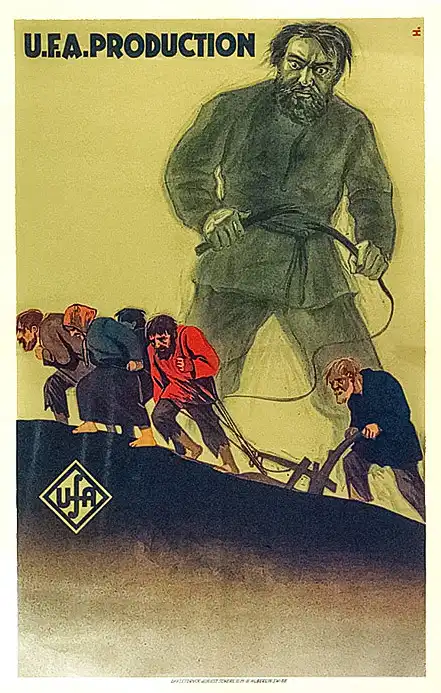
A definitive 6.4/10 rating for a film that redefined the boundaries of cult cinema. Die Leibeigenen remains a cornerstone of transgressive art.
For anyone genuinely curious about *really* old cinema, or if your taste leans towards drama that feels heavy and a bit theatrical, Die Leibeigenen might be worth digging up. It’s a window into a specific kind of storytelling from a different time. If you’re in the mood for crisp dialogue, quick pacing, or anything remotely resembling an action sequence, you should probably look elsewhere. This one's for the patient, the observers. 🕰️
The film has that undeniable early 20th-century vibe running through it. From the way characters move, almost with a measured, deliberate grace, to the incredibly deep shadows that swallow half the frame. You can tell they were working with a whole different rulebook back then, making drama out of light and stillness.
Maria Reisenhofer, her face just *says* so much even when she's not speaking. It's all in the eyes, the subtle shifts. And Oscar Homolka, even in these early roles, has this _presence_. You can’t quite look away from him, this intense energy. He really anchors some of the more intense moments, even when the scene feels like it's dragging on just a touch.
Then you have some of the other folks, like Harry Halm; sometimes his gestures feel a bit... broad. Like they're still playing to the back row of a theater. A lot of arm-waving when a simple glance might do. It’s a contrast, you know?
The title, "The Serfs," really comes through in every frame. There's this constant sense of struggle, of people just trying to get by. Not much hope, honestly. It feels *heavy*, like a grey, damp day in a field, the kind of weather that just seeps into your bones. The plight of these characters feels genuine, almost tactile.
I kept thinking about this one shot, very early on, of hands in the dirt. So simple, but it just grounds you right there in their world. And later, a quick close-up of a broken fence post, lying almost forgotten. Little things like that, you know? They build a picture without needing words. Like a visual shorthand for a tough existence.
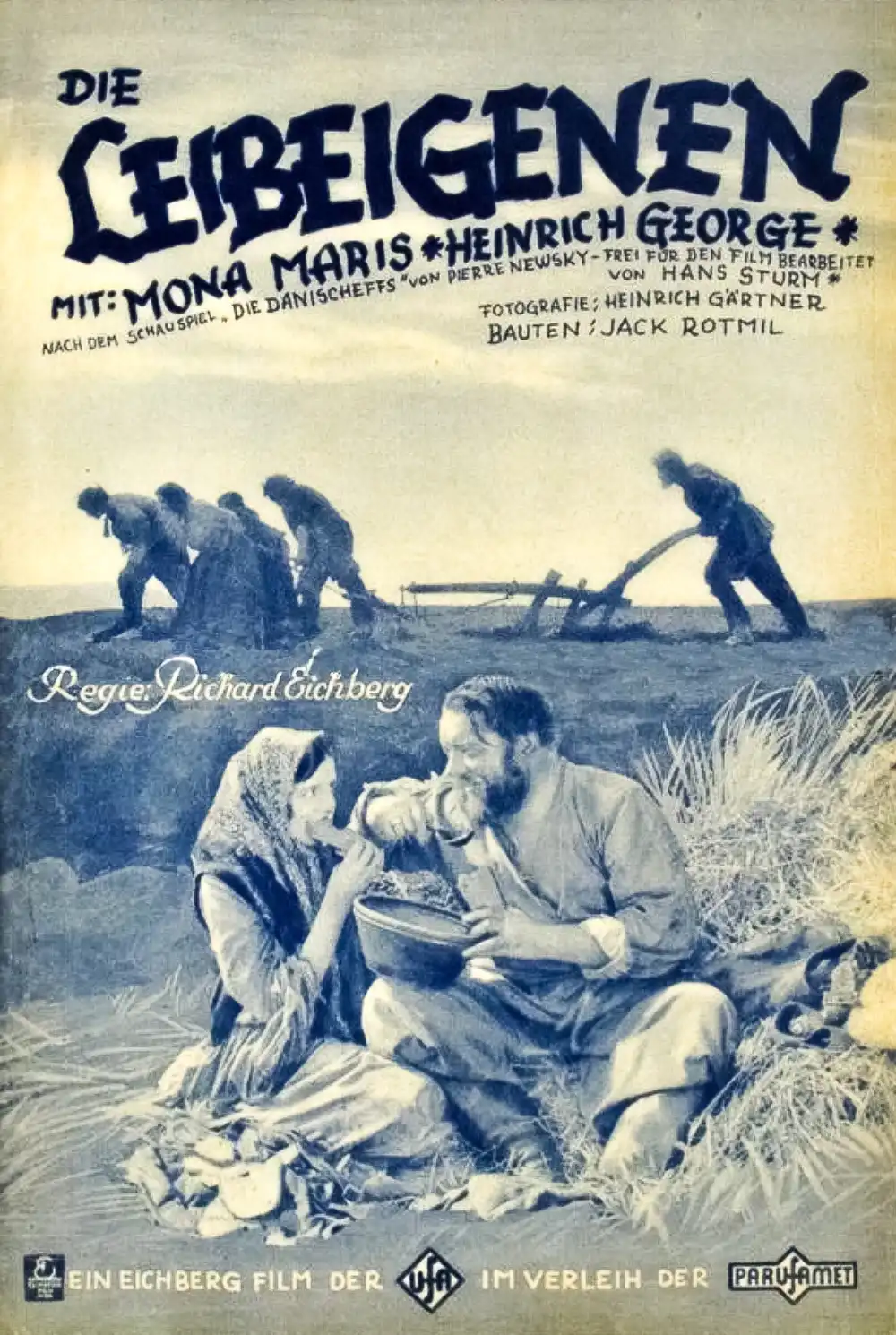
There's a scene where Heinrich George just *stands* there, watching someone off-screen, and the silence just stretches. It's _potent_. Not every actor could pull that off, to hold that much weight without moving much. It makes you lean in, even if you’re not sure exactly what he's thinking. He brings a raw power to it.
The pacing here is... slow. Like, *really* slow at times. You get these long takes where not a whole lot happens, but you're just supposed to *feel* the atmosphere, the weight of their lives. It's a vastly different rhythm than today, for sure. No quick cuts here to keep your attention. It demands a different kind of focus.
The lighting is something else entirely. So dramatic, all those deep blacks and stark whites. Almost painterly sometimes, like they were trying to capture a specific mood. You can really see how they made drama out of light and shadow, not just fancy effects. Though, there were a few shots that felt a bit murky, like they didn't quite nail the focus on the faces. Just a tiny bit off, you notice it.
Sometimes the scene goes on about 20 seconds too long, and the silence starts to feel awkward rather than emotional. You can almost feel the movie trying to convince you this moment matters more than it perhaps does. It’s a little clunky in spots, for sure.
One character, I think it was Jutta Jol, has this habit of always looking slightly to the side during her important lines. It’s a small thing, but it was a bit distracting, pulling you out of the moment. Like she’s searching for her cue. Or maybe just nervous? 🤔
It’s not for everyone, absolutely not. But if you're into seeing how they *used* to tell stories, with big, almost operatic emotions and stark visuals, Die Leibeigenen offers a compelling glimpse. It really sticks with you, even if it's not a comfortable watch. A proper old-school melodrama, with its heart firmly planted in the struggles of the common folk. It reminds me a bit of the starkness you see in some of the very early Soviet films, or even something like Tartuffe in its deliberate pace and heightened drama.
IMDb 7
1931
Community
Log in to comment.