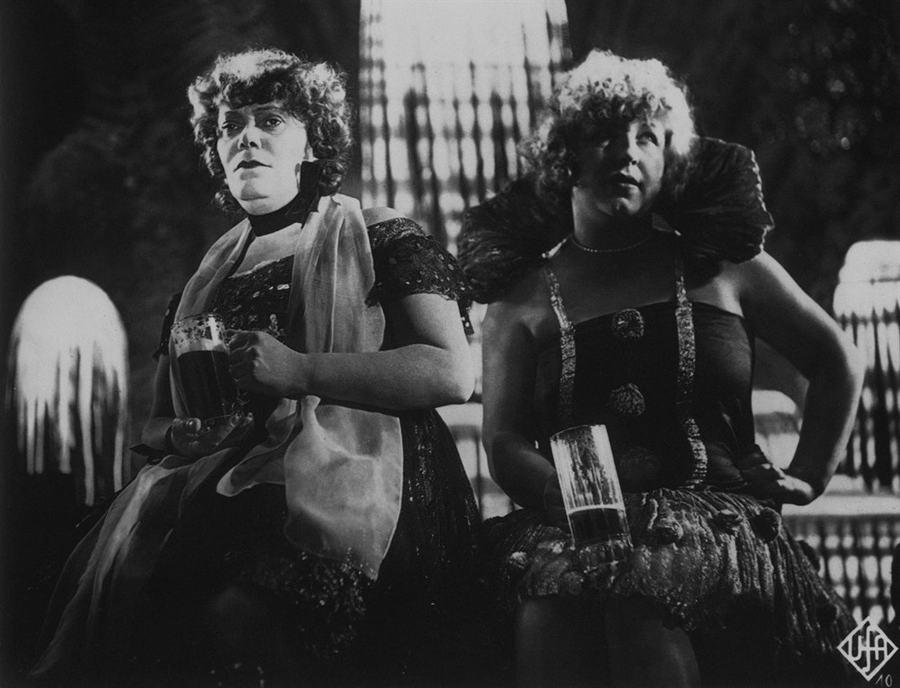
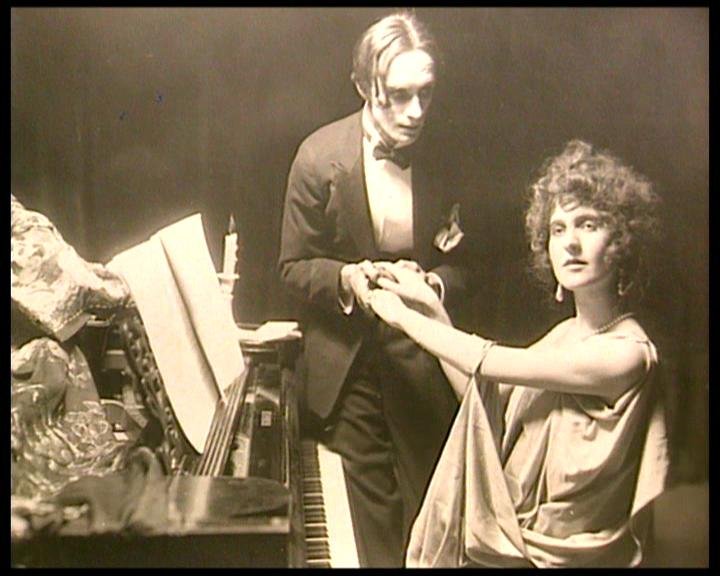
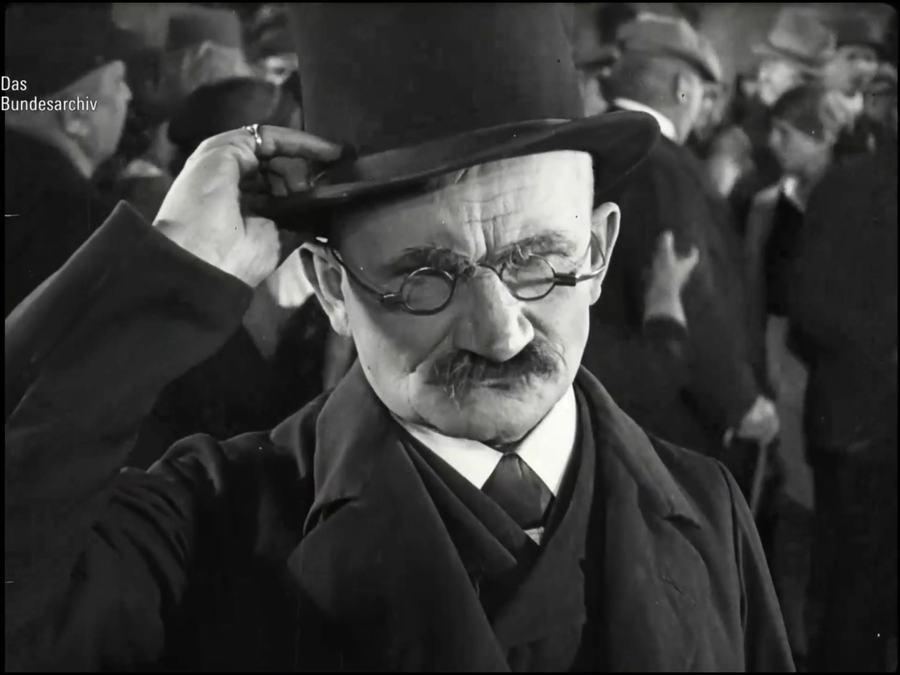
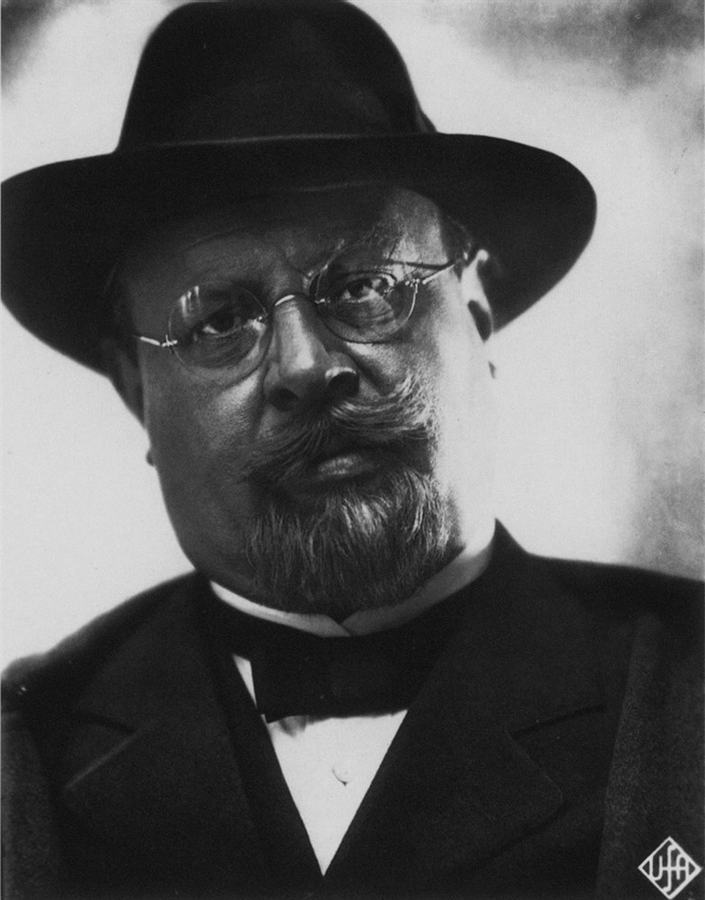
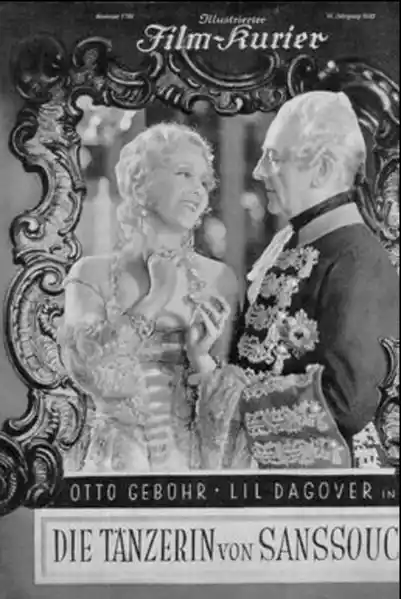
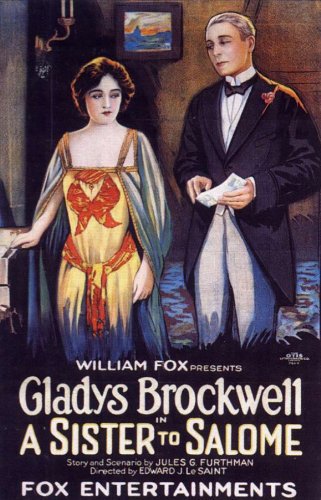
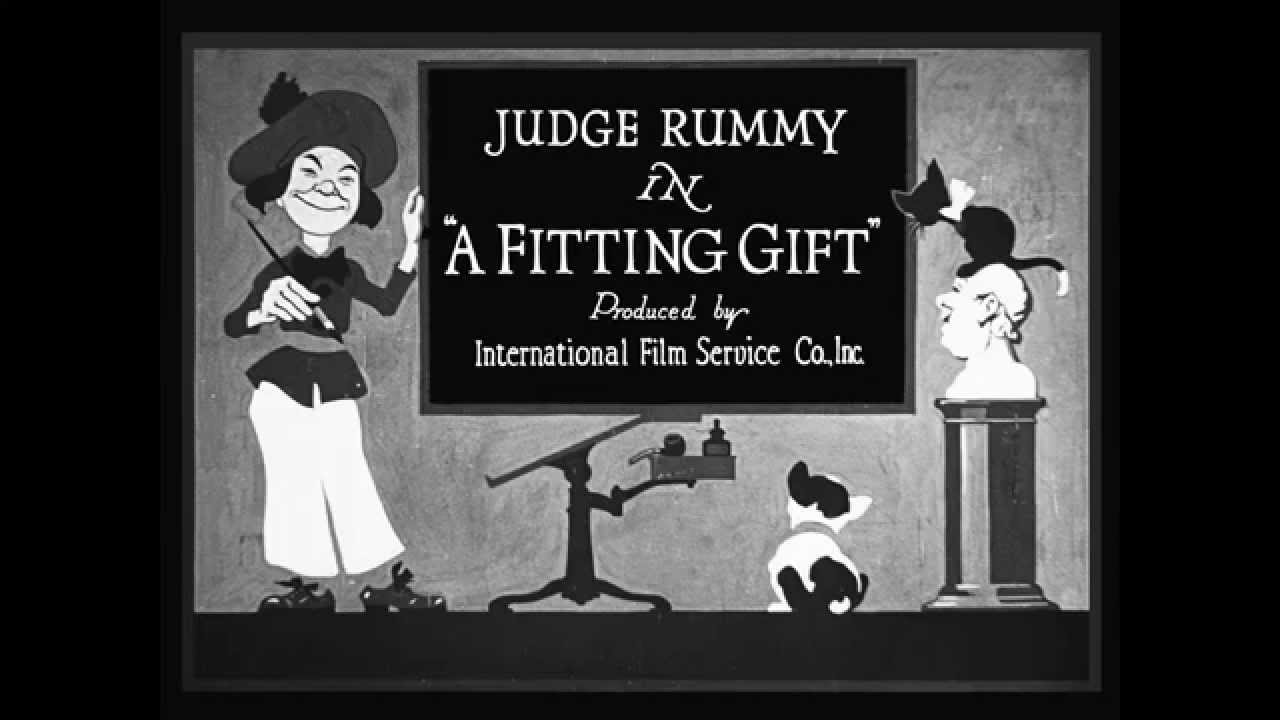
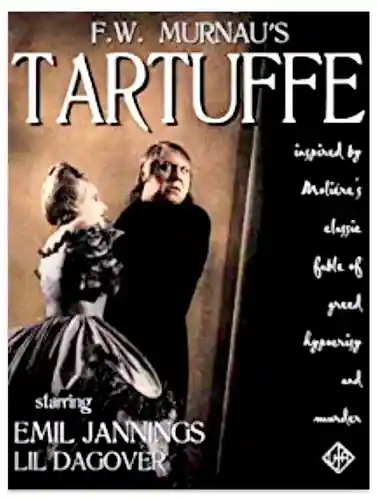
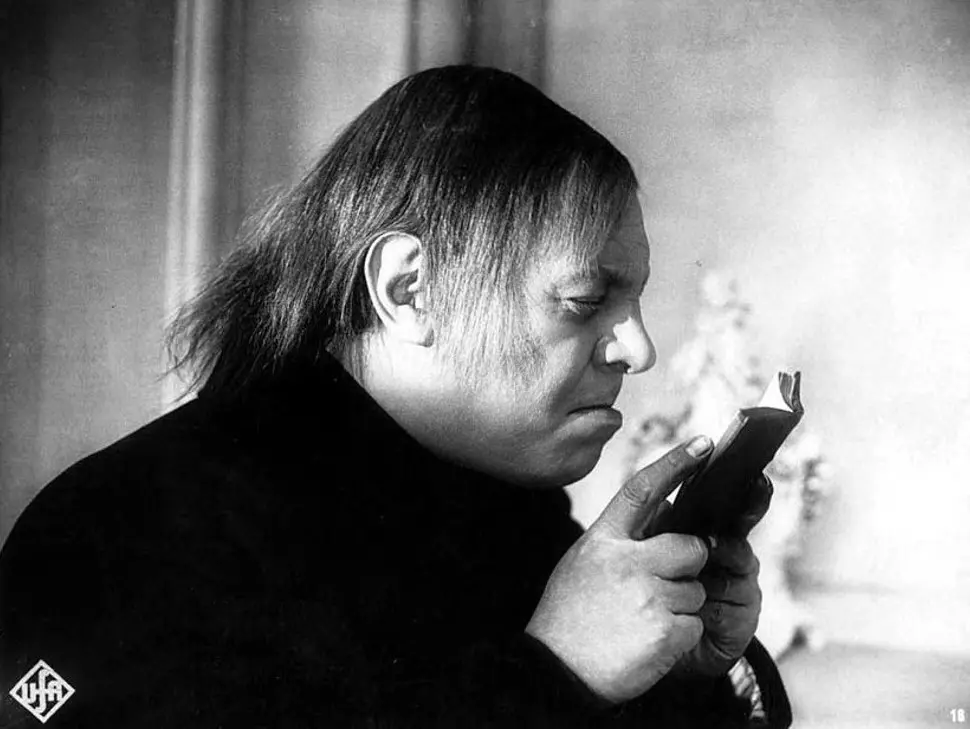
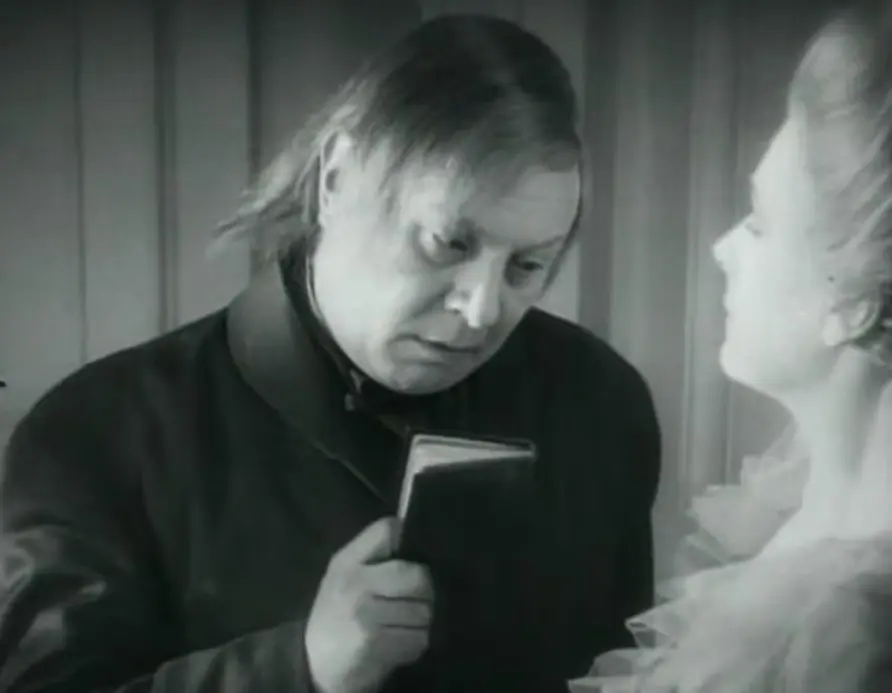
A young man shows his millionaire grandfather a film based on Molière's Tartuffe, in order to expose the old man's hypocritical governess who covets his own inheritance..
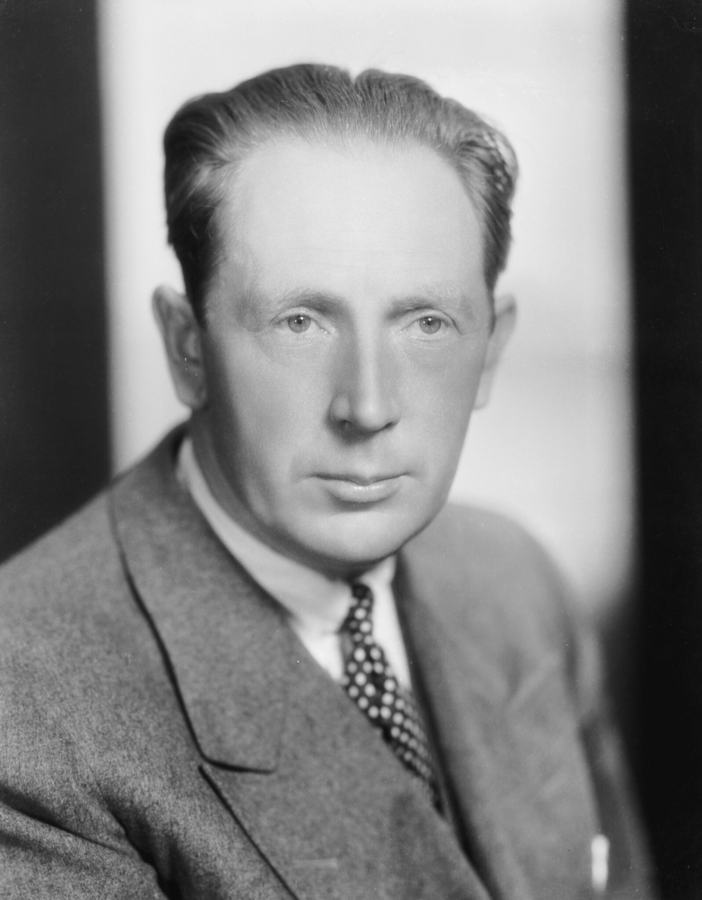
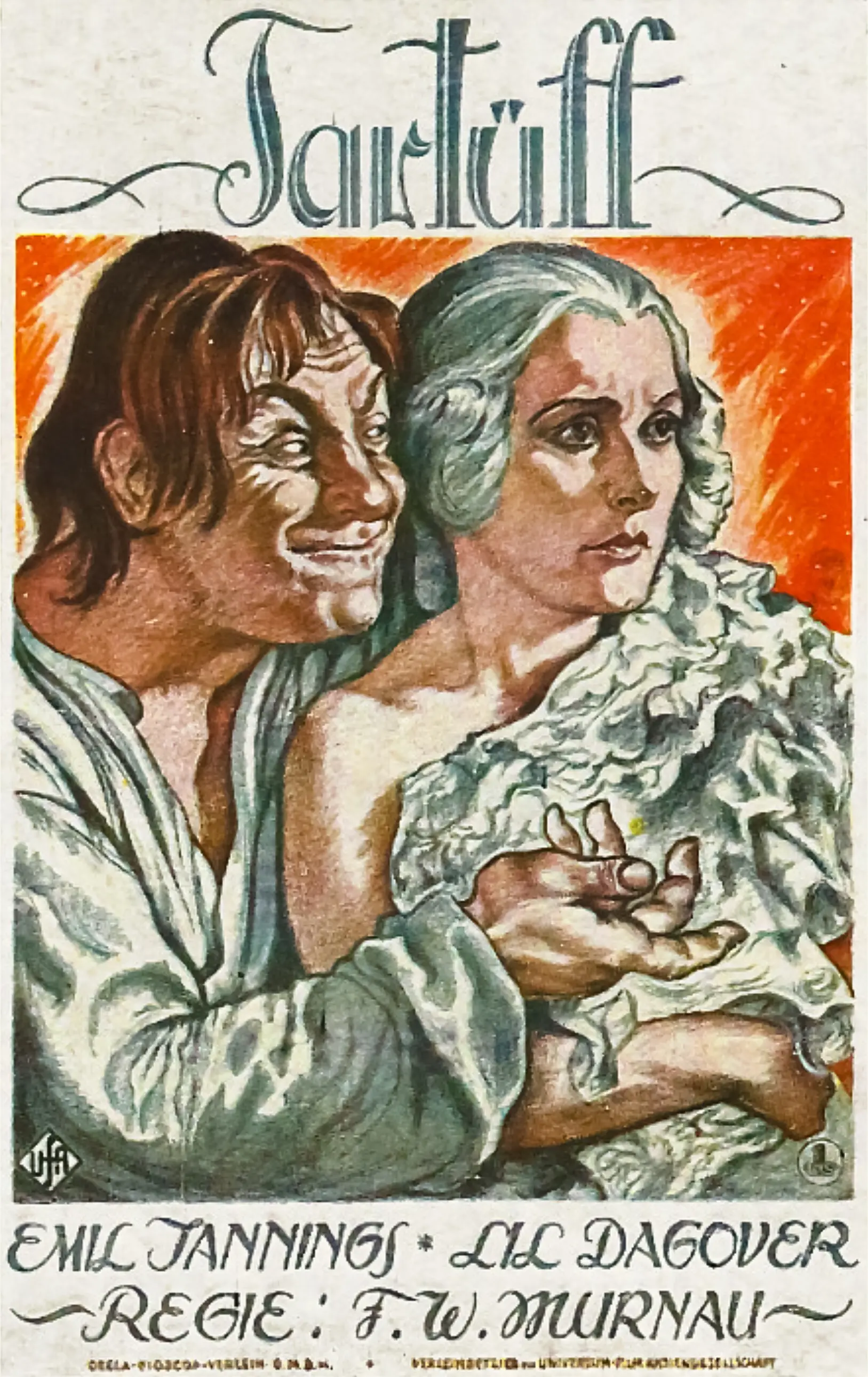
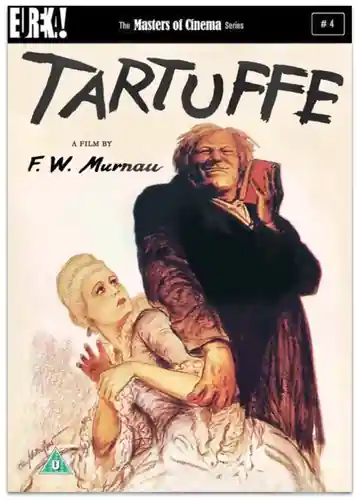
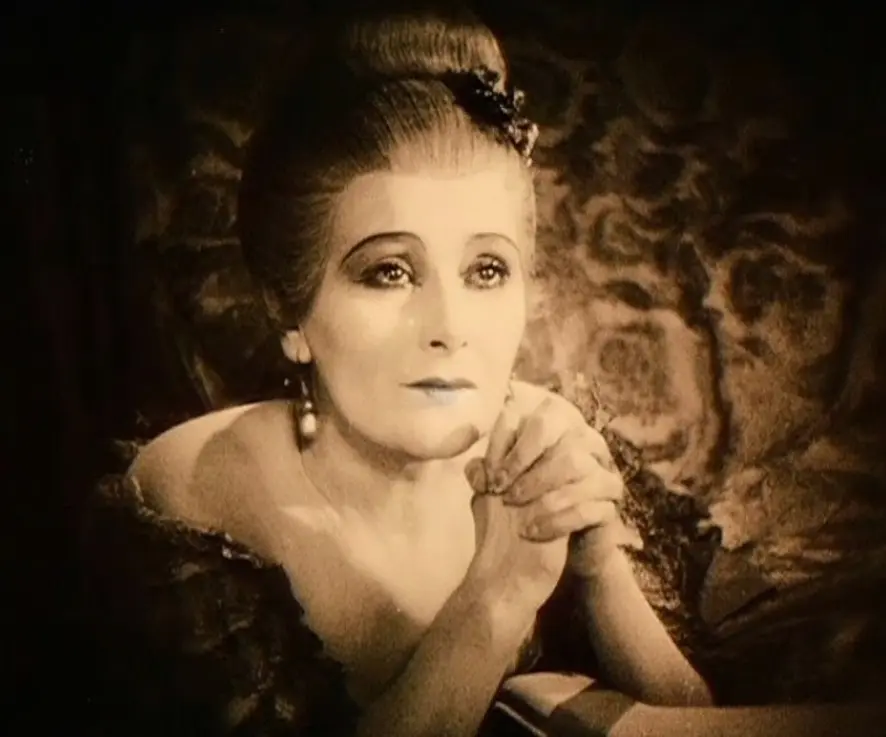
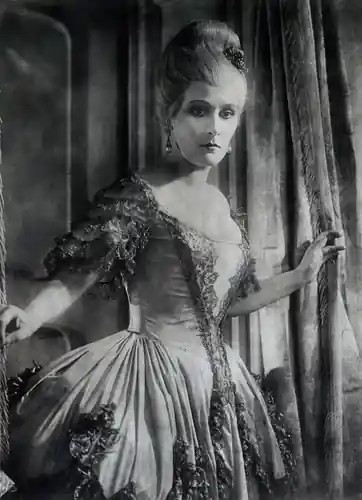
When we discuss the pantheon of Weimar cinema, the name F.W. Murnau inevitably dominates the conversation. Yet, while Nosferatu and The Last Laugh garner the lion's share of academic scrutiny, his 1925 adaptation of Tartuffe remains a fascinating, somewhat overlooked pivot point in his filmography. It is a work that ...
product
still_frame
still_frame
product
still_frame
still_frame
product
Comparing the cinematic DNA and archive impact of two defining moments in cult history.
F.W. Murnau
Richard Smith
Community
Log in to comment.
" When we discuss the pantheon of Weimar cinema, the name F.W. Murnau inevitably dominates the conversation. Yet, while Nosferatu and The Last Laugh garner the lion's share of academic scrutiny, his 1925 adaptation of Tartuffe remains a fascinating, somewhat overlooked pivot point in his filmography. It is a work that bridges the gap between the expressionistic shadows of his early career and the sophisticated, psychological realism that would later define his Hollywood period. This is not merel..."
Molière, Carl Mayer
Germany