DbcultAccessing Vault...
6.4/10
Senior Film Conservator
A definitive 6.4/10 rating for a film that redefined the boundaries of cult cinema. Therese remains a cornerstone of transgressive art.
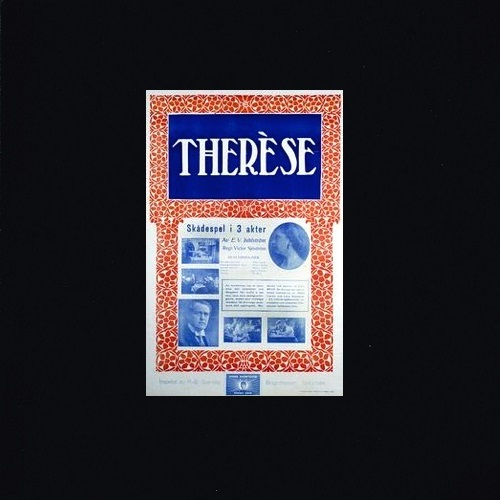
Stepping back into the nascent days of cinematic storytelling, E.V. Juhlström's 'Therese' (1916) emerges not merely as a historical artifact but as a surprisingly potent and enduring human drama. This isn't just a film; it's a window into the societal anxieties and moral quandaries of its time, delivered with a subtlety and emotional resonance that belies its age. The premise is deceptively simple: a young woman, Therèse, marries an older, wealthier man to secure a more comfortable life. Yet, from this elemental setup, Juhlström, through the evocative performances of his cast, crafts a narrative that probes the very essence of contentment, sacrifice, and the often-unseen costs of a life lived by convenience rather than conviction. It’s a compelling piece that, even over a century later, manages to resonate with contemporary audiences grappling with similar dilemmas of economic security versus personal fulfillment.
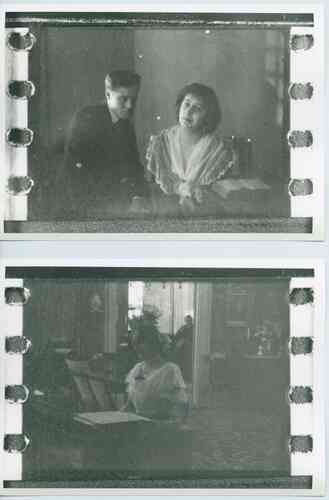
The brilliance of 'Therese' lies in its ability to articulate profound internal conflicts without the aid of spoken dialogue. This demands an extraordinary level of expressiveness from its actors, and the ensemble cast rises admirably to the challenge. Jenny Tschernichin-Larsson, in the titular role, delivers a performance that is nothing short of captivating. Her eyes, her posture, the nuanced gestures of her hands – every movement is a brushstroke on the canvas of her character's soul. We witness the initial flicker of hope, the gradual disillusionment, and the creeping despair that accompanies her new, opulent existence. It’s a masterclass in silent film acting, where the absence of sound amplifies the visual language, forcing the viewer to delve deeper into the psychological landscape of the protagonist. Tschernichin-Larsson doesn't just act; she embodies the quiet tragedy of a woman caught between societal expectations and her own burgeoning desires.
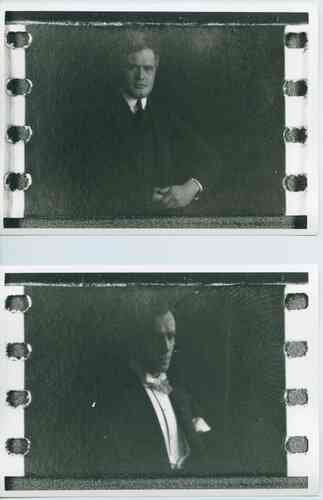
The film’s thematic depth is particularly striking for a production of its era. It doesn't shy away from critiquing the patriarchal structures that often dictated a woman's destiny. Therèse’s choice isn't presented as one of pure avarice, but rather as a pragmatic decision born of limited options. The silent era, often stereotyped for its melodramatic excesses, here offers a surprisingly sophisticated commentary on social mobility and the illusion of happiness bought with coin. The wealth that surrounds Therèse is meticulously depicted, from the grand interiors to the lavish costumes, yet these external trappings serve only to highlight her internal impoverishment. The camera often frames her in vast, empty spaces within her grand home, underscoring her isolation and the emotional distance between her and her older husband, played with a compelling blend of detachment and underlying vulnerability by Mathias Taube.
Taube’s portrayal of the husband is crucial; he is not a villain in the conventional sense, but a man perhaps equally trapped by his own expectations and the societal norms that allowed such marriages to flourish. His quiet authority and sometimes bewildered expressions convey a man who believes he has offered his wife everything, yet remains oblivious to the one thing she truly craves: genuine affection and companionship. The dynamic between them is a study in unspoken communication, a silent ballet of misunderstanding and unfulfilled longing. The supporting cast, including Robert Sterling, Albert Ståhl, Lars Hanson, Albin Lavén, Lili Beck, and Josua Bengtson, contributes to this intricate tapestry, each performance adding another layer to the film's rich social fabric, painting a vivid picture of a world where appearances often trumped reality.
Comparing 'Therese' to other films of its time reveals its unique strengths. While films like The Perils of Pauline might have captivated audiences with thrilling cliffhangers and overt heroism, 'Therese' opted for a quieter, more introspective form of drama. It’s less about external action and more about internal turmoil, a choice that makes it feel remarkably modern. The psychological depth explored here anticipates later dramatic works, proving that silent cinema was capable of far more than mere spectacle. Similarly, while Les Misérables, Part 2: Fantine delved into the brutal realities of poverty and societal injustice, 'Therese' examines the more insidious, subtle forms of entrapment, where wealth itself becomes a form of gilded imprisonment. Both films, however, share a common thread: the profound struggle of women against overwhelming societal forces.
The screenplay by E.V. Juhlström is a testament to the power of concise storytelling, even when translated into a visual medium with intertitles. The narrative arc, while seemingly straightforward, is imbued with a keen understanding of human psychology. Juhlström masterfully builds tension not through dramatic events, but through the accumulation of small, telling moments – a longing glance, a hesitant touch, a silent tear. This deliberate pacing allows the audience to fully immerse themselves in Therèse’s emotional journey, making her plight deeply empathetic. The film's enduring power lies in this meticulously crafted emotional landscape, which feels authentic and raw despite the technological limitations of the era.
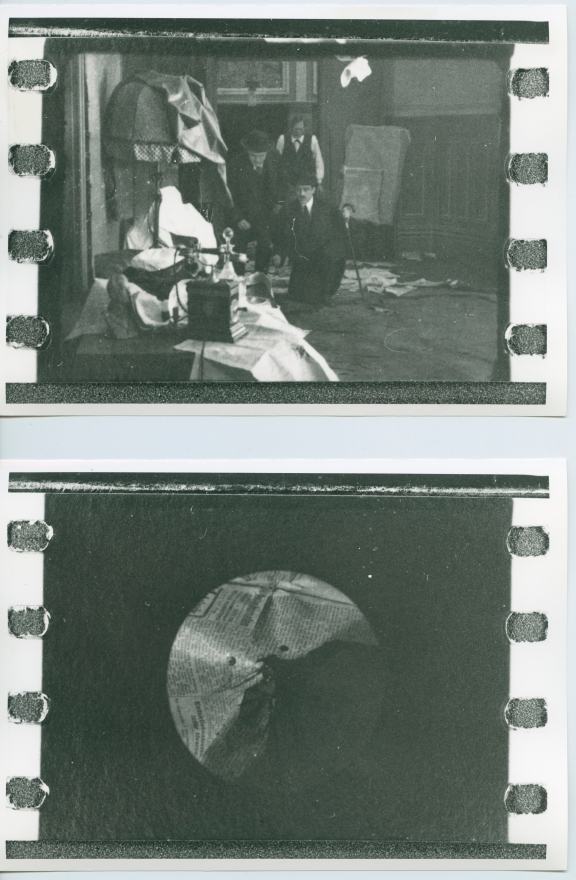
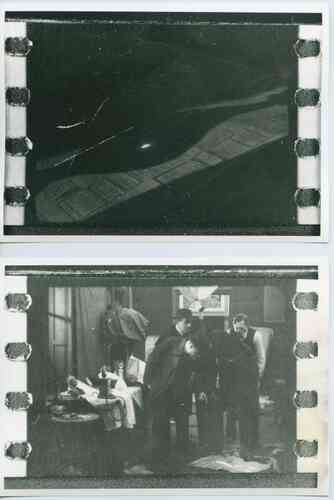
Visually, 'Therese' employs a style that is both functional and artful. The cinematography, though rudimentary by today’s standards, effectively uses framing and composition to enhance the narrative. Close-ups are employed judiciously, drawing the viewer into the characters’ emotional states, while wider shots emphasize the social context and the physical distance between characters. The interplay of light and shadow, a hallmark of early cinema, is used here to great effect, often mirroring Therèse’s internal state – moments of hope bathed in soft light, periods of despair shrouded in encroaching darkness. This deliberate visual storytelling ensures that even without sound, the film communicates its messages with clarity and emotional weight.
The film’s exploration of marriage as an economic contract rather than a union of souls remains remarkably pertinent. In an age where discussions around financial independence, societal pressures on women, and the pursuit of authentic happiness are more prevalent than ever, 'Therese' offers a historical mirror. It reminds us that these struggles are not new, but rather deeply ingrained in the human experience across generations and societal shifts. It provokes questions about what true freedom entails and whether material comfort can ever truly compensate for emotional void. The film does not offer easy answers, but rather invites reflection on the choices we make and the consequences they bear, both visible and invisible.
The legacy of 'Therese' also lies in its contribution to the evolution of character-driven drama in cinema. It demonstrated that compelling narratives could be woven from the fabric of everyday life, focusing on the internal struggles of ordinary individuals rather than grand historical events or sensationalized adventures. This approach laid groundwork for future filmmakers who would delve deeper into psychological realism, proving that the human heart, with all its complexities and contradictions, is an inexhaustible wellspring of dramatic material. The film stands as a quiet but powerful testament to the enduring power of empathy and the universal search for meaning beyond superficial gains. Its influence, though perhaps not as overtly celebrated as some of its contemporaries, can be felt in the subsequent development of more nuanced and character-focused storytelling.
In its entirety, 'Therese' transcends its status as a mere relic of early cinema. It is a work that speaks to the timeless human condition, exploring themes of longing, regret, and the pursuit of an elusive happiness. It's a reminder that true wealth often resides not in the accumulation of possessions, but in the richness of one's emotional life and authentic connections. The performances, particularly that of Jenny Tschernichin-Larsson, imbue the film with a raw, affecting vulnerability that resonates long after the final frame. For anyone interested in the foundational works of dramatic cinema, or simply in a profoundly moving story about the human heart, 'Therese' is an essential viewing experience. It's a film that asks us to look beyond the surface, to understand the silent sacrifices made, and to appreciate the quiet strength required to navigate a world that often demands conformity over genuine self-expression. It’s a powerful echo from the past, reminding us that some stories, and some struggles, are truly eternal.
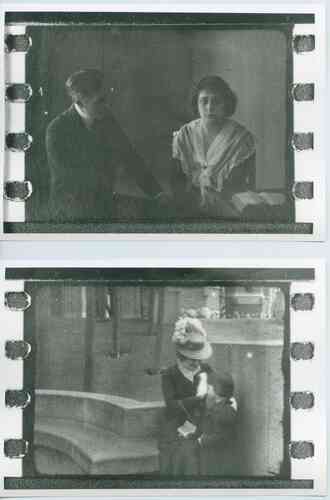
The film's subtle exploration of agency, or the lack thereof, for women in that era is particularly poignant. Therèse's decision to marry for financial stability is not portrayed as a moral failing but as a survival mechanism within a constrained social environment. This nuanced perspective elevates the film beyond simple melodrama, positioning it as a thoughtful piece of social commentary. While the film doesn't explicitly preach, its visual narrative subtly critiques the societal structures that necessitate such choices, making it a precursor to many later feminist-leaning works in cinema. The film's ability to convey such complex ideas through purely visual means is a testament to the ingenuity of early filmmakers and writers like E.V. Juhlström, who understood the profound power of the moving image to tell deeply human stories.
Furthermore, 'Therese' can be seen as a counterpoint to films that focused on more overt forms of conflict or external adventure. Unlike the grand scale of `Scotland Forever` or the more direct emotional appeals of `Shore Acres`, 'Therese' finds its drama in the intimate confines of a troubled marriage and a restless soul. This focus on the interior world of its characters, rather than external events, marks it as a significant step in the development of psychological realism in cinema. It invites the audience to empathize deeply with Therèse's internal struggle, fostering a connection that transcends the barrier of time and the absence of sound. The film’s lasting impact is undoubtedly rooted in this profound human connection it forges, proving that the most compelling narratives often stem from the quiet battles fought within the human heart.
The deliberate pacing, which might seem slow to modern viewers accustomed to rapid-fire editing, is in fact one of 'Therese's' greatest strengths. It allows for a gradual unfolding of character and emotion, giving weight to every gesture and expression. This unhurried approach immerses the audience in Therèse's world, allowing them to experience the slow erosion of her spirit as her dreams clash with her reality. The film doesn't rush to judgment or provide easy resolutions; instead, it offers a contemplative look at the enduring consequences of choices made under duress. This thoughtful construction, coupled with the powerful performances from the likes of Jenny Tschernichin-Larsson and Mathias Taube, solidifies 'Therese's' place as a significant, albeit often overlooked, work in the canon of early dramatic cinema. It's a testament to the fact that even in its infancy, film was capable of capturing the nuanced complexities of the human experience with remarkable depth and sensitivity.
IMDb 3.9
1934
Community
Log in to comment.