DbcultAccessing Vault...
6.4/10
Senior Film Conservator
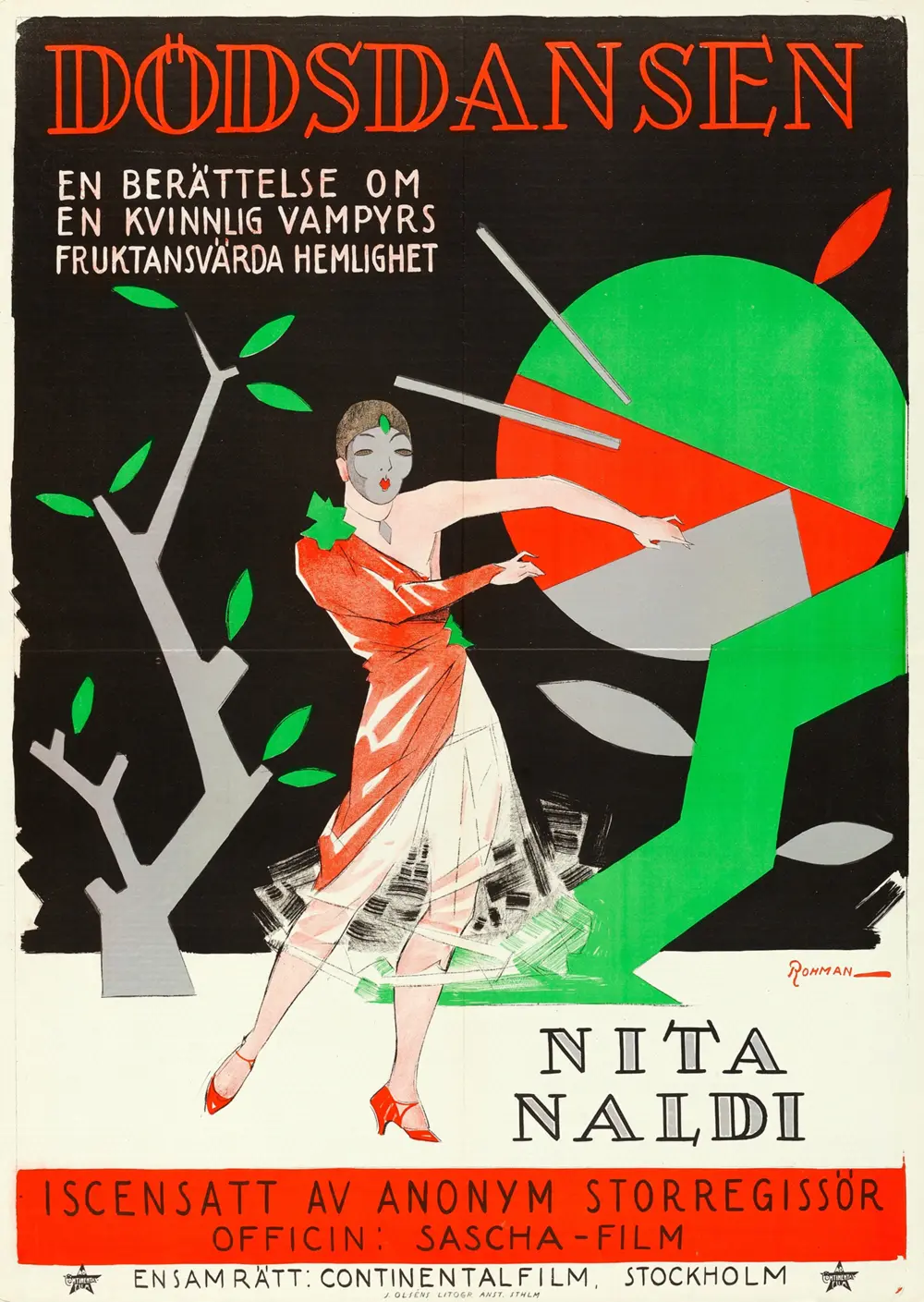
A definitive 6.4/10 rating for a film that redefined the boundaries of cult cinema. Die Pratermizzi remains a cornerstone of transgressive art.
Is Die Pratermizzi worth watching today? Short answer: yes, but with significant caveats. This 1926 Austrian silent film is a fascinating historical artifact and a surprisingly engaging romantic drama for those with an appreciation for early cinema and its unique narrative conventions, yet it will likely test the patience of viewers accustomed to modern pacing and explicit storytelling.
It's a vibrant, if sometimes unwieldy, journey back to a specific moment in European filmmaking, one that rewards patience with genuine charm and some truly compelling performances. It works. But it’s flawed.
This film works because of its evocative visual design, the nuanced performances of its lead actresses, and its surprisingly complex portrayal of desire and illusion within a vivid setting.
This film fails because its narrative can feel convoluted, the male lead is often too passive, and its silent film conventions might alienate contemporary audiences expecting straightforward exposition.
You should watch it if you are a cinephile, a student of silent film history, or someone looking for an unconventional romantic drama with a strong sense of place and a penchant for visual storytelling.
Walter Reisch’s written narrative for Die Pratermizzi plunges us into the heart of Vienna’s iconic Prater amusement park, a setting that is as much a character as any human player. The story, a classic love triangle, sees Christian, a seemingly ordinary man, caught between two distinct feminine archetypes. On one side, there is Pratermizzi herself, personifying the innocent, unvarnished charm of the working-class Viennese.
Her world is the simple joy of the fairground, the honest camaraderie of its denizens. She represents a grounded, attainable affection, a stark contrast to the intoxicating mystery that soon captures Christian’s imagination.
This mystery takes the form of a masked dancer, an ethereal figure who performs behind a golden veil, her true identity hidden from both Christian and the audience. This narrative device immediately establishes a central theme: the tension between appearance and reality, between the known and the alluringly unknown. It's a trope that silent cinema, with its reliance on visual cues and dramatic gestures, often excelled at exploring, and Die Pratermizzi is no exception.
The Prater itself, with its lights, shadows, and bustling crowds, serves as a magnificent backdrop, amplifying the sense of enchantment and illusion. It’s a place where identities can be fluid, where dreams and deceptions intermingle. The plot skillfully uses this environment to mirror Christian’s internal conflict, the bright, open spaces of day contrasting with the secretive, alluring nights.
While the core premise is straightforward, Reisch's script, as interpreted on screen, manages to imbue it with a surprising amount of emotional depth, even if some of the narrative twists feel a little engineered for dramatic effect. It’s a story less about grand events and more about the subtle shifts in human desire, a delicate dance between infatuation and genuine connection.
The performances in Die Pratermizzi are, as expected for a silent film, grand and expressive, yet surprisingly nuanced in places. Hedy Pfundmeyer, as the titular Pratermizzi, delivers a performance that is utterly charming and genuinely heartfelt. Her facial expressions and body language effortlessly convey innocence, joy, and ultimately, heartbreak. There’s a naturalness to her portrayal that grounds the more melodramatic elements of the story.
Her ability to communicate complex emotions without a single spoken word is a testament to her skill, making her a sympathetic and memorable figure. One particular scene, where she observes Christian's fascination with the masked dancer from a distance, speaks volumes through a subtle shift in her gaze and the slump of her shoulders – a masterclass in silent agony.
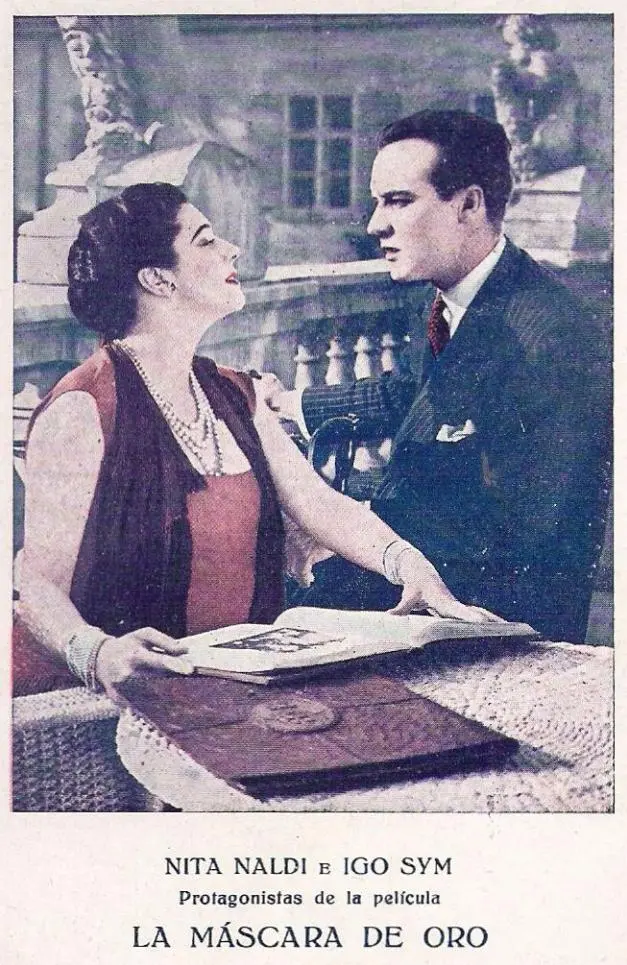
Nita Naldi, playing the enigmatic masked dancer, brings an entirely different energy. Known for her vampish, exotic roles in American cinema, her presence here is electrifying. Even behind a mask, her movements possess a captivating allure, a dangerous elegance that perfectly embodies the mysterious figure. Her performance is less about overt emotion and more about controlled sensuality and an intriguing detachment.
It’s a performance built on mystique, and Naldi, much like in her more famous turn in Blood and Sand (though not on our list, it's a good reference for her typecasting), understands how to wield the power of the unspoken gaze and the deliberate gesture. Her scenes crackle with a tension that is almost entirely visual, leaving the audience to project their own desires and suspicions onto her veiled persona.
Ferdinand Leopoldi, as Christian, is perhaps the weakest link, often appearing somewhat bewildered by the forces pulling him in different directions. While this passivity serves to highlight the magnetism of the two female leads, it can occasionally make him feel more like a narrative device than a fully fleshed-out character. However, his moments of genuine confusion and longing are well-articulated, particularly when grappling with the identity of the masked woman.
It's also worth noting the presence of Anny Ondra in a supporting role. While her part is minor here, her later career, particularly with Alfred Hitchcock in films like Blackmail, makes her appearance a fascinating footnote for film historians. Even in a brief capacity, her vivacity is palpable.
The visual language of Die Pratermizzi is undoubtedly its strongest suit. The cinematography, though lacking the elaborate camera movements of later silent epics, is remarkably effective in capturing the atmosphere of the Prater. Director Gustav Ucicky (uncredited in some sources, but generally acknowledged) and his cinematographer, Hans Schneeberger, masterfully use light and shadow to create mood and emphasize the film’s central themes.
The scenes at the fairground are particularly striking, with the artificial lights of the attractions casting long, dramatic shadows that hint at the hidden depths beneath the surface gaiety. There's a tangible sense of place, a lived-in quality to the Viennese setting that elevates the film beyond a simple studio production. The close-ups on the actors' faces are frequent and purposeful, allowing the audience to delve into their emotional states without the need for excessive intertitles.
One memorable sequence involves Christian wandering through the Prater at night, the blur of the crowds and the twinkling lights reflecting his inner turmoil. This isn't just a backdrop; it's an active participant in the storytelling, a labyrinth of emotions and encounters. The contrast between the bright, almost stark, daylight scenes and the dreamlike, shadowy night sequences is a simple yet powerful visual metaphor for Christian's divided heart.
The use of the golden mask itself is a brilliant stroke of visual symbolism. It’s not merely a prop but a representation of illusion, desire, and the human tendency to project fantasies onto the unknown. The director understands that in silent cinema, what is unseen or partially obscured can often be more potent than what is fully revealed. This film, in many ways, is a visual poem about the seduction of mystery.
The pacing of Die Pratermizzi is typical of its era, meaning it will likely feel deliberate, even slow, to modern viewers. It takes its time establishing characters and situations, allowing scenes to breathe and emotions to unfold gradually. This isn't a criticism, but an observation of the cinematic language of the 1920s. Unlike the rapid-fire editing we see today, silent films often relied on longer takes and sustained emotional beats.
The tone oscillates between lighthearted romance and a more somber, melancholic drama. The initial scenes at the Prater are filled with a youthful exuberance, reflecting the innocent joy of Christian and Pratermizzi. However, as the masked dancer enters the picture, a darker, more complex tone emerges, tinged with longing, jealousy, and the unsettling nature of deceit.
There's an underlying current of realism, a grounding in the everyday lives of the Viennese working class, that keeps the melodrama from becoming overly saccharine. This blend of romantic idealism and down-to-earth struggles gives the film a unique resonance. It's not just a fairy tale; it’s a story rooted in human frailty and the often-painful choices of the heart.
The use of intertitles, while sometimes verbose, serves to clarify motivations and advance the plot without becoming overwhelming. They are integrated well into the visual flow, providing necessary context without interrupting the emotional rhythm. The film's musical score (often reconstructed for modern screenings) is crucial in enhancing the tone, guiding the audience through the emotional landscape of the narrative.
Absolutely, for the right audience. If you have an interest in film history, particularly the vibrant period of silent European cinema, Die Pratermizzi offers a valuable and enjoyable experience. It's a window into the narrative and aesthetic conventions of the 1920s, showcasing how stories were told without spoken dialogue.
However, if you are new to silent films or prefer fast-paced, dialogue-heavy narratives, this might be a challenging watch. Its deliberate pacing and reliance on visual storytelling demand a different kind of engagement from the viewer. It's not a casual watch, but a rewarding one for those willing to immerse themselves in its unique charm.
The film’s historical significance, coupled with strong performances from Pfundmeyer and Naldi, makes it a compelling artifact. It's a crucial piece of Austrian cinematic heritage, providing insight into the cultural and social milieu of post-WWI Vienna. For anyone studying melodrama, character archetypes, or the evolution of visual narrative, this film is an essential text.
Die Pratermizzi is more than just a relic; it’s a vibrant, if imperfect, piece of cinematic art that speaks volumes about the power of visual storytelling. While its pacing and silent film conventions might not resonate with every contemporary viewer, its strengths lie in its evocative setting, its compelling central mystery, and the captivating performances of its leading ladies, particularly Hedy Pfundmeyer and Nita Naldi.
It's a film that demands a certain level of engagement, asking its audience to lean in and interpret rather than merely consume. For those willing to make that effort, it offers a rich and rewarding experience, a fascinating journey into a bygone era of filmmaking.
It’s a film that reminds us that true cinematic magic often lies not in elaborate special effects or rapid-fire dialogue, but in the subtle interplay of light, shadow, and human emotion. This Austrian gem, while not without its narrative stumbles, deserves its place in the spotlight for its sheer visual ambition and its enduring romantic heart. A definite watch for the adventurous cinephile, but perhaps a pass for the casual moviegoer.
IMDb —
1915
Community
Log in to comment.