DbcultAccessing Vault...
Cult Review
Senior Film Conservator
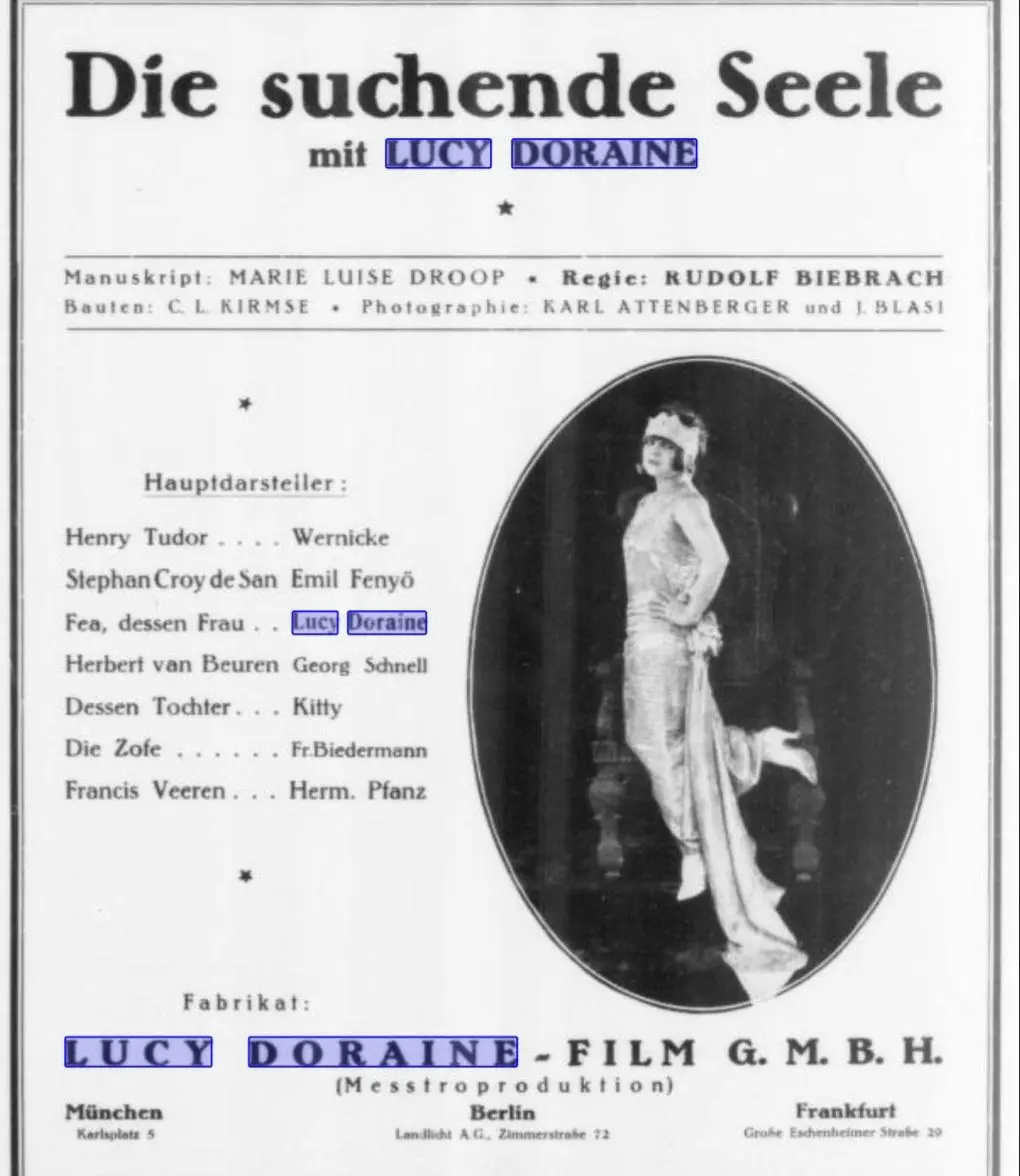
In the realm of cinematic storytelling, few films have ventured as deeply into the human condition as 'Die suchende Seele'. This masterpiece of psychological drama, crafted by the visionary Marie Luise Droop, presents a complex and deeply unsettling portrait of a troubled individual, played with remarkable nuance by Olga Biedermann.
The film's narrative is a tour de force of emotional intensity, hurtling the protagonist through a maelstrom of inner turmoil and external conflicts. As the story unfolds, themes of identity, morality, and redemption converge in a crescendo of dramatic tension, keeping the viewer on the edge of their seat.

One of the most striking aspects of 'Die suchende Seele' is its use of atmospheric tension to convey the protagonist's inner state. The cinematography is stark and unforgiving, casting long shadows across the characters' faces and emphasizing their emotional pain. This visual motif is reminiscent of The Little Gray Lady, another film that expertly leveraged visual storytelling to convey the complexities of the human experience.
The cast of 'Die suchende Seele' delivers performances that are nothing short of phenomenal. Olga Biedermann, in particular, shines as the troubled protagonist, bringing a depth and nuance to her portrayal that is simply breathtaking. Hermann Pfanz and Lucy Doraine offer equally impressive performances, deftly capturing the tensions between inner turmoil and outward appearances.
As the story reaches its climax, the themes of 'Die suchende Seele' come into sharp focus, culminating in a visceral response from the viewer. This film is not for the faint of heart; it is a visceral, emotionally charged experience that will leave audiences reeling. And yet, despite its challenging subject matter, 'Die suchende Seele' is a film that will stay with viewers long after the credits roll, haunting their thoughts and emotions like a ghostly presence.
In terms of its place within the broader cinematic landscape, 'Die suchende Seele' can be seen as part of a larger tradition of psychological dramas that explore the complexities of the human condition. Films like Slaves of Pride and The Jack of Hearts also venture into the darker recesses of the human experience, though they approach their subjects from slightly different angles.
For example, Slaves of Pride presents a more satirical take on the human condition, using humor and irony to highlight the absurdities of societal norms. In contrast, The Jack of Hearts offers a more romanticized portrayal of rebellion and nonconformity. 'Die suchende Seele', on the other hand, occupies a unique position between these two approaches, offering a visceral, emotionally charged exploration of the human psyche.
Ultimately, 'Die suchende Seele' is a film that will resonate with audiences on a deep, primal level. Its exploration of the human condition is both universally relatable and profoundly visceral, making it a must-see for fans of psychological drama. If you're willing to immerse yourself in a world of emotional intensity and psychological complexity, then 'Die suchende Seele' is a film that will stay with you for a long time to come.

IMDb —
1918
Community
Log in to comment.