DbcultAccessing Vault...
6.4/10
Senior Film Conservator
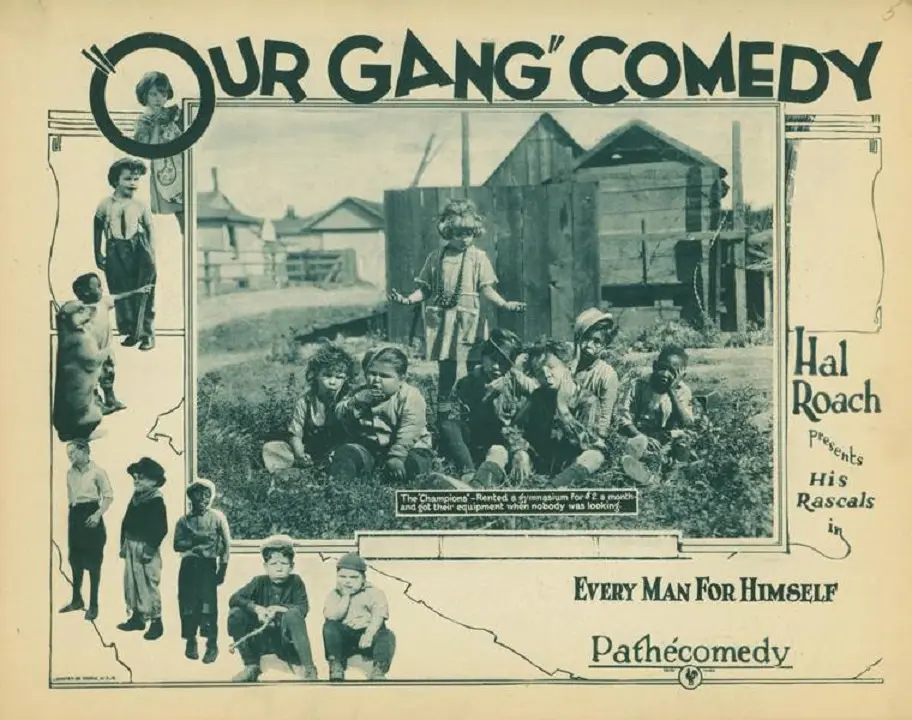
A definitive 6.4/10 rating for a film that redefined the boundaries of cult cinema. Every Man for Himself remains a cornerstone of transgressive art.
The 1924 iteration of the Our Gang series, specifically the frenetic and ethically murky Every Man for Himself, represents a fascinating intersection of burgeoning cinematic talent and the raw, unpolished energy of early silent comedy. While modern audiences often view these shorts through a lens of nostalgic innocence, a closer inspection reveals a subtext of socio-economic survivalism that is surprisingly biting. This particular short, notably featuring a writing credit from a young Frank Capra, eschews the saccharine sentimentality that would later plague child-led features, opting instead for a gritty, urban playground where the line between play and felony is perpetually blurred.
The premise is deceptively simple: the gang is broke. In the world of Hal Roach, poverty isn't a tragic condition but a catalyst for chaotic innovation. The setting—a rented boxing club—serves as a masculine, high-stakes backdrop where the children mimic the pugilistic and commercial maneuvers of the adult world. This isn't the pastoral fantasy seen in The Big Adventure; this is the asphalt-and-grime reality of the 1920s street urchin. The transition from boxing to shoeshining highlights a desperate pivot toward service-based labor, but it is the gang's descent into "creating demand" that provides the film's most cynical and hilarious engine.
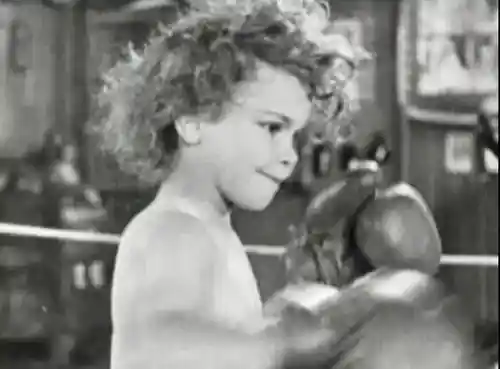
By spray-painting the shoes of passersby, the gang engages in a form of predatory capitalism that feels remarkably modern. There is a certain Machiavellian brilliance in the way Mickey Daniels and Joe Cobb orchestrate this minor-league extortion. It mirrors the darker undercurrents of the era's crime cinema, such as the nascent gangster tropes found in Sonka zolotaya ruchka, yet it remains firmly rooted in the slapstick tradition. The spray-painting sequence is choreographed with a rhythmic precision that highlights the physical agility of the cast, particularly Allen 'Farina' Hoskins, whose comedic timing was already light-years ahead of his contemporaries.
One cannot discuss Every Man for Himself without acknowledging the mechanical marvel that is the gang’s shoe-cleaning machine. Much like the domestic disruptions in Once a Plumber, the gadgetry here is both a character and a plot device. The contraption—a chaotic assemblage of brushes, pulleys, and gears—represents the pinnacle of Roach’s "junk-yard" aesthetic. It is a visual manifestation of the gang's collective psyche: disorganized, loud, and remarkably effective until it inevitably collapses. The cinematography captures this mechanical madness with a steady hand, allowing the physical comedy to breathe without the frantic over-editing that marred lesser shorts of the period.
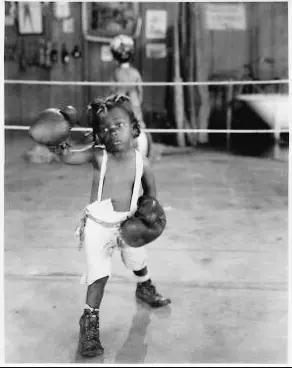
The use of space within the boxing club is equally impressive. The ring becomes a stage for both literal sparring and metaphorical negotiations. The way the camera tracks the movement of the children across the gym floor creates a sense of frantic industry. Unlike the static theatricality of The Lion and the Mouse, this film feels lived-in and mobile. The set design is cluttered with the detritus of 1920s urban life, providing a texture that makes the gang's schemes feel rooted in a tangible reality.
Seeing Frank Capra’s name in the credits invites a retrospective analysis of his later themes. In Every Man for Himself, we see the early seeds of his fascination with the "little guy" struggling against a system that demands more than they have to give. However, in 1924, Capra’s populism was flavored with a sharp, anarchic edge. The gang isn't looking for a handout; they are looking for a loophole. This moral flexibility is a far cry from the virtuous protagonists of The Mating or the tragic souls in The Painted Soul. Instead, these children are savvy operators, comfortable with the grey areas of urban survival.
The script, co-written by H.M. Walker and Hal Roach, utilizes title cards that are punchy and devoid of the flowery prose often found in silent dramas like The Stolen Voice. The dialogue—rendered in text—is as street-smart as the characters themselves. There is a brevity here that serves the pacing perfectly, ensuring that the transition from the boxing ring to the shoeshine stand never loses momentum.
The ensemble dynamic of the early Our Gang shorts is a masterclass in character differentiation. Joe Cobb, with his cherubic face and surprising athleticism, provides the physical anchor for many of the gags. Mickey Daniels, the freckle-faced mastermind, exudes a nervous energy that propels the narrative forward. However, it is often the peripheral characters who provide the most texture. The presence of Dick Gilbert and William Gillespie as the adult foils reminds us that the gang exists in a world that is largely indifferent or hostile to their presence.
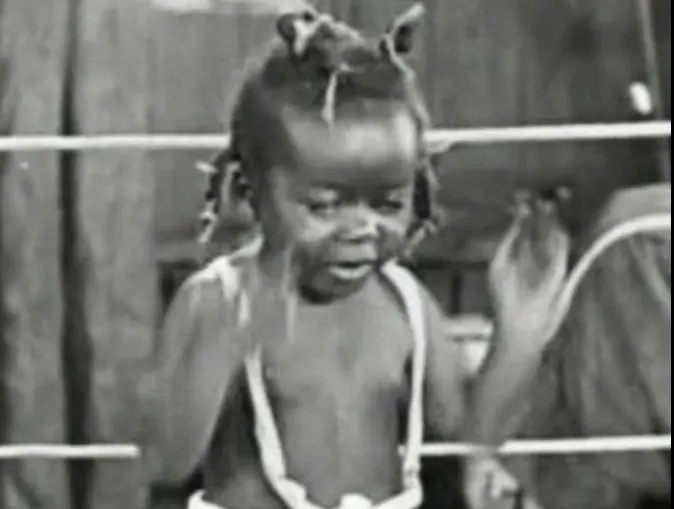
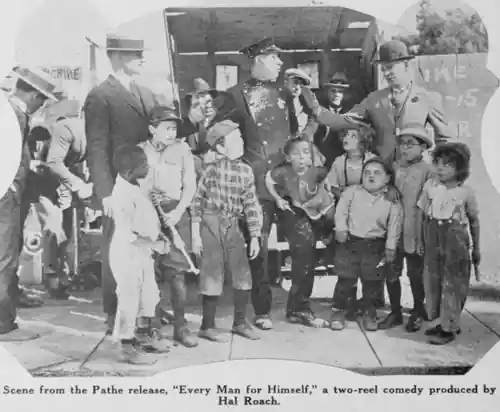
The confrontation with the policeman—a staple of the genre—is handled with a refreshing lack of sentiment. In many contemporary films, such as My Boy, the child's interaction with authority is meant to evoke pity or paternal protection. Here, the law is simply an obstacle to be evaded. The chase sequence that concludes the film is a masterclass in silent choreography, utilizing the urban geometry of the filming location to create a sense of genuine peril and high-velocity humor. The gang’s eventual capture isn't a moral lesson; it's a temporary setback in an ongoing war of wits.
When placed alongside other 1924 releases, Every Man for Himself feels remarkably modern in its cynicism. While films like The Prussian Cur were still grappling with heavy-handed wartime propaganda or moralizing, Roach and Capra were focused on the fundamental human drive for profit and the comedy of errors that ensues when that drive is uninhibited by adult supervision. The film shares a certain DNA with the European avant-garde's fascination with machines and movement, though it hides these intellectual interests under a layer of soot and slapstick. It lacks the exoticism of Maciste turista or the mystery of Der grüne Skarabäus, but it gains a visceral power through its mundane setting.
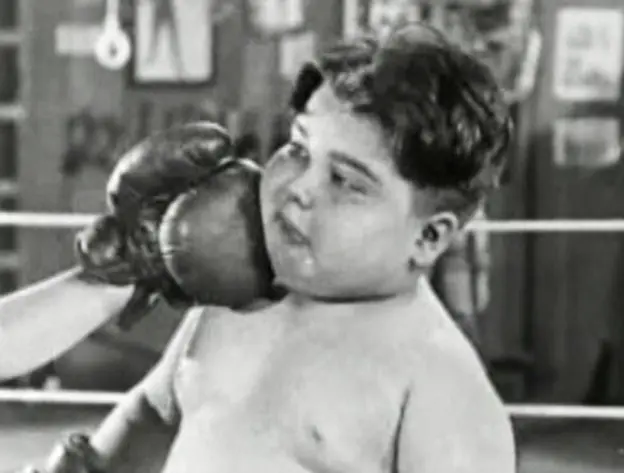
The film also touches upon themes of neglect, albeit through a comedic lens. Much like the characters in Neglected Women, the Our Gang kids are essentially raising themselves in the cracks of the city. Their shoeshine business is a microcosm of a society that has no safety net for its most vulnerable members. By turning this struggle into comedy, Roach doesn't diminish the hardship; he celebrates the resilience of the human spirit—or at least the resilience of a kid with a spray-paint can and a dream.
Every Man for Himself is a seminal work in the Our Gang canon because it captures the series at a point of transition. It is more sophisticated than the earliest shorts but retains a jaggedness that would be smoothed over in the 1930s. The collaboration between Capra and Roach is a fascinating "what if" in cinema history, suggesting a path where American comedy could have remained rooted in this blend of social observation and high-concept physical gags. The film’s pacing is relentless, its ethics are delightfully questionable, and its execution is flawless.
In the broader spectrum of 1920s cinema, from the high-stakes thrills of Fantomas: The Man in Black to the rural comedy of 40-Horse Hawkins, this short remains a vital piece of the puzzle. It reminds us that comedy is often most effective when it is a little bit dangerous. The gang's willingness to deface property for a few cents is a hilarious indictment of the capitalist dream, and the film's refusal to apologize for its protagonists is its greatest strength. Even a century later, the image of the gang frantically polishing shoes they themselves ruined remains a potent and uproarious metaphor for the human condition.
IMDb 6.6
1934
Community
Log in to comment.