DbcultAccessing Vault...
Cult Review
Senior Film Conservator
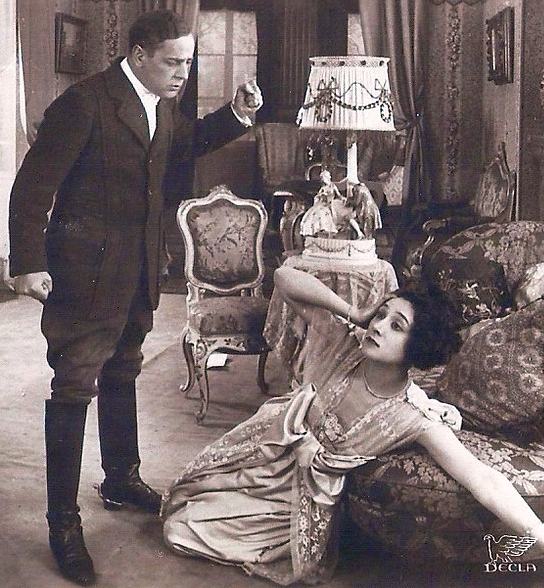
Stepping into the spectral glow of a silent film like Hans Land's Die Sünde, one is immediately transported to an era where melodrama reigned supreme, yet often served as a potent vehicle for incisive social commentary. This cinematic artifact, featuring the compelling talents of Emil Biron, Ressel Orla, and Paul Rehkopf, is far more than a mere historical curiosity; it is a profound exploration of human frailty, societal condemnation, and the arduous path toward a semblance of redemption. The narrative, as intricate as a finely woven tapestry, unfurls against a backdrop of rigid moral codes, where a single misstep could irrevocably alter a life's trajectory, particularly for women.
At its heart, Die Sünde is the tragic yet ultimately defiant saga of Elara, portrayed with breathtaking vulnerability and fierce resolve by Ressel Orla. Elara is introduced as a woman of modest means, her life a delicate balance of quiet dignity and burgeoning hopes. Her world, however, is irrevocably fractured by the captivating, yet ultimately corrosive, charm of Baron von Linden, played with a nuanced blend of aristocratic entitlement and insidious manipulation by Emil Biron. Their clandestine affair, a transgression against the era's severe social mores, blossoms in the shadows, fueled by a potent cocktail of passion and naiveté. Orla’s portrayal of Elara’s initial enchantment is palpable, a subtle dance of stolen glances and hushed whispers that betray a yearning for connection beyond her station. Biron, in turn, masterfully crafts a character who, while alluring, hints at a deeper, self-serving core, a man accustomed to taking without consequence. The very air around their interactions feels charged with an unspoken tension, a foreboding sense of impending doom that is characteristic of the best silent melodramas.
The inevitable consequence of their liaison – the birth of a child out of wedlock – serves as the catalyst for Elara's precipitous descent into social ignominy. In the unforgiving landscape of early 20th-century society, an illegitimate child was not merely a personal tragedy but a public scandal, a brand of 'sin' that irrevocably marked the mother. Orla’s depiction of Elara’s maternal protectiveness is perhaps the film's most resonant emotional anchor. Her love for her infant transcends the shame and judgment hurled at her, becoming a powerful, almost primal, force. It is this fierce devotion that drives her to a desperate act: the theft of a small, insignificant trinket, a desperate attempt to secure food and warmth for her child. This 'sin,' however minor in its material value, is monumental in its implications, cementing her status as a pariah. The film brilliantly uses this act to highlight the profound hypocrisy of a society that condemns a woman for an act of love and survival, while often turning a blind eye to the transgressions of powerful men like Baron von Linden.
Paul Rehkopf, in a role that lends gravitas and moral weight, often represents the stark, unyielding face of this judgmental society, or perhaps a glimmer of its conscience. His presence adds a layer of complexity, embodying either the patriarchal authority that seeks to enforce order or the quiet observer who questions the harshness of the system. The interplay between these three central figures forms the emotional and ethical core of Die Sünde, creating a dynamic tension that keeps the audience riveted, even in the absence of spoken dialogue. The film's strength lies in its ability to communicate profound emotional states and complex moral dilemmas through gesture, expression, and the potent visual language of silent cinema.
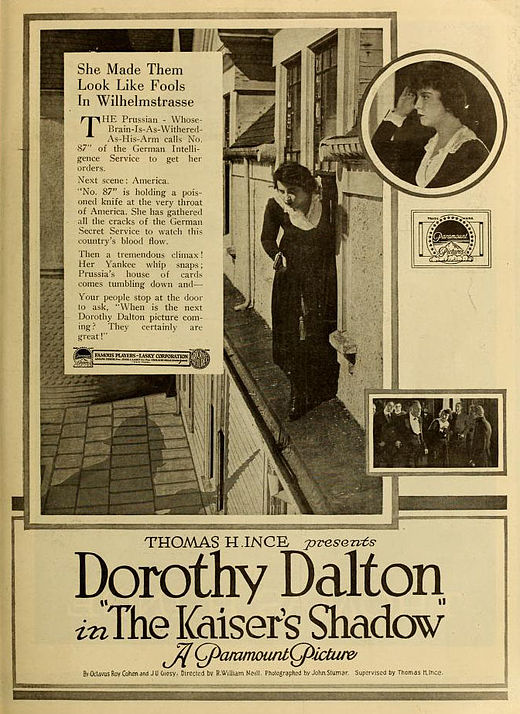
The journey of Elara, post-condemnation, is a harrowing one, marked by destitution, ostracization, and a relentless struggle against a world that seems determined to crush her spirit. Yet, it is precisely in these moments of profound adversity that Orla’s performance truly shines. Her Elara is not a passive victim; she is a woman who, despite immense suffering, finds reservoirs of resilience and an unwavering will to survive for her child. This narrative arc, focusing on a woman's endurance in the face of societal cruelty, resonates with themes explored in other compelling silent era dramas. One might draw parallels to films like Salvation Nell, which similarly delves into the struggles of a woman seeking redemption and a better life amidst poverty and moral judgment. Both films, in their unique ways, underscore the idea that true salvation often comes not from external absolution, but from an internal fortitude and a commitment to one’s own moral compass, however tarnished it may seem to the outside world.
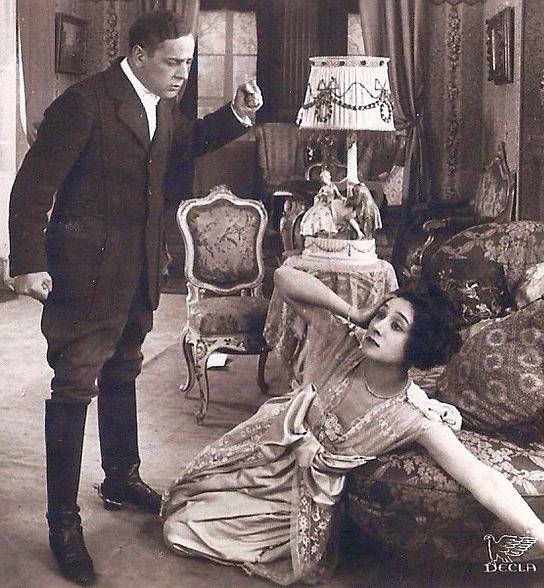
Hans Land's direction is characterized by a keen eye for visual storytelling, utilizing close-ups to convey the raw intensity of Orla's emotions and wider shots to establish the oppressive societal landscape. The use of light and shadow, a hallmark of early cinema, is particularly effective in Die Sünde, often mirroring Elara's emotional state – moments of hope bathed in soft light, periods of despair cloaked in deep, oppressive shadows. The intertitles, rather than merely advancing the plot, often serve as poetic pronouncements or sharp social critiques, amplifying the film's thematic depth. This thoughtful craftsmanship elevates the film beyond simple melodrama into something more akin to a cinematic parable.
The film's exploration of societal hypocrisy is particularly trenchant. While Elara is publicly shamed and condemned, Baron von Linden largely escapes censure, his reputation mostly intact, a stark illustration of the era's pervasive double standards. This theme finds echoes in many social dramas of the period, where the consequences of 'sin' were disproportionately borne by women. Consider, for instance, The Awakening of Bess Morton, which also grapples with a woman's journey of self-discovery and defiance against societal expectations. While Bess Morton's 'awakening' might be a more internal, intellectual one, Elara's is a brutal, external crucible, forcing her to confront the very foundations of her society's moral framework. Both, however, speak to a burgeoning awareness of female agency in a world that sought to deny it.
The performances are uniformly strong, but it is Orla who commands the screen with a mesmerizing intensity. Her ability to convey profound grief, unwavering love, and quiet defiance without uttering a single word is a testament to her mastery of the silent acting craft. One might compare her emotive power to that seen in films featuring dramatic actresses of the era, such as those in La leggenda di Pierrette, where the central female figure also navigates complex emotional landscapes. Orla, like her contemporaries, understood that the silent screen demanded an expressiveness that transcended dialogue, an ability to speak volumes with a mere glance or a subtle shift in posture. Biron, for his part, avoids the trap of making Baron von Linden a one-dimensional villain. Instead, he imbues the character with a chilling believability, portraying a man who genuinely believes himself above reproach, his actions merely the natural prerogative of his station. This nuanced portrayal makes his character all the more insidious and his escape from justice all the more infuriating for the audience.
The film's climax, rather than offering a simplistic resolution, opts for a more complex and ultimately more satisfying conclusion. Elara’s redemption is not found in societal forgiveness – which is rarely granted to those who transgress its most sacred tenets – but in her own unwavering self-acceptance and the profound, enduring bond with her child. It is a redemption forged in suffering, sustained by love, and ultimately defined by an internal peace that transcends external judgment. This rejection of easy answers is one of Die Sünde’s most enduring strengths, positioning it as a work of art that grapples with the deeper, more uncomfortable truths of the human condition.
In an era when films often served as moralizing tales, Die Sünde stands out for its nuanced approach. While it certainly operates within the framework of moral judgment, it simultaneously critiques the very system that creates such 'sins.' It forces the audience to question who truly bears the greater culpability: the individual driven to desperation by circumstance, or the society that creates those circumstances and then mercilessly condemns its victims. This profound questioning elevates the film from a mere melodrama to a significant piece of social commentary, akin to the societal critiques embedded in films like In the Clutches of the Paris Apaches, which, though focusing on urban crime, similarly exposes the dark underbelly and systemic failings of society. Both films, in their distinct genres, reveal the precariousness of life for those on the margins and the often-brutal indifference of the established order.
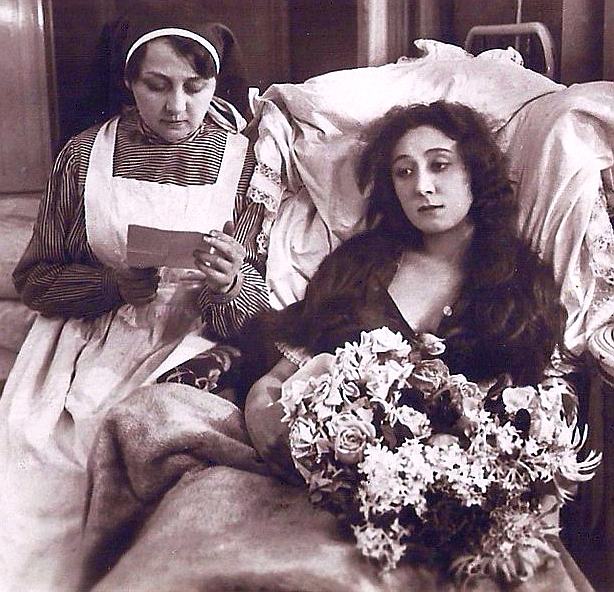
The enduring legacy of Die Sünde lies not only in its compelling narrative and powerful performances but also in its timeless exploration of themes that continue to resonate. The struggle between individual desire and societal expectation, the impact of moral judgment, and the search for personal integrity in a flawed world are universal human experiences. Hans Land, through the lens of silent cinema, crafted a work that speaks volumes without a single uttered word, relying instead on the expressive power of visual storytelling and the profound emotional depth of his actors. It is a film that challenges, provokes, and ultimately moves its audience, leaving a lasting impression long after the final frame fades to black.
From a technical perspective, the film showcases the burgeoning artistry of early German cinema. The cinematography, though perhaps rudimentary by today's standards, is remarkably effective in establishing mood and character. The editing maintains a compelling pace, building tension and allowing emotional beats to land with maximum impact. The decision to focus heavily on the psychological torment and resilience of Elara, rather than merely sensationalizing her 'sin,' is a testament to the sophistication of the screenplay by Hans Land. It's a character study masquerading as a social drama, and it succeeds brilliantly in both capacities. One might even see elements that foreshadow later, more celebrated works of German Expressionism in its dramatic use of light and shadow, and its exploration of internal states through externalized visuals, though perhaps not as overtly stylized. This early film hints at the rich cinematic landscape that was to emerge from Germany.
Moreover, Die Sünde serves as a crucial document in understanding the social anxieties and moral debates of its time. It reflects a society grappling with changing norms, yet fiercely clinging to traditional values. The film’s power lies in its ability to critique these rigidities without resorting to didacticism. Instead, it presents a human story so compelling that the audience is drawn into Elara’s plight, feeling her despair, her defiance, and ultimately, her quiet triumph. This empathetic connection is a testament to the universal language of silent film when executed with such skill and sincerity. It reminds us that stories of struggle and perseverance are timeless, regardless of the technological advancements in filmmaking. The raw emotion of Orla's performance, the subtle menace of Biron, and the stoic presence of Rehkopf combine to create a deeply affecting experience.
Comparing it to other films of the period, Die Sünde holds its own as a powerful exemplar of narrative drama. While not as grand in scale as historical epics like Damon and Pythias, its intimacy and focus on individual moral struggle give it a different, yet equally profound, weight. It eschews the spectacle for intense psychological realism, a bold choice for its time. Similarly, while How Could You, Caroline? might offer a lighter, more comedic take on social expectations, Die Sünde delves into the darker, more unforgiving consequences of defying them. This contrast highlights the breadth of cinematic output during the silent era, capable of both lighthearted escapism and profound social critique. Land's film firmly plants itself in the latter category, daring to confront uncomfortable truths.
In conclusion, Die Sünde is a masterful silent film that transcends its historical context to deliver a timeless and deeply moving exploration of sin, judgment, and the enduring strength of the human spirit. Ressel Orla’s performance is nothing short of iconic, a portrayal of resilience that anchors the entire narrative. Hans Land’s thoughtful direction and Hans Land’s incisive script combine to create a cinematic experience that is both emotionally resonant and intellectually stimulating. It is a film that deserves to be rediscovered and celebrated, not just as a relic of a bygone era, but as a vibrant and relevant piece of cinematic art that continues to speak to the complexities of the human condition. It reminds us that the greatest 'sins' are often not those committed by individuals in desperation, but those perpetrated by societies in their rigid, unforgiving judgment. This film is a powerful testament to the fact that true artistry knows no temporal bounds, continuing to challenge and inspire across generations.
IMDb —
1916
Community
Log in to comment.