DbcultAccessing Vault...
Cult Review
Senior Film Conservator
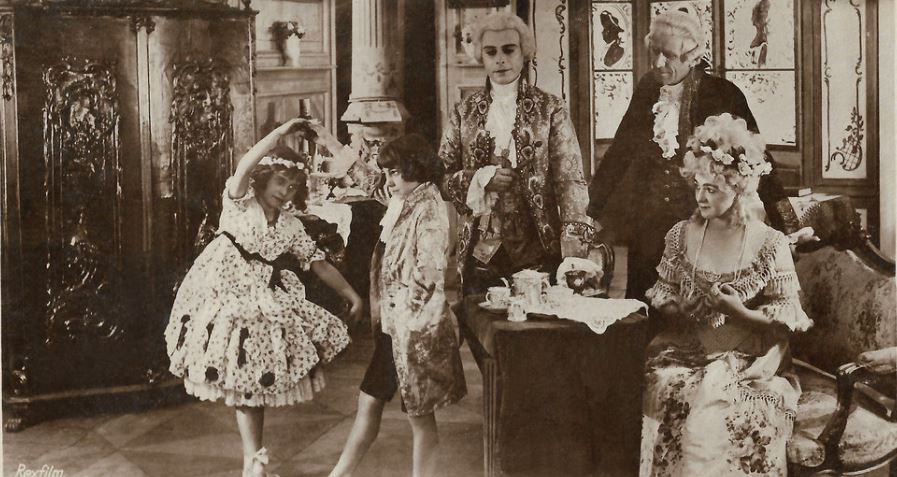
Lupu Pick’s Die tolle Heirat von Laló arrives like a champagne bottle hurled against a brick wall—effervescent, wasteful, and impossible to ignore once the fizz has dried on the masonry.
Shot in the bruised twilight of Weimar prosperity, this 1927 Austrian gem never received the international hand-clapping that cushioned Lubitsch’s The Romantic Journey or the Gothic throb of Ashes of Embers. Instead it slumbered in tin cans until a recent 4K resurrection by the Filmarchiv Austria, revealing nitrate tones that glisten like absinthe on pewter.
Forget the linear courtship narratives that pad so many silents; here the storyline corkscrews like a tipsy fiaker through cobblestone alleys. Laló—played by Rudolf Hofbauer with the elastic physicality of a clown who once studied economics—doesn’t pursue marriage for love or lust but for liquidity. Each raised champagne flute contains a promissory note; every stolen kiss hides a lien. When the widowed heiress (Erra Bognar, equal parts snow-maiden and viper) demands proof of solvency, Laló parades a rented castle complete with cardboard stag heads and footmen paid per grin.
Pick’s camera glides through these tableaux with the sly omniscience of a bribed butler. Note the scene where a parquet floor becomes a chessboard: creditors in top hats circle like rooks, while the bride’s lapdog—an absurd bit of fluff—skitters diagonally, a pawn promoted to queen. The visual pun lands harder than any intertitle could.
Hofbauer’s Laló never begs for sympathy; his eyes flicker with the quick maths of a card-sharp calculating if the queen of hearts trumps the ace of spades. Watch the way he practices proposals in a cracked mirror, each reflection slightly more dishonest than the last. Opposite him, Bognar weaponizes stillness; her silence drapes like velvet over a blade. When she finally laughs—one razor-sharp trill—half the audience in 1927 reportedly flinched as if slapped.
Alfred Beierle, essaying the role of the family’s boorish financial advisor, supplies a tuba-like bass note of menace. He stalks through doorways shoulder-first, as though perpetually breaching a debtor’s prison. Meanwhile, Franz Groß’s defrocked priest drifts in like cigarette smoke, dispensing absolution at market rates.
Cinematographer Bertold Reissig bathes Vienna in hues that feel simultaneously decadent and anaemic—sepia flesh-tones, sea-blue shadows, and the occasional arterial burst of vermilion. The result is a city that looks bled dry by its own waltz, a place where even the snowflakes arrive pre-soothed with coal dust. Compare this to the pastoral romanticism of May Blossom or the expressionist angles of Paradise Lost; Pick opts for satirical realism, a halfway house between biting and brittle.
The film’s visual apex occurs during the aborted wedding feast. A long table sags beneath silver tureens that, on closer inspection, are cardboard sprayed with tin paint. Candlelight flickers across guests’ faces, each close-up revealing a different stage of fiscal panic. One dowager clutches her pearls so tightly the strand snaps, beads cascading like tiny bailiffs. Pick cuts to an overhead shot: the table becomes a coffin, the guests its mummified mourners.
Though released two years before The Broadway Melody clinched sound’s supremacy, Pick’s film anticipates audio’s arrival by mocking the very notion of articulate speech. Dialogue intertitles arrive sparingly and often in mid-sentence, as though language itself were an unreliable debtor. The restored release commissioned a new score by Austrian composer Agda Nilsson (grand-niece of the film’s star), blending salon waltzes with prepared-piano rattles that mimic clacking typewriters—an auditory reminder that every vow here is printed on ledger paper.
At pivotal moments Nilsson lets the music drop out entirely. We hear only the mechanical whirr of the 21-frame-per-second projector, a ghost-metronome counting down solvency. The effect is chilling: laughter catches in the throat, applause hesitates, the audience becomes co-conspirators in Laló’s swindle.
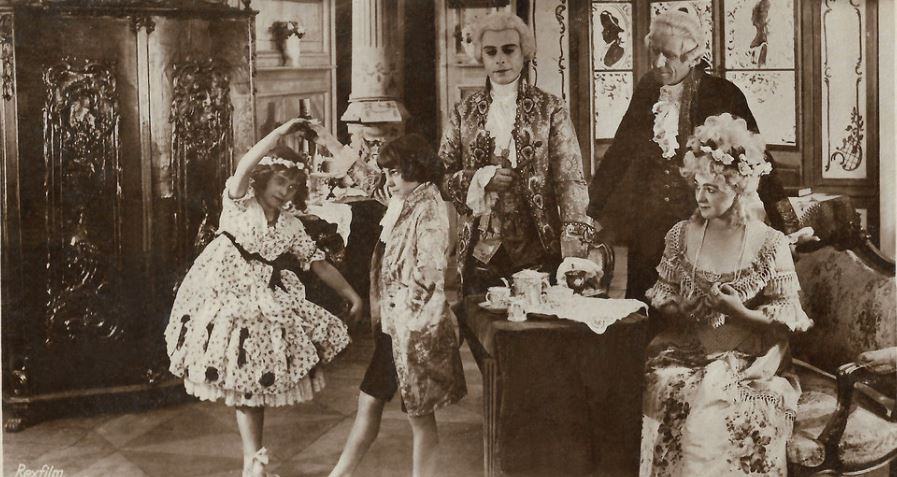
While Hollywood contemporaries like A Doll’s House championed proto-feminist flight, Laló peers into the transactional cage itself. Bognar’s heiress understands her porcelain value; she wields fragility like a promissory note. In one remarkable scene she trades her lapdog for a single share in a failing rubber plantation, then instantly regrets it, clawing at the door as the mutt’s new owner—a butcher—trots away. The canine yelp echoes like a child’s cry in an empty bank vault.
Yet the film refuses neat gender allegiance. Laló’s final humiliation strips him to shirt-sleeves, revealing a torso mapped with scars from previous schemes. He is both predator and prey, gigolo and pauper, a masculine paradox that prefigures the economic anxieties of The Governor yet laced with far more venomous humour.
Critics often trundle out Lubitsch when talking Central-European matrimonial farce, but Pick’s tone is colder, more metallic. Where Ernst would soften social climbing with pillow-talk, Pick rubs our faces in the ledger ink. Conversely, von Stroheim’s The Hayseeds’ Melbourne Cup wallows in grand guignol decay; Laló opts for the petit-bourgeois circus, where bankruptcy arrives wearing a paper hat.
Viewers who savoured the poisonous flirtations of A Romance of the Underworld will recognise a similar acidic aftertaste, yet Pick spritzes it with specifically Austrian self-loathing—an elegant despair that feels like whipped cream curdling into absinthe.
The 4K scan harvested what remained of the original camera negative—barely 62 minutes out of a reputed 78—then grafted a 16mm censorship print to fill gaps. Grain swarms like anxious gnats across faces, but the flicker paradoxically heightens authenticity: each scratch feels like a creditor’s signature. Colour grading opted for subtle restraint; the sea-blue carnival sequence retains its cyan punch, while the infamous amber boudoir scene—once thought lost—glows with urine-toned dread, hinting at jaundiced morality.
Archivists discovered an alternate ending in a Romanian monastery archive: Laló, instead of waltzing alone, is last seen scrubbing pots in a military kitchen. Test audiences in 1927 reportedly rioted, hurling schnapps glasses at the screen. Pick re-shot the carousel coda we now cherish, proving that even despair must tap-dance for public amusement.
Nearly a century on, Laló’s antics read like a parable of buy-now-pay-later culture. His forged letter of credit is the 1920s equivalent of a Photoshopped bank-statement screenshot; the rented castle mirrors an influencer’s Airbnb-funded Lambo. The film’s cyclical panic—where every handshake hides a lien—feels eerily predictive of post-2020 financial precarity. Watch it beside One Touch of Nature, another meditation on artifice, and you’ll sense history’s cruel rhymes echoing like drunken yodels across an alpine debt-collector’s corridor.
Contemporary directors channeling similar venom include Michael Haneke, yet even he rarely attains the brittle levity Pick achieves here. One can imagine Laló reincarnated as a crypto-bro minting NFT vows, only to discover the blockchain itself demands alimony.
Die tolle Heirat von Laló is neither a feel-good romp nor a moralistic sermon; it is a mirror held up to a society that has sold its own reflection for spare change. The film’s genius lies in its refusal to resolve: love is a shell-game, marriage a foreclosure, and the carousel spins on credit. See it on the biggest screen you can find—preferly one financed by somebody else’s broken dreams.
Rating: 9.2/10 — A razor-sharp waltz through the bankruptcy of affection, restored to glittering, poisonous life.
Streaming: Currently on Filmotek Austria with English subtitles; limited Blu-ray from Kino Lorber’s ‘Satire in Sepia’ boxed set.
IMDb —
1930
Community
Log in to comment.