DbcultAccessing Vault...
7.4/10
Senior Film Conservator
A definitive 7.4/10 rating for a film that redefined the boundaries of cult cinema. Die vom Rummelplatz remains a cornerstone of transgressive art.
Okay, so *Die vom Rummelplatz* from way back in 1926. Is it worth tracking down today? Well, if you’re a serious silent film fan or maybe just really curious about early German flicks, sure, give it a go. But if you’re used to anything remotely modern, this one might feel like a real slog. It’s definitely for a specific crowd, and if you're not in it, you might just find yourself wishing you were watching something else. 🤷♀️
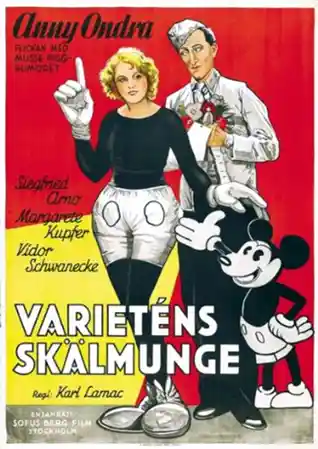
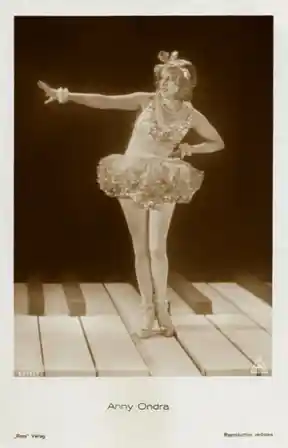
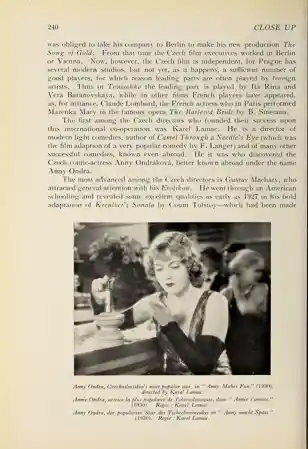
The whole thing kicks off with Anny Ondra, who really is the star here, coming back to her family’s little show at the fairground. You can almost feel the dust and the faded paint on those carnival rides. The struggling vibe of their little act feels pretty real, actually.
Anny, she’s just got this spark. Even without sound, her expressions are so lively, really selling her performances. It’s easy to see why she catches the eye of not just artist Hannes and singer Ordini, but also agent Horbes.
Her stage presence is *undeniable*. She has this way of looking right at the camera, almost like she knows you're there. That one scene where she’s doing her little dance, the camera just stays on her, and it makes you feel like you’re right there in the audience.
The fairground itself is quite a set piece. All those bustling extras, the little stalls, the slightly crooked tent where Anny's family performs. It gives the first part of the film a lovely, gritty charm that makes you root for them.
Then comes agent Horbes, a bit of a slickster, who promises them the big leagues: Berlin’s Apollo theatre. This shift from the dusty, intimate fair to the grand, imposing theatre is quite stark. Suddenly, everything is bigger, more polished.
The move to Berlin feels a little too quick, almost like a jump cut in plot development. One minute they’re struggling, the next they’re practically famous. You don’t quite get the sense of the *work* involved.
The love triangle – or maybe quadrangle – between Anny, Hannes, and Ordini, with Horbes lurking, is pretty standard stuff for the era. It feels like the movie tries to make these romantic entanglements super dramatic, but they don't always land.
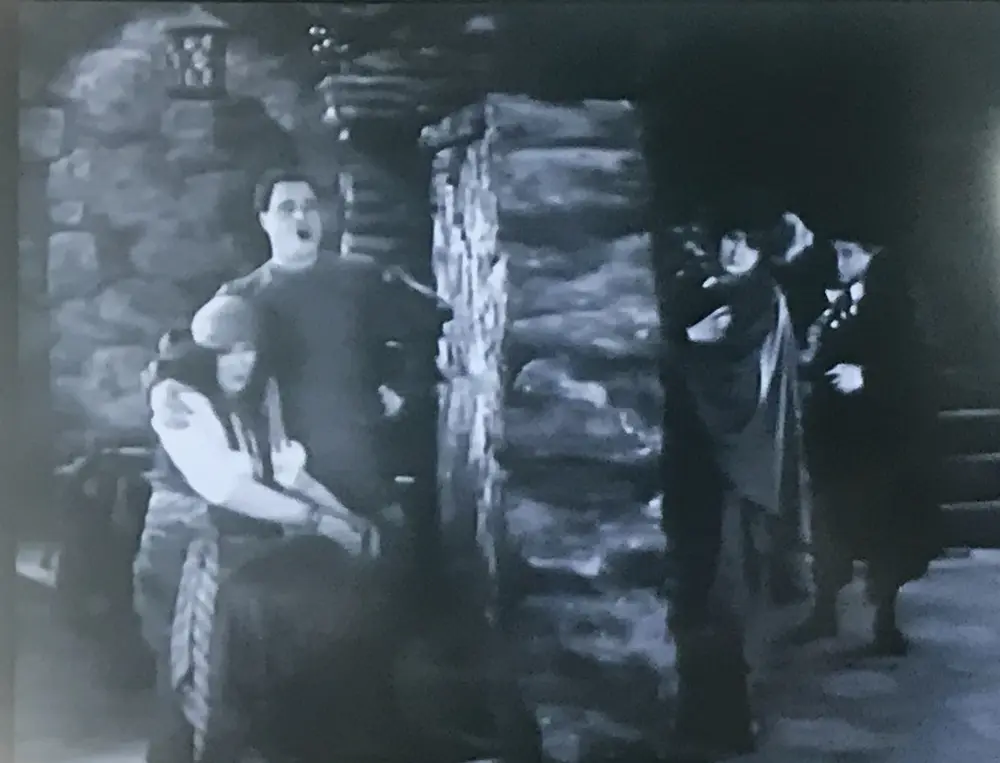
There's a scene where Hannes is painting Anny, and it goes on for a bit long, the silent longing in their gazes stretching into awkwardness. You kinda get it after the first thirty seconds. No need to belabor it, movie. 😬
Kurt Gerron, who plays Ordini, is interesting. He’s got this intense, almost brooding look that really stands out against some of the other more overtly comedic characters. His jealousy is clear, even in silence.
The film does a good job of showing the contrast between their humble beginnings and the glitz of the city. The costumes in Berlin are suddenly much fancier, the sets more elaborate. But honestly, the heart of the movie, for me, was back at the fair.
The whole storyline about their success and the drama that comes with it feels a bit thin. It’s more about the journey than the destination, or perhaps more about Anny Ondra’s sheer screen presence carrying you through. It’s not exactly a deep dive into the human condition, you know?
Overall, *Die vom Rummelplatz* is a neat little time capsule. It’s a chance to see a silent film star truly shine, even if the plot itself sometimes just… floats along. If you like your cinema old and a bit quaint, you might find some charm here. Otherwise, you might find yourself checking the clock. 🕰️
IMDb —
1927
Community
Log in to comment.