In the Roman Coliseum, at the beginning of the Christian era, the Emperor Turnerius, accompanied by his favorite, Nerissa, watches the bestial games in the arena. His son Gordian is asked by Grimaldo the magician to save the life of a Christian girl about to be thrown to the lions.

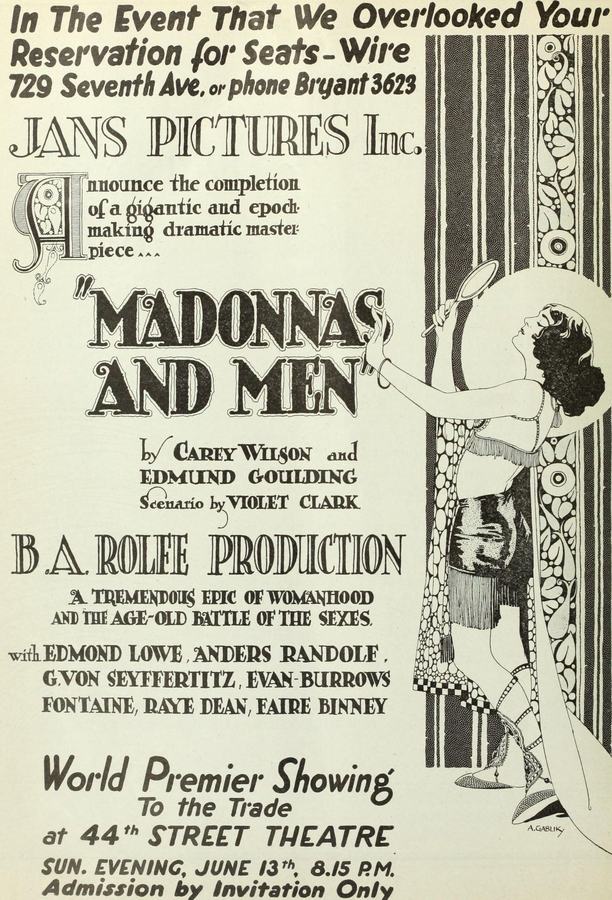
To approach Madonnas and Men is to engage with the sheer audacity of early 20th-century filmmaking, a period when the cinematic medium was grappling with its own potential for temporal fluidity and moral instruction. Directed with a sweeping sense of pageantry, this 1923 relic functions as a bridge between the histo...
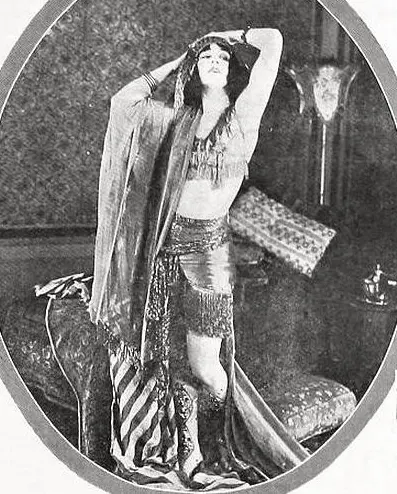
still_frame


Comparing the cinematic DNA and archive impact of two defining moments in cult history.
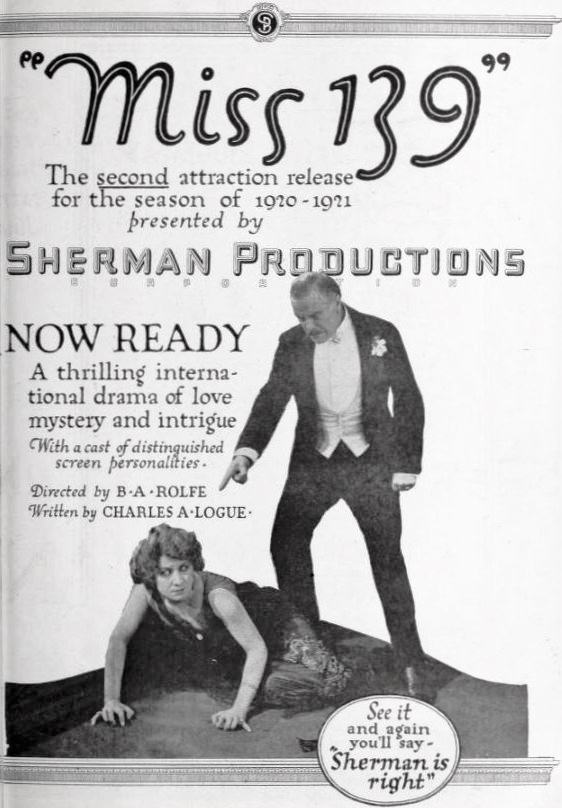
B.A. Rolfe

Robert N. Bradbury
Community
Log in to comment.
" To approach Madonnas and Men is to engage with the sheer audacity of early 20th-century filmmaking, a period when the cinematic medium was grappling with its own potential for temporal fluidity and moral instruction. Directed with a sweeping sense of pageantry, this 1923 relic functions as a bridge between the historical spectacles of the previous decade and the burgeoning psychological dramas of the roaring twenties. It is a film that refuses to be confined by the singular constraints of its..."
Edmund Goulding, Violet Clark, Carey Wilson
United States