DbcultAccessing Vault...
Cult Review
Senior Film Conservator
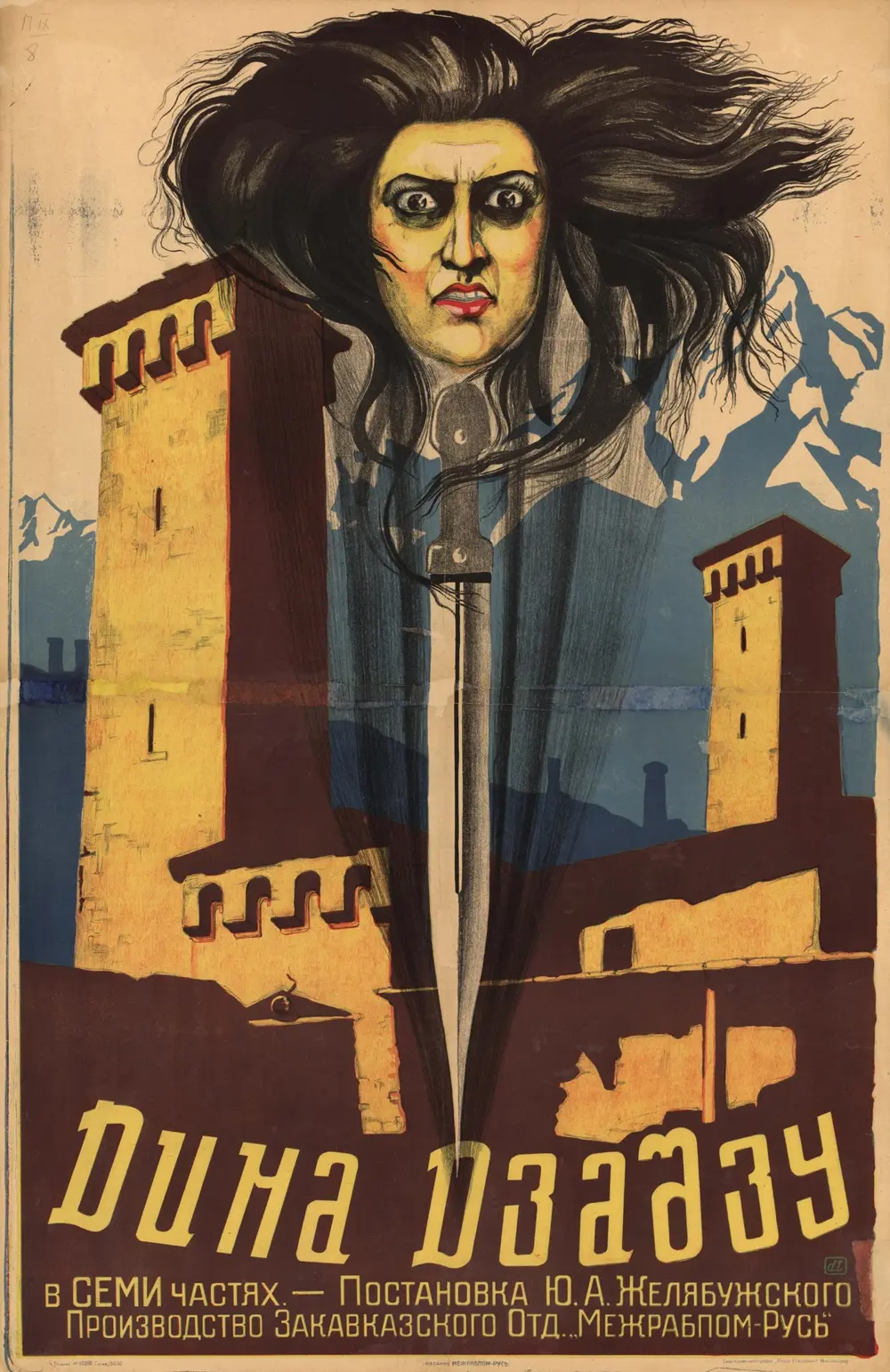
Is Dina Dza-dzu worth watching today? Short answer: yes, but with significant caveats. This early Georgian drama, a compelling artifact from a bygone cinematic era, offers a profound, if sometimes ponderous, look into societal pressures and personal rebellion. It is a film for those who appreciate historical context and nuanced character studies, especially enthusiasts of classic international cinema or anyone curious about the foundational works of Georgian filmmaking. However, it is decidedly not for viewers seeking fast-paced narratives, modern production values, or easily digestible plots.
This is a film that demands patience and rewards it with a quiet, resonant power. It works. But it’s flawed. The experience of watching Dina Dza-dzu is akin to examining a beautifully preserved antique: its craft is evident, its history palpable, yet its practical application in a contemporary setting might feel clunky or unsuited to modern sensibilities.
Grigori Arustanov’s Dina Dza-dzu, penned with a clear eye for social commentary, plunges us into a rural Georgian village at a pivotal moment. The narrative centers on Dina, played with remarkable inner strength by Elene Eristav-Jgenti, a young woman whose personal desires clash violently with the rigid expectations of her community. Her heart yearns for Gela, a man whose ambition promises a future beyond the village’s confines, a stark contrast to the arranged marriage her family, particularly her stern father, has orchestrated with the prosperous but aging merchant, Shalva.
The film excels in portraying this timeless conflict with a specificity that transcends its era. It’s not just a story of a woman trapped; it's a meticulous study of the societal machinery that orchestrates such entrapment. The village itself becomes a character, its traditions and collective will acting as both a protective embrace and an iron cage for Dina.
One particularly resonant aspect is the film’s subtle portrayal of Dina’s rebellion. There are no grand declarations or overt acts of defiance until late in the narrative. Instead, Eristav-Jgenti conveys Dina’s internal struggle through a series of quiet glances, hesitant gestures, and a palpable sense of suppressed longing. A scene where Dina silently watches Gela from afar, her face a canvas of conflicting emotions, speaks volumes about her predicament without a single line of dialogue. This approach grounds the story in a profound realism that feels remarkably modern, even for a film of its vintage.
The plot, while straightforward, gains complexity through its exploration of duty versus desire, and the individual’s struggle against the collective. It’s a theme that remains perennially relevant, making Dina Dza-dzu more than just a historical curiosity. It’s a human story, albeit one filtered through a specific cultural and historical lens.
The strength of Dina Dza-dzu rests heavily on its ensemble cast, who deliver performances steeped in the theatrical traditions of their time yet infused with an undeniable authenticity. Elene Eristav-Jgenti, as Dina, is the undeniable anchor. Her portrayal is a masterclass in understated emotion, her expressive eyes often doing more work than any monologue could. There’s a particular close-up shot of her during the wedding preparation scene, where her gaze shifts from the celebratory preparations to a distant window, a moment that perfectly encapsulates her internal turmoil and the weight of her impending fate.
Opposite her, Akaki Vasadze as Dina’s stern father delivers a performance of formidable authority. He embodies the patriarchal force of tradition, not as a mustache-twirling villain, but as a man genuinely believing he is acting in his family's best interest, however misguided. His scenes with Eristav-Jgenti are charged with a quiet tension, a battle of wills fought mostly through unspoken understanding and cultural obligation. Vasadze’s ability to convey both unwavering conviction and a hint of paternal concern adds layers to a character that could easily have been one-dimensional.
Veriko Anjaparidze, a titan of Georgian cinema, brings a quiet dignity to her supporting role, likely as Dina's mother or a sympathetic elder. Her presence, even in brief appearances, lends gravitas and a sense of lived experience to the village tapestry. The interplay between these seasoned actors, despite the limitations of early sound or silent film techniques, creates a believable and emotionally resonant world. Even Nikoloz Kakhidze, as Gela, manages to imbue his character with an earnest ambition that makes his eventual fate, whatever it may be, feel earned and tragic.
The acting style, while occasionally leaning into the dramatic conventions of the era, avoids overt melodrama for the most part. It prioritizes emotional truth over theatricality, a testament to the director’s guidance and the actors’ skill. This is particularly evident in the way characters react to news or conflict; often, it’s a subtle shift in posture or a lingering gaze that communicates the profound impact, rather than exaggerated gestures.
Grigori Arustanov's direction in Dina Dza-dzu is characterized by a deliberate, almost observational pacing. He allows scenes to unfold naturally, giving the audience time to absorb the atmosphere and the characters' internal states. This unhurried approach, while potentially challenging for modern viewers accustomed to rapid cuts, is crucial for building the film's immersive world. The sense of a community, deeply rooted in its traditions, emerges organically through these extended takes and carefully composed frames.
The cinematography, even through the lens of archival preservation, showcases a keen eye for composition. Arustanov frequently employs wide shots that emphasize the vastness of the Georgian landscape, contrasting it with the intimate struggles of the characters. A particularly striking sequence involves the village elders gathering, their figures framed against a stark, almost theatrical backdrop of hills and sky, underscoring their symbolic weight within the community. This visual language is not merely decorative; it actively contributes to the film’s thematic exploration of individual versus environment.
The tone is predominantly somber, yet punctuated by moments of genuine warmth and subtle humor, often found in the background interactions of the villagers. This balance prevents the film from becoming overly bleak, injecting a sense of lived reality into the drama. The sound design, or lack thereof for silent films, means that the visual storytelling and the actors' expressions carry an immense burden, a challenge Arustanov navigates with considerable skill. The rhythm of the film, dictated by its deliberate edits and sustained shots, creates a hypnotic effect, drawing the viewer deeper into Dina's predicament.
One could argue that the pacing occasionally verges on languid, particularly in the film's middle act, where the incremental shifts in Dina's resolve might test the patience of some. However, this deliberate slowness is ultimately a strength, allowing the emotional weight of her decisions to accumulate. It's a directorial choice that prioritizes mood and character development over plot propulsion, a hallmark of many enduring early dramas.
Yes, Dina Dza-dzu is absolutely worth watching, but with a specific mindset. It's not a casual viewing experience. This film requires engagement and an appreciation for cinema as a historical art form. It offers a unique window into early Georgian culture and filmmaking techniques.
For students of film history, it's invaluable. For those interested in social dramas that explore universal themes through a specific cultural lens, it's highly rewarding. It provides a foundational understanding of how narrative and character were constructed in an era before many modern conventions took hold. The film’s quiet power resides in its ability to transcend its age, making its core human struggles feel perpetually relevant. Expect a slow burn, but anticipate a lasting impression.
This film works because its central conflict is timeless, and its performances, particularly Elene Eristav-Jgenti's, convey profound emotion with remarkable subtlety, transcending the technical limitations of its era. The deliberate pacing allows for deep character immersion and a rich understanding of the cultural milieu, making Dina's struggle feel deeply personal and universally resonant.
This film fails because its unhurried rhythm and dated production aesthetics (which are inevitable given its age) will undoubtedly alienate viewers accustomed to contemporary narrative speeds and visual polish. The subtlety can sometimes border on ambiguity, requiring a more active interpretation from the audience, which might be perceived as a flaw by those seeking clearer resolutions or more explicit dramatic beats.
You should watch it if you are a cinephile with a particular interest in early international cinema, Georgian cultural history, or character-driven dramas that prioritize emotional depth and social commentary over plot twists and spectacle. It’s also ideal for those who appreciate films that demand patience and offer a meditative viewing experience, rewarding careful attention with lasting thematic resonance.
One surprising observation about Dina Dza-dzu is how its perceived 'simplicity' actually amplifies its emotional impact. In an age of cinematic excess, the film's minimalist approach to storytelling and visual grandeur forces the audience to focus intensely on the human element. There are no grand special effects or elaborate set pieces; instead, the drama unfolds in the faces and gestures of its characters, making their plight feel incredibly immediate and vulnerable. This stripping away of artifice is, in its own way, a bold stylistic choice that feels almost avant-garde for its time.
I’d argue that the film’s greatest strength, and perhaps its most unconventional aspect for a film of its period, is its refusal to condemn any single character outright. While Dina’s father is the antagonist to her desires, Arustanov presents him not as a villain, but as a product of his environment, driven by what he perceives as necessary for survival and societal standing. This nuanced portrayal of antagonists is often a hallmark of more modern, complex storytelling, making its presence here particularly striking. It challenges the viewer to look beyond simple good-versus-evil dichotomies.
Furthermore, the film's ending, without giving anything away, feels less like a definitive conclusion and more like a continuation of life's complex tapestry. This open-endedness, rather than providing neat closure, offers a more profound reflection on the enduring nature of societal pressures and individual resilience. It's a choice that lingers, prompting contemplation long after the credits roll, a testament to its lasting power and a defiance of conventional narrative structures.
Here’s a breakdown of what works and what might challenge viewers in Dina Dza-dzu:
Dina Dza-dzu is more than just a historical document; it's a testament to the enduring power of human stories, even when told through the nascent language of cinema. It's a film that demands your attention, not with flashy theatrics, but with genuine emotional depth and a keen understanding of the human condition. While its age and pacing might deter some, those willing to invest will find a rewarding experience, a quiet epic that resonates with timeless truths about freedom, duty, and love.
It's a foundational piece that deserves to be rediscovered, a stark reminder that profound cinema existed long before blockbusters and special effects. It's an important film. Go watch it, but prepare for a journey, not a sprint.
IMDb 6
1918
Community
Log in to comment.