DbcultAccessing Vault...
Cult Review
Senior Film Conservator
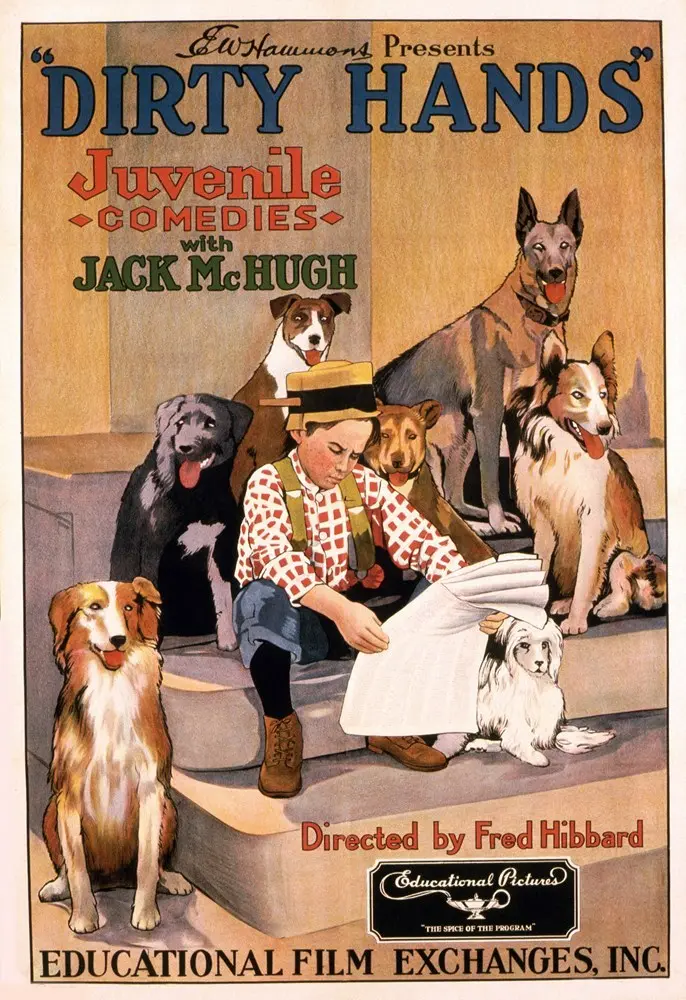
In the annals of early cinema, where narratives often painted broad strokes of morality, adventure, or domestic drama, certain films emerge not just as historical artifacts, but as enduring testaments to the human (and often, canine) spirit. Fred Hibbard’s Dirty Hands, a silent film that quietly captures the essence of childhood resilience against the backdrop of urban struggle, is precisely such a work. It’s a narrative that, despite its era’s technical limitations, resonates with a timeless quality, offering a poignant look at responsibility, loyalty, and the unexpected twists of fortune that can illuminate even the darkest corners of life. Far from a mere relic, this film serves as a vibrant, if monochromatic, window into the societal fabric of its time, presenting a story that is both deeply personal and universally appealing.
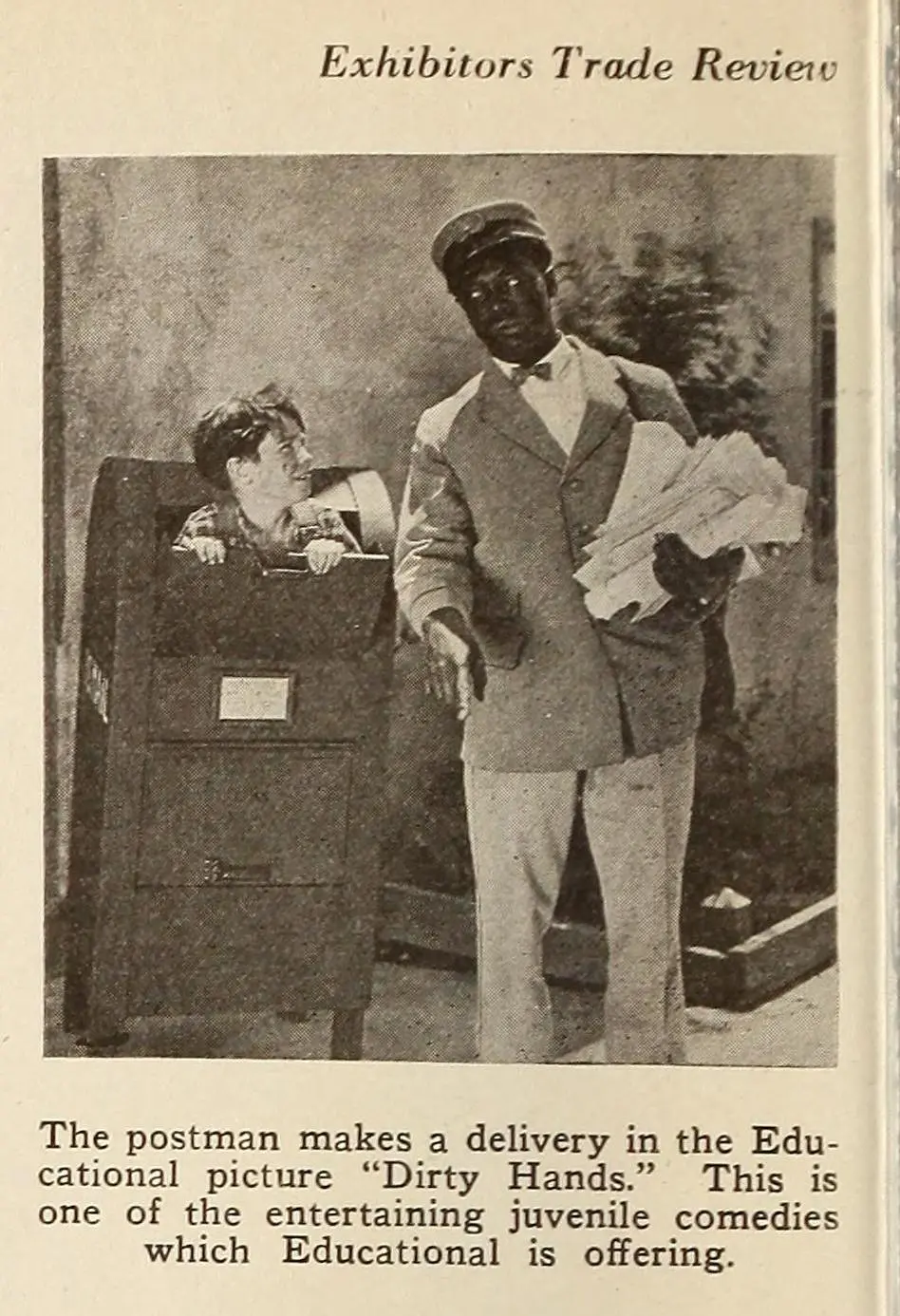
At the heart of Dirty Hands is Jack, portrayed with earnest conviction by Ben Alexander, a young actor whose expressive face carries much of the film’s emotional weight. Jack is introduced not as a carefree child, but as a miniature patriarch, a foundational pillar in a household strained by poverty. His days are a relentless ballet of domestic duty: tenderly watching over the baby while his mother (Birdie Fogle, whose portrayal of maternal weariness is subtly powerful) labors over neighbors' washings, then embarking on arduous delivery routes, each package a tangible manifestation of their struggle. This isn't the idyllic childhood often romanticized; it's a stark reality where necessity dictates every action, and playtime is a luxury earned through diligent effort. Yet, amidst this demanding existence, Jack finds an outlet, a fleeting moment of self-definition: he is the undisputed captain of the East Side Baseball Team. His captaincy, notably, stems from his ownership of the team's only ball, a detail that speaks volumes about the scarcity of resources and the ingenuity required to simply play. The film playfully depicts a lopsided game against the West Side, with Jack's team leading forty to nothing, only for darkness to descend before the West Side even gets a chance to bat. This almost farcical victory, a testament to youthful exuberance and perhaps a touch of narrative convenience, momentarily lifts the oppressive weight of his daily life, showcasing the simple joys that can punctuate hardship.
The silent era, with its reliance on visual storytelling and exaggerated expressions, often excelled at depicting such stark contrasts. Here, the fleeting joy of a baseball game is quickly juxtaposed with the harsh economic realities that soon follow. The film, through its unvarnished portrayal of Jack's circumstances, subtly critiques the societal conditions that forced children into such adult responsibilities. It’s a thematic thread that, while not explicitly political, resonates with the social realism seen in other films of the period that touched upon the struggles of the working class, albeit often with a more dramatic flair than the lighthearted adventure presented here. For instance, while not directly comparable in genre, the underlying current of societal pressure and vulnerability found in films like The Price of Her Soul or Damaged Goods (1918), though dealing with more adult themes, echoes the precariousness of life for those on the margins. Fred Hibbard, as the writer, deftly navigates these heavy topics with a touch that remains accessible and, ultimately, hopeful.
The narrative takes a somber turn when Jack's mother, facing the insurmountable challenge of supporting a large family on meager laundry earnings, makes the agonizing decision to place Jack and his loyal dog in an orphan asylum. This moment, common in early cinema as a plot device to introduce hardship and separation, is handled with a quiet dignity. The asylum, often depicted as a place of last resort, becomes a crucible for Jack’s character. However, the true emotional core of this section lies in the unbreakable bond between Jack and his canine companion. The dog, a character whose loyalty transcends human understanding, refuses to be confined, repeatedly escaping the asylum's walls to return to Jack. And Jack, in turn, refuses to accept his fate, mirroring his dog's determination to resist institutionalization. This refusal to conform, this primal yearning for freedom and connection, forms the emotional backbone of the film's central conflict.
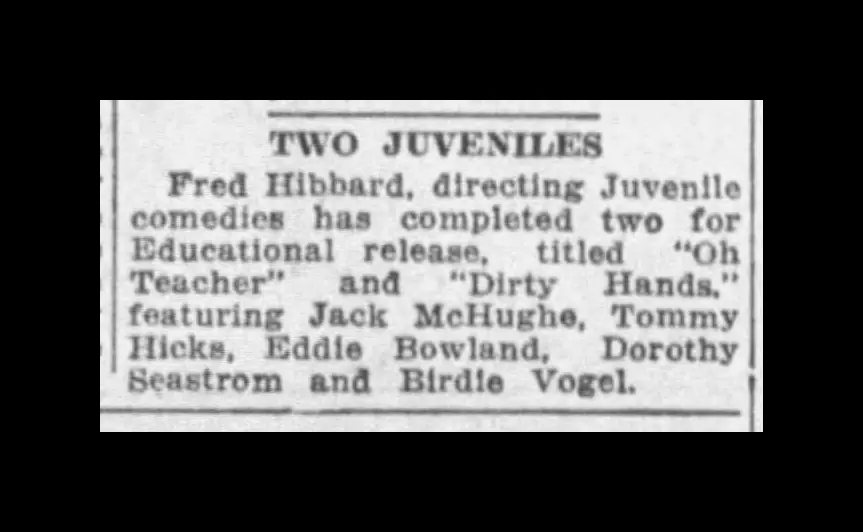
The superintendent, exasperated by the dog's persistent returns, escalates the situation, summoning the town's "best dog-catcher." This introduction of an antagonist, albeit a somewhat comical one, injects a new layer of tension and adventure into the story. The dog-catcher, a figure of authority determined to enforce order, finds himself pitted against an adversary far more cunning than anticipated. The ensuing chase sequences are a masterclass in silent film physical comedy and suspense. The dog, with an almost human-like intelligence, employs a myriad of ingenious tricks and evasions, outwitting the dog-catcher at every turn. These moments of playful defiance are reminiscent of the clever antics found in other adventure films, perhaps even sharing a spirit with the problem-solving nature required in El rompecabezas de Juanillo, though in a vastly different context. The dog's resourcefulness, more plentiful "than there were fleas on his back," as the plot describes, not only provides comedic relief but also elevates the animal from a mere pet to a pivotal character, a co-conspirator in Jack's quest for freedom and family.
The climax of this middle act sees Jack, embodying a youthful heroism, take matters into his own hands. He liberates not only his own dog but an entire wagon-load of captives from the dog-catcher's clutches. This act of defiance and compassion ignites a chaotic, exhilarating chase, a spectacle of canine freedom and human ingenuity. The "fun started in earnest," as the plot notes, as Jack orchestrates the escape, demonstrating leadership and quick thinking under pressure. He succeeds in saving the entire lot, leading them home to his tired, undoubtedly bewildered, mother. This triumphant return, a moment of profound relief and joy, underscores Jack's unwavering commitment to his loved ones, both human and animal. The ensemble cast, including Tommy Hicks, Jimmy Hertz, Jack McHugh, Peggy Cartwright, and Ella McKenzie, likely contributed to the lively atmosphere of these scenes, even if their roles were minor compared to Ben Alexander's central performance.
The narrative then shifts gears, moving from daring escape to serendipitous discovery. The following day, Jack, engrossed in the newspaper—a rare moment of quiet contemplation for a child of his circumstances—stumbles upon a lost and found advertisement. This seemingly mundane detail proves to be the linchpin of the entire plot. The advertisement describes a significant reward for the return of dogs lost from a kennel. With a flash of recognition, Jack realizes that the very dogs he had liberated are the missing pets. This moment of acute observation and ethical action elevates the story beyond a simple childhood adventure. It transforms Jack's earlier act of compassion into a catalyst for profound change.
His integrity in returning the dogs to their rightful owner is met with the promised reward, a sum substantial enough to fundamentally alter his family's fortunes. The ensuing scene, depicting the gifts Jack procures for his mother, is imbued with a heartwarming charm. A new cuckoo clock, a practical yet delightful addition, symbolizes the return of order and cheer to their home. A new washboard, a tool of her trade, signifies a renewed sense of dignity and ease in her arduous work. But it is the Rolls Royce, a truly extravagant and unexpected purchase, that caps the film with a sense of almost fairy-tale-like triumph. This final flourish, a symbol of ultimate prosperity, transforms their rags-to-riches story into a heartwarming fable of virtue rewarded. It's a moment that, while perhaps stretching the bounds of realism, perfectly encapsulates the optimistic spirit often found in silent cinema, where good deeds are ultimately, and sometimes spectacularly, recompensed. The sheer delight of this unexpected turn of events is palpable, a cinematic sigh of relief after the preceding hardships. It’s a powerful conclusion that, much like the sense of adventure and triumph in The Tiger or the exhilarating moments of Thrills, leaves the audience with a smile.
Fred Hibbard, credited as the writer, demonstrates a keen understanding of silent film narrative conventions. The plot is episodic yet cohesive, building from domestic struggle to heroic adventure and culminating in a satisfying resolution. The reliance on visual gags, particularly during the dog-catcher chase, is a hallmark of the era, demanding expressive performances and clear staging. The film's strength lies in its simplicity and its focus on universal themes: the innocence of childhood, the burden of poverty, the fierce loyalty of a pet, and the unexpected kindness of fate. The pacing, typical of silent films, allows for moments of quiet observation and bursts of frenetic action, guided by intertitles that provide necessary dialogue and exposition. The visual style, while limited by the technology of the time, would have employed clear compositions and effective use of light and shadow to convey mood and setting. The urban environment, though likely depicted through studio sets and stock footage, would have been rendered with enough detail to establish the gritty backdrop of Jack’s early life. This attention to detail in world-building, even with modest resources, is crucial for drawing the audience into the story, much like how the vast landscapes in films such as Canyon of the Fools or The Ranch Romeo define their respective narratives.
In a silent film, the actors' ability to convey emotion, thought, and intention through gesture, facial expression, and body language is paramount. Ben Alexander, as Jack, delivers a performance that is both endearing and convincing. His youthful energy, combined with moments of quiet contemplation and determined action, makes Jack a highly sympathetic protagonist. Birdie Fogle, as the weary mother, embodies the quiet suffering and resilience of a woman struggling against overwhelming odds. Her expressions of exhaustion, hope, and eventual relief would have been central to the film's emotional impact. The dog, a true star in its own right, deserves special mention for its remarkable 'acting,' demonstrating a range of behaviors from playful mischief to steadfast loyalty. The dog-catcher, likely played with a blend of exaggerated menace and bumbling incompetence, would have provided much of the film's comedic foil. This ensemble, under Hibbard's direction, effectively communicates the narrative without uttering a single word, a testament to the power of pure visual storytelling. The effectiveness of such non-verbal communication is a defining characteristic of the era, setting it apart from later sound films and demanding a different kind of appreciation from the audience. It's a form of artistry that, when executed well, as it is here, can be profoundly moving and engaging, drawing parallels to the impactful visual narratives of other silent era productions like Tess of the D'Urbervilles (1924), which, despite its dramatic weight, also relied heavily on the visual eloquence of its cast.
Beyond its engaging plot, Dirty Hands explores several compelling themes. The most prominent is loyalty, exemplified by the unwavering bond between Jack and his dog. This relationship is not merely a subplot; it is the engine that drives much of the narrative, highlighting the profound comfort and strength that can be found in companionship, particularly during adversity. Jack's loyalty extends to his mother and family, for whom he shoulders immense responsibility. Another key theme is resourcefulness. Jack's ability to navigate his difficult circumstances, from managing household duties to leading a baseball team and ultimately outsmarting the dog-catcher, speaks to an innate cleverness and adaptability. This characteristic is mirrored in his dog's ingenious escapes, creating a harmonious duo whose combined wit is formidable. The film also touches upon the theme of serendipity or unexpected fortune. The discovery of the lost dog advertisement, a seemingly random event, transforms their lives, suggesting that even in the bleakest situations, a stroke of luck can change everything. This element of chance, woven into a narrative of struggle and perseverance, offers a hopeful message that resonates deeply with audiences, regardless of the era. It’s a classic underdog story, where the virtues of the protagonist are ultimately rewarded, not just through hard work, but also through a fortunate turn of events, a narrative device that provides a powerful sense of closure and satisfaction.
The film, in its quiet way, also addresses societal neglect. The very existence of orphan asylums and the desperation that drives a mother to place her child there are stark reminders of the social safety nets (or lack thereof) in that period. However, Dirty Hands chooses not to dwell in despair but to celebrate the triumph of the individual spirit over systemic challenges. It's a narrative that, while acknowledging hardship, champions optimism and the belief that ingenuity and good character can lead to brighter days. This optimistic outlook, even in the face of grim realities, is a hallmark of many films from the early 20th century, offering a balm to audiences navigating their own challenging times. The film's message is clear: even with "dirty hands"—a metaphor for honest labor and struggle—one can achieve remarkable things and find unexpected prosperity.
Dirty Hands, though perhaps not as widely known as some of its silent era contemporaries, deserves recognition for its heartwarming story, its effective characterizations, and its enduring message. It’s a film that reminds us of the power of simple narratives to convey profound truths about life, family, and the indomitable spirit. The performances, particularly by Ben Alexander and his canine co-star, are a testament to the unique demands and artistry of silent acting. Fred Hibbard's writing skillfully balances moments of poignant drama with lighthearted adventure and genuine humor, creating a cinematic experience that is both touching and entertaining. The film's ultimate resolution, with its blend of practical improvements and fantastical luxury, leaves the audience with a smile and a renewed sense of hope. It stands as a charming example of how early cinema, with its limited tools, could craft stories that resonated deeply, proving that a compelling narrative, well-told, transcends technological advancements. For those interested in the evolution of storytelling and the enduring appeal of the underdog tale, Dirty Hands is a delightful discovery, a testament to the fact that even a seemingly small film can leave a giant impression, much like the unexpected turns found in other adventurous narratives such as Capitan Groog and Other Strange Creatures, where extraordinary events shape ordinary lives. It's a reminder that sometimes, the greatest treasures are found in the most unassuming packages, waiting to be rediscovered and appreciated anew.
IMDb 6.2
1930
Community
Log in to comment.