DbcultAccessing Vault...
Cult Review
Senior Film Conservator

In the cinematic landscape of 1924, Discontented Husbands emerges not merely as a melodrama, but as a poignant sociological critique of the American Dream’s unintended consequences. The film, directed with a keen eye for spatial dynamics, explores the friction between the 'self-made man' and the ghosts of his proletarian past. James Kirkwood delivers a performance of remarkable nuance as Michael Frazer, a character whose rise to wealth via a humble kitchen utensil serves as a metaphor for the rapid, often disorienting, technological shifts of the early 20th century. Unlike the rugged individualism seen in The Brute Breaker, Kirkwood here portrays a man whose primary struggle is not with the elements, but with the suffocating expectations of a social tier he has only recently joined.
The narrative architecture of the film is built upon the contrast between two couples: the Frazers and the Ballards. The Frazers represent the 'new money' struggle, where the husband’s intellectual evolution has outpaced the wife’s cultural adaptability. Cleo Madison’s portrayal of Jane Frazer is heartbreakingly grounded; she is the anchor that Michael increasingly views as a weight. This dynamic of the 'left-behind' spouse is a recurring motif in silent cinema, often explored with less subtlety in films like The Discard. However, writer Evelyn Campbell imbues Jane with a quiet dignity that avoids the pitfalls of mere pathos.
The introduction of the Ballards—Jack and Emily—shifts the film into a higher gear of social commentary. Jack Ballard, played with a simmering intensity by Vernon Steele, is an architect whose professional survival depends on the very man who threatens his marriage. The film utilizes the construction of the Frazer mansion as a physical manifestation of Michael’s ego and the site of his moral drift. It is within the blueprints and skeletal frames of this new home that the illicit connection between Michael and Emily (Grace Darmond) flourishes. This use of setting as a psychological mirror is far more sophisticated than the simple backdrops found in contemporary shorts like Jumping Beans or Beach Nuts.
Emily Ballard is a fascinating figure—a woman who utilizes her social capital and physical allure to bolster her husband’s career, only to find herself ensnared by the genuine attention of a powerful man. Her relationship with Michael is not one of simple lust, but of mutual recognition. They are both 'climbers,' albeit from different starting points. This complexity elevates the film above the standard 'vamp' tropes of the era, such as those found in A Flirt There Was. The tension between the two couples creates a claustrophobic atmosphere, despite the sprawling wealth on display, reminiscent of the domestic pressures in Why Smith Left Home.
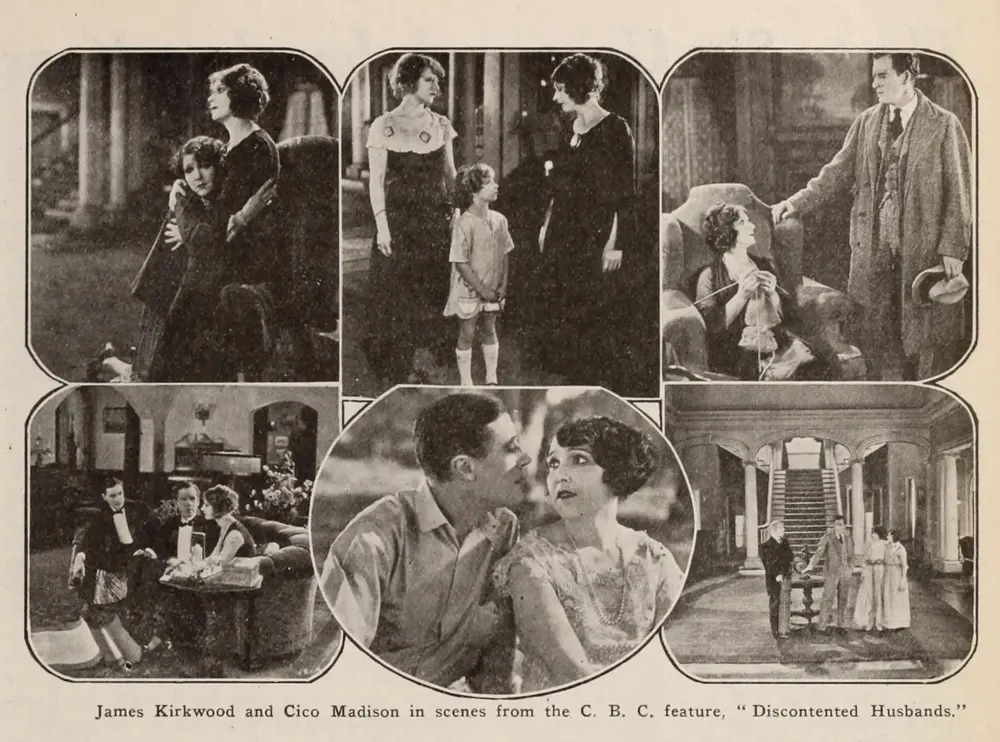
One of the film's most striking moments is Michael’s advice to his daughter, Marcia (Carmelita Geraghty). He suggests she marry someone 'congenial' so that when love inevitably fades, common interests remain. This pragmatic, almost transactional view of marriage serves as the film’s ideological core. It reflects a post-war disillusionment where the romanticism of the Victorian era is being replaced by the cold logic of the machine age. We see echoes of this shift in the ambitious protagonists of A Yankee Go-Getter, though Michael Frazer is a far more weary and cynical iteration of the archetype.
Marcia’s role in the film is pivotal. As the next generation, she is the prize over which the older men fight. When Jack Ballard decides to 'teach his wife a lesson' by running away with Marcia, the film ventures into dark territory. This retaliatory elopement is a desperate, almost nihilistic act that highlights the fragility of the social masks everyone is wearing. The pacing of this sequence is frantic, capturing the same sense of 'upwardly mobile' chaos seen in Up in the Air, but with significantly higher emotional stakes.
Technically, Discontented Husbands excels in its use of medium shots to capture the nuanced facial expressions of its lead actors. In an era where histrionics were common, the restraint shown by Kirkwood and Madison is commendable. The lighting, particularly in the scenes within the unfinished mansion, uses shadows to emphasize the moral ambiguity of the characters. This visual sophistication rivals the international productions of the time, such as the French classic Les frères corses, which also dealt with the dualities of human nature.
The film also benefits from a robust supporting cast. Arthur Rankin as the young suitor provides a necessary contrast to the weary cynicism of the older men. The presence of Muriel McCormac adds a layer of domestic reality that grounds the more melodramatic flourishes of the plot. Unlike the broad action of The Blue Streak or the historical rigidity of Iwami Jûtarô, this film finds its power in the quiet moments of realization—the way a hand lingers on a doorframe or the specific way a character looks at a piece of jewelry.
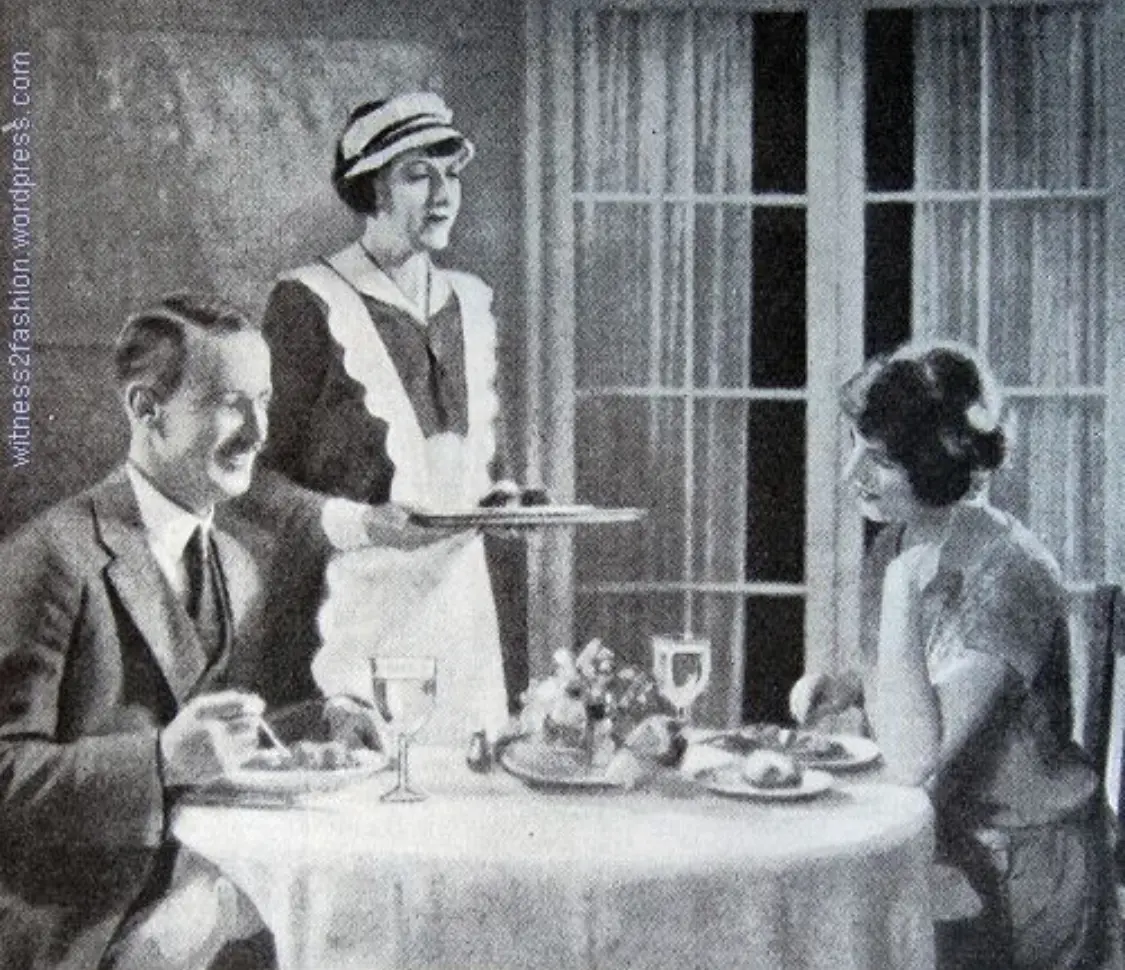
The resolution of the film, where both couples are 'reunited,' is often criticized as a concession to the censorship standards of the 1920s. However, a closer reading suggests a more haunting conclusion. When Michael realizes that Emily 'meant nothing to him,' it isn't necessarily a romantic epiphany, but a recognition of his own existential void. He returns to Jane not because he has rediscovered a lost passion, but because he has realized the futility of his pursuit of the 'new.' This sense of returning to one's roots, though framed as a happy ending, carries a weight of resignation similar to the themes in Bucking Broadway.
The reconciliation between Jack and Emily is equally complex. Jack’s plan to use Marcia as a pawn was a moral failure that mirrors Michael’s own indiscretions. Their reunion is less a rekindling of love and more a tactical retreat to the safety of the known. The film leaves the viewer questioning if these 'discontented husbands' are truly cured or if they are simply waiting for the next distraction. This ambiguity is what makes the film endure as a piece of art rather than a mere morality play. It shares a certain ideological grit with Dzhymmi Hihhins, albeit in a domestic rather than political theater.
Watching Discontented Husbands today, one is struck by how little the core anxieties of the modern world have changed. The tension between career and home, the allure of the 'congenial' stranger, and the fear of being surpassed by one's partner are timeless themes. The film serves as a bridge between the simplistic morality of early silent shorts like Boots and the complex psychological dramas of the late 1920s. It lacks the whimsical escapism of Join the Circus, opting instead for a gritty, albeit polished, look at the domestic interior.
In conclusion, this 1924 gem deserves a place in the pantheon of silent cinema for its daring exploration of the male psyche. It refuses to provide easy answers, choosing instead to hold up a mirror to the 'discontent' that often accompanies success. James Kirkwood’s Michael Frazer remains one of the most relatable 'parvenus' in film history—a man who invented a way to open cans but found himself unable to unlock the secrets of his own happiness. For any serious student of film history or anyone interested in the evolution of the American family on screen, this film is an essential, if sobering, watch.
Reviewer Note: The interplay of Evelyn Campbell’s script and the stellar cast makes this a standout production of its year, proving that the silent screen could communicate complex emotional landscapes with the same efficacy as the spoken word.
IMDb 5.4
1919
Community
Log in to comment.