DbcultAccessing Vault...
6/10
Senior Film Conservator
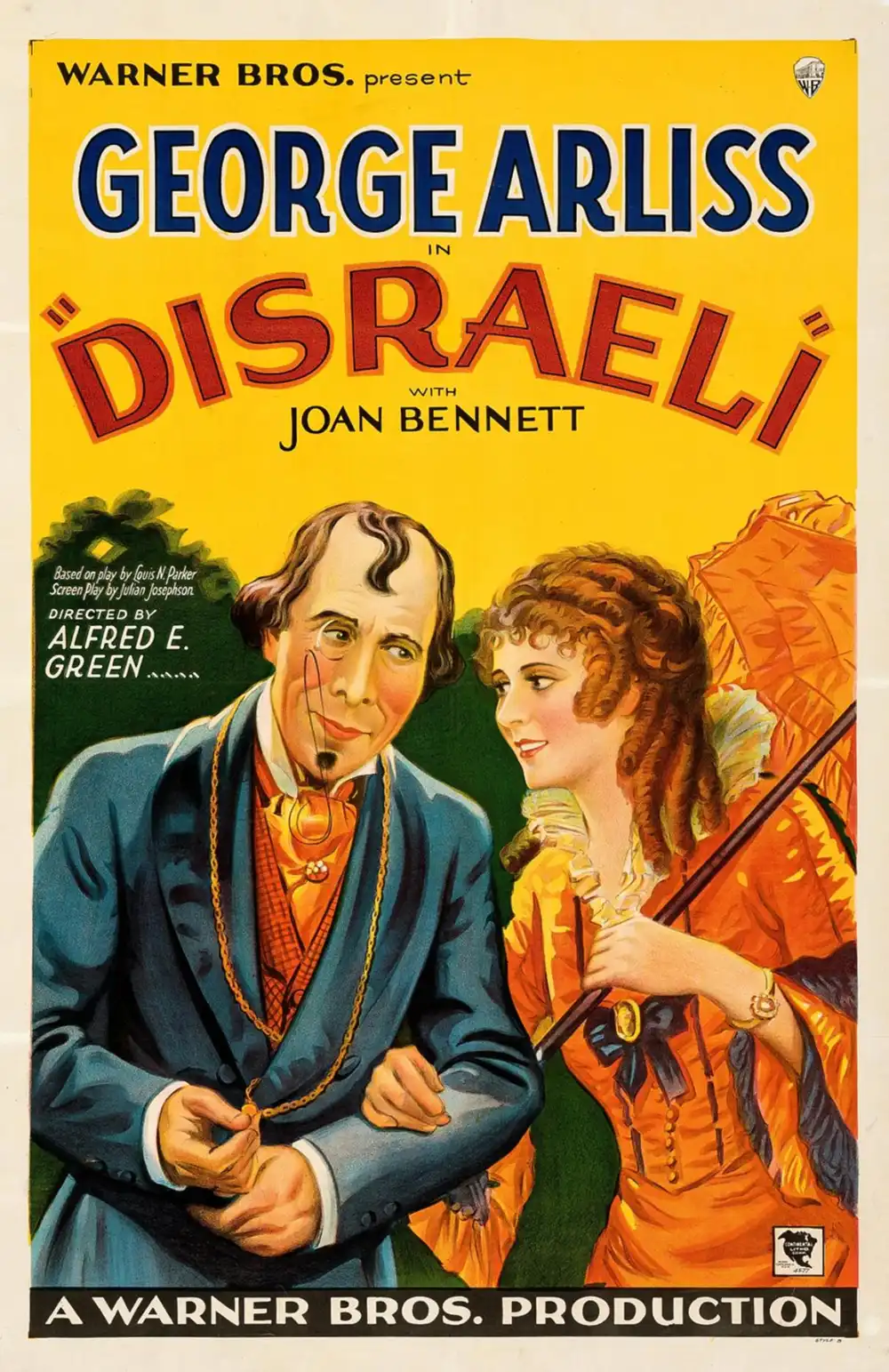
A definitive 6/10 rating for a film that redefined the boundaries of cult cinema. Disraeli remains a cornerstone of transgressive art.
Alright, so we're talking about Disraeli from 1929. Is it worth checking out today? Look, if you’re into the very early days of sound film, or a real history buff, absolutely. If you expect modern pacing or acting, you'll probably find it a bit of a slog. This one’s for the patient, the curious, and those who love watching George Arliss chew scenery.
The film centers on Benjamin Disraeli, the Prime Minister, and his audacious plan to secure the Suez Canal for Britain. It’s got that classic political intrigue feel, with the Russians trying to sabotage everything and some backroom dealings closer to home. You really feel the weight of these decisions, even if the delivery is… well, 1929.
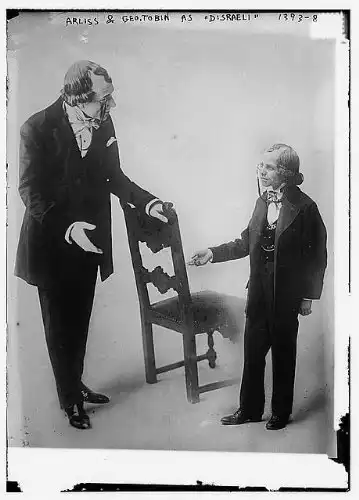
George Arliss, who plays Disraeli, really *owns* the role. He’d played it on stage and in a silent version, so he slips right into it. There’s this moment early on where he just looks over his spectacles, a tiny smirk playing on his lips, and you know he’s already three steps ahead. It’s a very particular kind of acting, very theatrical, but it’s
His voice, for an early talkie, is remarkably clear and commanding. Not everyone in these super old films sounds so natural, but Arliss has it down. He projects, but it never feels shouty, just very deliberate.
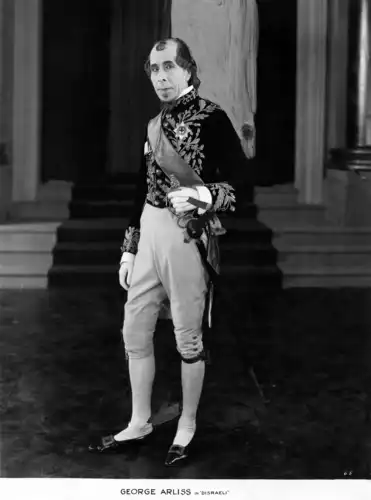
The plot itself is quite straightforward: Disraeli needs money to buy the canal, and there are spies — Russian ones, naturally — trying to stop him. One scene has a spy trying to extract information from a maid; it’s played with such earnestness you can’t help but chuckle a little. The maid’s sudden, dramatic gasp when she realizes what’s happening is
You can tell they were still figuring out how to use the camera with sound. A lot of the shots are pretty static. It feels like watching a play sometimes, with actors moving into frame rather than the camera following them. But that’s part of the charm, isn’t it? It’s a snapshot of a moment in film history.
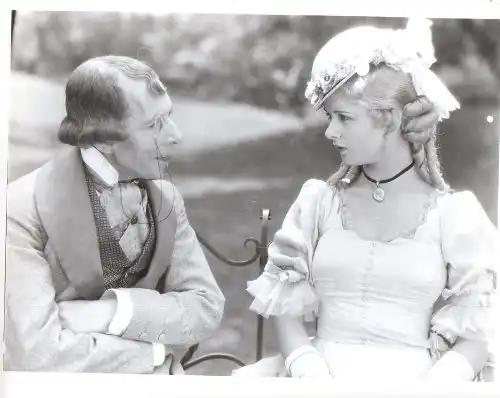
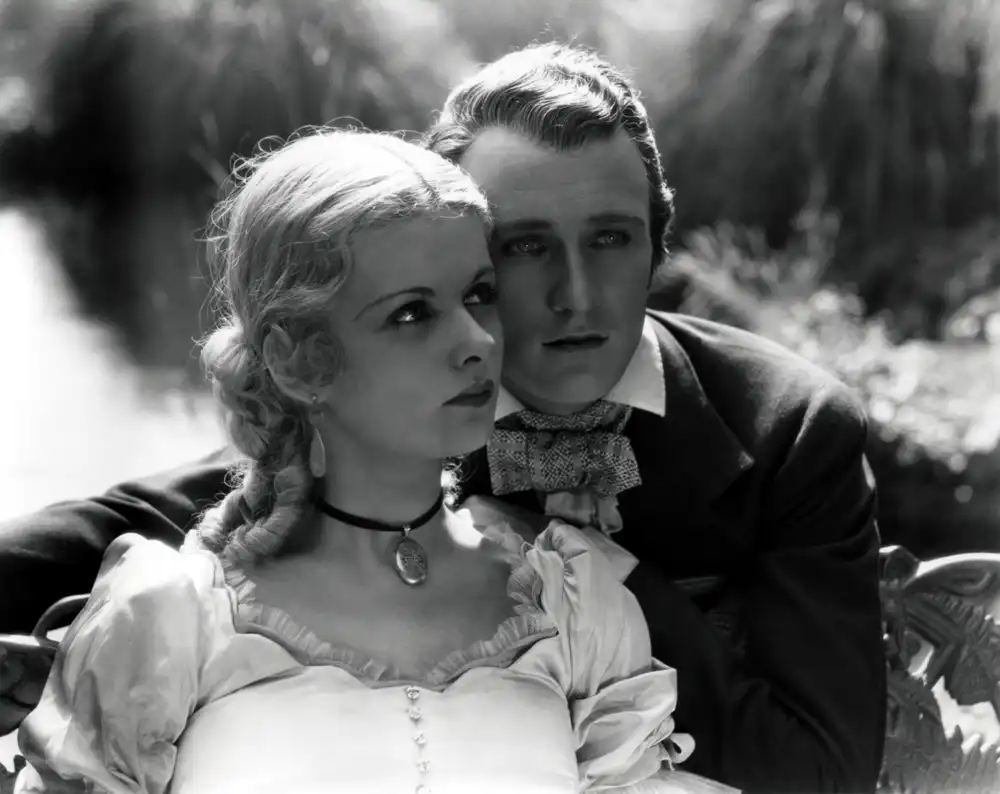
Joan Bennett is in this, playing Lady Clarissa. She’s very young here, and her performance is a bit more restrained than Arliss’s grand gestures. She looks lovely, of course, but her character doesn't get a huge amount to do beyond being a concerned relative. It’s a reminder of how roles were often written back then.
There's a scene where Disraeli’s cabinet members are debating the canal purchase, and the way they all stand around, almost posing, is quite funny. Like they’re waiting for their turn to deliver a line. The whole thing feels very much like a
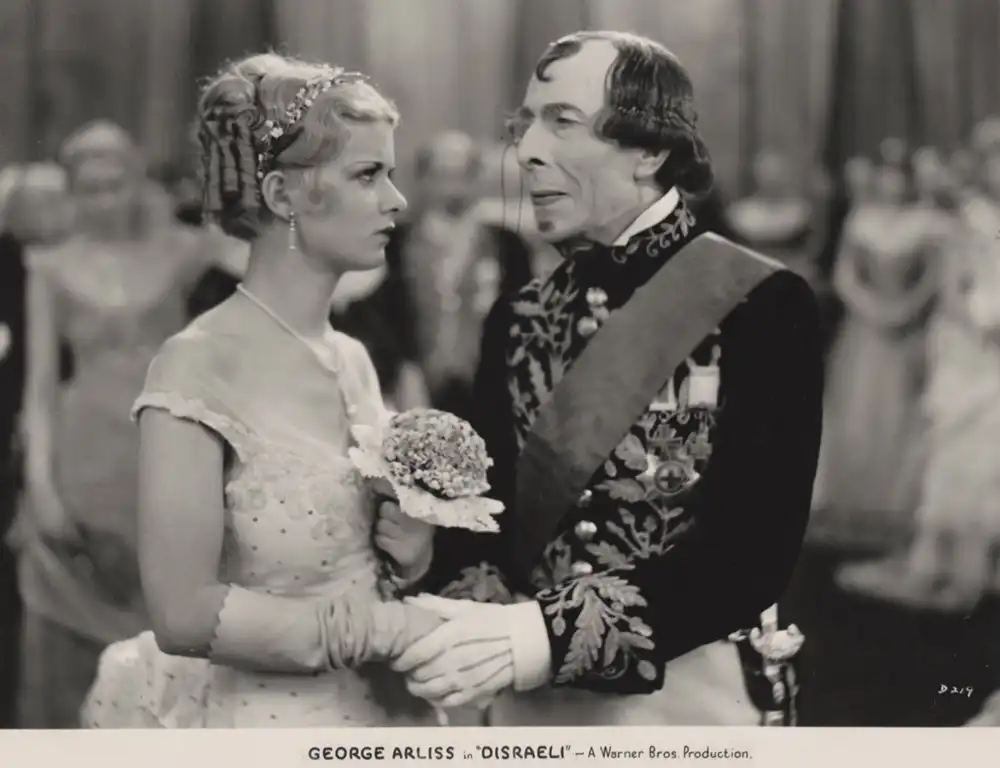
The tension builds slowly, almost imperceptibly, as Disraeli works his plan. It’s not an action-packed film, obviously. It’s all about the dialogue and the subtle power plays. You can almost feel the weight of the cigars in the air.
I found myself particularly enjoying the little asides and quiet moments. When Disraeli shares a quiet moment with Lady Beaconsfield (played by Florence Arliss, his actual wife!), their chemistry feels very genuine and warm. It grounds the political drama a bit.
The way the Suez Canal deal finally comes together, it’s all very dramatic. A lot of hushed whispers and urgent messages. One telegram delivery seems to take an
The film doesn't shy away from showing Disraeli as a clever, almost manipulative figure, but always for the good of the empire. He's a hero, but a wily one. It’s a very specific kind of nationalistic storytelling from that era.
Don't go into this expecting a fast-paced thriller. It's an early sound film, a period piece, and a vehicle for George Arliss. But if you appreciate the historical context and the unique flavor of early cinema, it’s a
IMDb —
1932
Community
Log in to comment.