DbcultAccessing Vault...
7/10
Senior Film Conservator
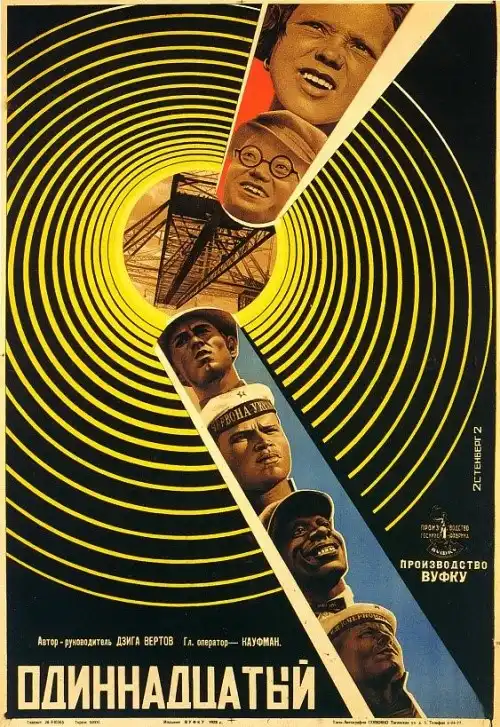
A definitive 7/10 rating for a film that redefined the boundaries of cult cinema. The Eleventh Year remains a cornerstone of transgressive art.
For cinephiles and students of film history, Dziga Vertov’s 1928 documentary, "The Eleventh Year," remains an essential, albeit demanding, watch. It’s a foundational text of Soviet montage, offering unparalleled insight into the visual language that shaped a nascent national cinema and propagandistic art. However, for casual viewers accustomed to modern documentary rhythms or those seeking a traditional narrative, this film will likely prove a challenging, even frustrating, experience. Its relentless pace, lack of individual characters, and overt ideological messaging make it a niche viewing today, best approached with an understanding of its historical and artistic context. If you appreciate avant-garde cinema, the mechanics of visual storytelling, or want to understand the origins of propaganda film, it's indispensable. If you’re looking for a relaxing evening, look elsewhere.
To discuss "The Eleventh Year" is to discuss Dziga Vertov's vision, because the film is, in essence, a pure distillation of his kinetic, almost confrontational approach to filmmaking. Here, Vertov isn't merely documenting; he's constructing a visual argument, a testament to the transformative power of the Soviet state. The film opens with a flurry of images – rapid cuts showcasing the old and the new, the past and the future – immediately establishing its central thesis: progress through industrialization. This isn't a gentle introduction; it's a plunge into a torrent of images, mirroring the revolutionary fervor it depicts.
What truly stands out is Vertov's editing. He doesn't just cut; he collides. Shots are juxtaposed with a rhythmic intensity that often feels more like music than traditional narrative progression. We see enormous turbines spinning, then a quick cut to workers' faces etched with effort, then a close-up of a gear grinding, then a wide shot of a colossal dam. This isn't about showing you one thing, then the next; it's about building a cumulative impression of scale, effort, and relentless forward momentum. The sequence detailing the construction of the Dnipro Hydroelectric Station is a masterclass in this, conveying the sheer monumental scale of the project through a dizzying array of angles, close-ups on rivets, and sweeping panoramas that dwarf the human figures.
One of the film's most striking visual choices, and an observation only a dedicated viewer would note, is Vertov's deliberate inclusion of the camera itself within the frame. We see cameramen perched precariously on scaffolding, panning across vast landscapes, or even positioned inside machinery, lenses staring out. This isn't an accidental peek behind the curtain; it’s a self-aware gesture, reminding the audience that what they are watching is a mediated reality, actively constructed by the very technology it portrays. It’s a bold, almost meta-cinematic touch that grounds the film in its own making, emphasizing the mechanical eye as an active participant in the nation-building process.
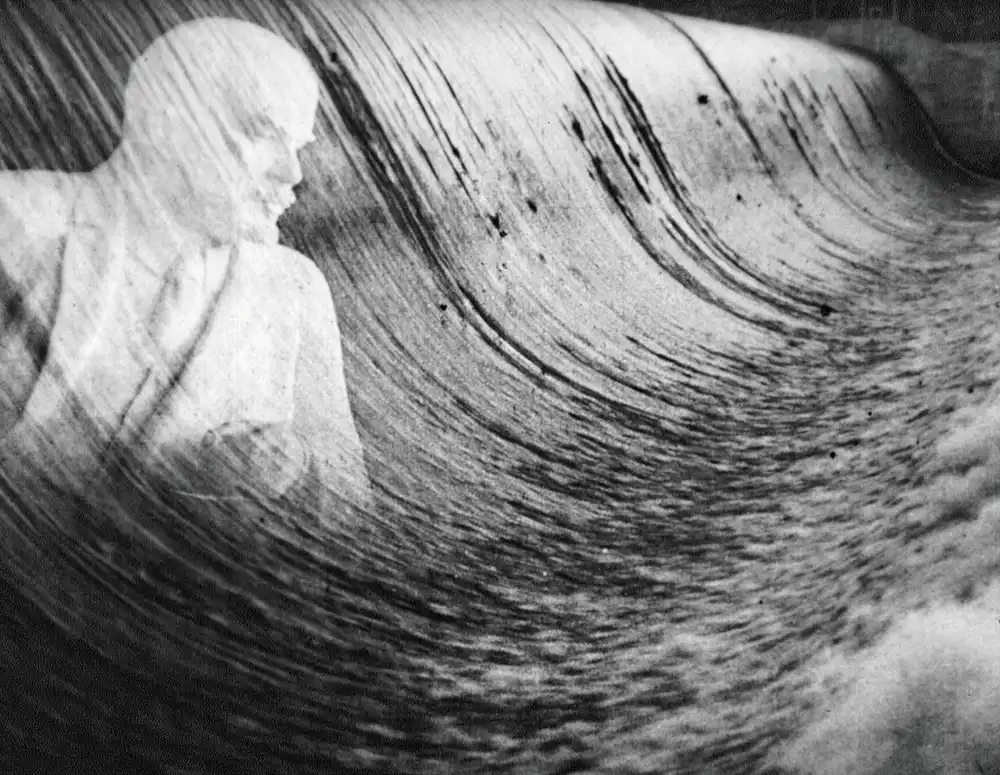
Given that "The Eleventh Year" is a documentary, the concept of "performance" shifts from individual acting to the presence and portrayal of its subjects. Vertov’s 'cast' consists of thousands of anonymous workers – miners, farmers, engineers, builders – whose collective labor forms the film's beating heart. There are no individual protagonists, no personal stories to follow. Instead, Vertov focuses on the aggregate: the rhythmic swing of pickaxes, the synchronized movements of a work crew, the determined gaze of a worker operating a drill. Their 'performance' is their sheer endurance, their physical contribution to the greater good.
However, this emphasis on the collective can also be the film's greatest hurdle for modern viewers. While we see countless faces, they remain largely undifferentiated. The film strives to create an impression of unified effort, but in doing so, it largely sacrifices human connection. Moments meant to convey heroism or struggle often feel generalized. There are occasional close-ups – a weary man wiping sweat from his brow, a woman operating complex machinery with intense focus – that hint at individual stories, but these are quickly subsumed back into the larger mosaic of labor. The emotional impact is thus derived from the sheer scale of human endeavor rather than empathy for specific individuals.
The pacing of "The Eleventh Year" is relentless, almost exhausting. Vertov maintains a high tempo throughout, with rapid cuts and a constant sense of forward momentum. This isn't a film that allows for quiet contemplation; it demands attention, pulling the viewer from one industrial marvel to the next. While this creates an undeniable energy, it also contributes to a certain visual fatigue, especially in its longer stretches. There are moments, particularly in the sequences depicting agricultural mechanization, where the repetition of similar shots of tractors plowing fields begins to feel less like a rhythmic build-up and more like an insistence, a point hammered home one too many times.
The tone is overwhelmingly celebratory and optimistic, yet also sternly purposeful. There's an unwavering belief in the progress being shown, a sense of destiny fulfilled through sheer will and industrial might. The intertitles, often appearing as bold, stark typography, reinforce this ideological message, serving less as explanatory text and more as declarative statements of Soviet triumph. This propagandistic core is inescapable, and while it's crucial to understanding the film's historical context, it can feel heavy-handed for contemporary audiences not invested in its political aims. There’s a certain triumphalism that pervades the entire experience, leaving little room for nuance or critique.
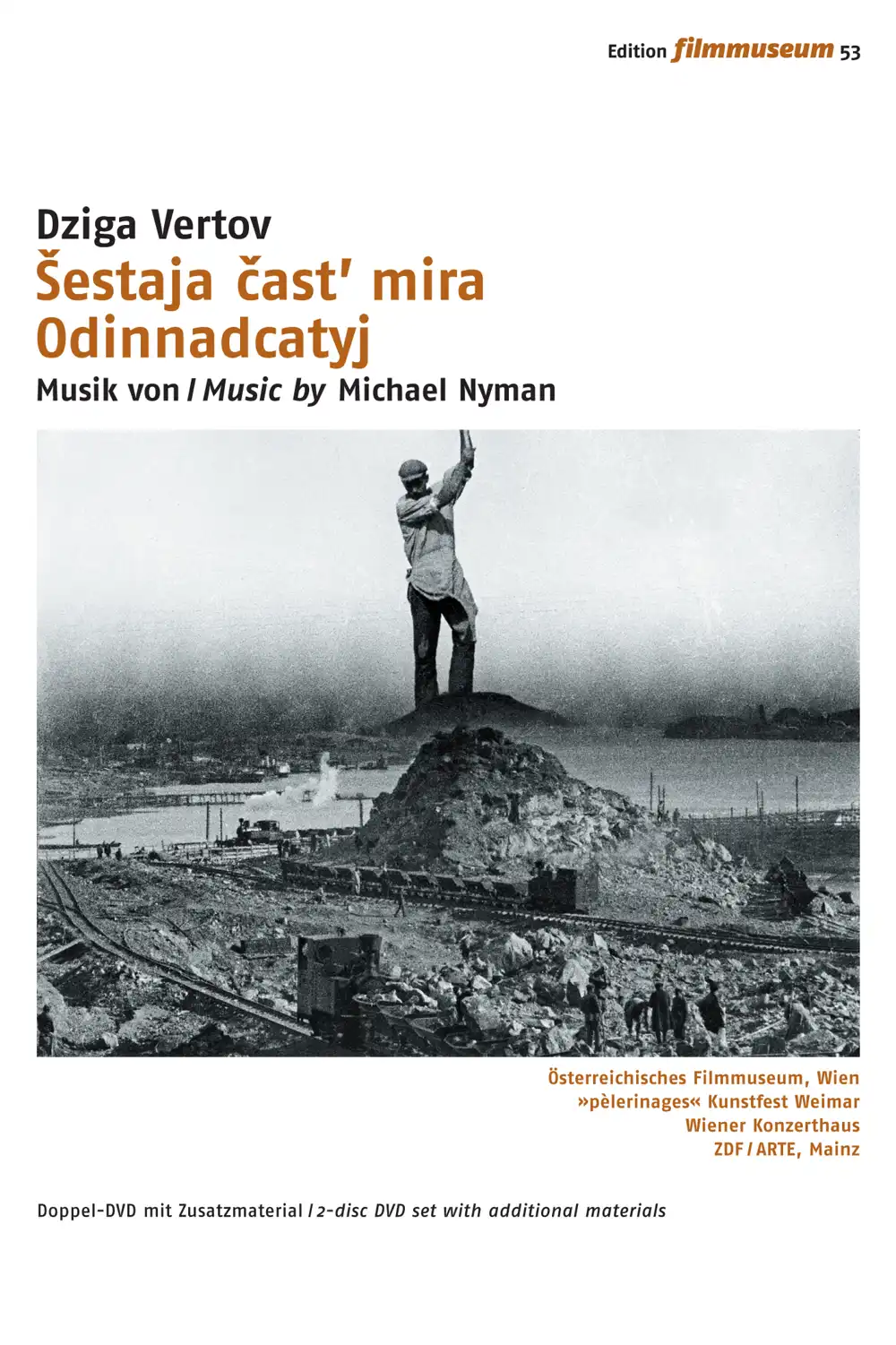
Ultimately, "The Eleventh Year" is a film that demands to be seen through a historical and artistic lens. Its strengths lie squarely in its groundbreaking visual language and its status as a pivotal document of early Soviet cinema. Vertov's innovative use of montage, his dynamic camera work, and his ability to transform raw footage into a powerful, if ideologically driven, symphony of images are undeniable. It's a film that profoundly influenced subsequent documentary filmmaking and continues to be studied for its formal audacity.
However, its weaknesses are equally apparent when viewed outside its original context. The lack of individual human interest, the relentless pace that can tip into monotony, and its overt propagandistic message make it a challenging watch for anyone not specifically interested in film theory or Soviet history. It’s not a film designed to entertain in the conventional sense, nor to elicit deep emotional responses for its subjects, but rather to impress upon the viewer the sheer scale and purpose of a nation's collective will.
So, is "The Eleventh Year" worth watching today? Yes, absolutely, but with significant caveats. It is a vital piece of cinematic history, a testament to the power of the moving image as a tool for both artistic expression and ideological persuasion. For film students, historians, or anyone fascinated by the origins of montage and the Soviet avant-garde, it’s an indispensable experience. You’ll witness firsthand the birth of a visual language that still resonates today.
For everyone else, be prepared for a film that prioritizes abstract ideas and collective might over individual narrative or emotional engagement. It's a demanding, at times repetitive, journey through a specific moment in history, told with uncompromising formal rigor. Approach it as a historical artifact and a masterclass in visual rhetoric, and you’ll find its rewards. Approach it as a casual documentary, and you’ll likely find yourself checking the clock.
IMDb 5.4
1919
Community
Log in to comment.