DbcultAccessing Vault...
6.7/10
Senior Film Conservator
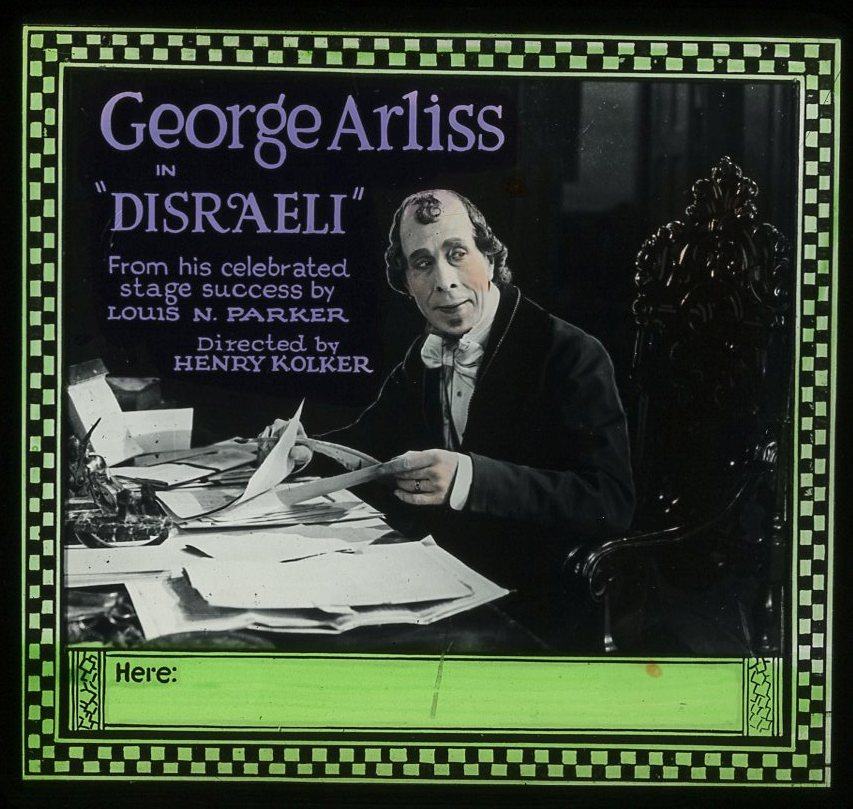
A definitive 6.7/10 rating for a film that redefined the boundaries of cult cinema. Disraeli remains a cornerstone of transgressive art.
The machinery of empire purrs behind mahogany doors.
In that hushed purgatory between Victorian rigidity and Edwardian swagger, Alfred E. Green’s Disraeli positions the viewer as a clandestine eavesdropper, ear pressed to history’s keyhole while destinies are bartered over brandy. Released in 1929—only months after the talkie revolution detonated with The Bells—the picture brandishes sound not as gimmick but as scalpel, dissecting parliamentary theater and drawing-room conspiracy with surgical acoustics: the scratch of quill on vellum, the hush before a throne’s herald, the syncopated clatter of carriage wheels that signal a statesman’s arrival.
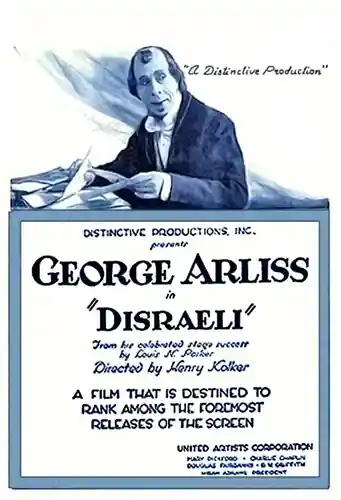
George Arliss, reprising the role that made him a Broadway demigod, doesn’t merely act; he incarnates. His Disraeli glides rather than walks, eyelids half-lowered in calcified bemusement, voice a silken rasp that could sell sand to Bedouins. Watch him tilt his head—an almost imperceptible angle—as if the world itself were a mildly amusing anecdote he’s already memorized. The performance bagged him the Academy Award for Best Actor, and nearly a century later the triumph feels earned rather than ceremonial.
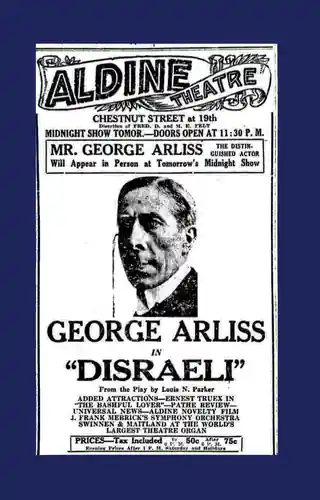
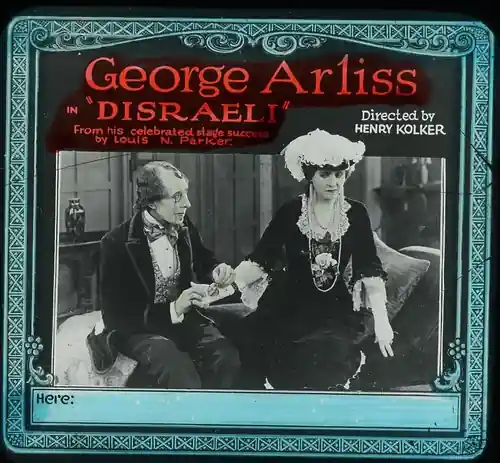
Louise Huff as Lady Clarissa supplies the necessary counter-melody: eyes glittering with intelligence that society insists she squander on needlepoint. Their repartee—equal parts courtship and fencing match—provides the film’s oxygen, especially when strategic marriage plots entwine with canal purchases. Reginald Denny’s foppish Charles, all jawline and entitlement, serves as both comic relief and cautionary portrait of aristocracy adrift in a world where capital, not pedigree, steers the ship.
Early sound cinema often resembled entombed theater: cameras nailed to floorboards, actors planted like ferns in urns. Green, however, mobilizes the frame, dollying through cavernous sets designed by William Cameron Menzies—baronial halls dwarfing their inhabitants, echoing the imbalance of personal will versus imperial appetite. The result sits stylistically between the static tableaux of Mice in Council and the fluid visuals that would define 1930s prestige pictures.
Dialogue crackles rather than clunks. Forrest Halsey’s screenplay, adapted from Louis N. Parker’s play, prunes declamatory excess while retaining iambic cadence: “A nation that buys the keys to its own back door need never fear burglars.” Try finding such epigrammatic zest in A Yankee from the West—you can’t; the frontier yarn trades rhetoric for six-shooters.

Historical fictions customarily dilute complexity into digestible syrup; Disraeli refuses. The script confronts viewers with a maze of shares, khedival debts, and Franco-German belligerence without stooping to pedagogical voice-over. When Disraeli cajoles the Rothschild surrogate, we grasp the stakes not because a subtitle explains, but because Arliss’s eyes flicker—just once—toward a map where India throbs like a ruby.
The canal purchase becomes a metaphor for Britain’s pivot from mercantile bravado to bureaucratic calculation, from gunboat diplomacy to ledger-sheet supremacy. In this light, the film converses with later empire interrogations such as For Valour, though that 1926 silent prefers jingoistic spectacle to boardroom shadow play.
Credit the Vitaphone engineers: every rustle of parchment feels tactile enough to trigger archival nostalgia. Silence, too, is weaponized. During a pivotal House of Commons scene, Green lets ambient hush pool for three pregnant beats before an opposition member’s cough detonates tension. Such minimalism presages the formal daring of The Unborn (1930), where silence becomes existential scream.
Two-strip Technicolor test frames may have perished, but the grayscale cinematography—rich in chiaroscuro—compensates. Court ladies shimmer in gowns whose beadwork catches klieg-light like crushed starlight; Disraeli’s satin lapels absorb the same glow, turning his torso into an obsidian obelisk. The palette resonates with maritime blues referenced later in Deck Sports in the Celebes Sea, albeit swapped for tropical sunlight.
Women in Disraeli maneuver through corseted constraints, brandishing intelligence as discreet weaponry. Margaret Dale’s dowager duchess orchestrates soirées with the efficiency of a field marshal; Betty Blythe’s flirtatious Lady Noel supplies espionage in the guise of scandal. Their collective shrewdness undercuts any charge of period-piece sexism, suggesting proto-feminist currents that ripple more overtly in Giving Becky a Chance.
Stacked beside All for a Husband (comedic matrimonial froth) or Mamma’s Boy (domestic melodrama), Disraeli feels like a marble bust in a bric-à-brac shop. Yet its stateliness never ossifies into relic status; the screenplay’s forward momentum, the nimble edits between Downing Street and Cairo telegraph offices, anticipate the procedural zest of Everybody’s Business.
Modern viewers schooled on frenetic cuts may initially balk at the stately pace, but patience yields opulence: a whispered aside about Suez shares lands with the percussive force of any contemporary thriller’s ticking bomb. The film’s DNA reemerged in 1980s heritage cinema (Gandhi, Chariots of Fire) and even televised political dramas (The Crown) that fetishize cigar-smoke diplomacy.
While racial caricature is mercifully minimal, Egyptian characters appear mostly as exotic off-screen leverage rather than autonomous agents. The film’s elitism—though self-aware—can alienate viewers craving proletarian perspective. Budget constraints also show: a Cairo bazaar is evoked via soundscape and shadow puppets rather than location footage, breaking verisimilitude for purists.
Warner Archive’s 2022 2K restoration scrubs most blemishes without plastic over-smoothing, preserving celluloid granularity. The DTS-HD mono track amplifies ambient texture without compressive shrillness. Streaming platforms periodically rotate the title, but physical media remains the cinephile’s safest bet given the mercurial licensing carousel.
Disraeli endures because it weds rhetorical fireworks to geopolitical substance, because Arliss’s performance feels sculpted from marble and mercury, and because the film heralds the talkie era without genuflecting to its limitations. It is neither stodgy hagiography nor swashbuckling fantasy; it is a ledger of power inscribed in candle-wax and ambition, a celluloid treatise on how nations buy their futures one clandestine signature at a time. Watch it once for history, again for artistry, and a third time to notice how the chandelier’s crystals quiver whenever Disraeli utters the word destiny.
IMDb —
1925
Community
Log in to comment.