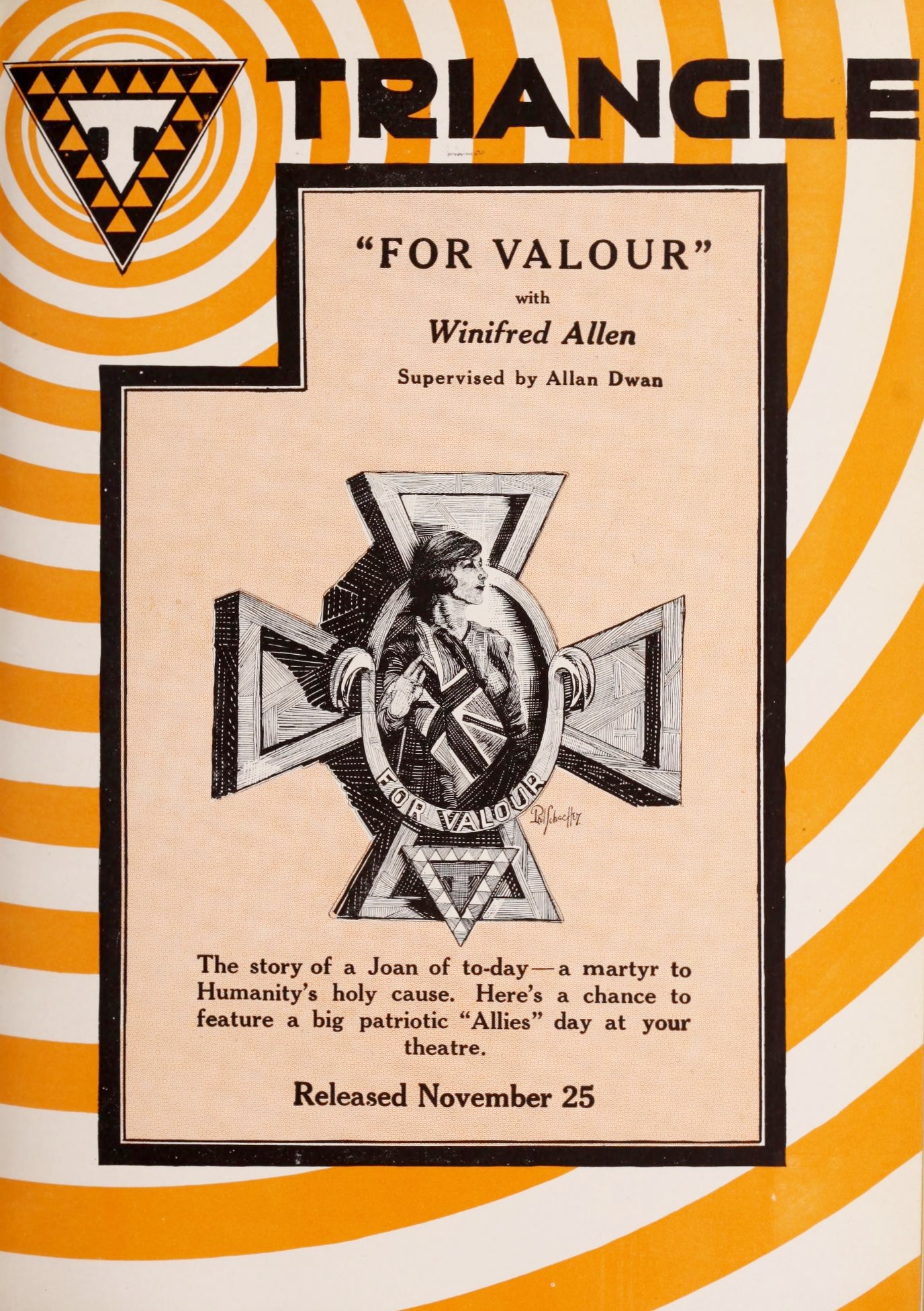
Summary
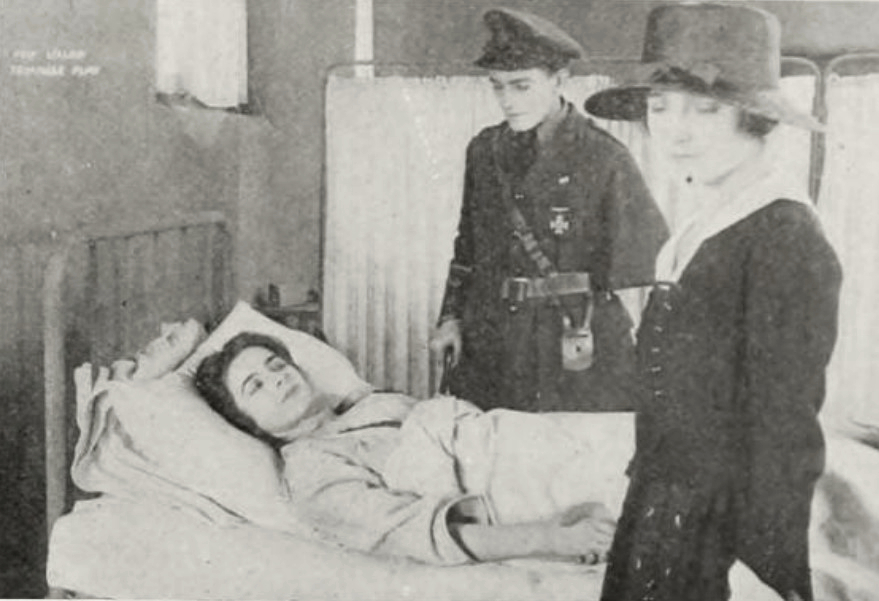
In a frost-bitten Canadian port town where the gaslights tremble like guilty consciences, Melia Nobbs—legs trained to Charleston, heart trained to hemorrhage—dances nightly on a stage papered with posters of men who will never come home. Her pirouettes bankroll the wheeze of her father Ambrose, a once-lionized cartographer now trapped inside a spine that has folded like a bad map, and the appetites of her brother Henry, a charming black-hole of entitlement. When Henry filches the payroll of the local sawmill, the constabulary circle; Melia, in a single nocturnal swoop, pick-pockets the leading lady’s diamond-studded purse mid-curtain-call, stuffs the notes down her corset, and barters her future for her brother’s freedom on one condition: that he vanish into khaki and gun-smoke. Henry ships out to the Somme, leaving behind the echo of medals that have not yet been minted. Ambrose, drunk on jingoistic vapors, toasts the son who has ‘done the right thing’—until the constable slaps handcuffs on Melia. Silence is her only armor; she swallows the truth like broken glass and is carted off to a brick womb of penitence. Across shell-gouged France, Henry loses an arm, wins the Empire’s highest laurel, and returns a porcelain hero. He tracks Melia to the prison infirmary where candle-grease shadows lick the walls; emaciated, tubercular, she lifts her gaze to the gleaming cross on his empty sleeve. No trumpet sounds, yet in that instant the whole imperial carnival of honor collapses into a single heartbeat—sibling blood calling debt paid in full.
Synopsis
Melia Nobbs, a young Canadian woman, supports both her invalid father Ambrose and brother Henry. When Henry faces arrest for helping himself to his employer's cash, Melia steals the amount from the star of the theater where she has been dancing, and offers it to her brother provided that he will enlist in the army. Henry agrees and goes off to war, making Ambrose proud of his son, but when Ambrose learns that his daughter has been arrested for theft, he disowns her. Melia does not reveal the reason for taking the money and is sent to prison. Meanwhile, Henry fights bravely in France and returns home minus an arm but wearing the Victoria Cross. He finds his sister, weak and worn from overwork, in the prison hospital. Seeing her brother with his medals, Melia realizes that her sacrifices for him and her country have not been in vain, and that in her own way, she has served her country.
Review Excerpt
"
A gaslit proscenium, a purse spilling banknotes like entrails, and one split-second decision that cleaves a family into shards of guilt—For Valour opens with the blunt-force trauma of melodrama, then spends the next eighty minutes proving it is not melodrama at all but a brittle poem on the price of Empire.
Viewers schooled in Griffith-like pieties expect the camera to genuflect before Henry’s missing limb; instead director Robert Shirley keeps the lens stubbornly chained to Melia’s interior ..."