DbcultAccessing Vault...
5.4/10
Senior Film Conservator
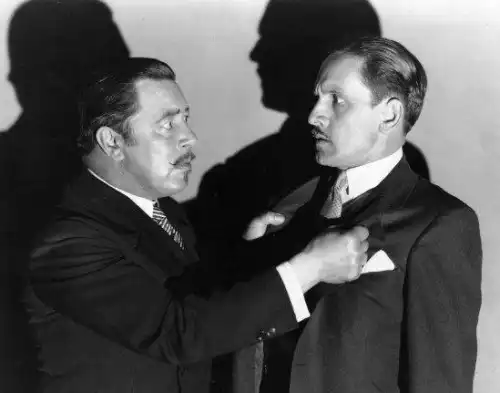
A definitive 5.4/10 rating for a film that redefined the boundaries of cult cinema. The Studio Murder Mystery remains a cornerstone of transgressive art.
You should probably watch this if you’re a fan of Old Hollywood history or just want to see a very young Fredric March being a total sleazebag.
People who need fast editing or a plot that makes 100% sense will likely hate this one.
It’s from 1929, which means the microphones were probably hidden in flower pots and nobody really knew where to stand yet.
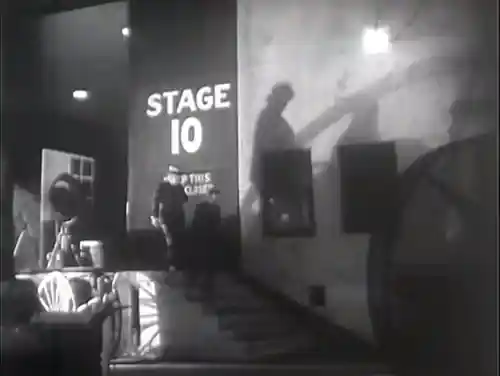
The whole thing takes place at a movie studio, which is always a fun meta-touch for a movie made at a movie studio.
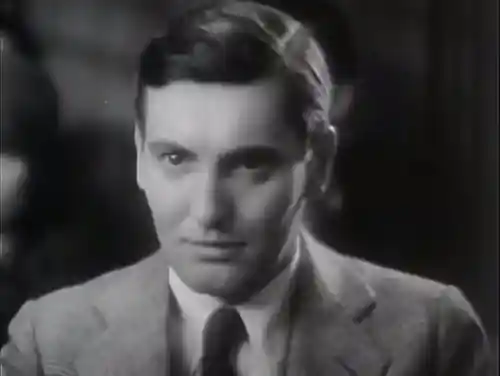
Fredric March plays Richard Hardell, and honestly, he’s so good at being a jerk that you’re kind of waiting for him to get murdered.
He’s cheating on his wife, messing with a young girl’s career, and basically annoying his director, Rupert Borka.
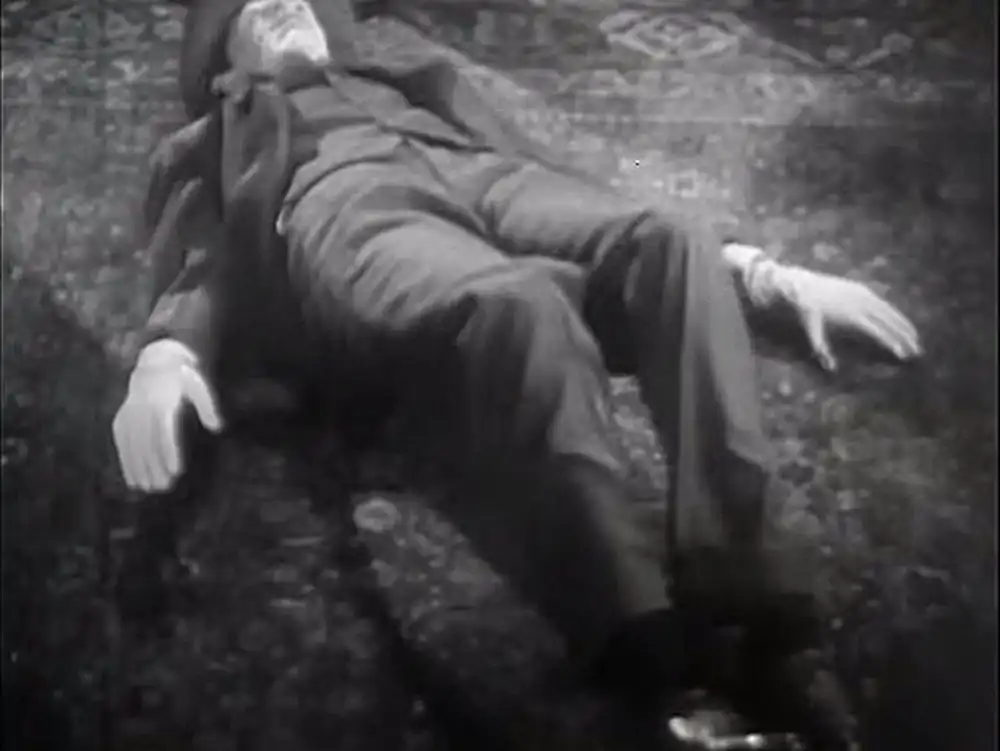
When he finally turns up dead, the movie turns into a standard whodunnit, but the studio setting keeps it feeling a bit more alive than a dusty mansion.
I noticed one scene where a background actor is just leaning against a wall looking completely bored, which felt realy authentic for a film set.
The sound quality is a bit rough, like everyone is talking through a tin can filled with gravel.
You can hear the actors’ shoes clicking on the floor louder than their actual dialogue sometimes.
It reminds me a bit of the awkwardness in Heart to Heart where the silence just hangs there for a second too long.
Warner Oland shows up too, before he became famous for those Charlie Chan movies, and he has this very intense way of staring.
There is a girl named Helen MacDonald who gets treated pretty poorly by Hardell, and her reactions are some of the only emotional beats that actually land.
The way the camera just sits there and watches people walk across a room is kind of hypnotic if you’re in the right mood.
It’s not exactly a thriller like Born to Battle, which has a lot more movement, but it has its own weird gravity.
I did find myself wondering why the studio security was so bad that people could just wander around and kill leading men.
One of the writers is Joseph L. Mankiewicz, which is a huge name, but you can tell he was still figuring out how to write for talking pictures here.
The dialogue is very "I am saying a sentence now" rather than how people actually talk.
Still, there’s a charm to it that you don't get in more polished stuff like Midnight Lovers.
The ending comes up pretty fast and feels a bit like they ran out of film or maybe just wanted to go to lunch.
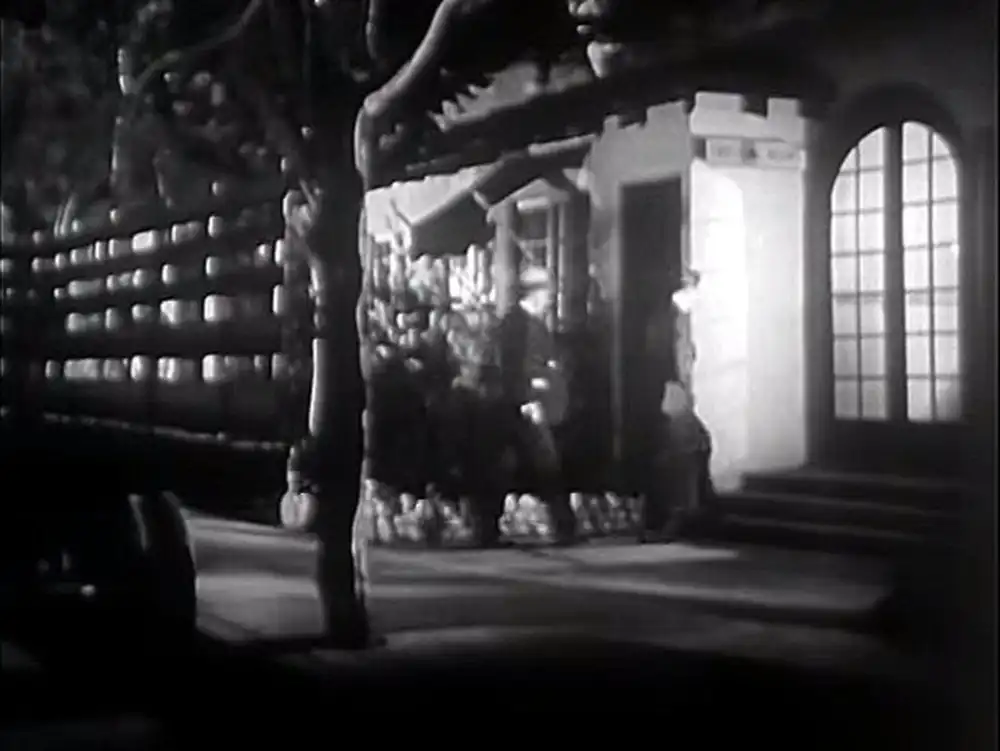
It’s not a deep movie, and it doesn't try to be anything other than a Saturday afternoon distraction.
I liked the part where they showed the actual film equipment of the era; those cameras looked like giant refrigerators.
If you enjoy seeing the "seams" of how movies are made, you’ll get a kick out of the behind-the-scenes vibe.
It’s definitely better than some of the other stuff from that transition year, like maybe The Winding Stair which can be a real slog.
Don't expect to be shocked by the reveal of the killer, it’s pretty much exactly who you think it is about halfway through.
But the journey there is charming in a clunky, 1920s kind of way. 🎞️
It’s a neat little time capsule, even if it’s a bit dusty. 📽️
IMDb 6.3
1935
Community
Log in to comment.