DbcultAccessing Vault...
8.6/10
Senior Film Conservator
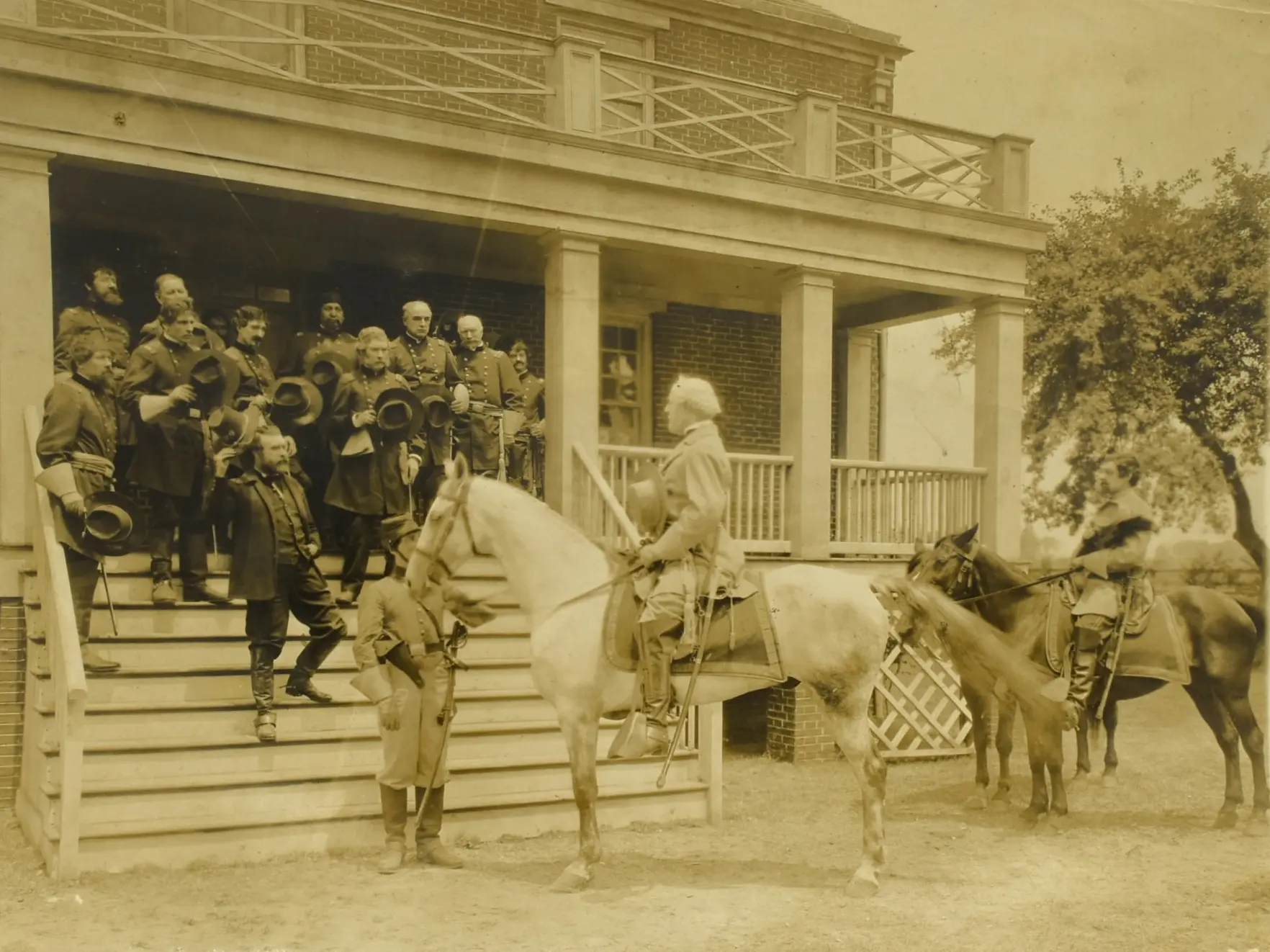
A definitive 8.6/10 rating for a film that redefined the boundaries of cult cinema. Dixie remains a cornerstone of transgressive art.
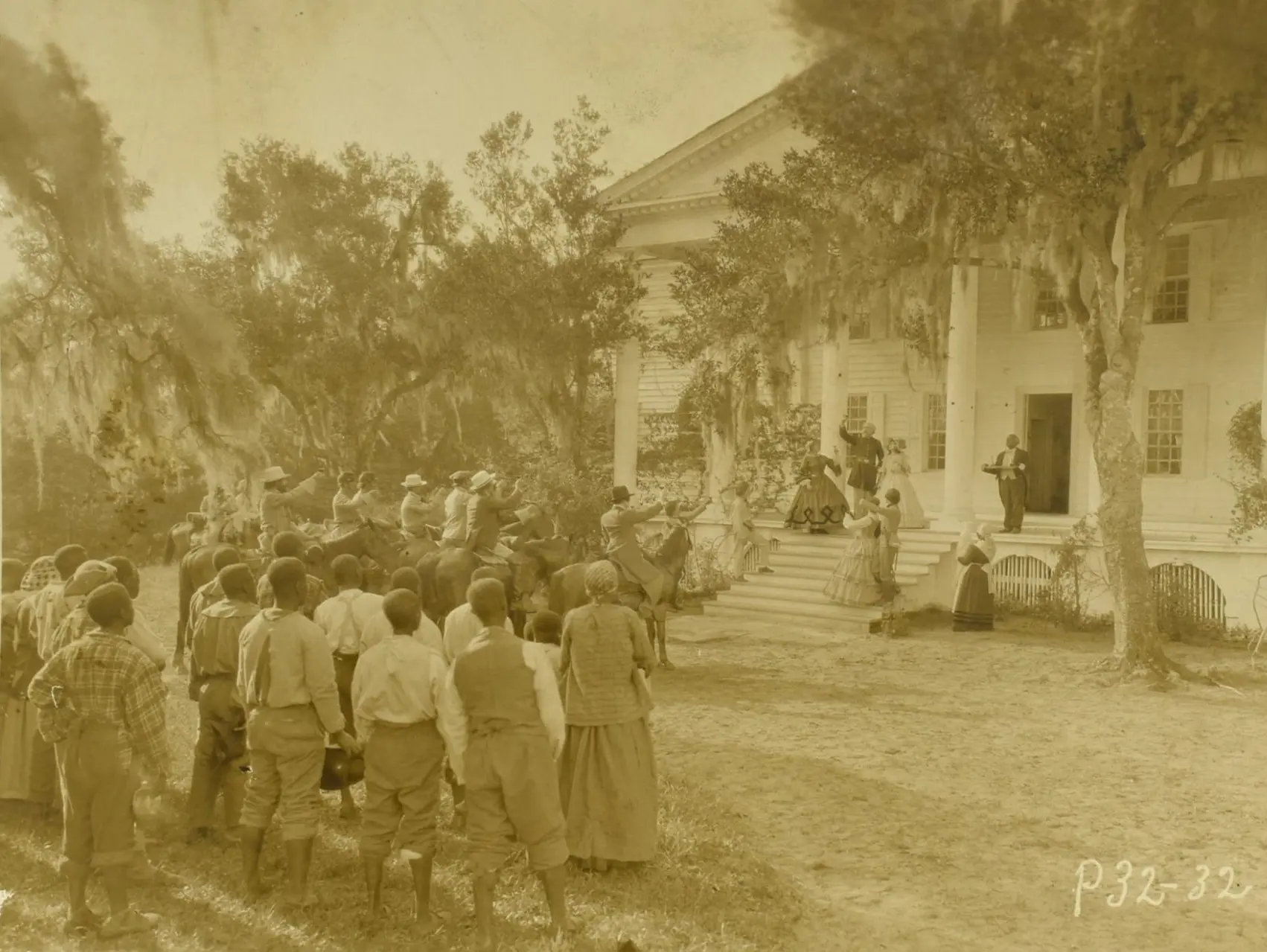
The cinematic landscape of the early 20th century was dotted with films that sought to capture the essence of human experience against the backdrop of monumental historical events. Among these, Dixie stands out as a poignant exploration of familial bonds, pride, and the relentless march of history, as embodied by the trials of a proud Southern family during the tumultuous 1860s.
The film, penned by Martha Tucker Stephenson, eschews simplistic narratives, instead opting for a richly textured portrayal of its characters and their struggles. This approach allows for a nuanced examination of the human condition, one that is both deeply personal and broadly historical. The cast, featuring Allen Connor, Arthur Dewey, Brenda Bond, and May Blossom, among others, brings to life the complexities of a family grappling with the realities of war and social change.
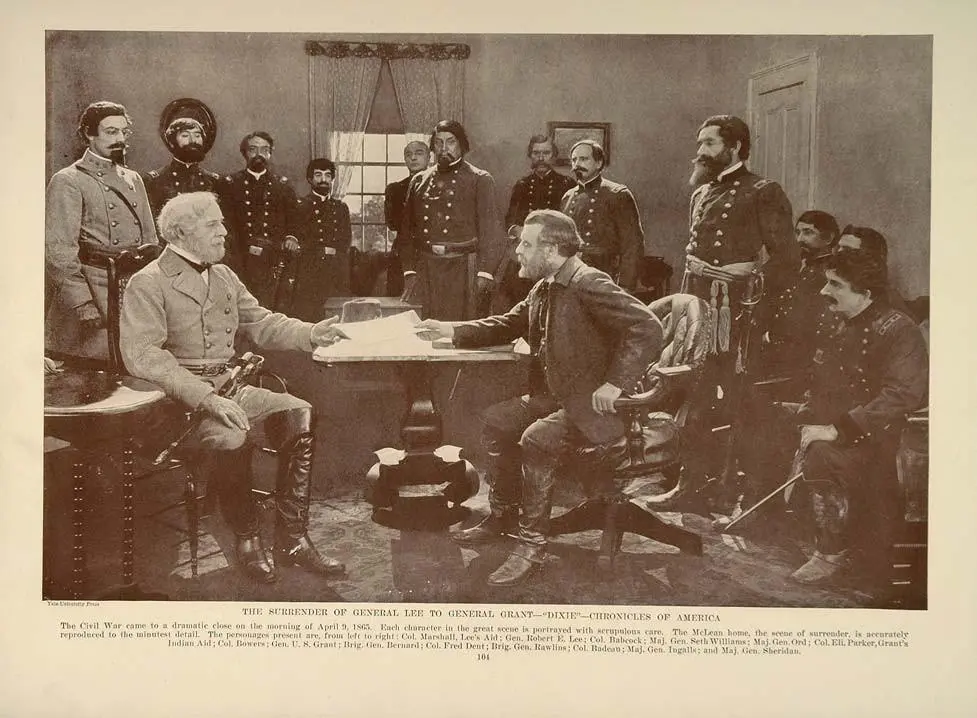
At its core, Dixie is a film about the enduring nature of familial bonds in the face of adversity. The story deftly weaves together themes of loyalty, honor, and the inexorable forces of change, presenting a tableau that is at once intimate and expansive. This is a film that understands the power of the past to shape our present, and it does so with a sensitivity and depth that is remarkable for its time.
In comparison to other films of its era, such as El amor que huye and The Wild Woman, Dixie distinguishes itself through its unflinching gaze on the complexities of family life during a period of great upheaval. While films like The Challenge and Zigeunerprinsessen may share similar themes of struggle and perseverance, Dixie approaches its subject with a unique blend of historical context and emotional depth.

The direction of Dixie is characterized by a keen eye for detail and a profound understanding of the narrative's emotional resonance. Each scene is carefully crafted to contribute to the overall sense of tension and pathos, creating a viewing experience that is both engaging and thought-provoking. This meticulous attention to detail is a hallmark of exceptional filmmaking, and it is here that Dixie truly excels.
In examining the film's historical context, it becomes clear that Dixie is more than a simple period drama; it is a cinematic meditation on the human condition. The film's portrayal of a family in flux, caught between the certainties of the past and the uncertainties of the future, resonates deeply with audiences. This resonance is a testament to the filmmakers' ability to tap into universal themes, making Dixie a work of enduring relevance.
Films such as The Mints of Hell, Thou Shalt Not, and Tangled Threads may explore similar themes of morality and resilience, but Dixie approaches these subjects with a distinctive sensitivity and historical nuance. This nuanced approach allows the film to maintain a delicate balance between its historical setting and its exploration of universal human experiences.
The performances in Dixie are noteworthy for their emotional authenticity. The cast brings a depth and complexity to their portrayals, imbuing the film with a sense of realism that is essential to its impact. This commitment to authenticity extends to the film's production values, which create a richly detailed world that immerses the viewer in the atmosphere of the 1860s.
In conclusion, Dixie is a film that merits attention for its thoughtful exploration of family, history, and the human condition. Through its nuanced portrayal of a Southern family during the rise and fall of the Confederacy, the film offers a poignant reflection on the enduring power of familial bonds and the indelible impact of historical events on personal lives. As a cinematic work, Dixie stands as a testament to the ability of film to capture the complexities of human experience, making it a valuable contribution to the cinematic landscape of its era.
For those interested in exploring films that share similar themes or offer complementary perspectives, The Masked Avenger, Border Law, Seven Deadly Sins, Playing with Fire, Isterzannye dushi, When Kane Met Abel, The Cold Homestead, and When Nature Smiles are worth consideration. Each of these films, in its own way, engages with themes of human struggle, resilience, and the complex interplay between personal and historical forces.
IMDb 6.9
1923
Community
Log in to comment.