DbcultAccessing Vault...
Cult Review
Senior Film Conservator
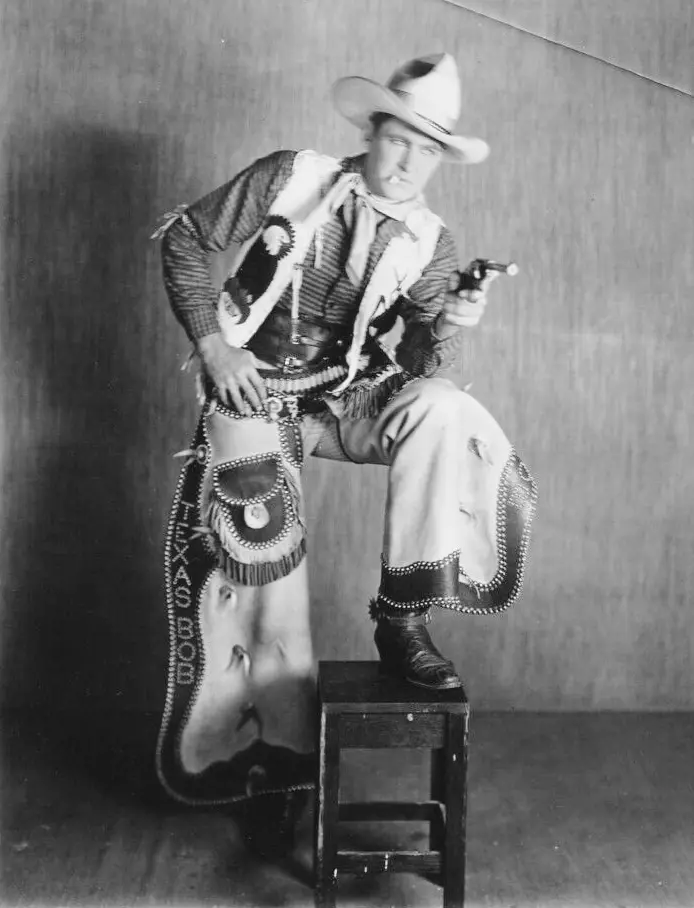
In the pantheon of mid-1920s cinema, few artifacts capture the intersection of blue-collar stoicism and the burgeoning spectacle of professional athletics quite like High and Handsome. Directed with a keen eye for the rhythmic pulses of the city, this 1925 gem transcends the typical 'boxing flick' tropes to offer a meditation on the fragility of civic infrastructure and the robustness of the human spirit. While contemporary audiences might be accustomed to the hyper-edited frenzy of modern sports dramas, there is a grounded, gravitational weight to Maurice 'Lefty' Flynn’s performance that demands a more contemplative appraisal. Much like the thematic undercurrents found in The Lucky Devil, where the machine and the man become one, Flynn’s Joe Hanrahan embodies a primal force struggling against the constraints of a bureaucratic and often corrupt social order.
The film opens not with a punch, but with a warning—a prophetic declaration of structural failure that sets the stage for the literal and metaphorical collapses to follow. Joe Hanrahan is not merely a 'tough patrolman'; he is the personification of the preventative principle. His confrontation with Burke, the promoter whose negligence serves as the film's primary antagonist, highlights a recurring motif in 1920s storytelling: the conflict between the safety of the proletariat and the profit margins of the entrepreneurial class. This tension is handled with a deftness that avoids the didacticism often found in social realism of the era, opting instead for a narrative velocity that mirrors the quick-silver movements of a prize fighter.
At the heart of the drama lies the volatile chemistry between Joe, Marie Ducette (played with an luminous, understated grace by Ethel Shannon), and the formidable Battling Kennedy. The rivalry between Joe and Kennedy is not merely a clash of fists but a collision of archetypes. Kennedy represents the raw, unbridled aggression of the ring, while Joe represents the disciplined application of force. When they brawl in public, leading to Joe's suspension, the film pivots from a procedural investigation into a deeply personal odyssey of redemption. This transition is reminiscent of the emotional stakes seen in No Woman Knows, where the protagonist's social standing is precarious, tethered to the whims of public perception and internal fortitude.
'The gallery does not merely fall; it exhales the dust of a thousand neglected promises, burying the hubris of the promoter beneath the weight of his own greed.'
The exhibition bout is choreographed with a startling verisimilitude. The camera placement captures the claustrophobia of the arena, the sweat-slicked skin, and the palpable anticipation of the crowd. It is in these sequences that the film’s lexical diversity of movement becomes most apparent. We see the 'sweet science' of boxing articulated through silent gestures—the bob and weave, the heavy thud of a glove against ribs, and the silent roar of an audience that senses impending catastrophe. The cinematic language here is far more sophisticated than the static shots common in earlier efforts like Bag Filmens Kulisser, showcasing a maturing industry that understood how to weaponize space and timing.
The climax of High and Handsome is a masterclass in silent-era disaster staging. As Joe knocks out Kennedy, achieving a personal victory, the physical world around them disintegrates. The collapse of the gallery is a visceral sequence, utilizing practical effects that still possess the power to unsettle. It is a moment of pure cinematic entropy. The irony is sharp: the very arena that was meant to host a display of controlled violence becomes a site of uncontrolled destruction. This sequence serves as a stark contrast to the more fantastical elements of films like The Carpet from Bagdad, grounding the stakes in the terrifyingly real possibility of urban decay.
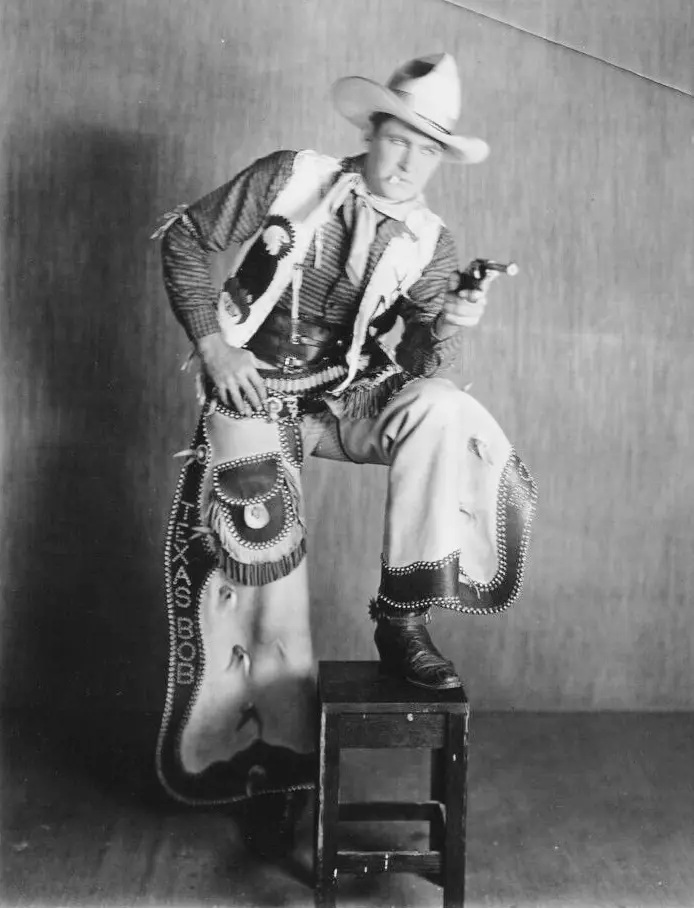
Joe’s immediate transition from pugilist to lawman—arresting Burke amidst the wreckage—is the film's most triumphant beat. It signifies that his suspension was merely a temporary eclipse of his true nature. He does not just win the fight; he wins the right to exist within the framework of the law he sworn to protect. The restoration of his badge is not a gift from the department, but an inevitability earned through blood and debris. In this regard, the film shares a spiritual kinship with Tempest Cody Turns the Tables, where justice is a proactive endeavor rather than a passive receipt.
To appreciate High and Handsome, one must look at the technical landscape of 1925. The cinematography by the uncredited but clearly talented crew utilizes shadows and high-contrast lighting to accentuate the grit of the boxing gym and the sterile authority of the police precinct. The writers, Gerald Beaumont and Rex Taylor, weave a narrative that is economically paced, yet rich in character nuance. Unlike the more whimsical or satirical tone of An Amateur Devil or A Very Good Young Man, this film maintains a somber, almost documentarian respect for its subject matter.
Maurice 'Lefty' Flynn, a former football star, brings an authentic athleticism to the role that was often lacking in early screen actors who leaned too heavily on stage theatrics. His physicality is the film's anchor. When he stands over a fallen Kennedy, it isn't just a pose; it is the culmination of a narrative arc defined by the struggle to maintain one's dignity in a world that rewards the shortcuts of men like Burke. The inclusion of Tom Kennedy as 'Battling Kennedy' provides the perfect foil—a massive, imposing presence that makes Joe's eventual victory feel hard-won and mathematically improbable.
Ultimately, High and Handsome is a film about the necessity of vigilance. It suggests that the 'shaky galleries' of our lives—be they literal structures or moral compromises—will eventually collapse if not addressed with the blunt honesty of a Joe Hanrahan. The romantic resolution with Marie Ducette, while perhaps conventional by today's standards, serves as the essential 'happily ever after' that the audience of 1925 required as a balm for the preceding chaos. It is a film that balances the scale of human emotion against the weight of falling timber and twisted iron.
In the broader context of silent cinema, it stands as a precursor to the gritty noir and sports dramas of the 1940s. Its influence can be felt in the way it handles the 'wronged man' trope, a theme explored with different cultural textures in La Destinée de Jean Morénas. For the modern cinephile, High and Handsome offers more than just a historical curiosity; it provides a window into an era where the screen was a place of visceral movement and profound, wordless storytelling. It is a testament to the power of the image to convey the complexity of duty, the heat of rivalry, and the enduring strength of the human heart in the face of structural failure.
For those seeking further explorations of early 20th-century drama, consider the maritime intensity of The Battle of Jutland or the romantic wanderlust of The Gypsy Trail. Each film, in its own way, contributes to the rich tapestry of cinematic history that High and Handsome so boldly occupies.
IMDb 6.5
1923
Community
Log in to comment.