DbcultAccessing Vault...
6.4/10
Senior Film Conservator
A definitive 6.4/10 rating for a film that redefined the boundaries of cult cinema. The Heart of Cleveland remains a cornerstone of transgressive art.
To witness The Heart of Cleveland (1924) is to observe a pivotal moment where the medium of cinema was conscripted into the service of technological evangelism. While many films of the mid-twenties were preoccupied with the burgeoning grammar of narrative melodrama, Frank J. Ryan’s work operates as a hybrid—a chimeric blend of pastoral storytelling and industrial documentation. It is a film that views the kilowatt not merely as a utility, but as a transformative, almost mystical force capable of redefining the human condition. In the landscape of 1924, this was high art masquerading as corporate advocacy, a visual treatise on the disappearance of the American frontier in the face of the humming power grid.
The film opens with a deliberate, almost agonizingly slow depiction of farm life. Here, the Jacksons are portrayed with a dignity that avoids the caricature often seen in films like The Bashful Lover. Their struggle is silent, etched into the weary faces of the ensemble cast. Billy Redmond and A.H. McKenzie ground the production in a terrestrial reality that makes the subsequent flight into the city feel all the more ethereal. Unlike the moral decay explored in The Devil's Garden, the 'temptation' here is not sin, but efficiency. The farm is not a place of bucolic bliss but of exhausting entropy, a setting that mirrors the social stagnation found in Lena Rivers.
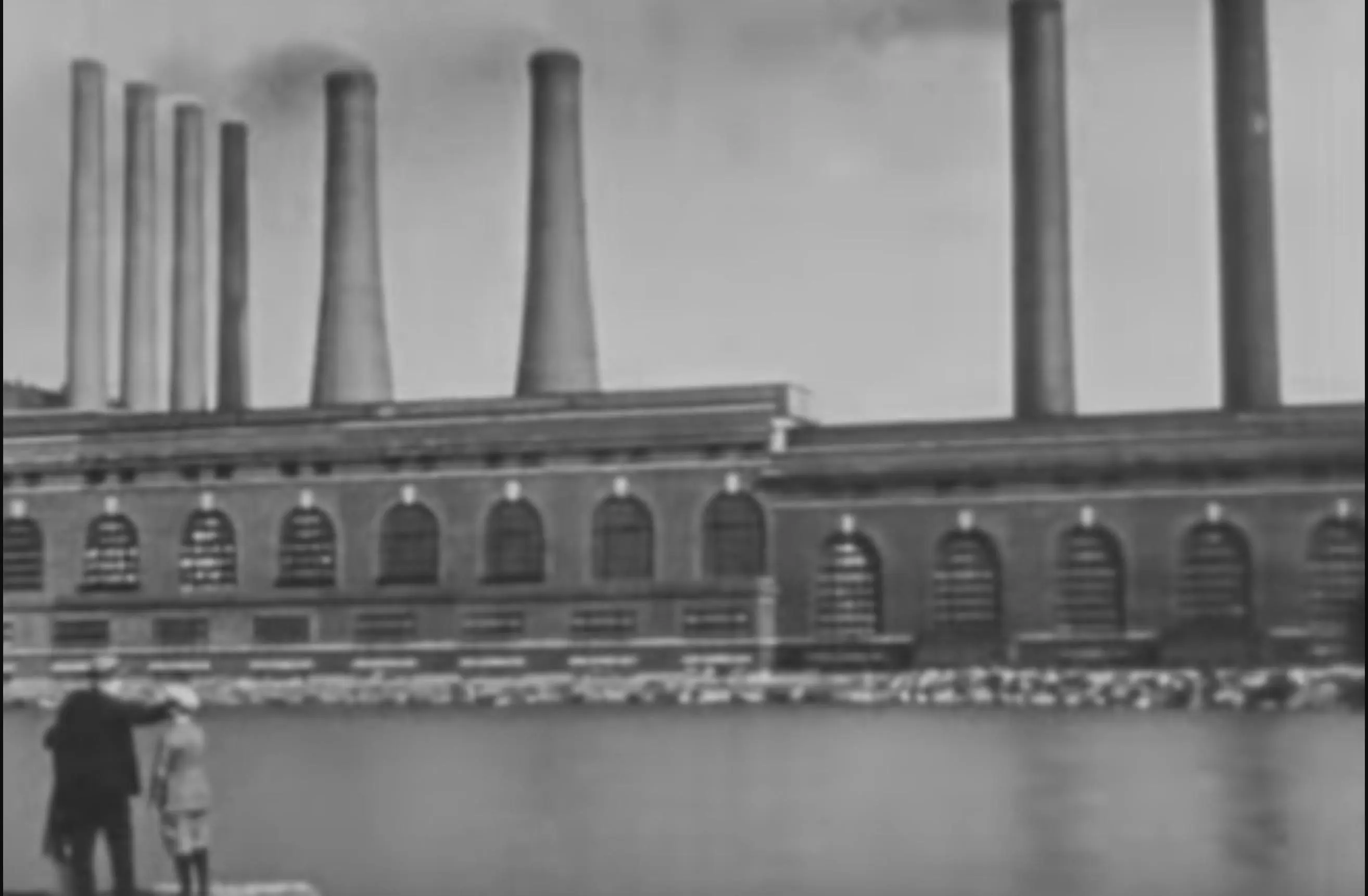
When the pilot arrives, the film’s visual language shifts. The cinematography, credited to an unheralded but clearly talented crew, captures aerial footage of the Ohio landscape that remains breathtaking a century later. There is a sense of liberation in these frames that rivals the documentary purity of La montagne infidèle. We are no longer tethered to the mud; we are soaring toward the future. The transition from the sepia-toned expectations of the countryside to the monolithic structures of the Cleveland Electric Illuminating Company is handled with a sophistication that suggests Ryan understood the psychological impact of scale. The power plant is presented as a cathedral of the modern era, a place where coal is transmuted into light through a process that feels more like alchemy than engineering.
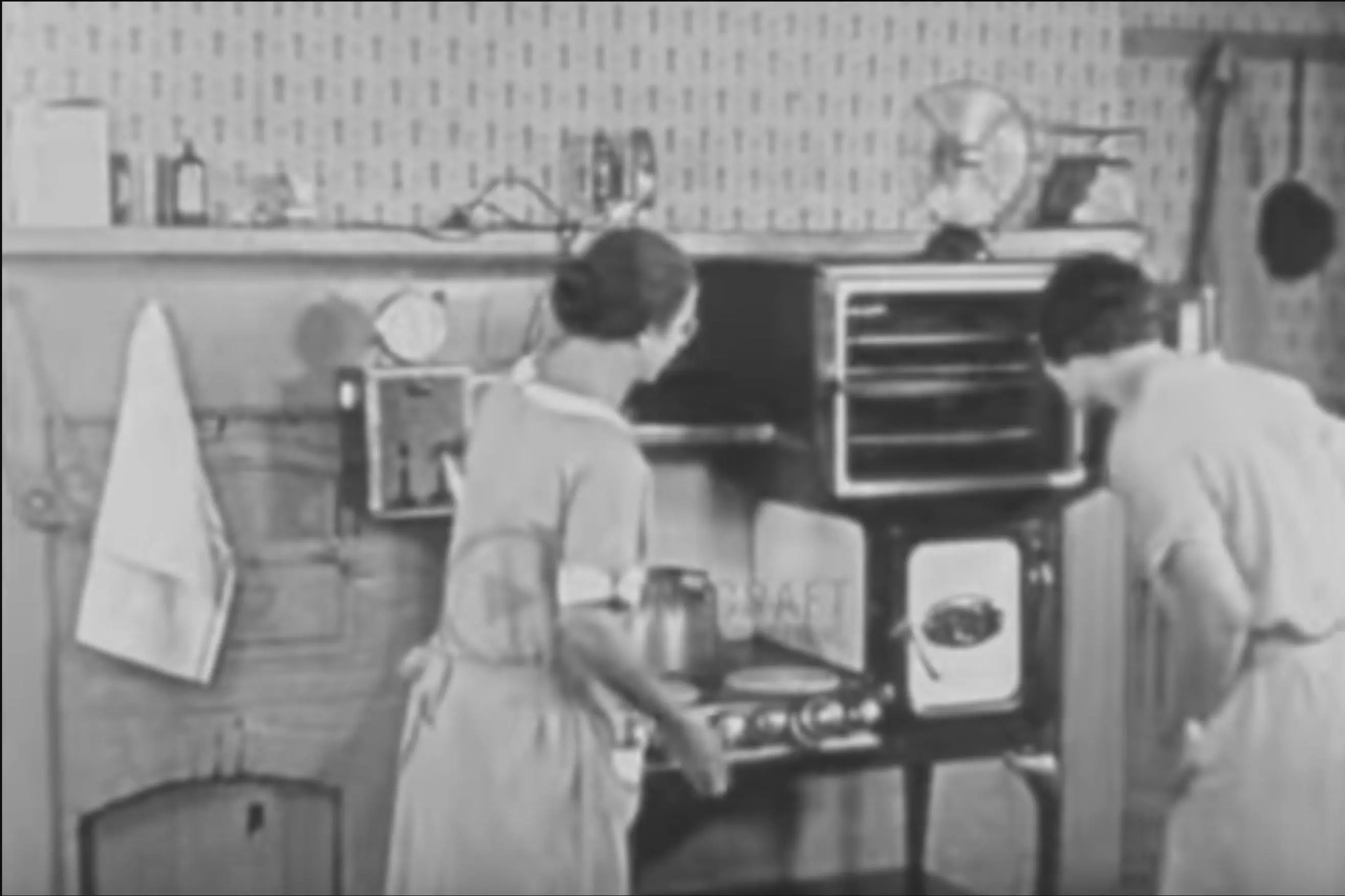
Billy Redmond’s performance is a masterclass in reactionary acting. In an era where over-the-top gesticulation was the norm—think of the heightened theatricality in Lucille Love: The Girl of Mystery—Redmond maintains a stoic, wide-eyed wonder. He becomes the proxy for the 1924 audience, many of whom were still navigating the transition from gaslight to bulb. Lorraine Schmidt and Dede Fitzpatrick provide the necessary emotional scaffolding, ensuring that the film never devolves into a dry technical manual. They represent the domestic heart of the story, the beneficiaries of this new 'invisible servant.' Their interactions with the 'Electrical Home' in Cleveland are choreographed with a rhythmic grace that recalls the lighter moments of Back from the Front, yet there is an underlying seriousness to their discovery.
Frank Van Arnsdale and Ted Mars contribute to the film’s sense of authority. They are the men of the city, the architects of this new reality. Their presence contrasts sharply with the rugged, weathered aesthetic of the farmhands. This dichotomy is essential to the film’s message: the city is the brain, and the farm is the body, and electricity is the nervous system that finally connects them. This theme of connectivity is a stark departure from the isolationist themes of Paradise Lost, where the world feels fractured and irredeemable.
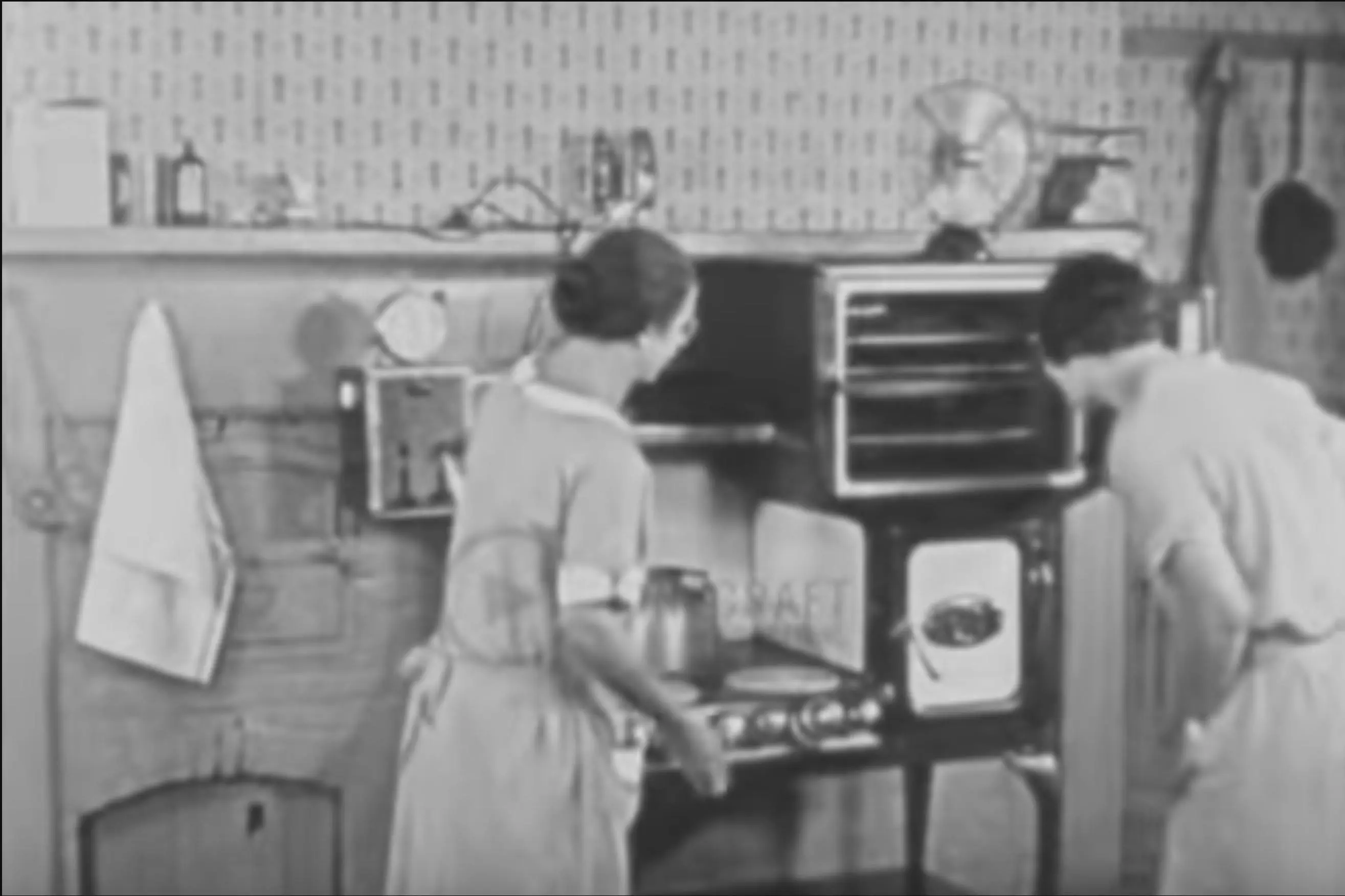
Writer Frank J. Ryan avoids the pitfalls of blatant propaganda by embedding the commercial message within a classic 'fish out of water' framework. The script doesn't just lecture; it demonstrates. We see the laborious process of laundry being done by hand, and then we see the effortless operation of an electric washing machine. It is a binary presentation of history: Before and After. This narrative efficiency is something that even more ambitious projects like Egyenlöség sometimes lacked in their quest for grandiosity. Ryan understands that the 'Heart' of the title isn't just the power plant; it’s the pulse of the American family unit.
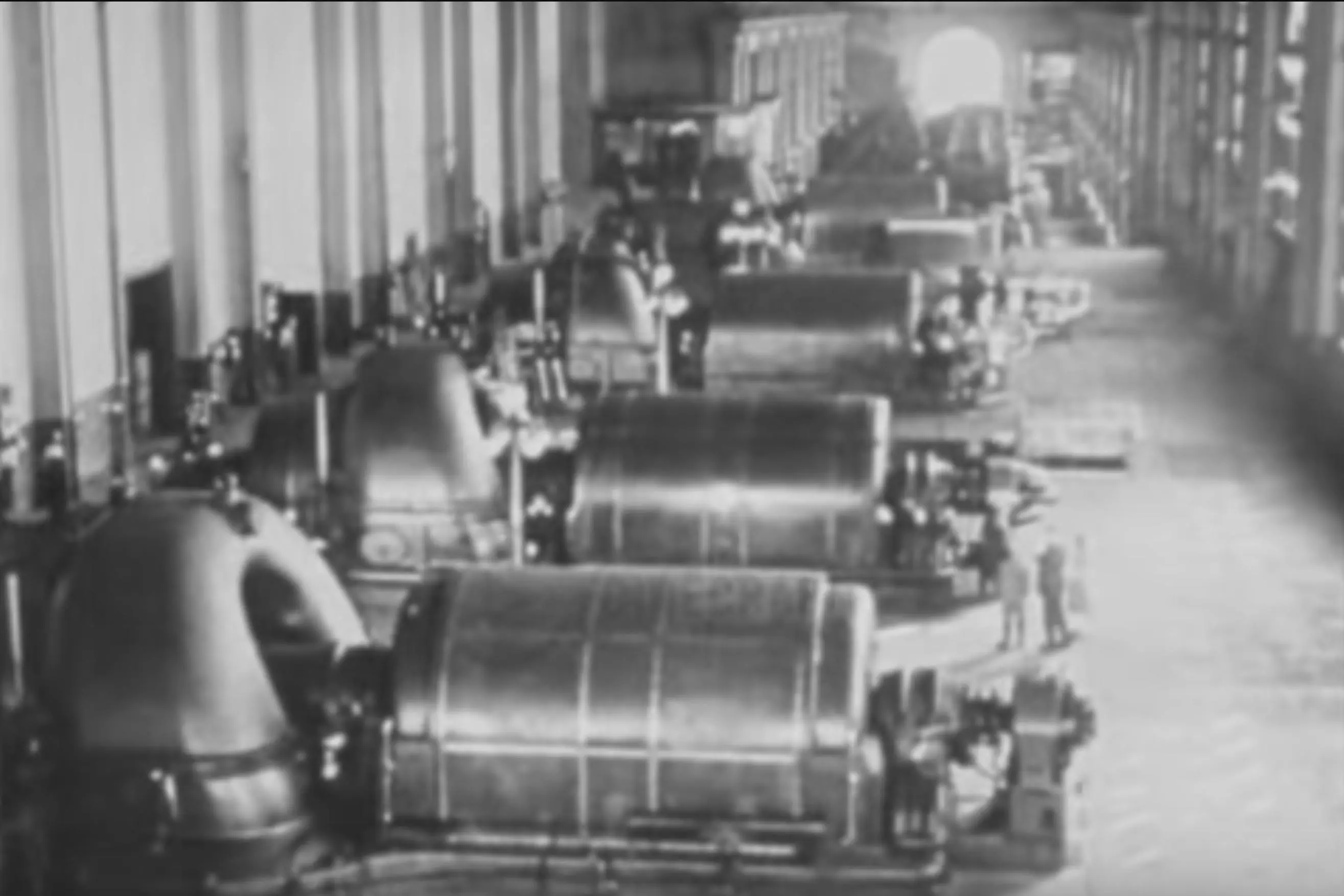
The film’s pacing is surprisingly modern. It doesn't linger too long on the technical jargon of the turbines, opting instead for montage-like sequences that emphasize the sheer power of the Lakeside Plant. There is a kinetic energy to these scenes that brings to mind the urban vitality of The Twinkler. While Toonerville's Fire Brigade used technology for comedic effect, *The Heart of Cleveland* treats the machine with a reverence that borders on the liturgical. The cinematography utilizes shadows and light—chiaroscuro in its most literal sense—to highlight the gleaming copper and steel of the generators.
In the broader context of 1920s cinema, *The Heart of Cleveland* occupies a unique niche. It lacks the dark, psychological complexity of Lulù or the tragic weight of The Sin of Martha Queed. Instead, it offers a relentless, almost aggressive optimism. It posits that all social ills—poverty, isolation, physical exhaustion—can be solved through the democratization of energy. It is a film that believes in the 'Man Who Played God' trope, but in a benevolent, corporate sense, quite unlike the darker connotations found in The Man Who Played God. Here, the 'God' is the engineer, and the 'Miracle' is the lightbulb.
Comparing this film to Sands of the Desert, one notices a shift in the American imagination. While the latter looks toward the exotic 'other' for entertainment, *The Heart of Cleveland* finds the exotic within the domestic infrastructure. The desert here is the un-electrified countryside, a wasteland waiting to be irrigated by the flow of electrons. Even a sports-centric film like Play Ball with Babe Ruth shares a common thread with Ryan’s work: the celebration of the American hero. In Ryan’s world, however, the hero isn't a slugger; it’s the lineman climbing a pole in a blizzard to ensure the 'Heart' keeps beating.
The visual composition of the film’s final act—the return to the farm—is particularly striking. The lighting design changes; the scenes are no longer flatly lit. The 'Electrical Home' is bathed in a warm, inviting glow that contrasts with the harsh, cold sunlight of the opening scenes. This use of light as a narrative tool is sophisticated for a promotional short. It suggests a level of intentionality that elevates the film above its utilitarian origins. The editing, too, is sharp, creating a sense of momentum that mirrors the 'flow' of electricity itself. There is no wasted motion, no superfluous subplot to distract from the central thesis.
As we look back from a digital age, *The Heart of Cleveland* serves as a poignant reminder of a time when technology felt purely beneficial. There is no hint of the environmental or social anxieties that would later permeate the genre. It is a pure expression of the American Dream, 1924-style. The film’s preservation is a gift to historians and cinephiles alike, offering a window into a world that was just beginning to realize the power of its own inventions. It stands as a testament to the fact that even a film produced for a utility company can possess a soul, provided it is guided by a director and writer who see the poetry in the pylons.
Ultimately, the film succeeds because it treats its subject matter with absolute sincerity. There is no irony in the way the Jacksons marvel at a toaster; there is only a profound sense of relief. In the quiet moments between the grand shots of turbines and the aerial views of the city, the film captures a very human desire: the wish for a life that is just a little bit easier, a little bit brighter. In doing so, The Heart of Cleveland becomes more than just a historical artifact; it remains a compelling piece of visual storytelling that continues to pulse with the energy of its era.
IMDb —
1924
Community
Log in to comment.