DbcultAccessing Vault...
Cult Review
Senior Film Conservator
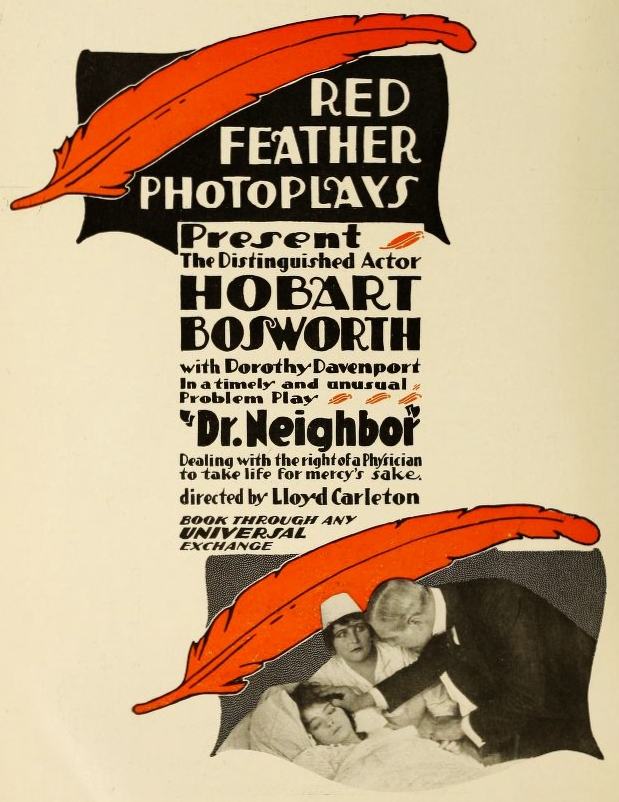
Stepping back into the hallowed, hushed halls of early cinema, one encounters ‘Doctor Neighbor,’ a 1916 release that, even through the sepia-toned veil of time, radiates an emotional intensity rarely matched. This isn't just a story; it's a profound meditation on human frailty, the corrosive power of ambition, and the enduring, often heartbreaking, nature of love and sacrifice. Directed with an understated elegance typical of the era, the film, penned by Agnes Hay, navigates a labyrinthine plot of entangled desires and moral quandaries, leaving an indelible mark upon the viewer.
At its core, ‘Doctor Neighbor’ is a tragedy of misplaced affections and the devastating ripple effects of self-interest. We are introduced to Hazel Rogers, portrayed with a captivating blend of youthful innocence and burgeoning passion by Dorothy Davenport. Hazel, an heiress of considerable means, finds herself drawn to the magnetic yet disturbingly aloof District Attorney, Hamilton Powers. Powers, brought to life by the compelling Emory Johnson, is a man whose heart seems to beat only for the pursuit of power and wealth, his affections for Hazel merely a calculated means to an end. His true devotion lies elsewhere, with Christine, a trained nurse and, ironically, Hazel’s close friend, played by Margaret Whistler, who reciprocates his hidden ardor with a quiet, desperate intensity.
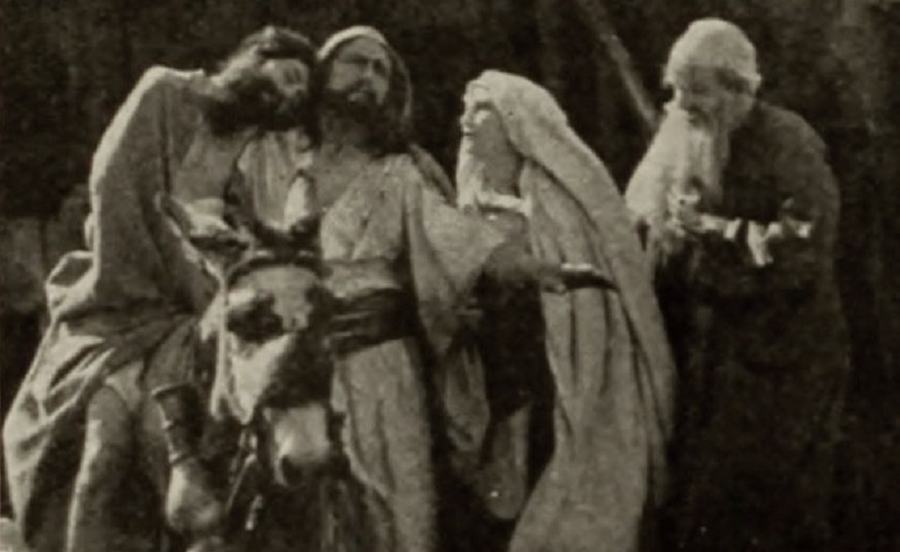
Opposing this perilous romantic entanglement is the venerable Dr. Joel Samson, Hazel’s guardian, a man of unimpeachable character and profound affection, brilliantly embodied by Hobart Bosworth. Samson, a renowned surgeon, acts as a moral compass, his concern for Hazel extending beyond his fiduciary duty as guardian of her millions until her twenty-first birthday. He sees through Powers’ façade, sensing the danger lurking beneath the surface of the District Attorney’s charm. His warnings, however, fall on deaf ears, as Hazel, in the throes of first love, defies his counsel and marries Powers, sealing her own tragic destiny.
The narrative swiftly darkens post-nuptials. Powers, his true colors unfurling, makes an audacious request to Dr. Samson: the management of Hazel’s vast inheritance. When Samson, upholding his ethical responsibilities and Hazel’s best interests, steadfastly refuses, Powers’ thin veneer of affection for his wife completely shatters. He becomes morbid, indifferent, and chillingly cold. The magnificent Long Island home, once a symbol of Hazel’s prosperity, transforms into a gilded cage as Powers abandons her, retreating to New York City to further his legal ambitions. This abandonment is not just physical; it’s a profound emotional desertion, leaving Hazel vulnerable and isolated, with only the hangers-on, Mrs. Preston and Morgan Keith (likely portrayed by Gretchen Lederer and Charles H. Hickman in supporting capacities, though specific roles are not detailed), for company, their presence offering little genuine solace.
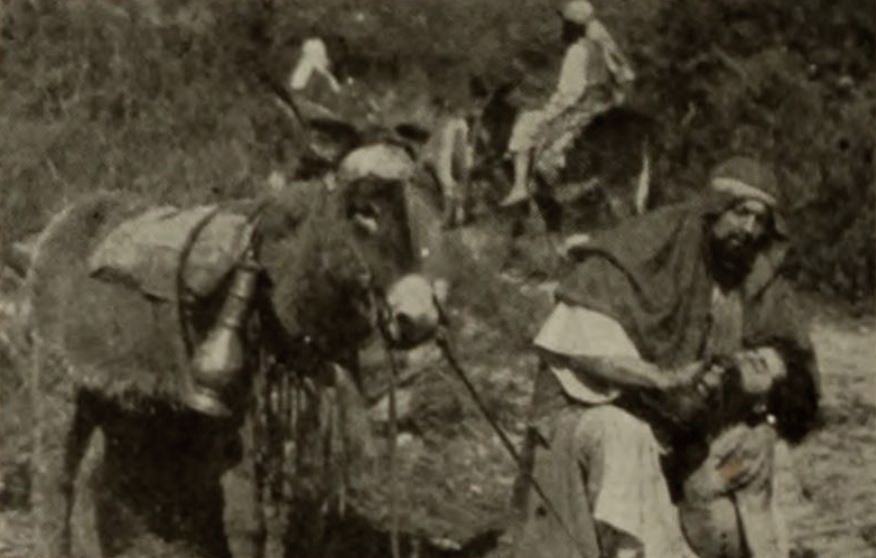
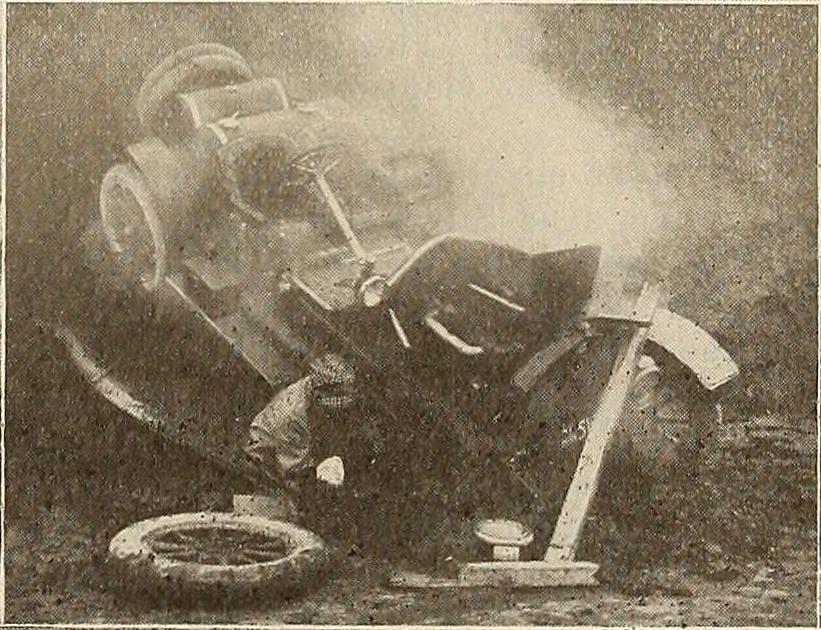
The film then plunges into its most harrowing chapter. Powers, visiting from the city, witnesses a distressing scene involving Hazel, perhaps a confrontation, a desperate plea, or a public display of her crumbling emotional state. This moment, whatever its specifics, pushes Hazel to the brink. In a desperate bid for escape, she flees in her automobile, driving with reckless abandon. The inevitable occurs: a horrific accident, throwing her violently from the vehicle, leaving her with a fractured back. She returns home, not as the vibrant heiress, but as a helpless, hopeless invalid, her suffering intense, agonizing, and seemingly without end. The film captures this descent into physical and emotional immobility with a stark, unflinching gaze, emphasizing the profound tragedy of her condition.
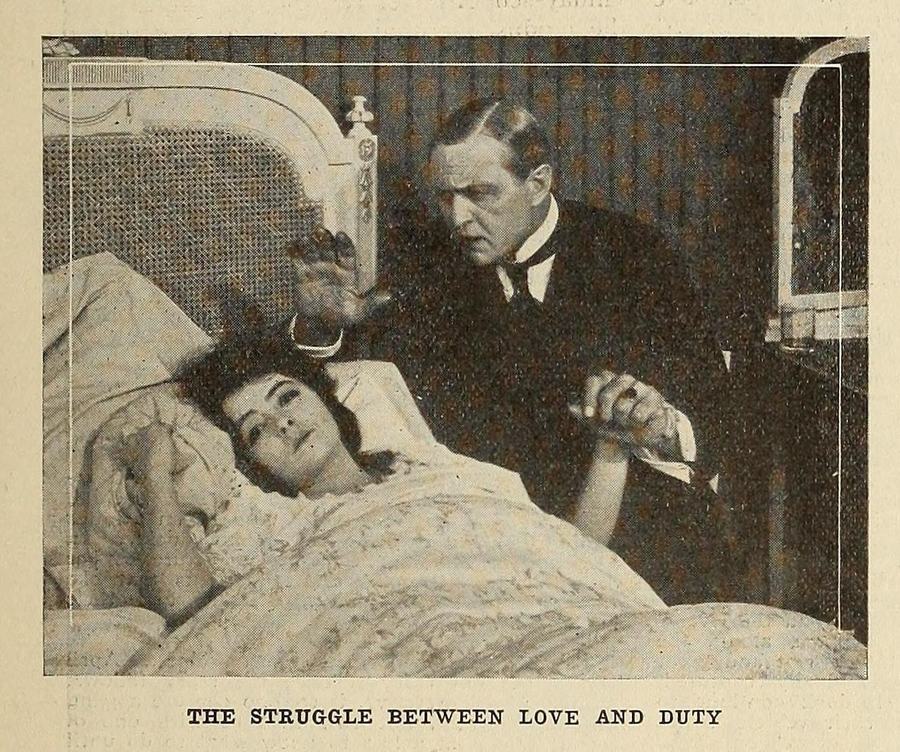
It is here that the titular ‘Doctor Neighbor’ enters the more immediate frame, attending to Hazel’s complex medical needs. Christine, her former school friend and secret love rival, now serves as her devoted nurse, her heartbroken agony for Hazel a poignant counterpoint to her hidden love for Powers. The ethical and emotional stakes reach a fever pitch one fateful night. In the throes of unbearable pain, Hazel, desperate for release, begs Dr. Neighbor to end her misery. The scene is a powerful, gut-wrenching depiction of a plea for euthanasia, a topic that remains ethically fraught even today. It is Christine, pushed to the limits of her endurance by love and despair, who takes the ultimate, tragic step, administering an overdose of morphine. Hazel never awakens.
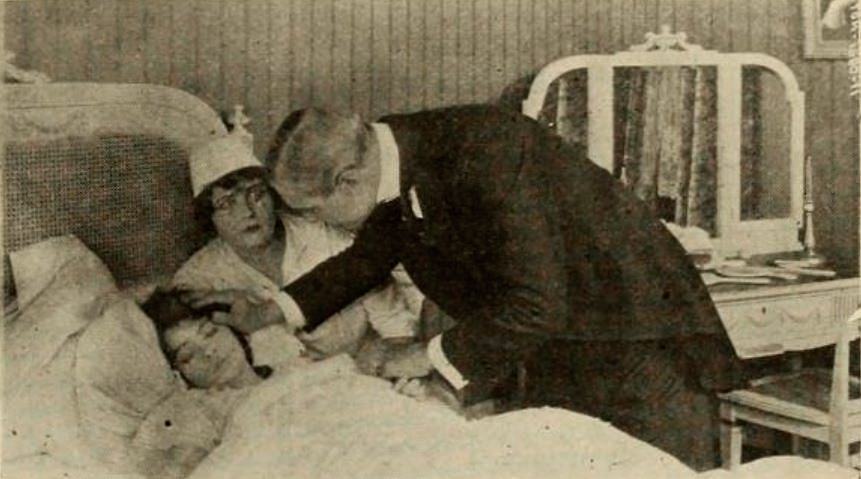
The aftermath is a masterclass in silent film suspense and moral ambiguity. Dr. Neighbor discovers the tell-tale hypo needle, left carelessly on the table by a distraught Christine. He pockets it, a silent witness to a desperate act of mercy, or perhaps, a crime. His silence, born of an unspoken understanding and a profound sense of compassion, becomes the fulcrum of the ensuing drama. Powers, ever the calculating adversary, fuelled by his dislike and suspicion of Dr. Neighbor, initiates an investigation. The doctor, noble in his tacit acceptance of guilt to shield Christine, is accused. His steadfast silence, a testament to his character, only serves to deepen the mystery and solidify the public’s perception of his culpability.
The trial sequence is where the film truly shines, a dramatic crescendo that tests the boundaries of loyalty and justice. Christine, unable to bear the weight of Dr. Neighbor’s unjust suffering, breaks. Her confession, a raw outpouring of truth and remorse, exonerates the doctor, revealing the full, heartbreaking extent of her love for Hazel and her desperate act. It’s a moment of profound catharsis, not just for the characters, but for the audience, a testament to the power of truth, however painful. Dr. Neighbor, freed from the legal noose, continues his life of service, ultimately giving his own life for a patient, a final, selfless act that cements his character as one of unwavering integrity and sacrifice. This echoes a thematic resonance seen in other films where personal sacrifice defines heroism, though perhaps less overtly than in a film like The Warrior, where the sacrifice is more martial, or even the moral quandaries of A Change of Heart.
Agnes Hay’s script is remarkably intricate, weaving together themes of class, morality, unrequited love, and medical ethics with a deft hand. For a film of its era, it delves into complex psychological motivations and societal pressures with surprising depth. The exploration of Dr. Samson's guardianship and the implications of Hazel's inheritance is particularly well-handled, grounding the melodrama in tangible stakes. The subplot of Powers's ruthless ambition, expertly portrayed by Emory Johnson, is a chilling reminder that not all villains wield daggers; some merely manipulate the law and human emotion. The film's portrayal of Christine's character, caught between her affection for Hazel and her secret love for Powers, and ultimately making the most agonizing choice, is a masterclass in tragic character development.
The performances across the board are commendable, especially considering the expressive demands of silent cinema. Dorothy Davenport, as Hazel, carries the weight of the film’s central tragedy with remarkable grace, her facial expressions and body language conveying a spectrum of emotions from youthful exuberance to profound despair. Her journey from vibrant heiress to helpless invalid is utterly heartbreaking. Hobart Bosworth’s Dr. Samson is a figure of quiet strength and moral fortitude, his presence lending gravitas to every scene he inhabits. His portrayal of a man torn between legal duty and paternal affection is genuinely moving. Emory Johnson, as the antagonist Hamilton Powers, perfectly embodies the cold, calculating nature of ambition, making his character both detestable and frighteningly real. The supporting cast, including Gretchen Lederer, Charles H. Hickman, Margaret Whistler, and Adele Farrington, contribute significantly to the film’s rich tapestry, each adding depth to the social milieu surrounding Hazel’s tragic life.
The film’s examination of medical ethics, particularly the plea for euthanasia, is strikingly prescient. In an era when such topics were rarely openly discussed, ‘Doctor Neighbor’ confronts it head-on, not with judgment, but with a profound sense of empathy for the characters caught in its vortex. The doctor's decision to shield Christine, even at great personal cost, speaks volumes about his character and the film's nuanced understanding of compassion that transcends legalistic boundaries. This theme of difficult moral choices in the face of suffering can be subtly compared to the moral decay explored in Ten Nights in a Barroom, although 'Doctor Neighbor' approaches its ethical dilemma from a vastly different, more intimate perspective.
Visually, the film likely employed the common techniques of the era: dramatic lighting to emphasize emotional states, carefully composed frames to highlight character relationships, and intertitles to convey dialogue and exposition. While specific directorial choices aren't detailed in the plot summary, one can infer a reliance on strong visual storytelling to compensate for the absence of spoken dialogue, a hallmark of silent cinema. The grand settings, such as Hazel's magnificent Long Island home, would have been used to underscore her initial privilege and later her isolation, a stark contrast to the utilitarian environment of a courtroom or a hospital room.
‘Doctor Neighbor’ is more than just a historical artifact; it's a timeless narrative that resonates with contemporary audiences through its exploration of universal human experiences: love, betrayal, sacrifice, and the relentless pursuit of justice. It challenges viewers to consider the complexities of morality and the profound impact of individual choices. The film's enduring power lies in its ability to evoke deep emotional responses without uttering a single word, relying instead on the raw power of performance, intricate plotting, and thematic depth. It is a testament to the artistry of early filmmakers and a reminder that compelling storytelling transcends technological limitations. For those interested in the rich tapestry of silent film, ‘Doctor Neighbor’ stands as a compelling, if heartbreaking, example of the genre’s capacity for profound human drama. It is a cinematic experience that leaves one contemplating the intricate dance between fate and free will, and the often-unseen sacrifices that define true heroism.
IMDb 5.7
1915
Community
Log in to comment.