DbcultAccessing Vault...
Cult Review
Senior Film Conservator

Is Dollarmillionen a lost classic or a dated relic? Short answer: It is a fascinating, if uneven, time capsule for those who appreciate the evolution of the identity-swap trope, though it lacks the kinetic energy modern audiences might expect.
This film is for the cinematic historian who enjoys dissecting the social mores of the interwar period and the specific anxieties of Northern European life. It is absolutely not for viewers who require fast-paced action or the high-gloss production values of the late silent era's Hollywood giants.
Yes, but only if you are willing to engage with the slow-burn pacing of 1920s Swedish cinema. It provides a unique look at the cultural stigma of military desertion and the transactional nature of identity during a time of shifting borders. It is a film that rewards patience rather than providing instant gratification.
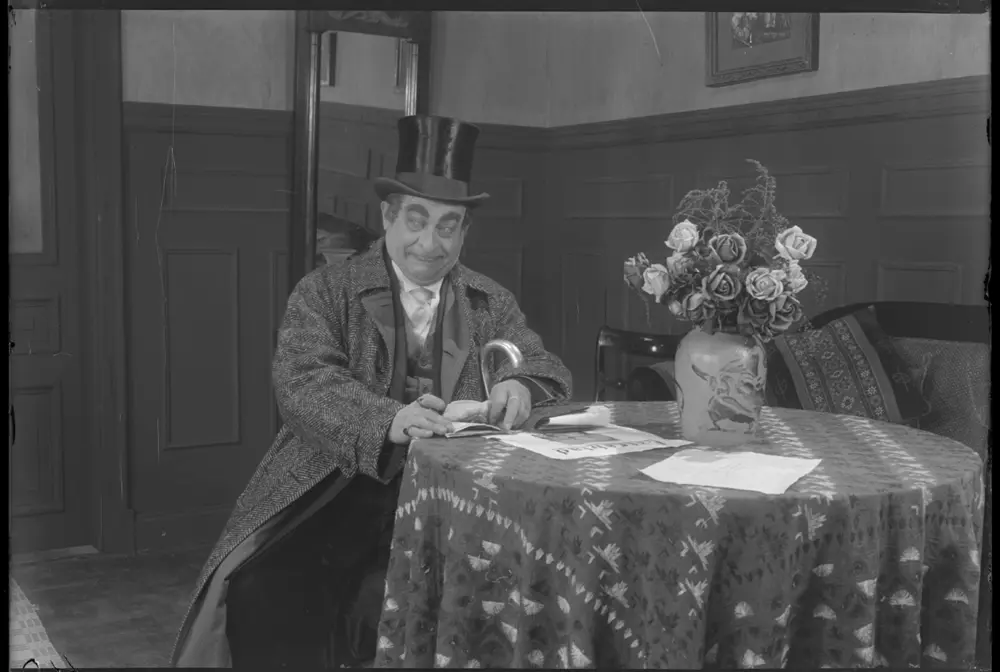
1) This film works because it treats the concept of identity as a commodity that can be bought and sold for the right price.
2) This film fails because the middle act meanders through social gatherings that do little to advance the core psychological tension.
3) You should watch it if you have an interest in early European character studies like Life or the thematic weight of The Price of Silence.
The premise of Dollarmillionen is inherently cynical, which is precisely what makes it interesting nearly a century later. Richard Bergin’s decision to pay a man to live his life is not framed as a heroic quest for freedom, but as a cold, calculated business move. The film avoids the sentimental trappings of many contemporary dramas, opting instead for a narrative that feels surprisingly modern in its skepticism of institutional duty.
When we first meet Bergin in Marseille, the contrast between the French coast and his Swedish obligations is palpable. The direction by Henning Ohlson (who also penned the script) utilizes the change in locale to signify a spiritual break. However, the film is at its best when it focuses on the mechanics of the swap. The scene where the transaction is finalized—the exchange of fifty thousand kronor—is shot with a clinical detachment that underscores the moral vacuum Bergin inhabits.
It works. But it’s flawed. The central conceit requires a level of suspension of disbelief that the film occasionally struggles to support. While the look-alike plot is a staple of the era, seen in various forms in films like Paid in Full, Dollarmillionen adds a layer of nationalistic guilt that gives the story a sharper edge.
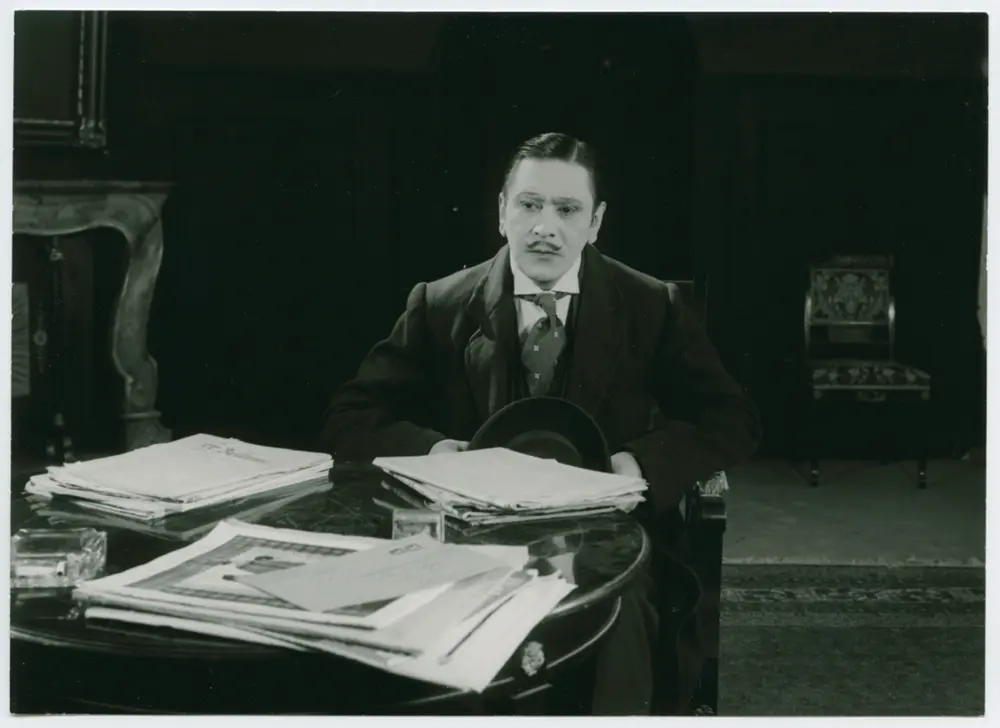
What strikes the modern viewer most is the film's obsession with reputation. In the 1920s, your face was your bond, and the idea that someone could simply step into your shoes for a fee was a terrifying prospect to the upper classes. The film captures this through the various social interactions Bergin’s double must navigate. There is a palpable sense of dread whenever the double is forced into a conversation that requires intimate knowledge of Bergin’s past.
One particular moment stands out: a dinner party where the double must interact with Bergin’s old acquaintances. The camera lingers on the sweat on his brow and the subtle hesitations in his speech. It is a sequence that rivals the tension found in contemporary thrillers, proving that psychological horror doesn't always need a monster. The monster here is the fear of being found out as a fraud.
The film also touches upon the economic disparity of the time. The fact that fifty thousand kronor is enough to buy a man’s entire existence speaks volumes about the desperation of the working class in post-WWI Europe. It’s a theme that echoes in other films of the period, such as Paying the Piper, where the cost of social standing is often higher than one can afford.
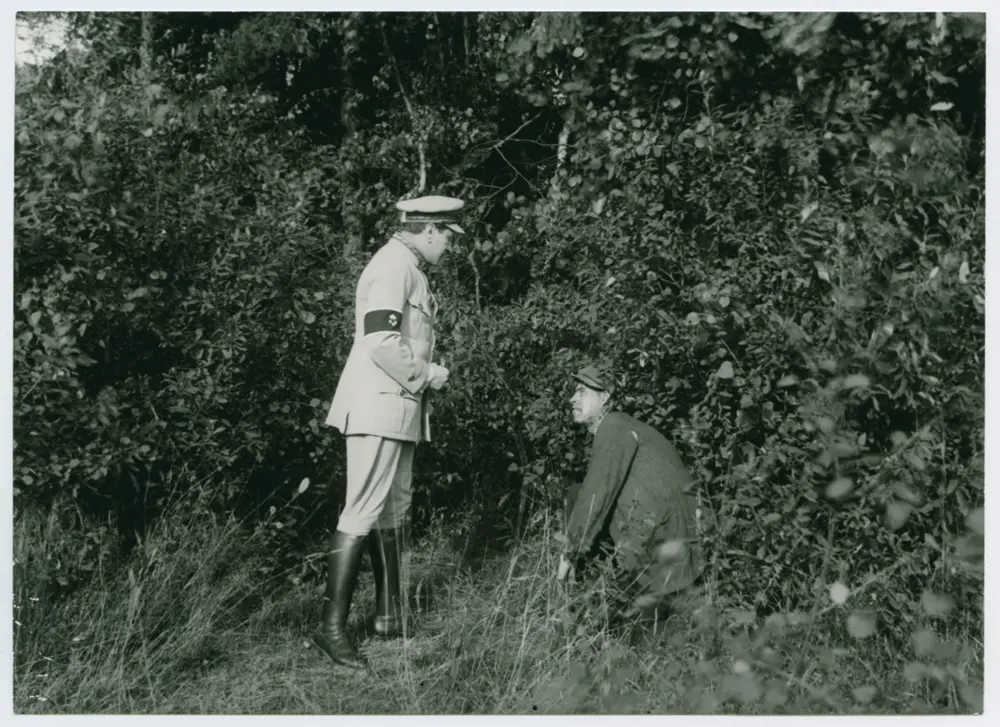
Technically, Dollarmillionen is a product of its time, but it shows flashes of brilliance in its cinematography. The use of natural light in the Marseille sequences provides a stark contrast to the more shadows-heavy, interiors-focused scenes in Sweden. This visual dichotomy serves to represent Bergin’s perceived freedom versus his actual entrapment in a web of lies.
The pacing, however, is where the film falters. Like many silent features, it suffers from a bloated second act. There are numerous scenes of characters entering and exiting rooms that could have been trimmed to maintain the narrative momentum. In an age where we are used to 90-minute tight scripts, the indulgence of the 1920s can feel like a chore. Yet, if you look past the slow movement, you see a director trying to build a world, not just a plot.
The acting is surprisingly restrained for the mid-20s. Edla Rothgardt and Isa Quensel provide performances that are more grounded than the histrionics often associated with silent cinema. Quensel, in particular, possesses a screen presence that feels ahead of her time, using her eyes to convey a depth of suspicion that dialogue cards could never fully capture.
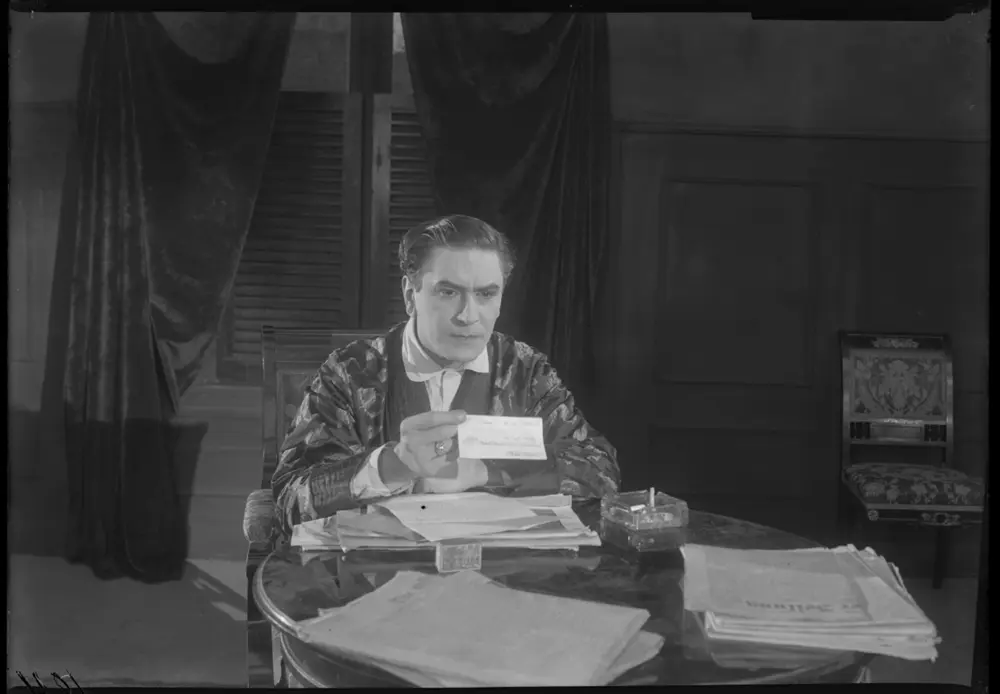
We must consider the context of 1926. Sweden was navigating a complex neutrality, and the concept of military service was tied deeply to manhood and citizenship. Bergin’s desertion is not just a legal crime; it is a social one. The film’s portrayal of his cowardice—if we choose to call it that—is remarkably nuanced. It doesn't outright condemn him, but it shows the hollow nature of his 'freedom' in Marseille.
Is he a villain or a victim of a rigid system? This is the debatable core of the film. I would argue that Bergin is the most honest character in the movie because he acknowledges that everything, including his own identity, has a price tag. Everyone else is simply pretending that their roles are divinely ordained. This cynical perspective is what keeps Dollarmillionen from feeling like a mere morality play.
The film’s ending, which I won't spoil, leans into this ambiguity. It refuses to give the audience a clean resolution, suggesting that once the mask has been swapped, the original face is lost forever. It’s a haunting thought that lingers long after the final title card fades.
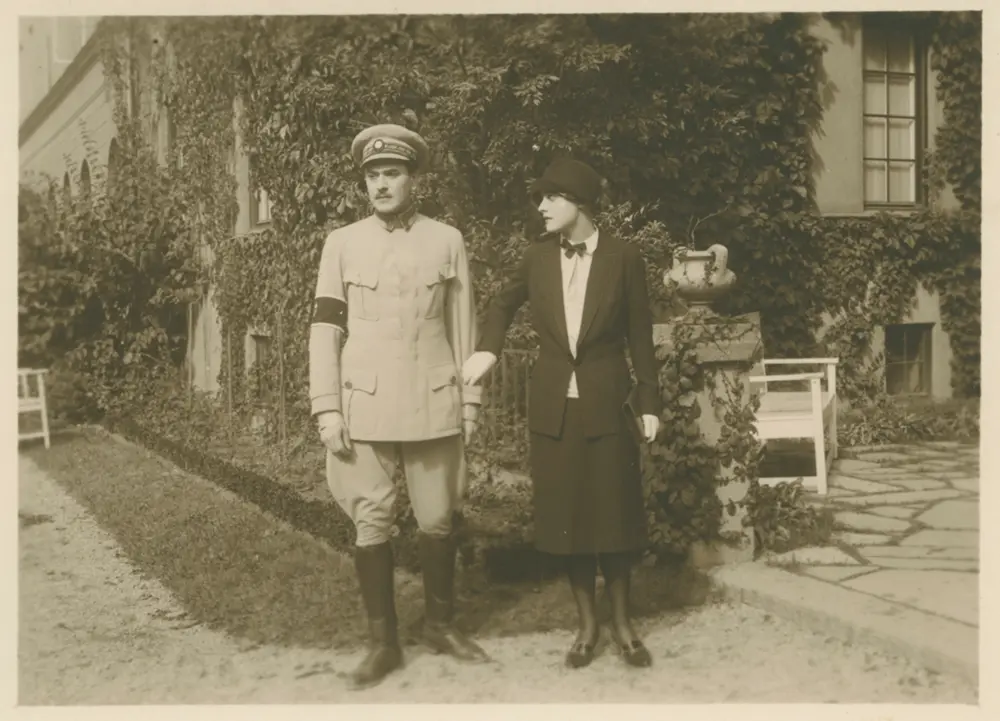
The film offers a sophisticated look at identity as a commodity. The performances, especially from the female leads, are remarkably nuanced for the era. The location shooting in Marseille adds a layer of authenticity and visual variety that was rare for many domestic Swedish productions of the time.
The narrative pacing is inconsistent, with a middle section that feels repetitive. Some of the plot contrivances regarding the 'look-alike' require a heavy dose of disbelief. The film’s reliance on title cards to explain complex financial arrangements can occasionally pull the viewer out of the visual experience.
Dollarmillionen is a fascinating exercise in social critique wrapped in a caper's clothing. While it may not have the legendary status of other silent masterpieces, its exploration of the transactional nature of the self remains surprisingly relevant. It is a film that asks uncomfortable questions about what we owe our country and what we owe ourselves. If you can stomach the slow pace, you will find a work that is as intellectually stimulating as it is historically significant. It is a flawed, yet deeply compelling, look at the price of a life.

IMDb 5
1920
Community
Log in to comment.