DbcultAccessing Vault...
6.6/10
Senior Film Conservator
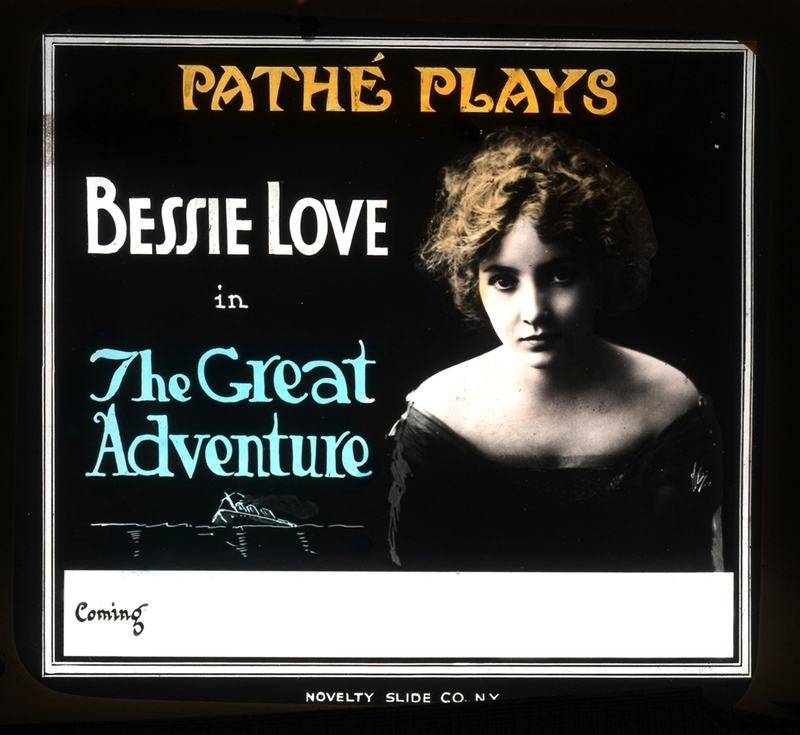
A definitive 6.6/10 rating for a film that redefined the boundaries of cult cinema. The Great Adventure remains a cornerstone of transgressive art.
The year 1918 stands as a pivotal monolith in the chronology of cinema, a period where the primitive flickers of the nickelodeon were rapidly evolving into the sophisticated visual grammar of the silent feature. Within this transformative epoch, The Great Adventure emerges not merely as a relic of its time, but as a poignant, often startlingly modern meditation on the volatility of ambition. Directed with a keen eye for social nuance, the film serves as a vehicle for the luminous Bessie Love, whose portrayal of Ragna 'Rags' Jansen transcends the histrionic tendencies of her contemporaries, offering a performance of mercurial depth and vulnerability.
The script, penned by the prolific Agnes Christine Johnston and Henry Kitchell Webster, avoids the saccharine traps that ensnared many dramas of the late 1910s. Unlike the moralistic rigidity found in Little Lost Sister, which treated urban migration as a descent into inevitable sin, The Great Adventure treats Rags’ odyssey with a sophisticated blend of empathy and irony. The opening sequences in her hometown are bathed in a soft, almost nostalgic glow—a visual shorthand for the safety and stagnation of her current life. Here, she is the undisputed queen of the local stage, a position that grants her a false sense of security regarding her own talents.
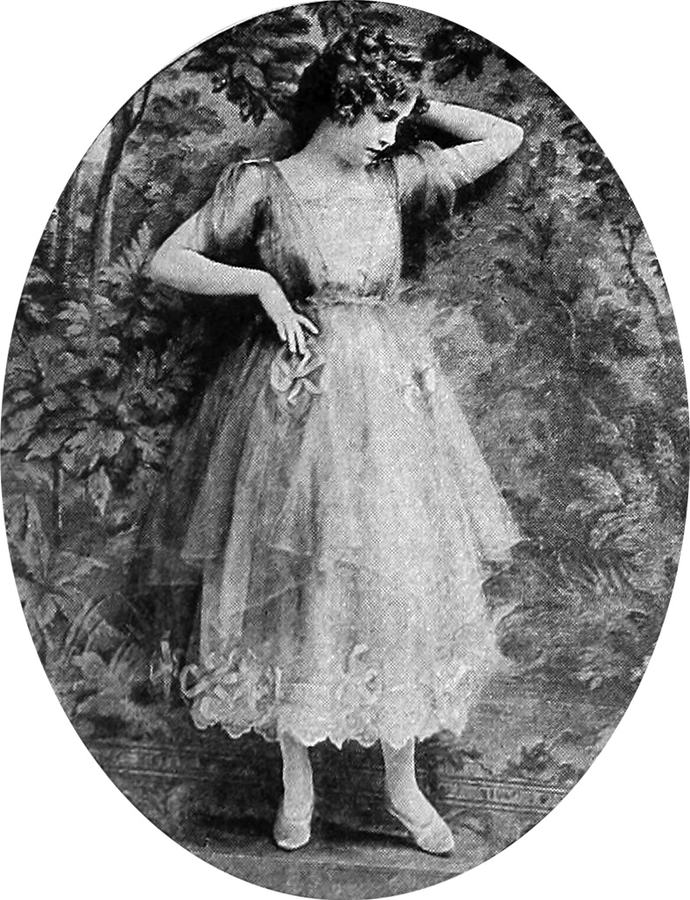
When Rags finally departs for the steel canyons of Manhattan, the cinematography shifts. The framing becomes tighter, the shadows more pronounced, echoing the chiaroscuro techniques that would later define German Expressionism. This shift in visual tone mirrors the internal psychological shift of our protagonist. The 'Great Adventure' is not a jaunty picaresque; it is a grueling psychological gauntlet. The film brilliantly captures the cacophony of the city—the relentless pace, the indifference of the crowds, and the mechanical nature of the theatrical industry. It is a world where talent is a commodity and dreams are the currency of the naive.
Bessie Love’s performance is a revelation. In an era where many actors relied on broad gestures to convey emotion, Love utilizes her eyes and subtle shifts in posture to communicate a complex internal monologue. When she stands before a dismissive Broadway producer, we see the flicker of doubt behind her forced smile—a moment of profound human vulnerability that feels entirely contemporary. Her chemistry with the supporting cast, including the reliable Chester Barnett and the comedic prowess of Flora Finch, provides a rich tapestry of social interactions that ground the film's more melodramatic beats.
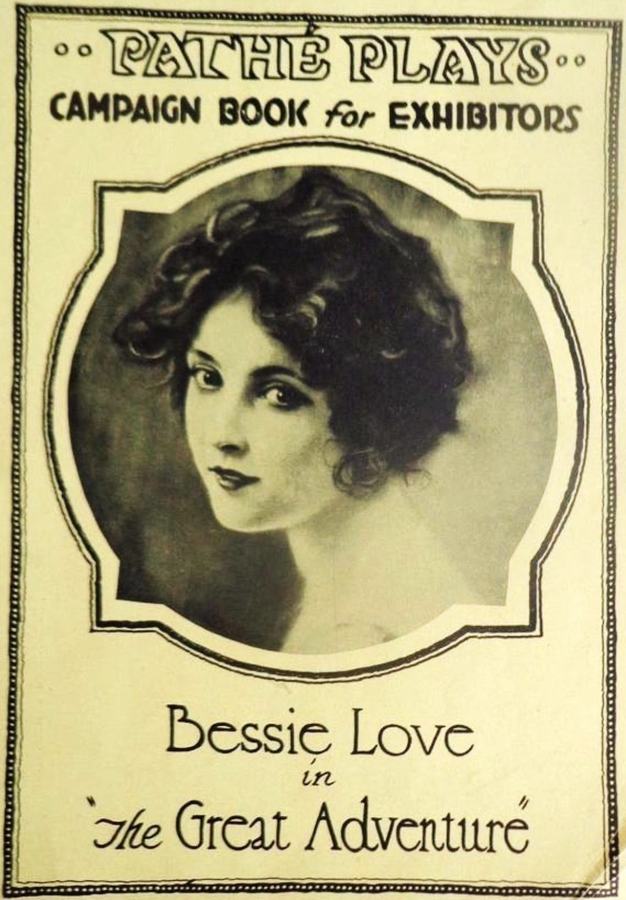
"The Great Adventure is a cinematic bridge between the pastoral innocence of the 19th century and the cynical sophistication of the 20th. It captures the exact moment the American dream began to curdle into the American hustle."
Compare this to the more overtly stylized performances in The Tarantula, and one begins to appreciate the naturalism Love brings to the screen. She doesn't play a 'type'; she plays a woman caught in the gears of a machine she doesn't fully understand. This nuance is what allows the film to resonate over a century later. We recognize Rags’ hunger, her fear, and her eventual, hard-won wisdom.
Agnes Christine Johnston was a trailblazer in the silent era, and her fingerprints are all over the sharp, witty intertitles and the structural integrity of the plot. She understood the female experience in a way few male writers did at the time. The dialogue (conveyed through titles) eschews the flowery prose common in films like Southern Pride, opting instead for a more direct, sometimes biting realism. Johnston’s script explores the transactional nature of fame and the sacrifices required to maintain a public persona.
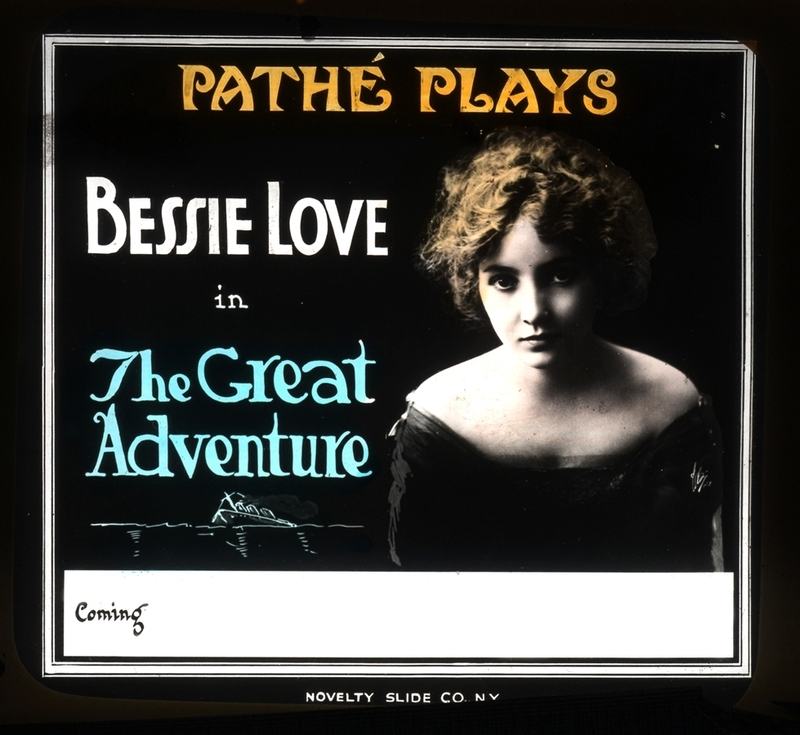
The film also touches upon the gender dynamics of the era. Rags is constantly underestimated or fetishized by the men she encounters. Her struggle to be taken seriously as an artist, rather than just a pretty face from the provinces, is a central tension that Johnston navigates with remarkable dexterity. It’s a theme that echoes in other works of the period, such as For Husbands Only, though The Great Adventure feels less like a moral lesson and more like a lived experience.
Technically, the film is a marvel of late-1910s production. The set design, particularly the contrast between the cluttered, cozy interiors of Rags' home and the cavernous, cold backstage areas of the Broadway theaters, tells a story of its own. The use of light is particularly effective; notice how Rags is often illuminated by a single, harsh spotlight when she is on stage, emphasizing her isolation even in moments of supposed triumph. This visual motif serves as a recurring reminder of the loneliness that often accompanies the pursuit of the spotlight.
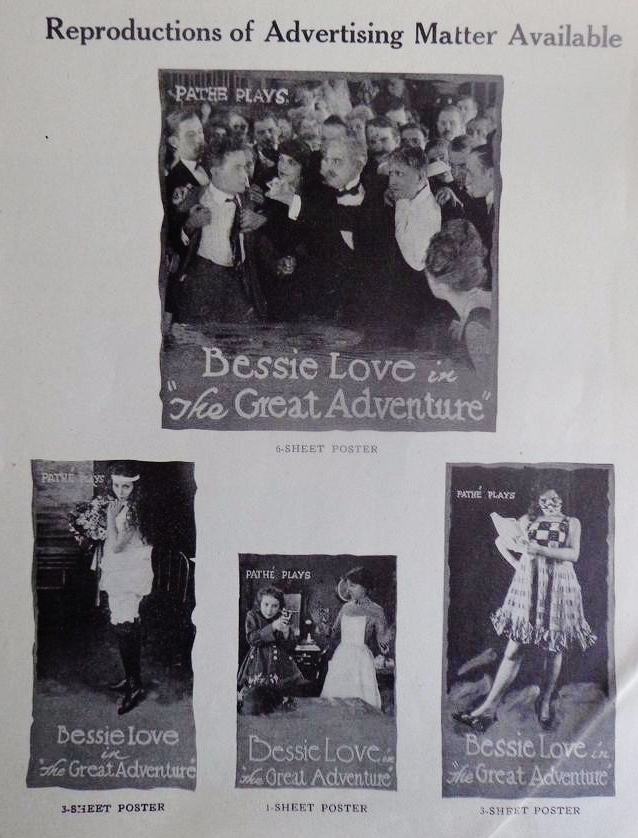
The pacing of the film is also noteworthy. While many silent films suffer from a certain narrative lethargy, The Great Adventure maintains a brisk, almost frantic energy once the action moves to New York. This mirrors Rags' own sense of disorientation and the overwhelming speed of urban life. It is a testament to the editing and direction that the film never feels disjointed, despite the sharp contrast between its two halves.
In the broader context of 1918 cinema, The Great Adventure sits comfortably alongside prestige productions like Legion of Honor or the socially conscious Our American Boys in the European War. However, while those films often leaned into patriotism or grand historical narratives, The Great Adventure remains intimate and personal. It doesn't try to explain the world; it tries to explain the heart of one ambitious girl.
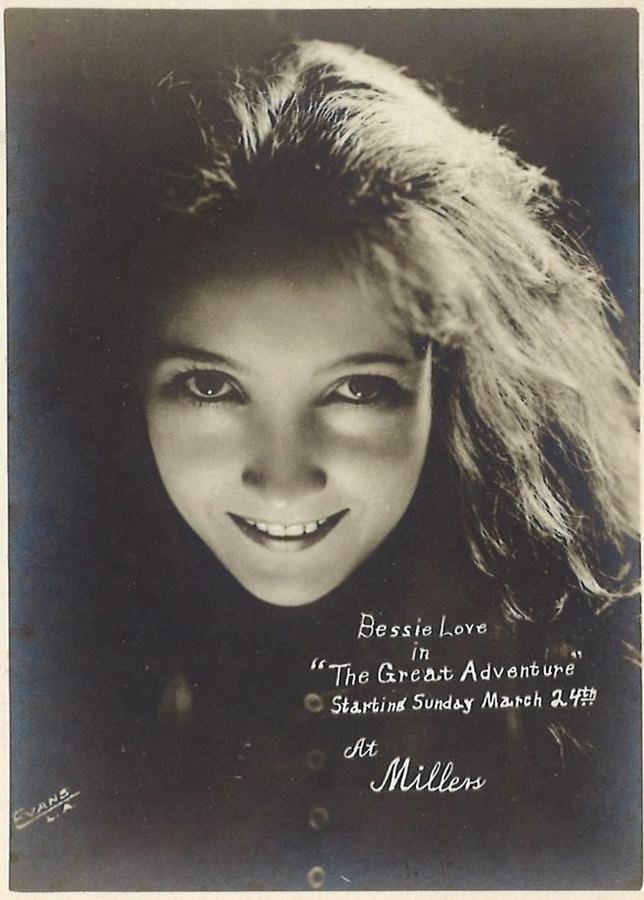
The film avoids the escapism of The Island of Desire or the mythic proportions of Creation. Instead, it finds its power in the mundane—the rejection letters, the cheap boarding houses, the long hours of rehearsal. It is this commitment to the 'un-glamorous' side of show business that gives the film its enduring bite. It serves as a precursor to later backstage dramas, setting a template that would be followed for decades to come.
As the final reel spins to its conclusion, the audience is left with a sense of bittersweet resolution. Rags has completed her 'Great Adventure,' but she is not the same person who left the small town at the beginning of the film. The innocence has been stripped away, replaced by a weary, yet resilient understanding of the world. This thematic maturity is what elevates the film above its peers. It doesn't offer easy answers or a fairy-tale ending. Instead, it offers a reflection of the human condition—the eternal struggle between who we are and who we wish to be.
Whether compared to the domestic tensions of Master of His Home or the cautionary tales of The Evil Women Do, The Great Adventure remains a singular achievement. It is a film that demands to be seen, not just as a historical curiosity, but as a vibrant, breathing piece of cinema that still has much to say about the nature of dreams and the cost of chasing them. In the pantheon of silent cinema, it deserves a place of honor—a testament to the power of storytelling and the enduring brilliance of Bessie Love.
Related viewing for silent era enthusiasts:
IMDb 5.8
1916
Community
Log in to comment.