DbcultAccessing Vault...
6.5/10
Senior Film Conservator
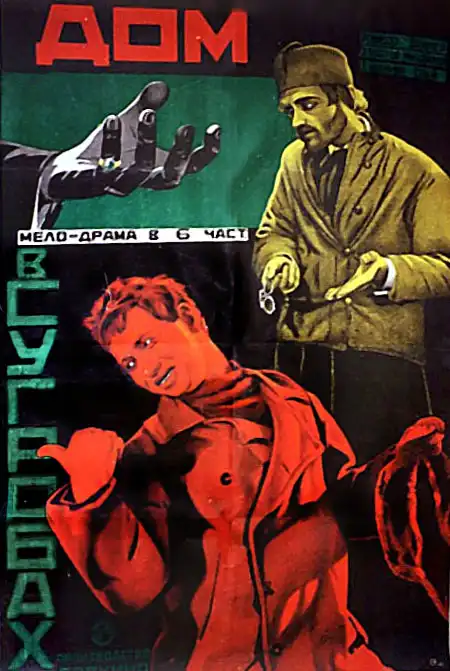
A definitive 6.5/10 rating for a film that redefined the boundaries of cult cinema. Dom v sugrobakh remains a cornerstone of transgressive art.
Look, if you're not already into 1920s Soviet cinema, or silent films generally, then 'Dom v sugrobakh' is probably going to be a tough sell. This isn't a casual Sunday afternoon watch. But for anyone with a real curiosity about that specific era – the way people lived, or how early filmmakers tried to capture the chaos of the Russian Civil War without a word spoken – there are absolutely moments here that stick. You'll either find it strangely compelling or a bit of a slog, depending on your patience and what you're hoping for.
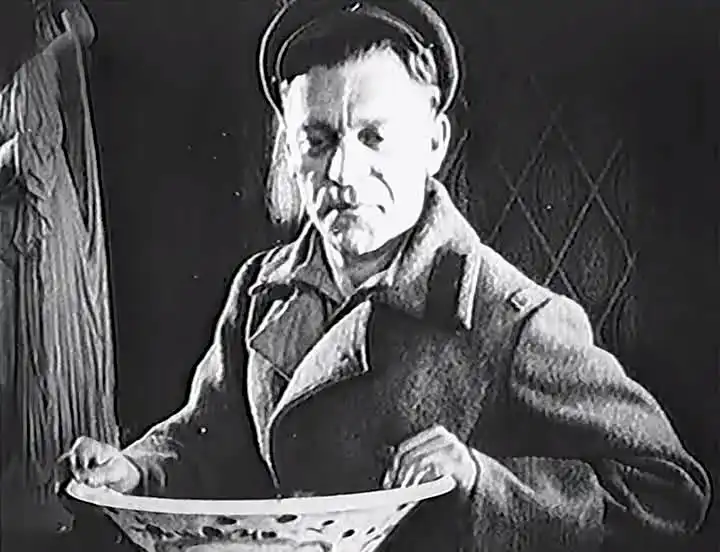
The film, directed by Fridrikh Ermler and Eduard Ioganson, feels less like a grand narrative and more like a series of vignettes, often just glimpses into these lives. You get the sense of a camera wandering through the building, pausing here and there. It’s set in a Saint-Petersburg gripped by the Civil War, and that sense of cold, hunger, and general uncertainty permeates everything. The title, 'House in the Snowdrifts,' really isn't kidding; the exteriors are bleak, and even inside, you feel the chill.
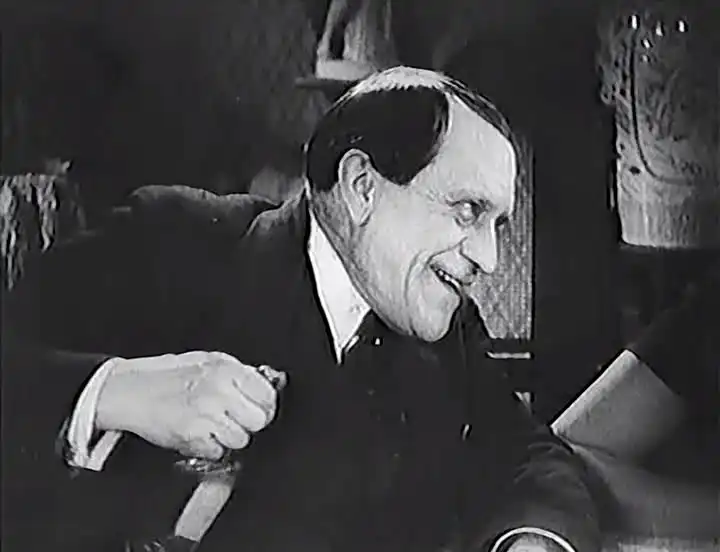
There’s a scene early on, a group of residents gathered, trying to figure out what to do about something. The specifics of their conversation are lost to time and the brevity of the intertitles, but the exasperation on their faces, the way they gesture with their hands – it’s universal. It’s the kind of frustrated community meeting we’ve all sat through, just without the sound. One woman keeps trying to interject, her face a mask of anxious worry, and she just gets talked over. It’s a small detail, but it feels very real.
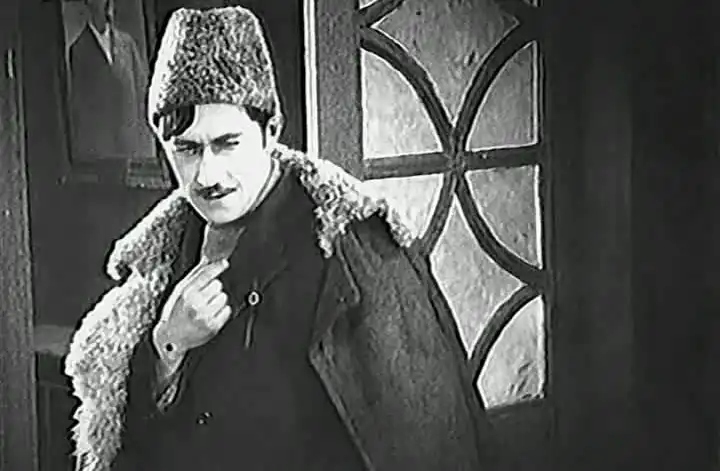
Pacing is... deliberate. There are long stretches where not a lot happens, or at least not a lot that feels immediately critical to a 'plot' in the modern sense. Sometimes it’s just someone staring out a window, or a group huddling around a tiny stove. And honestly, sometimes these moments work. They build this suffocating atmosphere of waiting. Other times, though, you just want them to get on with it. There’s a particular sequence involving a character trying to barter some belongings that just keeps going, shot after shot of him looking worried, then determined, then worried again. It’s almost comical in its repetition.
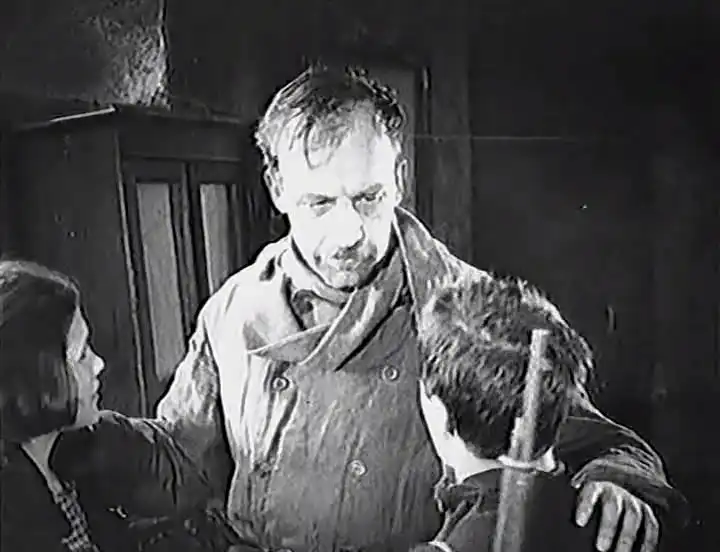
The acting, as you’d expect from silent cinema, is often broad. But there are a few performances that cut through. Fyodor Nikitin, playing one of the more morally ambiguous residents, has this unnerving stillness. His eyes do a lot of the work. You don't quite trust him, and that comes across without a single exaggerated gesture. Then you have other characters who are pure melodrama, wringing their hands, throwing themselves onto beds. The contrast can be jarring. One young woman, I think it's Galina Shaposhnikova, has this perpetual wide-eyed fear that starts to feel a little one-note after a while, even if it fits the circumstances.
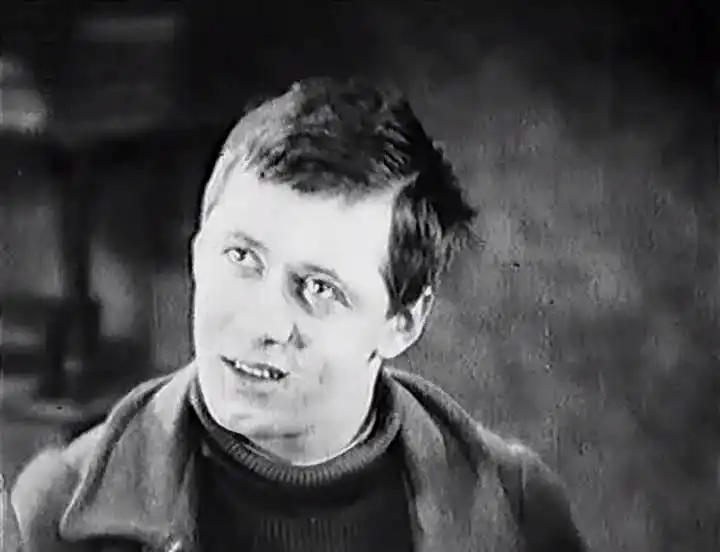
What really struck me was the visual storytelling of scarcity. The way food is handled, for instance. A single loaf of bread becomes this precious, almost sacred object. There’s a shot of a family sharing a meager meal, and the camera just holds on their faces as they chew slowly, savoring every bite. It’s not about grand statements, just the gnawing reality of hunger. You see the worn clothes, the sparse furniture. The film doesn't need to tell you they're poor; it shows you in every frame.
There's a subtle but effective use of light and shadow, too. Especially in the interior shots. The dimness, the flickering of a lamp – it enhances the claustrophobia of their situation. You rarely see bright, open spaces. It’s all very contained, very much in the house, in the snowdrifts. The one time a character steps outside into a truly open, snowy landscape, it feels less like freedom and more like even greater desolation.
Some of the editing feels a little rough around the edges. There are jump cuts that feel unintentional, or maybe just a hasty decision in the cutting room. And a few scenes just end abruptly, leaving you hanging a bit. It adds to that 'found footage' or documentary-like feel, I suppose, but also sometimes just feels a bit clunky. Like they ran out of film, or an idea, right at that moment.
The film doesn't offer easy answers or clear heroes and villains. It’s more about the collective struggle. You see moments of selfishness and moments of surprising compassion. There’s a subplot involving a professor and his daughter trying to survive, and another with a more opportunistic character trying to profit from the chaos. These threads weave together loosely. It’s not tightly plotted; it’s more about the mood and the experience of living through that time. It's less about the 'what happens' and more about the 'how it feels'.
One scene, a child playing with a makeshift toy in a stark room, really resonated. It’s a tiny, almost throwaway shot, but it speaks volumes about resilience and the persistence of life even in dire circumstances. Then it cuts back to adults arguing about rations, and the contrast is sharp. It’s those small, human touches that elevate it beyond just a historical document.
Is it a masterpiece? Probably not in the conventional sense. It's got its flaws, its slow points, and its moments of over-the-top acting. But it's also got this raw, unvarnished quality that makes it compelling. If you're willing to meet it on its own terms, to lean into the quiet and the starkness, then 'Dom v sugrobakh' offers a unique, if chilly, window into a very specific historical moment. It’s not entertaining in the blockbuster way, but it is deeply observant, and sometimes, that’s exactly what you need.
IMDb —
1917
Community
Log in to comment.