DbcultAccessing Vault...
Cult Review
Senior Film Conservator
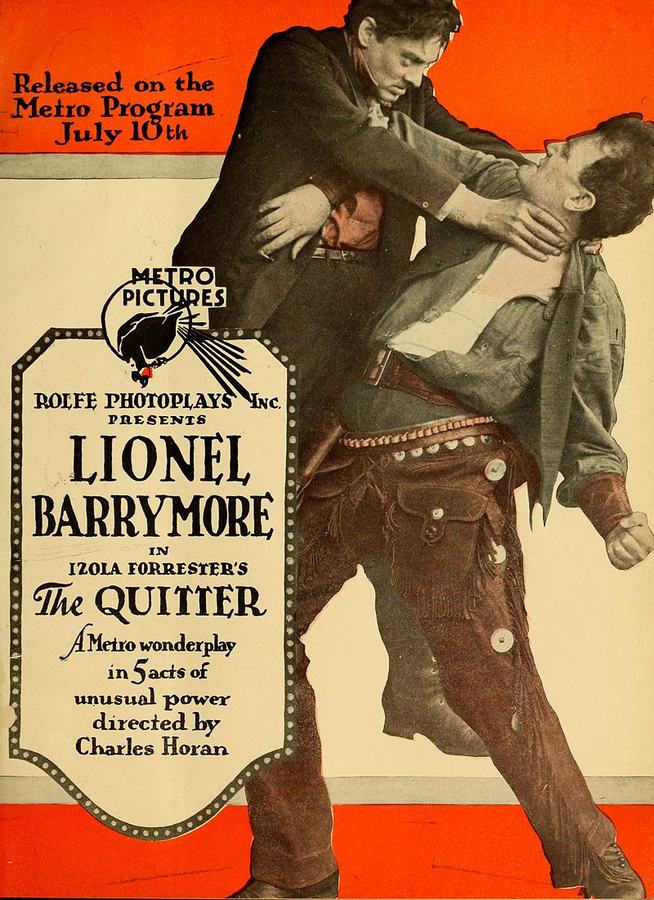
Ah, the siren call of the frontier! It promised riches, freedom, and perhaps, for the lonely prospector, a new beginning. But as 'The Quitter' so vividly illustrates, it also harbored ample opportunity for misunderstanding, manipulation, and the kind of dramatic twists that only early cinema could deliver with such unbridled enthusiasm. This isn't merely a film; it's a delightful time capsule, a narrative tapestry woven with threads of longing, chicanery, and ultimately, serendipitous fortune. From the moment the curtain rises on the desolate yet spirited Paradise Gulch, we're plunged into a world where masculine camaraderie, born of isolation, breeds truly peculiar solutions to existential ennui.
The film commences with a rather ingenious premise: a collective of gold miners, weary of their solitary existence, convene at Seth Moore's 'Three Cheers' saloon. Their shared lament? The conspicuous absence of women. This isn't a subtle yearning; it's a pronounced societal deficiency they feel compelled to rectify. And, in a stroke of narrative convenience that is both humorous and indicative of the era's storytelling conventions, they decide one of them must marry. Their chosen sacrificial lamb? 'Happy Jack' Lewis, conveniently absent from the raucous deliberation. It's a decision born of collective desperation, yet executed with an almost childlike capriciousness. This initial setup immediately establishes a tone that fluctuates between comedic absurdity and poignant commentary on the human need for companionship, even if obtained through coercion.
Lewis, reluctantly roped into this matrimonial scheme, is forced to draft an advertisement for a wife, stipulating the rather specific requirements of blonde hair and undeniable beauty. This act, seemingly a simple plot device, sets in motion a chain of events that will define the rest of the narrative. It's a testament to the film's ability to imbue even mundane actions with significant future repercussions. In a parallel narrative thread, we meet Glad Mason, portrayed with a delicate strength by Marguerite Skirvin. Glad is toiling in the office of mining promoters Willet and Condon in Gold City, a woman of circumstances, forced to fend for herself since her father's untimely death. Her predicament is acutely dire; Willet's unwanted advances have become insufferable, pushing her to the brink of desperation. The advertisement from Paradise Gulch, initially a curiosity, transforms into a lifeline, a desperate gamble for escape and a fresh start. This juxtaposition of Lewis's coerced quest and Glad's desperate flight from oppression provides a compelling emotional core to the early acts of the film, reminding one of the emotional depth seen in character-driven dramas like The Wild Olive, where protagonists often find themselves at the mercy of circumstances beyond their control, seeking escape or salvation.
When Glad's photograph arrives, a beacon of beauty amidst a sea of less appealing prospects, Lewis is ecstatic. His initial joy, however, is quickly dampened by the cynical bartender, Ben, who suggests the picture is likely a ruse, a cruel joke perpetrated by an 'old hag.' This moment of doubt, a fleeting whisper of insecurity, precipitates Lewis’s first grand, misguided gesture. Believing he is sparing Glad the disappointment of an unsuitable match, and in a remarkably selfless (if utterly foolish) act, he deeds his house and mine to her. This pre-emptive act of compensation, born of a perceived failure, is a masterstroke of dramatic irony, setting the stage for virtually all the subsequent complications. It's a decision so impulsive, so driven by a flawed perception of honor, that it immediately endears Lewis to the audience, even as we foresee the impending chaos.
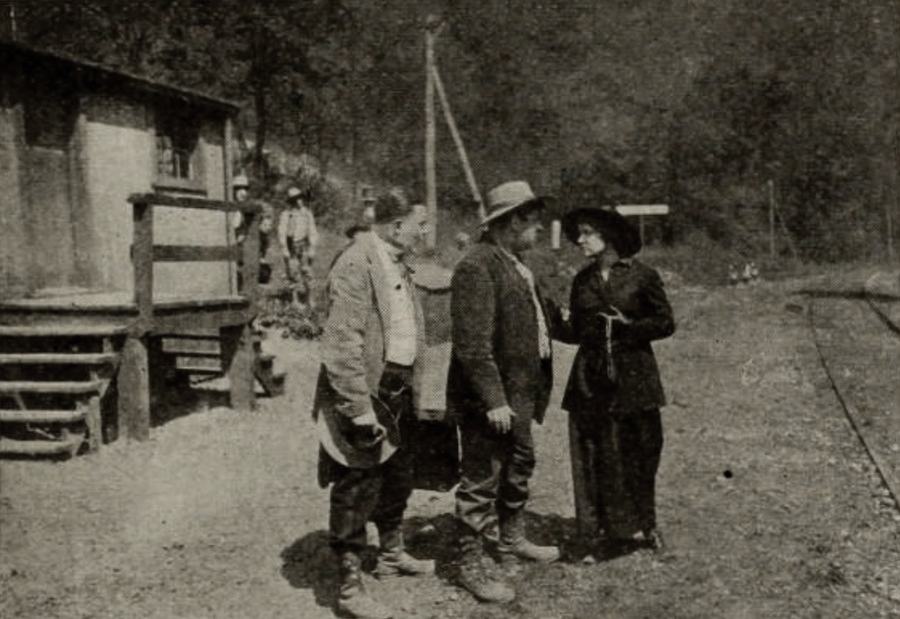
The actual meeting of Lewis and Glad at the train junction is a moment ripe with both relief and immediate peril. Lewis beholds Glad, confirming her stunning beauty, only to be ambushed by a miner with whom he had previously quarreled. A swift knockout blow, and Lewis is unceremoniously placed on a train heading in the opposite direction, a cruel twist of fate engineered by human malice rather than cosmic design. This scene is pivotal, effectively isolating Lewis from his intended and allowing the film to explore themes of betrayal and miscommunication. Glad arrives in Paradise Gulch, expecting her future husband, only to be met by a chorus of competing suitors – the very miners who orchestrated Lewis's predicament – each attempting to win her affections by slandering Lewis as a 'quitter.' This calculated deception highlights the morally ambiguous landscape of the frontier, where self-interest often trumps loyalty and truth, echoing the complex moral quandaries found in films like The Traitress, where characters navigate treacherous social terrain.
Lewis's subsequent journey is a series of escalating misfortunes. Jumping off the train at a small station, he is immediately arrested as a suspicious character. His plea for identification to his 'friends' back in Paradise Gulch is met with a devastating reply: they denounce him as a cardsharp and a crook. This act of blatant betrayal by his supposed comrades is a bitter pill, showcasing the fragility of trust in a cutthroat environment. Lewis, resourceful despite his predicament, escapes and encounters Willet, Glad's former tormentor, now a shrewd opportunist. Willet, having learned from 'Sid,' the assayer, that Lewis's mine holds immense value, offers to buy it. Lewis, having forgotten his earlier, rash transfer of the property to Glad, accepts the money. This lapse in memory, while convenient for the plot, underscores Lewis's somewhat naive and impulsive nature, a charming flaw that drives much of the film's comedic and dramatic tension.
However, Lewis's brief moment of financial solvency is short-lived. Robbers relieve him of his cash, leaving him penniless as he finally stumbles back into Paradise Gulch. The irony is palpable: he returns to the very place where he was first chosen for marriage, only to find himself stripped of everything, including his good name. Meanwhile, Willet, eager to claim his supposedly valuable acquisition, arrives to take possession of the mine. He finds Glad in situ, the rightful owner by Lewis's earlier deed. The confrontation is inevitable, culminating in Lewis's arrest for obtaining money under false pretenses – a charge made all the more painful by the fact that his initial, selfless act is now weaponized against him. The legal entanglement, a common trope in early narratives, adds a layer of genuine peril, somewhat reminiscent of the intricate legal battles or social traps depicted in The Man Who Beat Dan Dolan, where protagonists must often outwit their adversaries within the confines of the law or societal expectations.
Glad, faced with the agonizing choice between her freedom and Lewis's, makes a profound sacrifice. Despite Lewis's heartfelt pleas, she agrees to turn over her claim to Willet and Condon in exchange for his liberty. It's a moment of selfless love, demonstrating her burgeoning affection and unwavering loyalty, even in the face of apparent deception. This act of relinquishment, however, is not the end of their story, but merely a precursor to the grand revelation. The unassuming 'Sid,' the assayer, emerges as the unlikely deus ex machina. His hushed confession to Glad dispels the clouds of misunderstanding and deceit: he had made a critical mistake. The incredibly valuable ore sample he had attributed to Lewis's mine actually belonged to Glad's own father, who had brought it in for assay the day before his death. This twist, a classic cinematic 'aha!' moment, recontextualizes everything that has come before, turning apparent loss into unexpected gain. It's a narrative device that often elevates such films, where hidden truths or mistaken identities form the crux of the resolution, much like the intricate reveal in The Mystery of the Rocks of Kador.
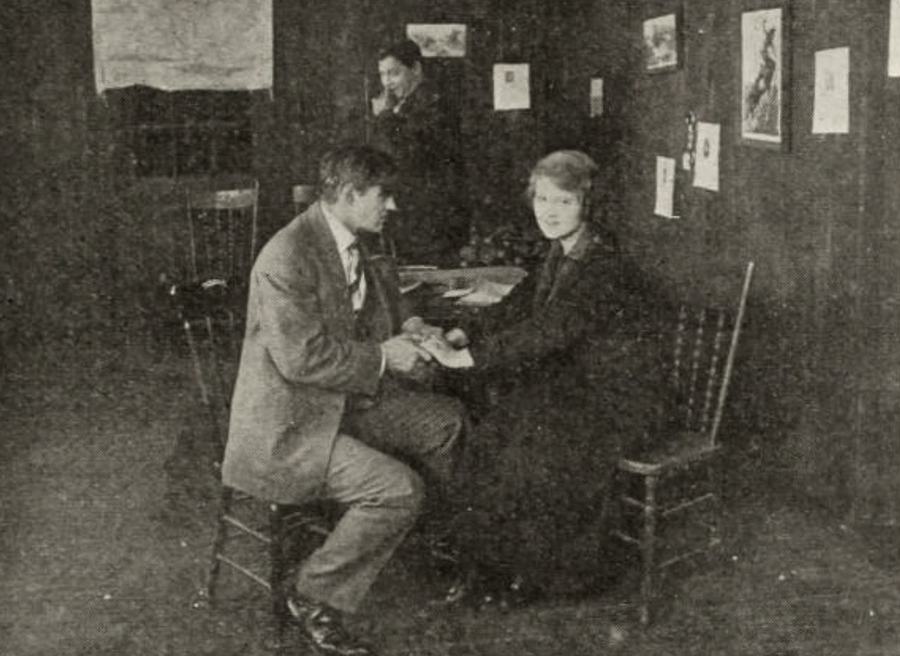
The conclusion of 'The Quitter' is deeply satisfying, a testament to the enduring power of narrative justice. Glad and Happy Jack have indeed lost control of Lewis's original, ultimately worthless mine. But in its place, they gain something far more precious: the magnificent Mason property, a legacy from Glad's father, rich beyond their wildest dreams. They begin their life together, not as proprietors of a contested, barren claim, but as owners of a veritable gold mine, their union solidified by shared adversity and a stroke of providential fortune. Charles Prince, as Happy Jack, brings a delightful blend of earnestness and comedic timing to his role, making his character’s misfortunes genuinely sympathetic. Lionel Barrymore, though perhaps in a more understated capacity here, undoubtedly lends his characteristic gravitas to the ensemble, enhancing the film’s dramatic weight. Marguerite Skirvin’s portrayal of Glad is particularly noteworthy, capturing both her vulnerability and her indomitable spirit, making her journey of survival and eventual triumph deeply resonant.
From a critical perspective, 'The Quitter' offers more than just a simplistic romance. It’s a compelling exploration of human nature under pressure, showcasing how desperation can lead to both folly and unexpected resilience. The narrative masterfully juggles elements of frontier drama, romantic comedy, and even a touch of legal thriller, all within the confines of its relatively brief runtime. The film's strength lies in its ability to create genuine empathy for its protagonists, even as they stumble through a series of increasingly improbable events. The portrayal of the mining community, with its rough-and-tumble ethics and peculiar social dynamics, feels authentic, offering a glimpse into a bygone era. The film’s pacing is brisk, propelling the audience through its various twists and turns with an engaging energy that prevents any single misfortune from lingering too long or becoming overly depressing. It is a narrative that understands the value of momentum, building anticipation with each new complication and resolving them with satisfying clarity.
The thematic undercurrents are also worth noting. The film subtly critiques the superficiality of appearances, as Lewis initially judges potential wives by photographs and later dismisses Glad's picture based on Ben's cynical remarks. It champions perseverance, as both Glad and Lewis face numerous setbacks but ultimately prevail. Most importantly, it celebrates the power of true love and loyalty, which, despite all the deceptions and betrayals, ultimately triumphs over avarice and self-interest. The final revelation about the mine's true ownership serves as a powerful metaphor: true wealth often lies hidden, not in what one initially seeks or believes to possess, but in unexpected legacies and the inherent value of character. Much like a finely crafted fable, 'The Quitter' delivers its moral lessons wrapped in an entertaining package, leaving the viewer with a sense of warmth and satisfaction.
In conclusion, 'The Quitter' is far from being a mere relic of its time. It is a vibrant, engaging piece of cinematic history that holds up remarkably well, offering a delightful blend of drama, romance, and unexpected humor. Its characters are memorable, its plot intricate without being convoluted, and its resolution deeply gratifying. For anyone with an appreciation for early cinema or a fondness for tales of frontier spirit and the triumph of good intentions over malevolence, this film is an absolute treat. It reminds us that even in the most barren of landscapes, and amidst the most bewildering of circumstances, the seeds of love and fortune can, with a little help from fate, blossom into something truly magnificent. It’s a film that quietly asserts that true worth is often found not in the initial scramble for perceived riches, but in the enduring spirit of individuals and the unexpected turns of destiny. A definite recommendation for those seeking a charming, historically rich cinematic experience.
"The Quitter" - A testament to unexpected riches and enduring love.
Directed by Izola Forrester, featuring Charles Prince, Paul Everton, and Lionel Barrymore.
IMDb —
1922
Community
Log in to comment.