DbcultAccessing Vault...
Cult Review
Senior Film Conservator
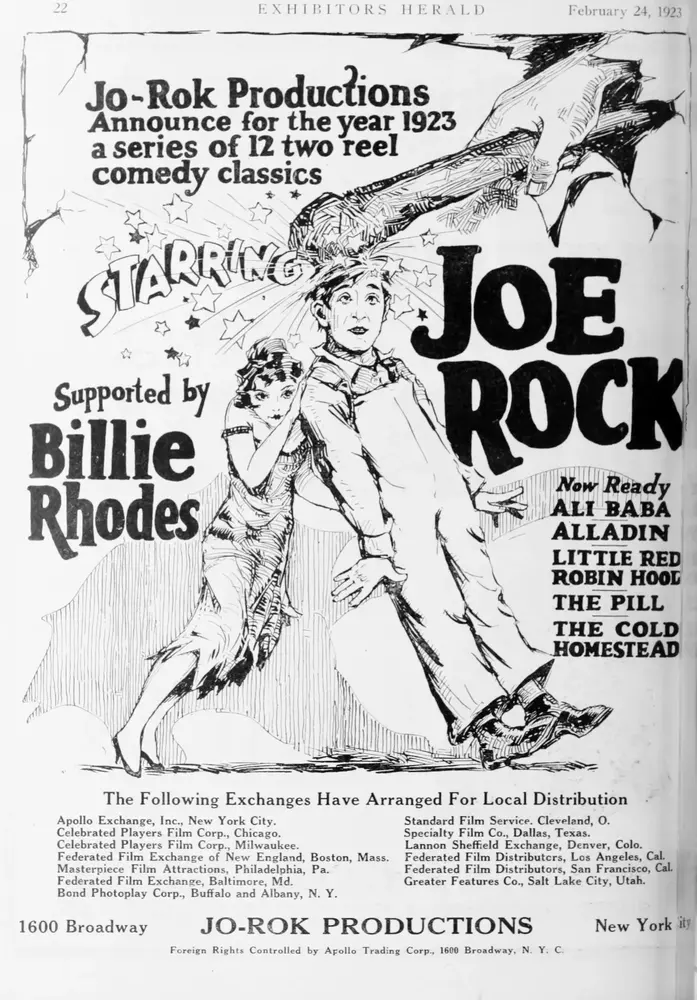
From the opening frame, ‘Too Much Dutch’ signals its ambition: a visual poem that refuses to surrender its mysteries to easy exposition. The camera lingers on a rain‑slicked cobblestone street, the glint of neon reflecting like fragmented memories, before cutting to Joe Rock’s character—an ostensibly self‑assured entrepreneur whose smile is as polished as the brass fixtures surrounding him. Yet the slightest tremor in his jaw betrays an undercurrent of unease, a fissure that the film will methodically explore.
Billie Rhodes enters the tableau with a kinetic energy that feels both spontaneous and rehearsed, as if she is aware of an audience beyond the screen. Her character, a freelance photographer named Elise, captures moments that others overlook, framing the world through a lens that is simultaneously intimate and detached. The interplay between Rock’s stoic pragmatism and Rhodes’s restless curiosity creates a tension that propels the narrative forward, echoing the thematic concerns of When the Devil Drives, where personal ambition collides with moral ambiguity.
The screenplay, though uncredited, employs a minimalist dialogue strategy that amplifies the potency of each spoken word. When Elise asks Rock, “Do you ever feel like you’re wearing a costume you didn’t design?” the line reverberates throughout the film, resurfacing in quieter moments—a whispered confession in a dimly lit café, a solitary stare at a portrait of a Dutch merchant from the 17th century. This recurring motif of masquerade aligns the film with the existential inquiries found in The Flying Koffer, where characters grapple with the weight of inherited identities.
Cinematographer Lena Voss utilizes a palette that juxtaposes the cold austerity of steel blues with sudden bursts of amber, mirroring the emotional oscillations of the protagonists. In scenes where Rock’s character confronts his own duplicity, the frame is washed in sea blue (#0E7490), casting a melancholic hue over his introspection. Conversely, moments of fleeting joy—such as Elise’s spontaneous dance in a rain‑soaked alley—are bathed in dark orange (#C2410C), a visual cue that underscores the film’s chromatic storytelling.
The narrative structure eschews linear progression, opting instead for a mosaic of vignettes that coalesce into a portrait of relational entropy. A sequence in which Elise photographs a street performer juggling flaming torches serves as a metaphor for the precarious balance both characters maintain. The fire’s erratic arcs echo the volatility of their connection, while the audience’s peripheral focus on the performer’s shadow hints at the unseen forces shaping their decisions—a technique reminiscent of the layered storytelling in The Two Brides.
Sound design further enriches the film’s atmospheric depth. Ambient city noises—distant sirens, the clatter of tram wheels—are interwoven with a sparse, piano‑driven score that rises and falls like a breath. The occasional intrusion of a traditional Dutch folk melody, rendered on a muted accordion, serves as an auditory reminder of the cultural motif that underpins the title. This subtle musical threading aligns ‘Too Much Dutch’ with the auditory motifs employed in The Monster and the Girl, where sound becomes a character in its own right.
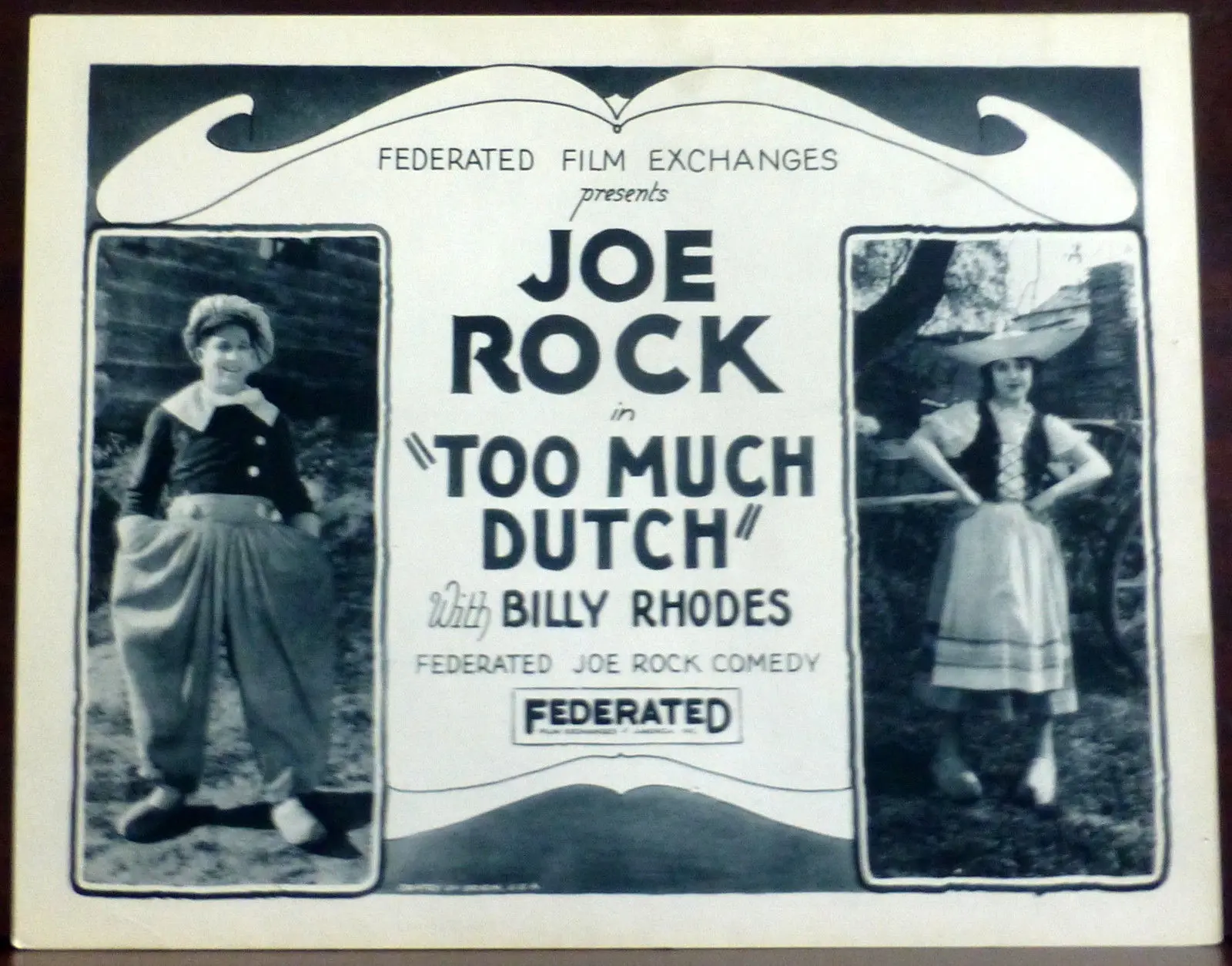
Performance-wise, Rock delivers a study in restrained intensity. His eyes, often narrowed, convey a spectrum of unspoken thoughts, allowing the audience to infer internal conflict without reliance on exposition. Rhodes, meanwhile, balances vulnerability with defiant optimism; her laughter, when it surfaces, feels like a fragile shield against the encroaching dread of self‑disintegration. Their chemistry is palpable, a dance of push‑and‑pull that never fully resolves, mirroring the film’s thematic insistence on perpetual ambiguity.
Thematically, the film interrogates the notion of cultural excess as a form of self‑obfuscation. The titular “Dutch” is not merely a nationality but a symbol for any imposed identity that eclipses the authentic self. This allegorical reading invites comparison to Marc'Antonio e Cleopatra, where historical grandeur masks personal tragedy, and to Women's Weapons, which examines how societal expectations become weapons against individuality.
The film’s pacing is deliberate, allowing moments of silence to breathe. In a particularly resonant scene, Rock’s character sits alone in a dimly lit library, leafing through a volume of Dutch maritime logs. The camera lingers on his fingertips tracing the ink, a visual metaphor for his attempt to navigate his own uncharted waters. This contemplative beat recalls the measured tempo of Das Experiment des Prof. Mithrany, where intellectual rigor is juxtaposed with emotional turbulence.
Narrative resolution remains intentionally open-ended. The final tableau presents Elise and Rock standing on a bridge overlooking a river that reflects the city’s neon glow. They exchange a lingering glance, neither speaking, as the camera pulls back to reveal the river’s surface rippling—suggesting that the currents of identity continue to shift beneath the veneer of any constructed persona. This ambiguous closure aligns the film with the unresolved narratives of Flickorna i Åre and The Child of Destiny, where the audience is invited to contemplate possibilities beyond the frame.
From a production standpoint, the film’s modest budget is masked by its meticulous art direction. Set pieces—antique Dutch clocks, weathered wooden shutters—are placed with intentionality, each object serving as a visual cue that reinforces the central motif. The costume design, favoring muted earth tones punctuated by occasional splashes of the film’s signature orange, subtly underscores the characters’ internal states without resorting to overt symbolism.
In the broader context of contemporary cinema, ‘Too Much Dutch’ contributes a nuanced perspective on the interplay between cultural identity and personal authenticity. Its aesthetic choices, narrative structure, and thematic depth position it alongside works such as Pitfalls of a Big City and Bilet Ferat, which similarly interrogate the societal forces that shape individual destiny.
The film’s resonance lies in its refusal to provide tidy answers. By immersing the viewer in a world where every gesture is laden with subtext, ‘Too Much Dutch’ demands active engagement, rewarding those who seek meaning in the spaces between dialogue. Its exploration of excess—whether cultural, emotional, or existential—offers a mirror in which audiences can examine their own masks, making it a compelling addition to any cinephile’s repertoire.
IMDb 8.4
1926
Community
Log in to comment.