DbcultAccessing Vault...
Cult Review
Senior Film Conservator
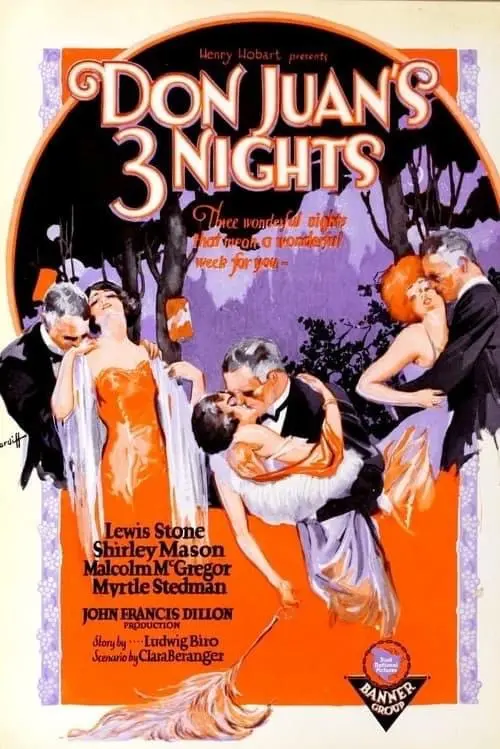
Is Don Juan's 3 Nights worth watching today? Short answer: yes, but with significant caveats. This 1926 silent drama offers a fascinating, if sometimes frustrating, glimpse into early cinematic morality and the complex character studies that defined the era, making it a compelling watch for those with an appreciation for historical context and the nuances of silent film acting.
This film is best suited for cinephiles, historians of early cinema, and viewers interested in the evolution of storytelling and character portrayal before the advent of sound. It is not for those seeking fast-paced plots, modern sensibilities regarding consent and age, or a straightforward romance. Its pacing demands patience, and its thematic undertones can be unsettling.
In Don Juan's 3 Nights, director John Francis Dillon, working from a script by Gerald C. Duffy, Lajos Biró, and Clara Beranger, attempts to dissect the notorious Don Juan archetype through the character of Johann Aridi. This is not the swashbuckling hero of legend, but a more cynical, weary figure whose conquests have become less about passion and more about habit. The film, set against the backdrop of an affluent, morally ambiguous society, delves into themes of manipulation, youthful infatuation, and the unexpected consequences of a life built on superficial charm.
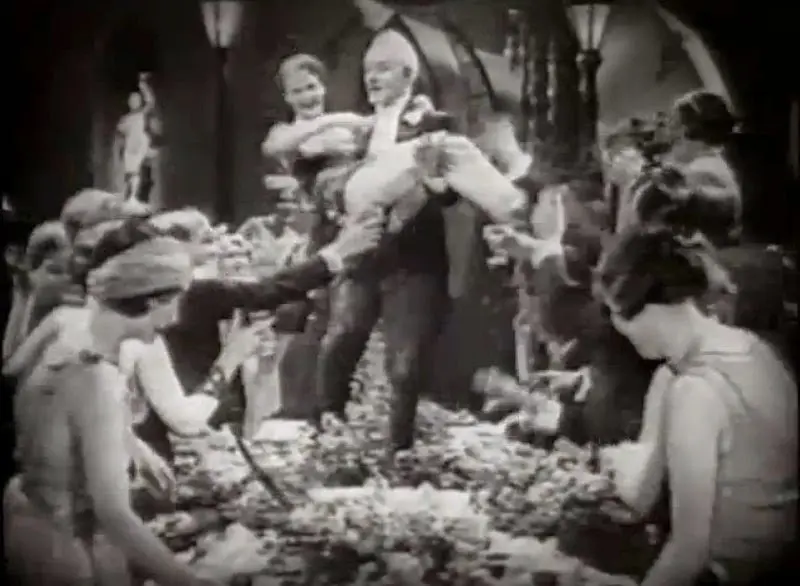
The narrative, while seemingly simple on the surface, unravels a surprisingly intricate psychological drama. Aridi, portrayed with a weary elegance by Lewis Stone, is a man whose self-perception as an untouchable seducer is challenged when faced with the innocent, yet tenacious, affections of sixteen-year-old Ninette Cavallar. This unexpected moral quandary forms the backbone of the film, elevating it beyond a mere tale of seduction and into a more complex exploration of a man confronted by his own decaying principles.
This film works because it attempts to add layers to a stock character, forcing its protagonist to confront a moral line he hadn't anticipated crossing. It fails because its resolution feels both rushed and morally ambiguous, leaving the audience to question the true redemption, if any, of its central figure. You should watch it if you are fascinated by the psychological complexities of silent film characters and the social commentary embedded in their narratives.
The strength of Don Juan's 3 Nights lies predominantly in its lead performances, particularly that of Lewis Stone as Johann Aridi. Stone, a veteran actor of the era, imbues Aridi with a nuanced weariness that speaks volumes without dialogue. His initial charm is palpable, yet beneath it, one senses a man growing tired of his own reputation. When he discovers Ninette's age, Stone’s subtle shift in demeanor—a flicker of discomfort in his eyes, a slight stiffening of his posture—conveys a moment of genuine moral reckoning.
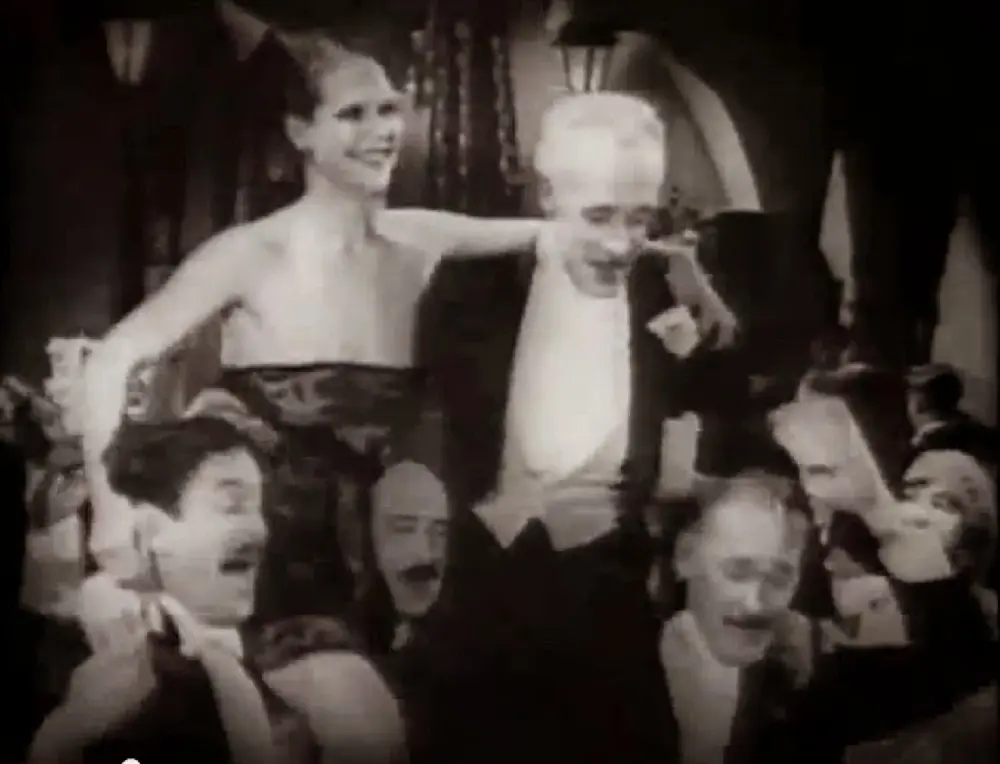
This is not the over-the-top gesticulation often associated with silent film acting. Instead, Stone delivers a masterclass in understated emotional conveyance, relying on facial expressions and body language to communicate Aridi’s internal conflict. His performance in the climactic party scene, where he feigns drunkenness to manipulate Ninette and Guilio, is particularly compelling. He navigates the line between believable inebriation and calculated performance, showcasing Aridi's cunning even as his plan unravels.
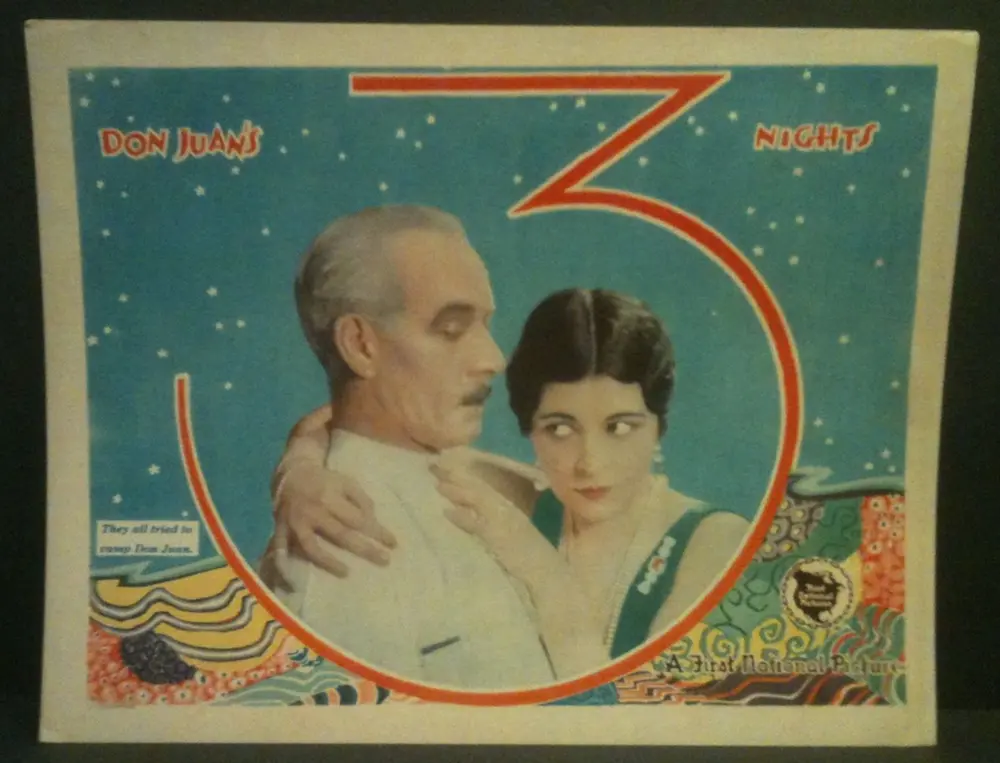
Shirley Mason as Ninette Cavallar, while perhaps less experienced than Stone, portrays the youthful infatuation with an earnest intensity that makes her character both sympathetic and somewhat alarming. Her wide-eyed devotion and unwavering pursuit of Aridi provide a stark contrast to his jaded worldview. One specific moment that stands out is her reaction to Aridi's initial rejection, a quiet devastation that speaks volumes about her naiveté and the depth of her misguided affections.
Malcolm McGregor as Guilio Roberti, the younger suitor, represents the film’s moral compass, albeit a reactive one. His portrayal is one of earnest devotion and youthful impetuousness. While his character is less developed than Aridi or Ninette, McGregor effectively conveys the protective instincts that drive him, particularly in the film's tense final act. His challenge to Aridi, though born of youthful pride, feels like a necessary counterpoint to Aridi's manipulative machinations.
John Francis Dillon's direction, while not groundbreaking, is competent and serves the narrative well. The film effectively uses visual storytelling, a hallmark of the silent era, to convey mood and character. There are moments of effective framing, particularly during the party sequence, where the chaotic revelry visually mirrors the moral disarray of the characters.

The pacing of Don Juan's 3 Nights is deliberate, a common characteristic of silent films, allowing for the full absorption of visual cues and intertitles. Modern audiences accustomed to rapid-fire editing might find it slow, but this measured pace allows the psychological tension to build gradually. The film takes its time to establish Aridi's character and his dilemma before plunging into the more dramatic events.
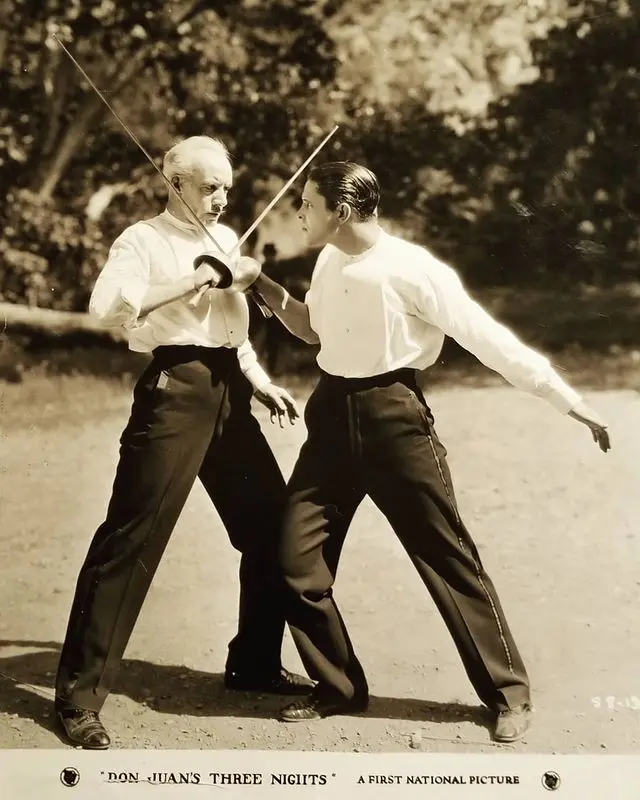
The tone shifts subtly throughout, from an initial air of sophisticated cynicism to one of increasing moral anxiety. There's an underlying melancholy to Aridi’s character that prevents the film from descending into pure melodrama. Even his most manipulative actions are tinged with a weary resignation, suggesting a man trapped by his own reputation and past choices. This subtle tonal complexity is one of the film's most surprising strengths.
One unconventional observation is how the film, despite its title and premise, seems to actively critique the Don Juan archetype rather than celebrate it. Aridi is not presented as an aspirational figure. Instead, he's a cautionary tale, his charm becoming a burden, his conquests leaving him hollow. The film doesn't glorify his actions; it exposes the emptiness beneath the bravado. This subversive take is quite progressive for a film of its era, challenging traditional romantic notions of the 'lover' figure.
Another interesting aspect is the portrayal of female agency, or lack thereof. While Ninette is headstrong in her affections, she remains largely a pawn in the men's games. Even her eventual 'choice' is a reaction to Aridi's manipulation. This highlights the societal constraints placed upon women in the 1920s, even in seemingly liberated settings. It’s a stark reminder of the social dynamics of the time, a theme perhaps explored with more overt critique in films like A Woman of Impulse.
Absolutely, but with specific expectations. Don Juan's 3 Nights is a valuable artifact of silent cinema, offering insights into early character-driven narratives and the acting styles that defined the era. It serves as an excellent example of how complex moral dilemmas were explored on screen before dialogue became the primary vehicle for exposition.
Its relevance today lies in its exploration of manipulation, obsession, and the consequences of moral compromise. While the specific social context is dated, the psychological underpinnings of its characters remain surprisingly resonant. It’s a film that sparks discussion, rather than simply entertaining, which is a rare quality for any production, let alone one nearly a century old.
For those who appreciate the artistry of silent film, the nuanced performances of actors like Lewis Stone, and a story that isn't afraid to delve into ethically grey areas, Don Juan's 3 Nights offers a rich and rewarding viewing experience. It's a testament to the enduring power of visual storytelling, even without the aid of spoken words. It works. But it’s flawed. Yet, its flaws are as instructive as its strengths.
Don Juan's 3 Nights stands as a compelling, if imperfect, testament to the silent era's capacity for nuanced storytelling. It's not a film that will appeal to everyone, but for those willing to engage with its historical context and deliberate pacing, it offers a rich and thought-provoking experience. Lewis Stone's performance alone makes it worth seeking out, providing a window into the complexities of human nature as understood nearly a century ago.
While its conclusion may leave some yearning for a more decisive moral reckoning, the journey itself is filled with enough psychological intrigue and subtle character work to warrant a recommendation. It’s a film that challenges its audience to look beyond the surface, much like Aridi is forced to look beyond his own superficial charm. A solid 7/10 for its historical significance and surprisingly deep character study.
IMDb 4.7
1935
Community
Log in to comment.