DbcultAccessing Vault...
6.2/10
Senior Film Conservator
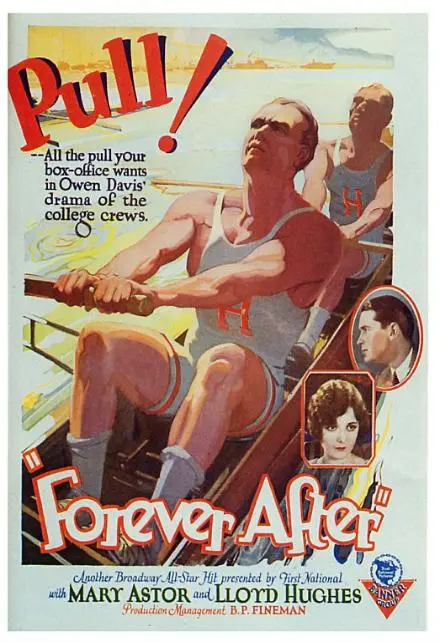
A definitive 6.2/10 rating for a film that redefined the boundaries of cult cinema. Forever After remains a cornerstone of transgressive art.
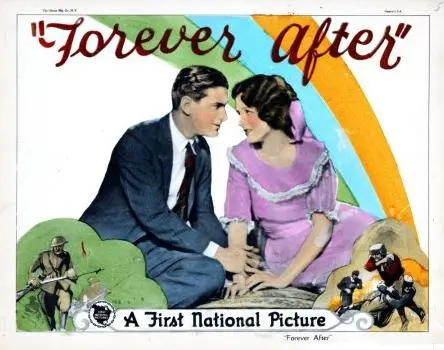
Short answer: Yes, but it requires a deep appreciation for early 20th-century dramas and a willingness to navigate its slow pacing and dated elements. Forever After is a compelling exploration of love, class, and sacrifice, set against the backdrop of early 1920s America. It is most suitable for film enthusiasts, history buffs, and those interested in classic American cinema.
For those seeking fast-paced thrillers or modern romances, this film may not be your cup of tea. However, if you are looking for a nuanced, character-driven drama with a rich period setting, Forever After is definitely worth your time.
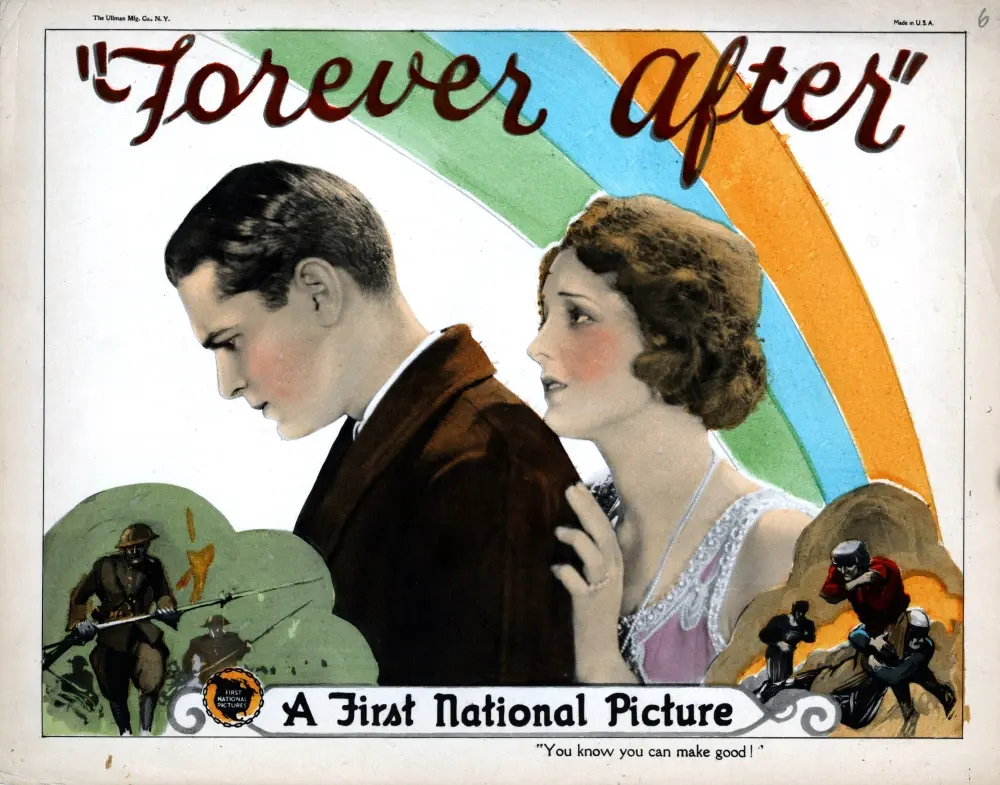
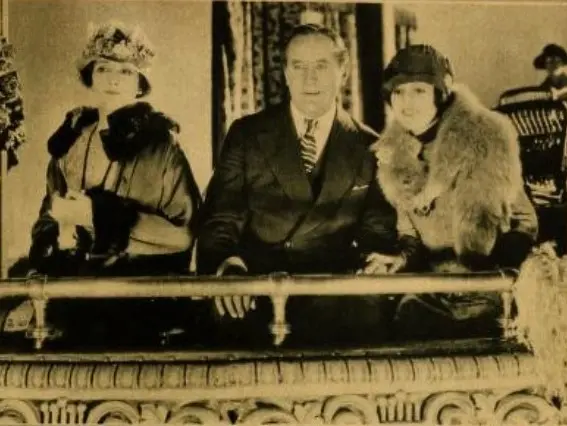
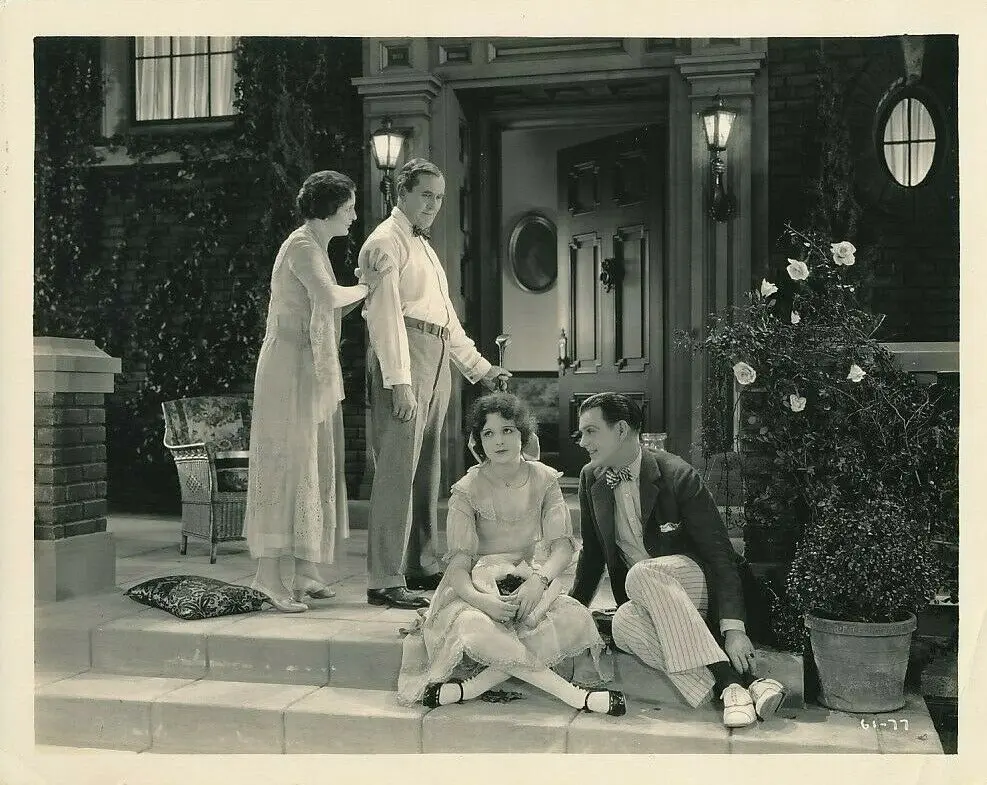
This film works because of its deeply nuanced portrayal of early 20th-century American society. The performances of Lloyd Hughes and Eulalie Jensen are particularly noteworthy, bringing depth and authenticity to their characters. The film's exploration of class divides and the sacrifices made for love provides a compelling commentary on the era, making it a valuable historical document as well as an engaging piece of storytelling.
The period setting is beautifully rendered, with attention to detail that transports the viewer to a bygone era. The cinematography, while not groundbreaking by modern standards, effectively captures the mood and atmosphere of the time. The pacing, however, can be slow, but this is intentional and serves the narrative's exploration of character development and societal dynamics.
This film fails because of its slow pacing and dated elements. The narrative unfolds at a leisurely pace, which may not appeal to modern audiences who prefer more immediate gratification. The emphasis on character development and societal commentary can sometimes feel heavy-handed, especially to viewers unfamiliar with the historical context.
Additionally, the film's reliance on its period setting and dialogue can be jarring for contemporary viewers. While the performances are strong, the language and cultural references may feel outdated, potentially alienating some audiences.
You should watch it if you are a fan of classic American cinema, particularly early 1920s dramas. The film's exploration of love, class, and sacrifice provides a rich and nuanced commentary on the era, making it a valuable historical document as well as an engaging work of storytelling.
It is also worth watching for its strong performances, particularly those of Lloyd Hughes and Eulalie Jensen, and its beautifully rendered period setting. If you enjoy character-driven dramas with a focus on societal dynamics, Forever After is a film that will reward your attention.

It works, but it’s flawed. The film's slow pace and dated elements may not appeal to modern audiences, but its exploration of early 20th-century American society and its nuanced performances make it a worthwhile watch for those interested in classic cinema.
Pros:
Cons:
Forever After is a compelling and nuanced exploration of early 20th-century American society, making it a valuable historical document and an engaging piece of storytelling. However, its slow pace and dated elements may not appeal to modern audiences seeking fast-paced thrillers or contemporary romances. If you are a fan of classic American cinema and appreciate character-driven dramas, Forever After is definitely worth your time.
Forever After is a film that rewards close attention and a deep appreciation for early 20th-century dramas. While it may not be for everyone, its strong performances, rich period setting, and compelling exploration of societal dynamics make it a worthwhile watch for those interested in classic American cinema.
IMDb —
1919
Community
Log in to comment.