DbcultAccessing Vault...
Cult Review
Senior Film Conservator
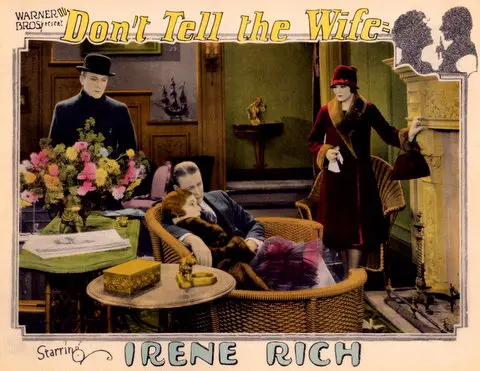
Is 'Don't Tell the Wife' worth watching today? Short answer: yes, but with significant caveats that speak to its era. This film is a fascinating peek into early Hollywood's comedic sensibilities, offering a blend of lighthearted misunderstandings and social commentary that will appeal to cinephiles and those curious about the evolution of the screwball genre. However, for a modern audience seeking relentless pace or complex character arcs, it might feel a touch dated.
This delightful romp is certainly for viewers who appreciate the charm of silent-era storytelling, the nuanced performances of its stars, and a narrative driven by social decorum and comedic tension. It is, unequivocally, not for those who demand constant action, overt anachronistic themes, or a plot that adheres strictly to contemporary moral standards without historical context.
Rex Taylor's 'Don't Tell the Wife' emerges from an era where marital secrets formed the bedrock of many a successful comedy, yet it manages to carve out its own distinct identity through a blend of sharp writing and surprisingly enduring performances. The film, while rooted in the conventions of its time, offers a compelling study of how domestic anxieties translate into public spectacle, a theme that, perhaps surprisingly, still resonates today.
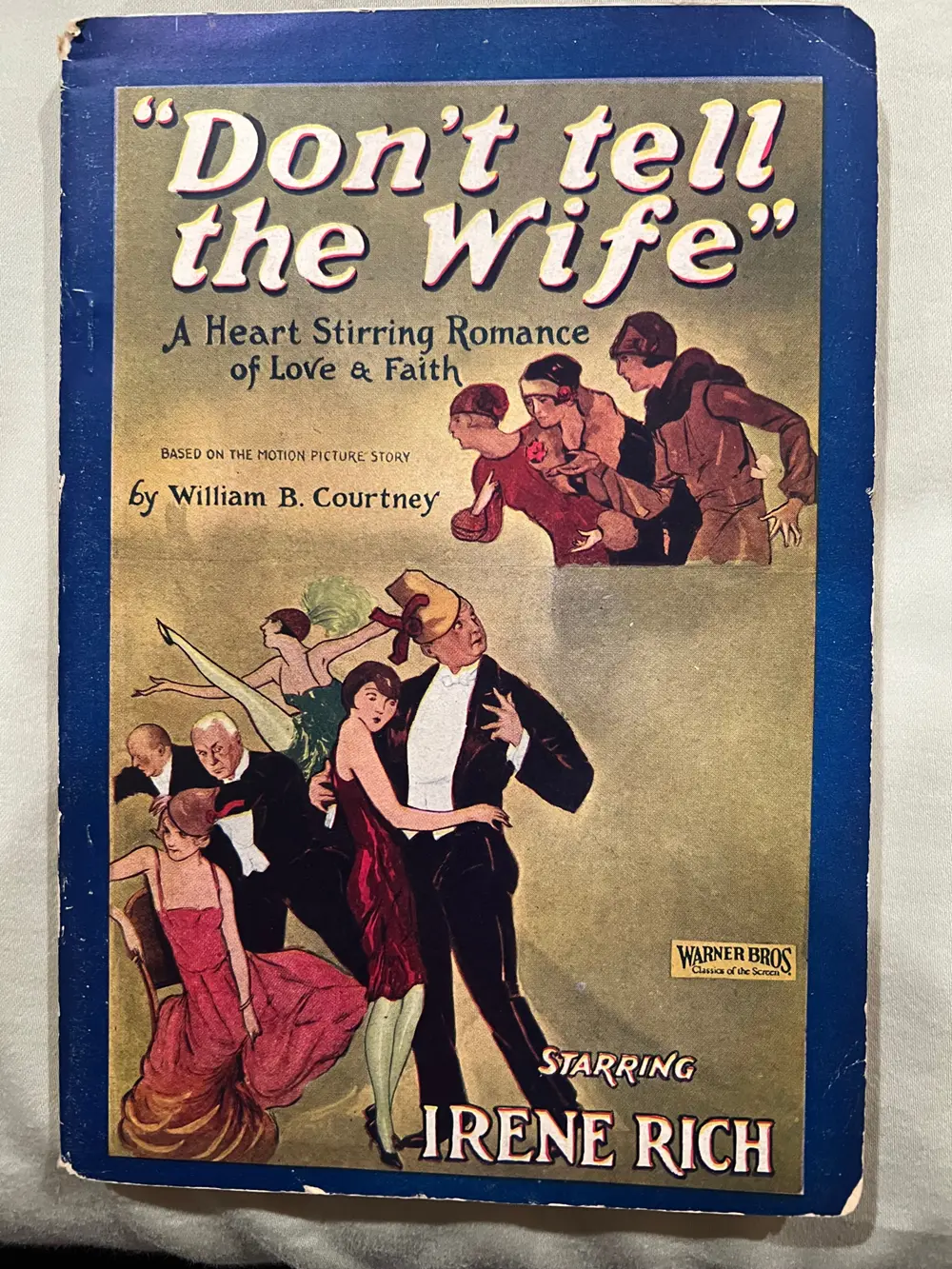
At its core, the narrative revolves around William Channing, portrayed with a delightful mix of earnestness and increasing panic by Huntley Gordon. His predicament, a secret investment meant to surprise his wife, Mary (Irene Rich), quickly snowballs into a series of escalating miscommunications. This simple premise becomes a vehicle for exploring the societal pressures of appearance versus reality, particularly within the confines of a seemingly perfect marriage.
Irene Rich, as Mary, provides a wonderfully understated performance. Her character is not merely a foil for William's antics but a woman of quiet dignity whose gradual awareness of her husband's subterfuge is handled with a delicate touch, avoiding the histrionics often associated with such roles in early cinema. Her portrayal lends the film a grounding emotional weight, preventing it from devolving into pure farce.
The film's comedic engine truly ignites with the introduction of Lilyan Tashman's Lucille Thorne. Tashman, with her signature vivacity, injects a much-needed dose of glamorous mischief. Her character's very presence, though innocent in intent, serves as a catalyst for William's spiraling paranoia and the societal gossip that threatens to undo him. It’s a performance that crackles with understated energy, reminding us why Tashman was such a magnetic screen presence.
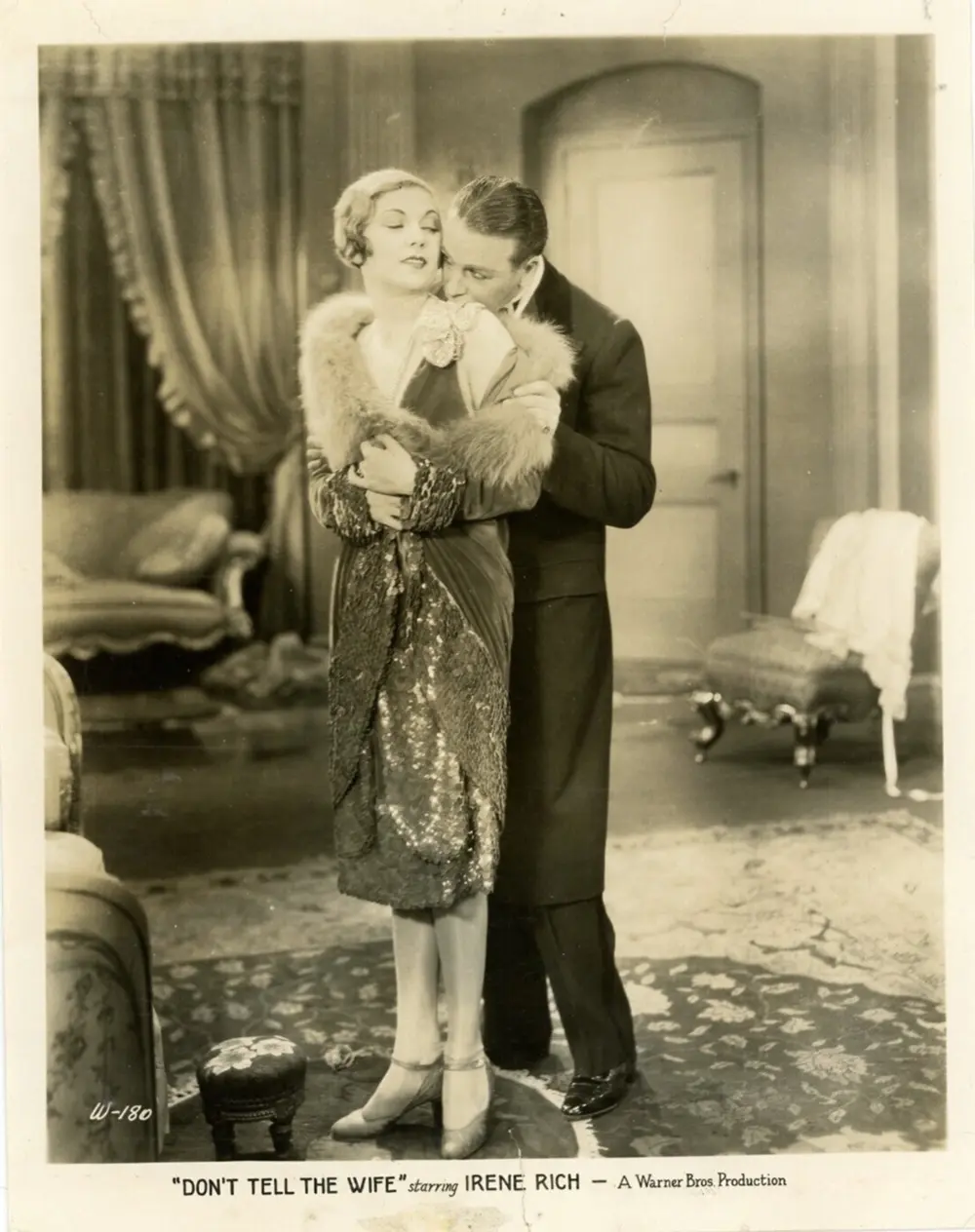
Absolutely, 'Don't Tell the Wife' holds a significant place for anyone interested in the evolution of cinematic comedy. While it lacks the rapid-fire dialogue of later screwball comedies or the intricate physical gags of Chaplin, its strength lies in its character-driven humor and its keen observation of social anxieties. It’s a historical artifact that still entertains.
For those who appreciate the subtle art of early film acting and the narrative structures that defined the era, this film is a rewarding experience. It provides a unique window into the social mores of the 1920s, particularly regarding marriage, reputation, and the delicate balance of public perception.
The performances in 'Don't Tell the Wife' are a testament to the era's acting prowess, where expressions and subtle gestures often had to convey more than dialogue ever could. Huntley Gordon, as William Channing, navigates the complexities of his character with admirable skill. He manages to evoke both sympathy and exasperation from the audience, making his character's increasingly desperate attempts to maintain his secret genuinely amusing. There's a particular scene where William attempts to discreetly hide a letter from his wife, his eyes darting frantically, his body language a symphony of barely contained panic. It’s a masterclass in physical comedy without resorting to overt slapstick.
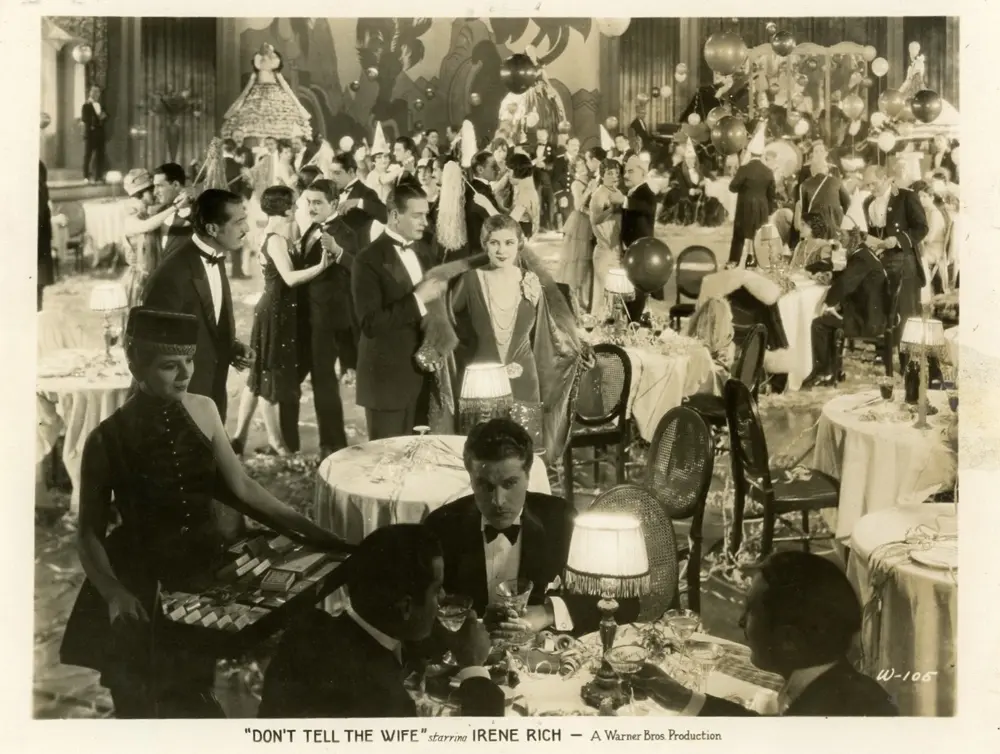
Irene Rich, often the grounding force, brings a quiet strength to Mary. Her reactions are not grand theatrical gestures but rather subtle shifts in expression, a raised eyebrow, or a knowing glance that speaks volumes about her inner world. Consider the moment she observes William's awkwardness during a dinner party; her gaze is not accusatory but rather one of mild curiosity, hinting at a deeper understanding that the audience, and William, are yet to fully grasp. This restraint is what makes her performance so compelling.
Lilyan Tashman, as Lucille Thorne, is the film's undeniable spark. Her character is not merely a plot device but a vibrant personality that challenges the conservative atmosphere of the Channing household. Tashman's ability to convey a playful, almost mischievous innocence, even when her actions inadvertently cause chaos, is remarkable. Her scenes with William often crackle with a delightful tension, as seen when she playfully teases him about a 'secret' she believes he's hiding, unaware of the true depth of his predicament. It’s a performance that truly stands out.
The direction, while not overtly flashy, is competent and serves the story well. Rex Taylor understands the rhythm of comedic tension, allowing scenes to build slowly, letting the audience anticipate the inevitable reveal or misunderstanding. The camera work is functional, focusing on character reactions and the mise-en-scène that often hints at the underlying marital discord. The use of close-ups during moments of William's internal panic effectively draws the audience into his increasingly frantic state of mind.
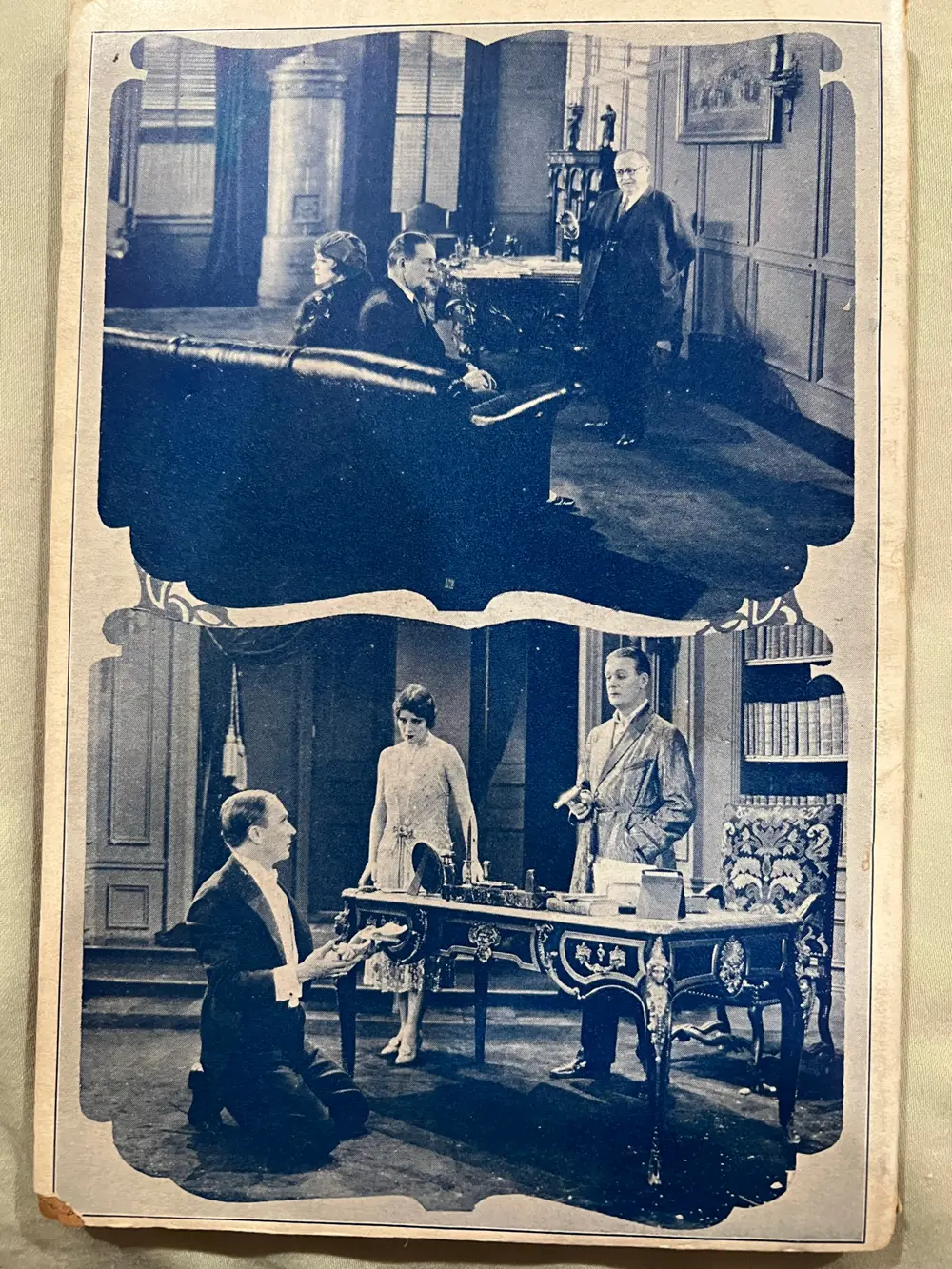
The cinematography of 'Don't Tell the Wife' is typical of its period, prioritizing clarity and functional storytelling over elaborate visual flourishes. However, within these constraints, there are moments of striking composition that highlight the film's themes. The opulent sets, particularly the Channing's elegant home, are beautifully captured, emphasizing the societal expectations and 'perfect' facade that William struggles to maintain. The visual contrast between the public spaces and the intimate, often strained, private moments is subtly effective.
Pacing is perhaps where modern viewers might find the film most challenging. It adheres to a more deliberate narrative rhythm, allowing scenes to unfold at a measured pace. This isn't a flaw, but rather a characteristic of early cinema, where the narrative builds through sustained character interaction and situational irony rather than rapid-fire cuts. The comedic beats are allowed to breathe, giving the audience time to appreciate the subtle humor in William's escalating predicaments.
The film's tone is a delicate balance of lighthearted comedy and underlying social commentary. It never descends into pure slapstick, maintaining a sophisticated air even during its most farcical moments. This blend ensures that while we laugh at William's misfortunes, we also understand the very real pressure he feels to uphold appearances. It’s a comedy with a genuine heart, unafraid to hint at the fragility of marital trust. This is a quality often overlooked in films of its vintage, which can sometimes be dismissed as mere historical curiosities.
Compared to a film like The Love Bug (1925), which might lean more heavily into broad physical comedy, 'Don't Tell the Wife' relies on a more nuanced approach, finding its humor in character foibles and social anxieties. This distinction is crucial to appreciating its unique charm.
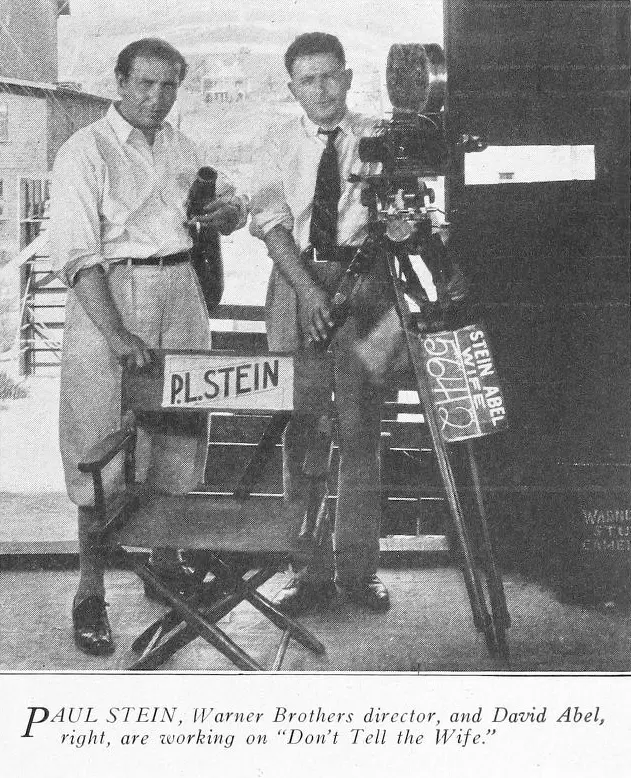
Beyond its comedic surface, 'Don't Tell the Wife' offers a surprisingly keen insight into the social dynamics of its era. The film subtly critiques the pressures on men to provide and maintain a certain lifestyle, often leading to desperate measures. It also touches upon the restrictive roles placed upon women, particularly the 'wife' figure, who is expected to remain oblivious to the darker machinations of the business world.
The film's exploration of gossip and reputation management is particularly relevant, even in today's hyper-connected world. The rapid spread of misinformation, the damage it can inflict on personal and professional lives, and the struggle to control one's narrative are themes that transcend time. William's frantic attempts to manage appearances could easily be translated to a modern context of social media scandals.
While the specific context of a secret investment might feel quaint, the underlying anxieties about trust, deception, and the performance of a perfect life remain potent. This is where the film finds its most enduring relevance, proving that human nature's complexities are not bound by the passage of decades. It works. But it's flawed.
Let's break down the strengths and weaknesses of 'Don't Tell the Wife' for a clearer picture.
'Don't Tell the Wife' is more than just a relic; it's a surprisingly engaging and insightful comedy that, despite its age, still has something to say about the human condition. While it demands a certain appreciation for the cinematic conventions of its time, the film rewards patient viewers with clever writing, strong performances, and a delightful sense of escalating comedic tension. It’s not a groundbreaking work that redefined cinema, but it is a thoroughly enjoyable example of its genre, demonstrating how universal themes of trust, deception, and societal pressure have always captivated audiences.
For those willing to step back in time and embrace its unique charm, 'Don't Tell the Wife' offers a delightful escape and a valuable lesson in early Hollywood's comedic craftsmanship. It’s a film that perhaps deserves more recognition than it currently receives, a charming whisper from a bygone era that still manages to elicit a knowing smile. Give it a chance; you might be pleasantly surprised by this unassuming gem.
IMDb —
1924
Community
Log in to comment.