DbcultAccessing Vault...
7.8/10
Senior Film Conservator
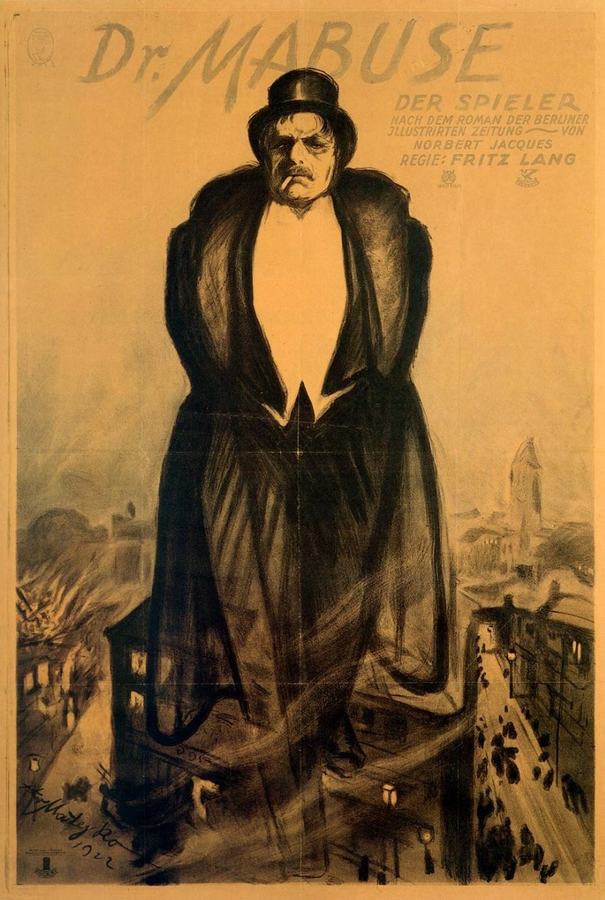
A definitive 7.8/10 rating for a film that redefined the boundaries of cult cinema. Dr. Mabuse, the Gambler remains a cornerstone of transgressive art.
In the pantheon of cinematic achievements, few films resonate with the seismic cultural and psychological shifts of their era quite like Fritz Lang's monumental 1922 epic, Dr. Mabuse, The Gambler. A sprawling two-part narrative, originally titled Dr. Mabuse, der Spieler, this silent masterpiece transcends its crime thriller premise to become a profound, if chilling, diagnosis of Weimar Germany's fractured soul. Lang, alongside his brilliant co-writer Thea von Harbou, adapted Norbert Jacques' novel with an audacious vision, crafting a film that is as much a psychological study of its titular villain as it is a panoramic critique of a society adrift.
From its opening frames, Lang plunges us into a world of moral ambiguity and rampant opportunism. The film's protagonist, the enigmatic Dr. Mabuse (a mesmerizing Rudolf Klein-Rogge), is no mere criminal; he is a force of nature, a shapeshifter, a master manipulator of unprecedented cunning. Klein-Rogge, with his piercing gaze and chameleonic ability, embodies the very anxieties of a nation grappling with hyperinflation, social upheaval, and the lingering trauma of war. Mabuse's modus operandi is a symphony of deception: he employs hypnosis, disguise, and a vast network of underworld operatives to orchestrate elaborate schemes in gambling dens, stock exchanges, and counterfeiting rings. He doesn't just seek wealth; he seeks control, a god-like dominion over the minds and fortunes of Berlin's unsuspecting populace.
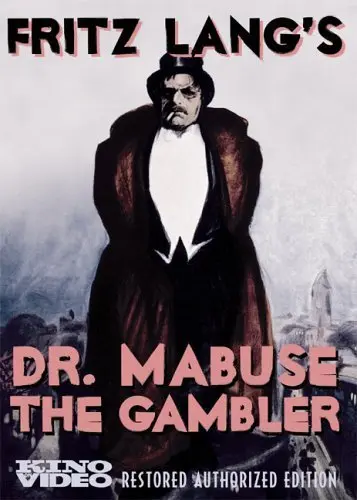
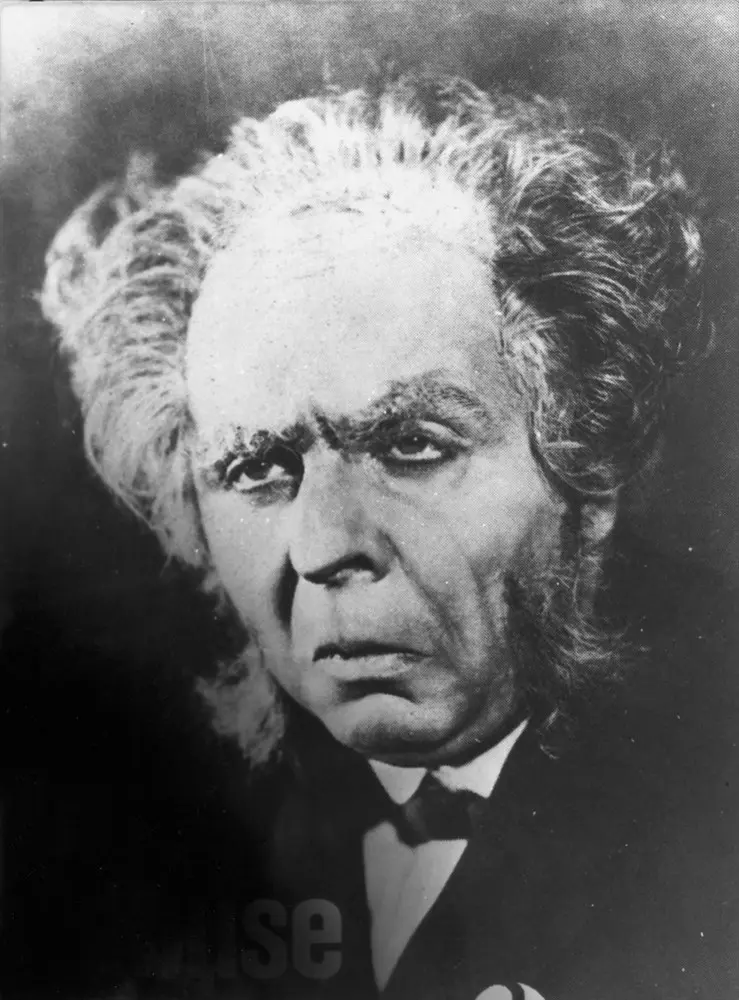
Rudolf Klein-Rogge's portrayal of Mabuse is nothing short of iconic. He imbues the character with a chilling intelligence and an almost supernatural aura. Whether disguised as a bearded psychiatrist, a sleazy street merchant, or a suave gentleman, Klein-Rogge's eyes betray the calculating malevolence that defines Mabuse. His performance is a masterclass in silent film acting, relying on subtle gestures, intense stares, and precise physicality to convey the character's complex inner world. It's a performance that doesn't just portray evil; it embodies the very idea of it, making Mabuse a timeless villain whose influence can be seen in countless cinematic antagonists that followed.
The film's narrative structure, divided into 'The Great Gambler: An Image of the Times' and 'Inferno: A Game for Men of Our Age,' mirrors the dual nature of Mabuse himself – a man who thrives on the chaos he creates and eventually succumbs to it. The first part meticulously details his rise, his calculated exploitation of weaknesses in society, and his initial encounters with State Prosecutor Norbert von Wenk (Bernhard Goetzke). Goetzke, with his stoic resolve and unwavering commitment to justice, serves as the perfect foil to Mabuse's anarchic energy. Their cat-and-mouse game forms the pulsating heart of the film, a battle not just of wits, but of ideologies: order versus chaos, law versus lawlessness.
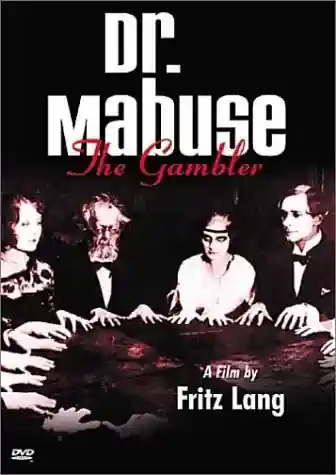
Lang's directorial prowess is on full display, utilizing the burgeoning techniques of German Expressionism to create a visually stunning and psychologically resonant world. The chiaroscuro lighting, distorted sets, and theatrical performances are not merely stylistic choices; they are integral to the film's thematic concerns. Berlin itself becomes a character—a sprawling, decadent metropolis teeming with shadowy figures, opulent casinos, and desperate souls. The film's depiction of gambling dens, specifically, highlights the era's obsession with chance and the desperate hope for quick riches in a collapsing economy. The high stakes at the baccarat tables are a microcosm of the risks being taken in the wider society.
The supporting cast further enriches this tapestry of societal decay. Lil Dagover as Countess Told, initially a figure of sophisticated ennui, becomes a tragic pawn in Mabuse's psychological game, her descent into madness a chilling testament to his destructive power. Aud Egede-Nissen as Cara Carozza, the dancer and Mabuse's mistress, embodies a different kind of victim—one caught between loyalty and conscience, ultimately paying the ultimate price for her involvement. Georg John, Edgar Pauly, and others contribute to the rich ensemble, painting a vivid picture of a society ripe for manipulation.
The film's exploration of mass hypnosis and mind control is particularly unsettling, reflecting contemporary fears about propaganda and the manipulation of public opinion. Mabuse's ability to bend others to his will, to make them see and do things against their conscious desires, is a potent metaphor for the insidious forces at play in a nation struggling with its identity. This theme finds echoes in later psychological thrillers, cementing Dr. Mabuse, The Gambler not just as a genre touchstone, but as a prescient warning about the dangers of charismatic demagoguery.
At over four hours in its original cut, Dr. Mabuse, The Gambler is an epic undertaking, demanding patient immersion from its audience. Yet, its length is justified by the intricate plotting, the rich character development, and the sheer scope of its ambition. Unlike simpler action-adventure films of the era, such as 'Blue Blazes' Rawden, which focused on straightforward heroics, Lang's film delves into moral complexities and psychological decay. It's a film that eschews easy answers, preferring to wallow in the murky depths of human nature.
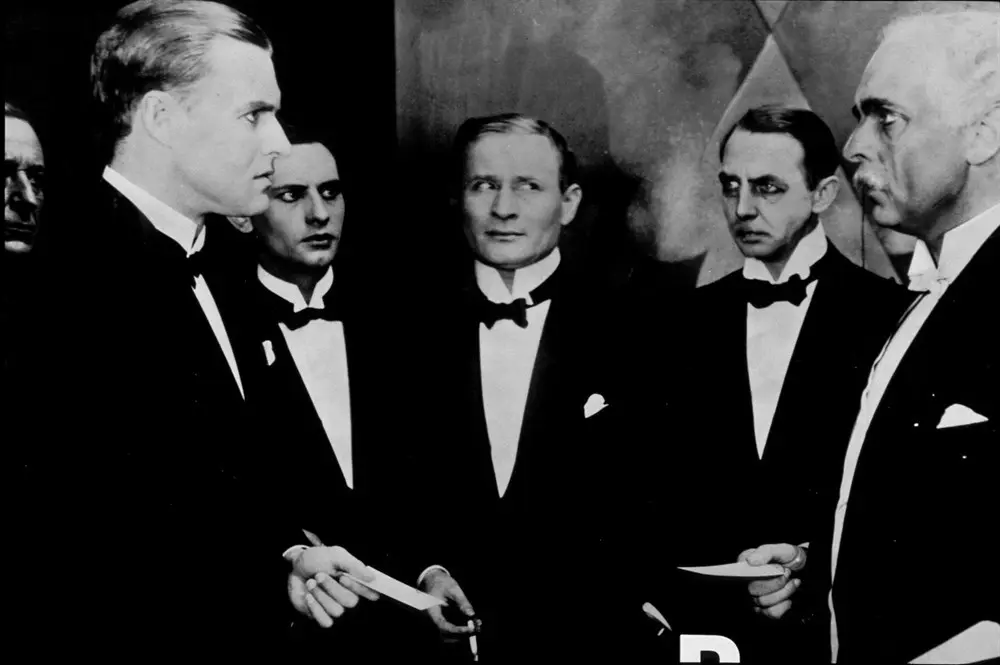
The film's impact on cinema cannot be overstated. It laid much of the groundwork for the crime thriller genre, influencing everything from film noir to the modern spy thriller. Lang’s meticulous staging, dynamic editing, and innovative use of camera movement set new standards for cinematic storytelling. The tension between Mabuse and Wenk, for instance, established a template for countless detective-versus-criminal narratives. One can trace its thematic lineage through subsequent films like Lang's own M, where the hunt for a serial killer becomes a mirror for societal anxieties, demonstrating a continuous fascination with the criminal mind and its societal implications.
The writers, Norbert Jacques, Thea von Harbou, and Fritz Lang, crafted a narrative that is both pulpy and profound. They understood the power of a charismatic villain and the appeal of a world where order is constantly threatened. Their collaboration resulted in a script that, despite its silent nature, crackles with dialogue (through intertitles) and develops characters with surprising depth. The film's sprawling cast, including Julius Falkenstein, Leonhard Haskel, and Alfred Abel, each contribute to the bustling, often desperate, atmosphere of Berlin, reinforcing the idea that Mabuse’s power is derived from the very fabric of society’s vulnerabilities.
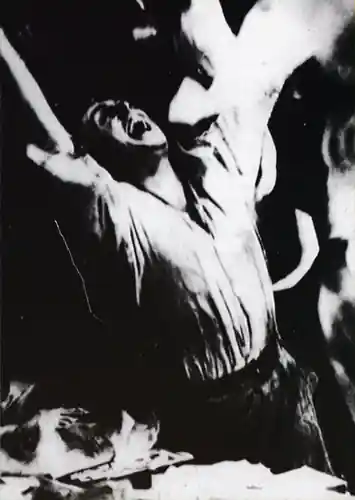
As the second part, 'Inferno,' unfolds, Mabuse's meticulously constructed empire begins to unravel. The relentless pressure from Wenk, coupled with Mabuse's increasing paranoia and reliance on his own hypnotic powers, pushes him towards an inevitable mental breakdown. The film's climax, set in a desolate, abandoned factory, is a masterclass in suspense and psychological horror. Mabuse, stripped of his disguises and his sanity, becomes a trapped animal, his grandiose schemes reduced to the desperate ravings of a madman. This descent into madness is not merely a plot device; it serves as a powerful commentary on the self-destructive nature of unchecked ambition and the ultimate futility of attempting to control the uncontrollable.
The ending, with Mabuse confined to an asylum, staring blankly into the void, is both tragic and deeply unsettling. It suggests that while the individual criminal may be apprehended, the underlying societal conditions that allowed him to thrive remain. The film doesn't offer easy closure, instead leaving the audience with a lingering sense of disquiet, a feeling that the forces Mabuse represented could easily manifest again. This open-endedness, this refusal to provide a neat resolution, is part of its enduring power.
In an era where films like Three of a Kind or Be My Wife might have offered lighter, more conventional narratives, Lang dared to create something far more complex and challenging. Dr. Mabuse, The Gambler isn't just a film; it's a historical document, a socio-political critique, and a towering achievement of early cinema. Its influence ripples through film history, a testament to Lang's genius and the timeless appeal of a story that peels back the veneer of civilization to reveal the chaotic heart beating beneath. For anyone seeking to understand the roots of modern psychological thrillers and the profound artistic ferment of Weimar Germany, this film is not merely recommended; it is essential viewing, a dark jewel in the crown of silent cinema.
IMDb —
1928
Community
Log in to comment.