DbcultAccessing Vault...
6.1/10
Senior Film Conservator
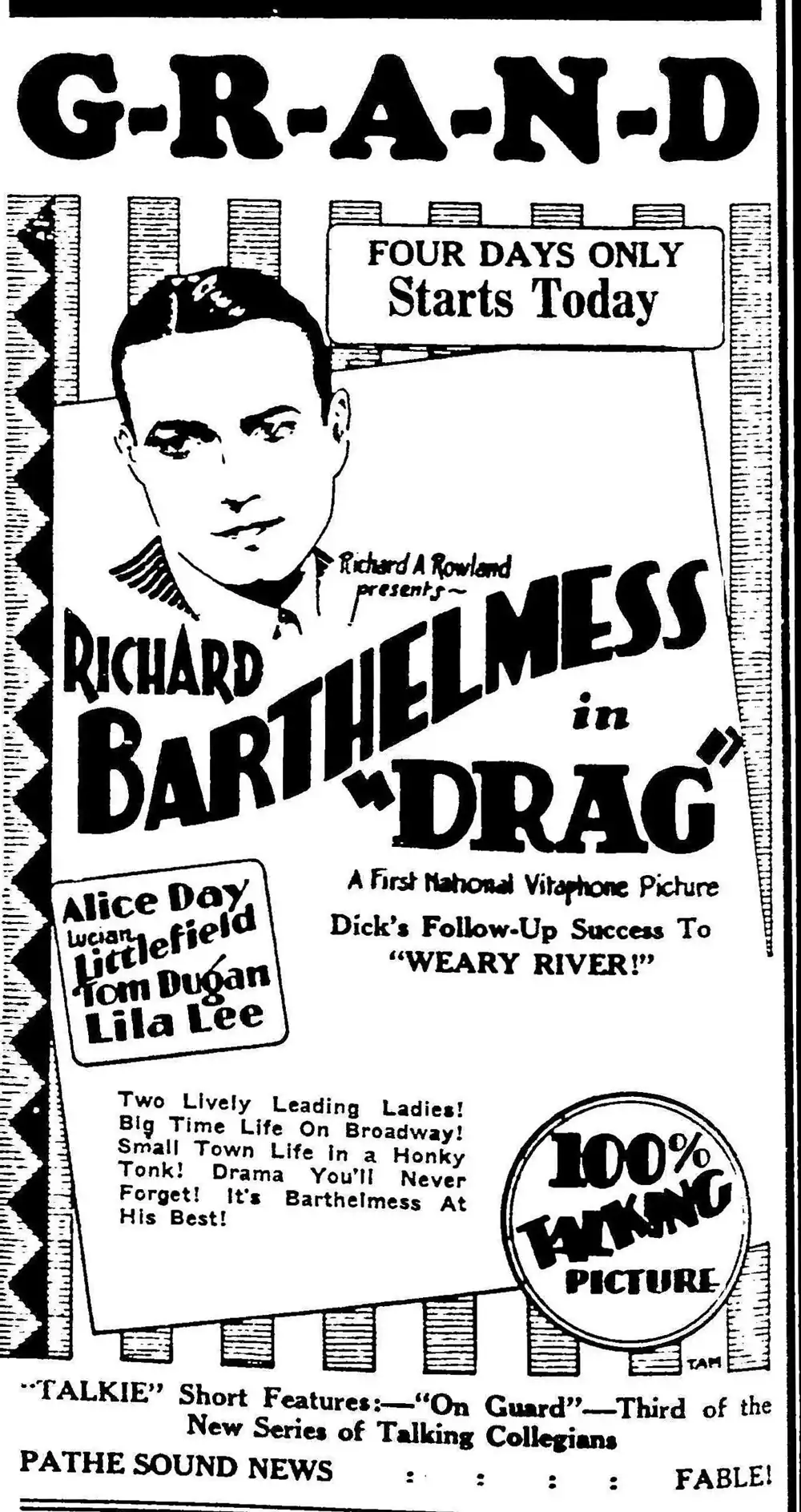
A definitive 6.1/10 rating for a film that redefined the boundaries of cult cinema. Drag remains a cornerstone of transgressive art.
If you have ever had your in-laws stay over for a weekend and felt like the walls were closing in, Drag is going to hit you right in the gut. It is a movie from 1929, so it is old, but the feeling of being totally smothered by people who say they love you feels very modern. 🏠
It is definitely worth watching if you can handle the crackly sound of early cinema. People who like stories about escaping a boring life will get a kick out of it, but if you need fast action or clean digital sound, you will probably hate every second.
Richard Barthelmess plays David, and he has one of those faces that just looks tired even when he is smiling. He moves to this tiny town to run a newspaper and he is so full of hope at the start. It is almost sad to watch.
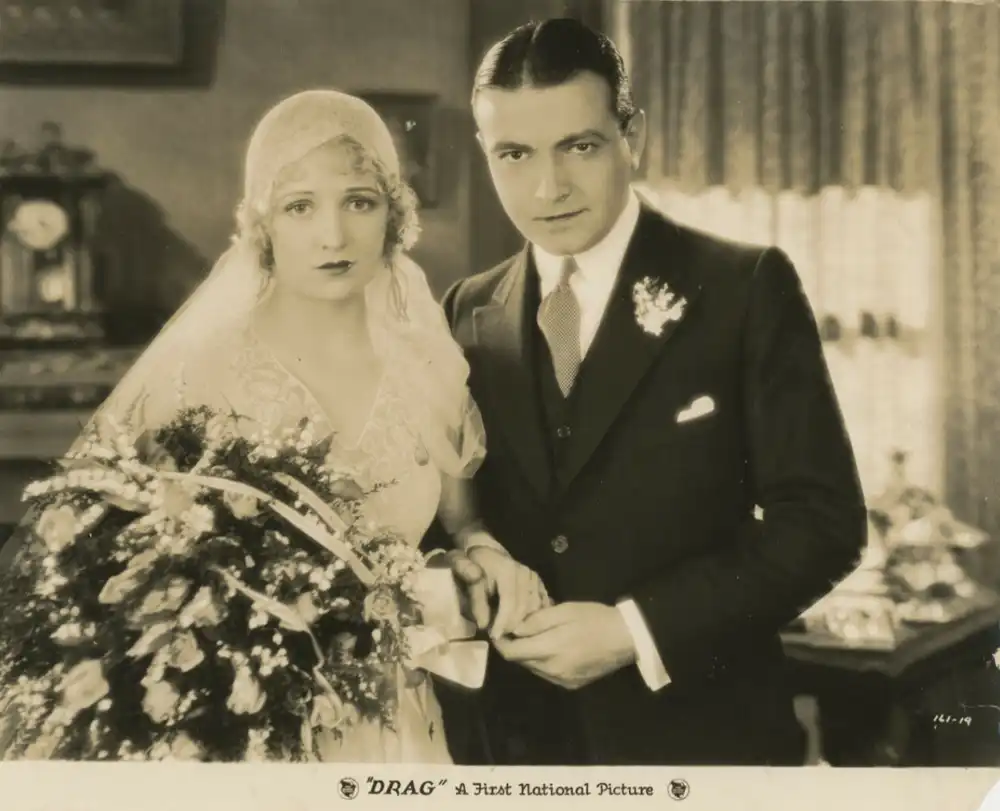
He marries Allie, who seems nice enough at first. But then her family shows up. And they don't leave. Ever.
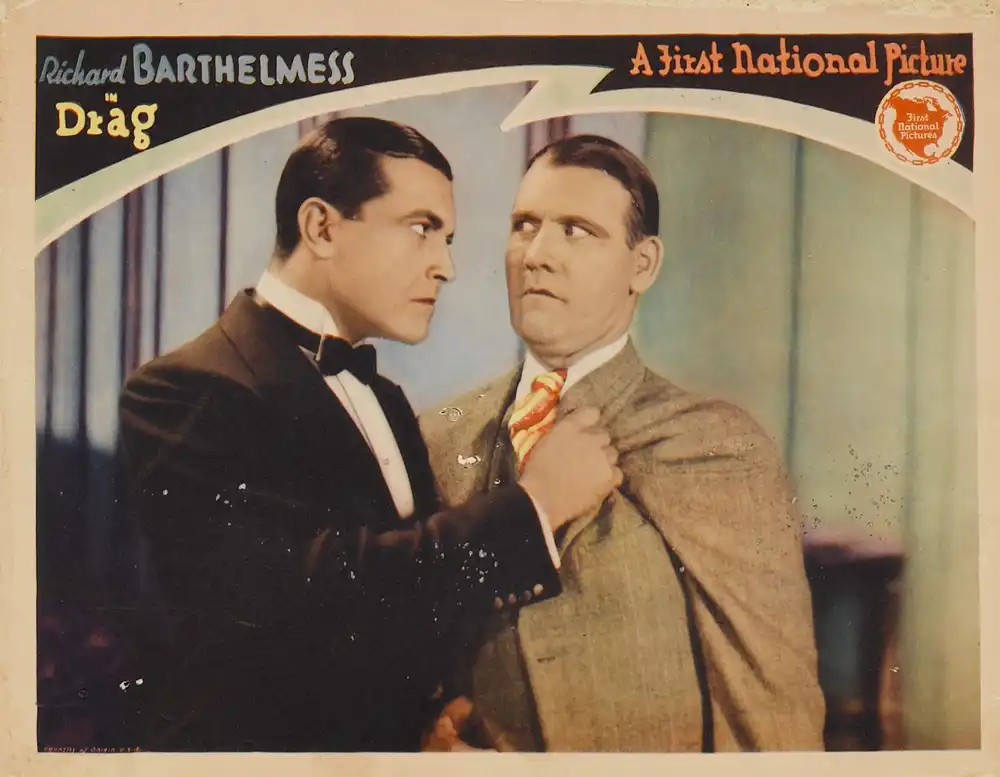
The way this movie handles the Parker family is actually kind of funny in a dark way. They just sort of infest David’s life. One day he’s a proud homeowner, and the next day he’s paying for his father-in-law’s cigars and listening to them complain about the food he bought.
There is this one scene where they are all sitting around the living room. Nobody is doing anything. They are just there. You can practically feel David’s soul leaving his body while he stares at the ceiling.
It reminded me a little bit of the family dynamics in Sally, Irene and Mary, but way more depressing. In that one, there's a bit more glamor, but here it's just brown suits and boring wallpaper.
David eventually gets a chance to go to New York to sell a musical he wrote. The movie gets way more interesting once he gets on that train. You can see his shoulders drop about two inches the further he gets from that house.
In the city, he meets Dot. She is played by Lila Lee and she is basically the exact opposite of his wife back home. She is smart and she actually likes his work for the right reasons, not just because it might pay the bills.
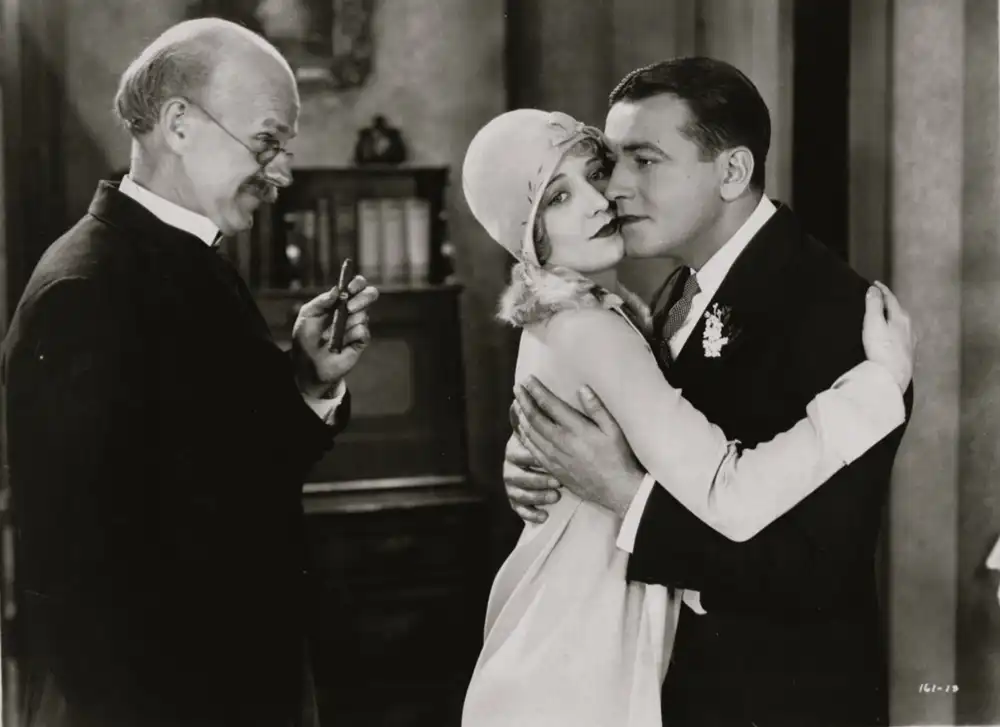
Dot wears these hats that look like little helmets. It was the style back then, I guess. She looks like she belongs in a completely different movie than the people back in the small town.
The acting is that very specific 1929 style where everyone talks very slowly. They had to do that because the microphones were huge and hidden in flower pots and stuff. It makes the conversations feel very heavy, like every word weighs ten pounds. 🎙️
I noticed this one bit where David is eating and he looks at his wife, and the silence just stretches out. It’s not a romantic silence. It’s the kind of silence you have when you realize you have nothing left to say to someone for the rest of your life.
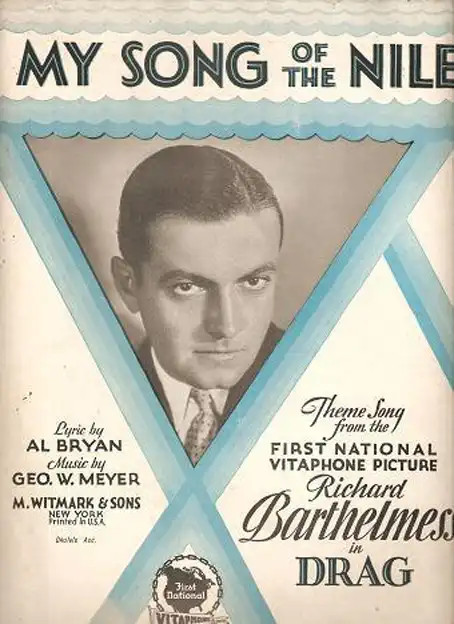
The movie is called Drag because that is the name of the play David writes, but also because his family is a literal drag on his life. It’s not very subtle. They really wanted to make sure we got the point.
I kept thinking about The Dark Swan while David was wandering around New York. There is that same sense of a person trying to figure out if they are allowed to be happy or if they have to be "good."
There is a weirdly specific moment where David’s father-in-law is complaining about his slippers. It’s such a small, annoying thing, but it’s the perfect example of how these people just pick at him until he bleeds. It made me want to reach into the screen and push the old man off his chair.
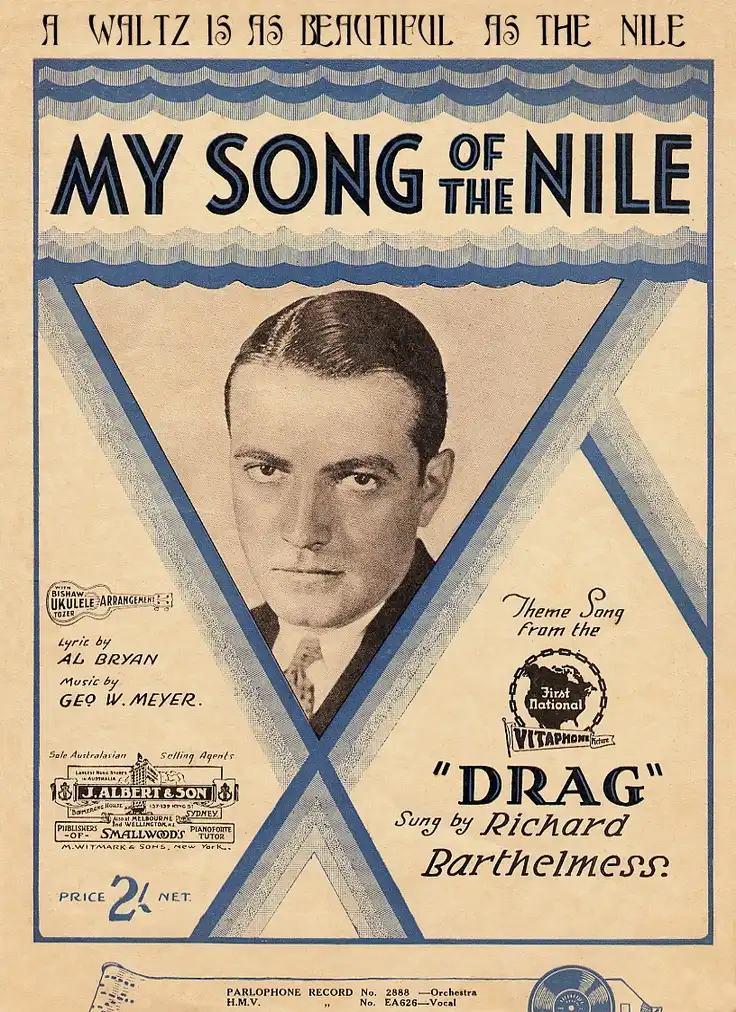
The ending is actually the best part. Usually, movies from this era force a happy reunion where everyone learns a lesson and hugs. Drag doesn't really do that. It’s much more honest about how hard it is to actually leave people behind.
It’s not as funny as Exit Smiling, but it has this grit to it that I didn't expect. It feels like someone wrote this while they were actually mad at their own family.
One thing that bothered me was how Allie, the wife, just kind of fades away. She doesn't really fight for him, but she doesn't really let him go either. She’s just sort of a ghost in her own house by the end.
The costumes in the New York scenes are pretty cool, though. Lots of shiny fabric and people smoking long cigarettes. It makes the small-town scenes look even more gray and dusty by comparison.
I think the director, Frank Lloyd, really knew how to make a room feel small. Even when the characters are in a big house, the way he frames the shots makes it feel like the ceiling is about to fall on them. It’s very effective for a movie that’s mostly just people talking in rooms.
If you can find a decent copy of this, give it a shot. It's a weird little window into what people were worried about a hundred years ago. Turns out, it's the same stuff we worry about now. Money, success, and whether or not your mother-in-law is ever going to move out of the spare bedroom. 🛋️
It’s a bit of a bummer, but a good one. Just don't watch it right before a family reunion.
IMDb —
1934
Community
Log in to comment.